There’s a particular kind of frustration that comes only from books. You’ve spent hours, sometimes days, living inside a story, caring about its people, following its ideas – and then, somewhere past the point of no return, you realize the book has already made its point. It just hasn’t stopped talking yet.
This isn’t about bad books. Most of the titles below are genuinely great, at least in part. The complaint isn’t that they failed, but that they succeeded and then kept going. A sharp ending is one of the hardest things a writer can pull off, and these eight are proof of what happens when even talented authors lose track of where the door is.
Moby-Dick by Herman Melville

Herman Melville’s 1851 epic centers on the sailor Ishmael’s account of Captain Ahab’s obsessive quest for vengeance against the white sperm whale that bit off his leg. The opening chapters are genuinely gripping, Ahab is one of literature’s great obsessives, and the theme of all-consuming hubris still resonates. The story earns its reputation.
The problem is that the narrative keeps pausing to become something else entirely. Of the 135 chapters in the book, only about 25 really move the storyline ahead. The novel contains page after page of extraneous, irrelevant information, making for very tedious reading in between the few moments of literary brilliance. Trim the cetological encyclopedia chapters, and you’d have a leaner, arguably more devastating book.
The Goldfinch by Donna Tartt
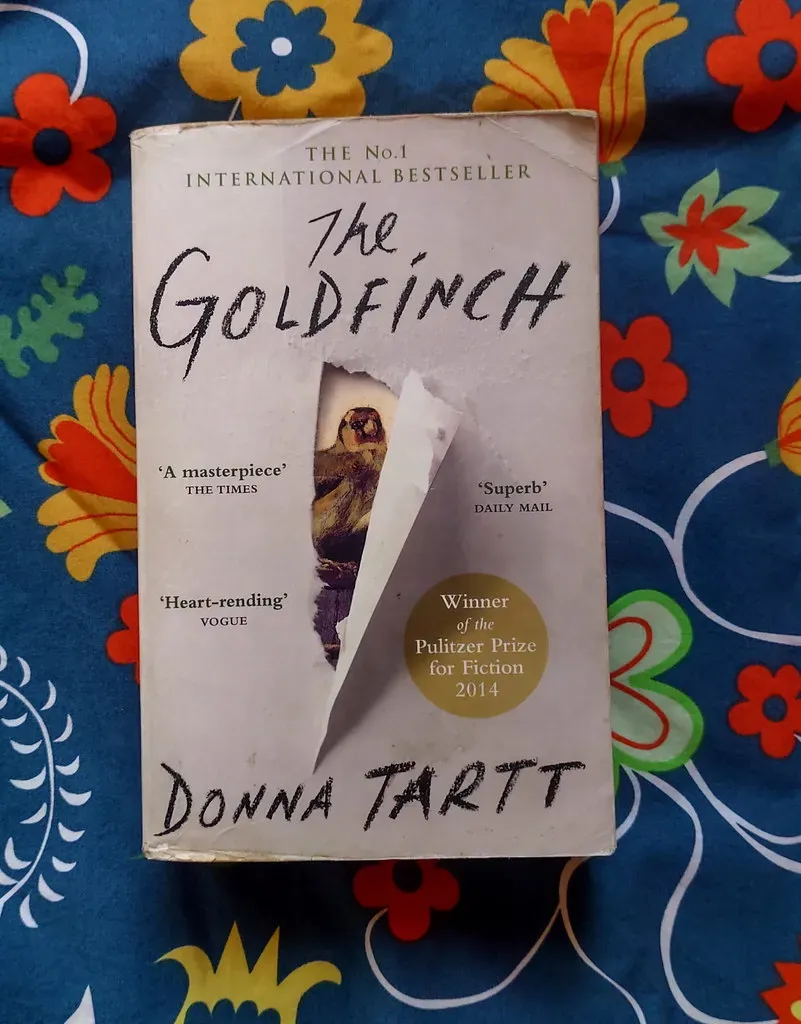
The Goldfinch is a novel by the American author Donna Tartt that won the 2014 Pulitzer Prize for Fiction. Published in 2013, it follows 13-year-old Theodore Decker, whose life undergoes dramatic changes after he survives a terrorist attack at the Metropolitan Museum of Art that kills his mother and leaves him in possession of a famous painting. The first hundred or so pages are extraordinary, pulling you straight into Theo’s grief with remarkable clarity.
After that, the novel’s relationship with its own length becomes complicated. The reason behind the length of the book is that Tartt consistently goes into immense detail and lengthy monologues. The Guardian called it “overlong and tediously Potteresque.” The novel concludes with tacked-on meditations on art and fate, as though Tartt put down her pen at page 750, then decided her less astute readers might benefit from a few pages explaining the insights conveyed by the plot in clunky, artless detail.
Great Expectations by Charles Dickens
Dickens actually wrote two very different endings for this novel. The conclusion he ultimately went with, which he penned per a friend’s suggestion, involves Pip and Estella walking hand-in-hand into the sunset. It’s interpretable whether or not this implies friendship or something more. Regardless, it seems strangely optimistic given Estella’s established character, and feels discordant with the rest of the novel.
The broader issue, though, is one of accumulation. Like much of Dickens’s serialized fiction, Great Expectations tends to circle back on itself, adding subplots and coincidences that keep the story going well beyond its emotional peak. The novel’s true power lives in Pip’s humiliation and self-discovery, not in the drawn-out machinery of plot that follows. When the story insists on tying every thread, it weakens the ones that mattered most.
The Adventures of Huckleberry Finn by Mark Twain
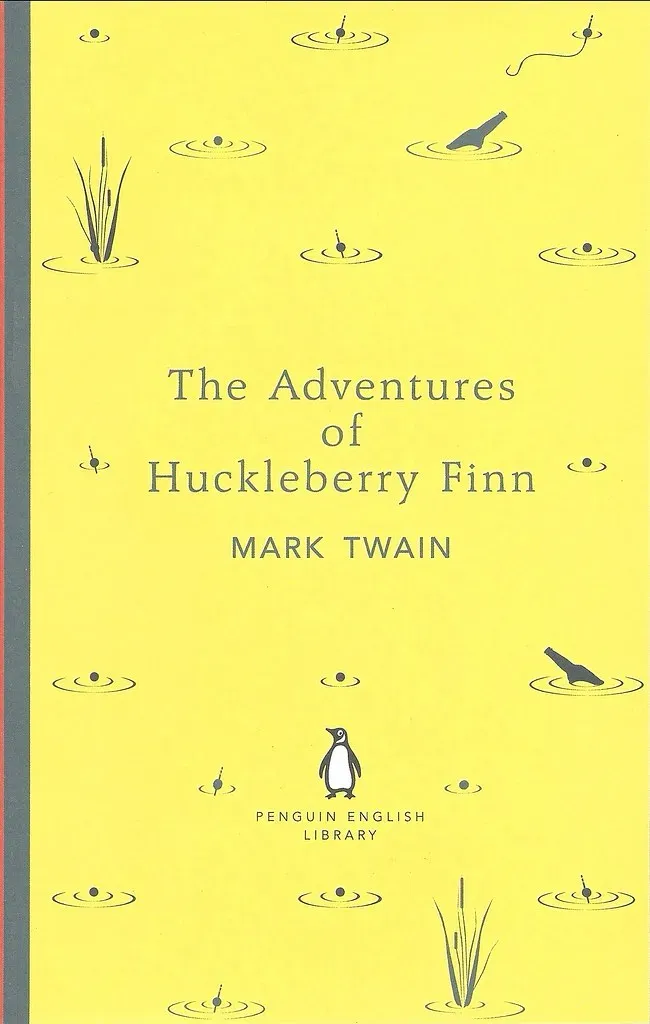
Throughout the novel, we watch Huck overcome the racism of his society and learn to understand his companion Jim, the escaped slave, as a human. Right at the end, Huck meets up with his old friend Tom Sawyer, and the two of them lapse straight back into their old ways. Jim is recaptured, and Huck and Tom treat it as a joke rather than expressing outrage at the racism of the situation.
Some wish to believe that Twain knew exactly what he was doing, that after hundreds of pages of deliberate moral ambiguity, he made the subversive decision not to end with Huck’s awakening to Jim’s humanity. Hemingway himself recommended readers just skip the final chapters. That’s a striking thing to say about any book, let alone one often called the great American novel. The earlier journey across the river contains multitudes. The Tom Sawyer farce at the end contains considerably fewer.
Gone Girl by Gillian Flynn
Gillian Flynn’s thriller is a masterclass in tension for most of its length, a two-voice puzzle that keeps you genuinely uncertain about who to believe or fear. The central twist is effective, and the book’s psychological architecture is impressively constructed. It’s a story that earns its reputation as a page-turner.
Gone Girl is a page-turner of a thriller. Flynn does an excellent job keeping the reader in suspense while unfolding the plot. She even manages to create sympathy for each of her morally bankrupt main characters. Yet the ending isn’t surprising in a cool “how’d she think of that” way; it is just unbelievable that a man greatly tortured by his wife’s evil mind would then stay married to her. The novel had already made its most powerful statement well before that final, deflating choice.
Breaking Dawn by Stephenie Meyer
The fourth Twilight book spends an entire novel planning a huge war between the Cullens and the Volturi, only for it to never actually happen. Readers who had invested in a full series, following the escalating conflict across thousands of pages, arrived at the finale expecting confrontation. What they found instead was an elaborate setup that quietly dismantles itself. The tension built, the sides gathered, and then everyone went home.
It’s a curious structural choice that has frustrated readers since the book’s release. A long buildup without payoff isn’t necessarily wrong in literary fiction, but in a series so rooted in romantic and dramatic stakes, it reads more like avoidance than artistry. The story had everything in place for a genuine climax. It just flinched.
Allegiant by Veronica Roth
The Divergent series followed protagonist Tris through a dystopian world for three books. The reader roots for Tris as she learns the insurmountable depths of her strength and battles impossible circumstances. Yet in book three, Roth has Tris sacrifice herself. This martyring of the hero leaves readers disappointed and heartbroken.
The issue isn’t that the ending is dark. Dark endings can be among the most honest. The problem is the final stretch of the novel feels structurally rushed, as if the narrative momentum that drove the first two books ran out of focus. The thematic payoffs feel unearned, not because the ideas are bad but because the last hundred pages move too quickly through events that deserved more room. The sacrifice might have landed harder with a steadier hand on the approach.
Harry Potter and the Deathly Hallows by J.K. Rowling
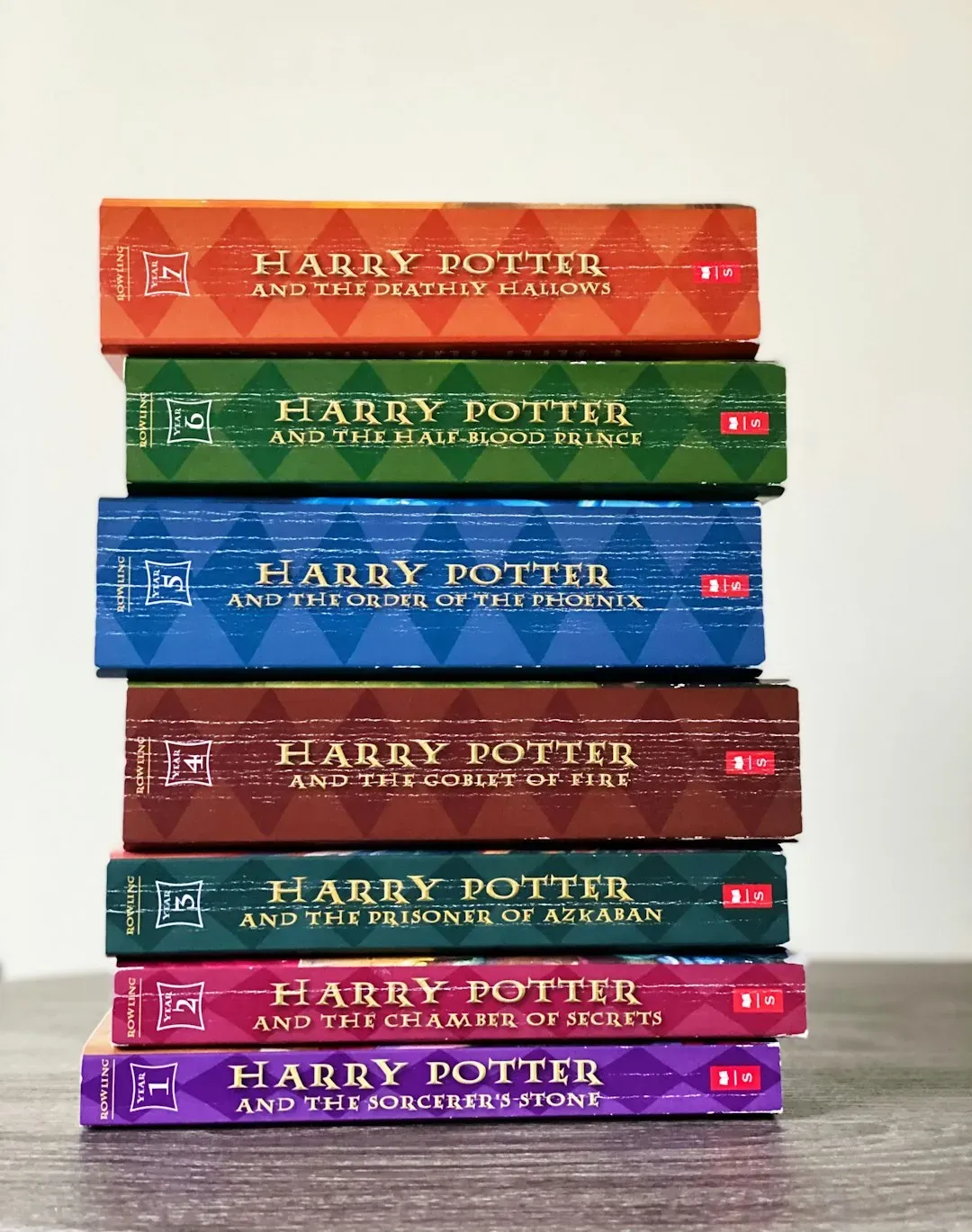
The seventh Potter book carries an enormous weight, and by most measures it does what a finale needs to do. The deaths, the sacrifices, and the resolution of Voldemort are handled with genuine emotional weight. Rowling sticks the central landing. It’s the epilogue, set nineteen years later, that consistently draws the widest criticism.
After seven years of exciting adventures, it was a little disappointing to hear that “all was well.” The ending of the Deathly Hallows shows how Harry survived Voldemort’s killing curse and defeated the Dark Lord with a happy ending. It may also be a fact that due to the possibilities of writing more books, Rowling decided to keep the character alive. Nonetheless, many believe that Harry’s demise would have been a much better ending to the epic novel, as it was something that everyone didn’t want to happen but were expecting. The final chapter before the epilogue is where the book reaches its truest close. The coda that follows, tidy and cheerful, softens what might have been a far more resonant silence.
What connects these eight books isn’t failure. Most of them contain passages, chapters, and ideas that are genuinely memorable. The difficulty is a kind of overreach, the inability to recognize that the story has already made its case. A good ending doesn’t just stop. It knows when to stop. That instinct, it turns out, is rarer than it looks.