
A war can end in four years. A political scandal might unravel and resolve within eighteen months. Yet the book that finally explains what happened often takes a decade or more to reach shelves, sometimes outliving the news cycle by a wide margin.
This gap between the speed of events and the slowness of the books written about them isn’t accidental or a sign of laziness. It reflects something structural about how serious nonfiction gets made, and once you understand the mechanics, the delay starts to make a lot of sense.
The Research Almost Always Outpaces the Writing

Most readers assume the writing itself is the bottleneck, but for experienced nonfiction authors, drafting sentences is often the fastest part of the process. The real time sink is gathering material: locating documents, filing records requests, tracking down people who witnessed events firsthand, and cross-checking competing versions of the same story.
A single chapter covering a few weeks of history might require dozens of interviews and hundreds of pages of source material to get right. When those sources contradict each other, which happens constantly, the author has to slow down and reconcile the discrepancies rather than simply picking the most convenient account.
Access to Sources Doesn’t Happen on a Schedule
People involved in significant events aren’t always ready to talk right away. Government officials, whistleblowers, and even ordinary witnesses may need years to feel safe or willing to go on record, especially if legal exposure or professional consequences are involved.
Authors frequently spend long stretches simply waiting: waiting for a source’s lawyer to sign off, waiting for a security clearance review, waiting for a key figure to retire so they can finally speak freely. None of that waiting shows up in the final book, but it eats years off the calendar.
Archival and Legal Documents Take Time to Surface
Many of the most revealing nonfiction books rely on documents that weren’t public when the events occurred. Court filings, internal memos, and government records often become available only after lawsuits conclude, freedom of information requests are processed, or classification periods expire.
Freedom of Information Act requests in the United States can take months or even years to fulfill, particularly when agencies push back or claim exemptions. An author chasing a paper trail through multiple institutions may find their book’s timeline dictated less by their own pace and more by bureaucratic response times entirely outside their control.
Fact-Checking Serious Nonfiction Is a Slow, Deliberate Process

Reputable publishers of investigative or historical nonfiction don’t simply take an author’s word for it. Manuscripts often go through independent fact-checkers who re-verify dates, quotes, and claims against primary sources before publication.
This process can add months to a project, especially for books touching on legal disputes, criminal allegations, or living public figures who might challenge inaccurate statements. Publishers have strong incentives to get this right, since defamation claims and retraction demands are costly and damaging in ways that dwarf the cost of careful verification upfront.
Legal Review Adds Another Layer Before Anything Reaches Print
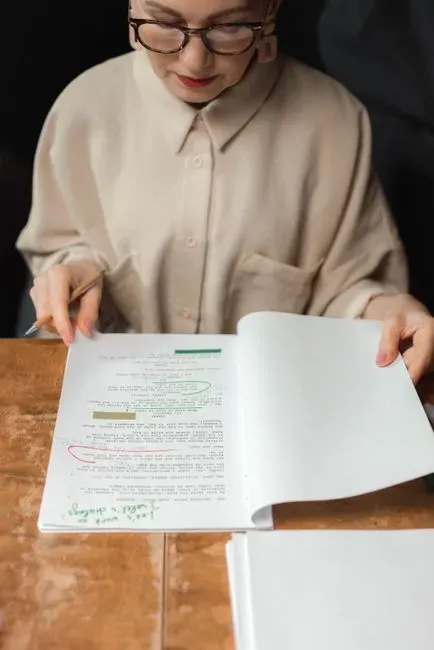
Beyond fact-checking, many nonfiction manuscripts pass through legal review, sometimes called a “libel read,” where attorneys examine sensitive passages line by line. This is standard practice at major publishing houses for books involving corporations, politicians, or ongoing litigation.
Partner offer
Lawyers may request additional sourcing for specific claims, softer language around unproven allegations, or the removal of material altogether if the risk seems too high. Each round of legal notes typically sends the manuscript back to the author for revisions, and that back-and-forth can stretch on for months before a book is cleared for publication.
The Story Often Keeps Changing While the Book Is Being Written
Real events don’t politely stop developing once a writer starts a manuscript. Trials get appealed, new evidence surfaces, key figures die or recant, and entire narratives can shift after an author thought they’d reached a stopping point.
Authors covering ongoing situations, such as unresolved criminal cases or active political controversies, sometimes have to rewrite entire sections as new developments arrive. This creates a moving target problem: the book can’t be finished until the underlying story settles down enough to be told with confidence, and some stories take years longer to settle than anyone expected.
Long-Form Nonfiction Rewards Patience Over Speed

Robert Caro, the biographer known for his multi-volume works on Robert Moses and Lyndon Johnson, has spent decades on individual projects, a well-documented case of an author prioritizing depth over deadlines. His approach illustrates a broader truth in the genre: readers of serious nonfiction tend to value thoroughness far more than speed.
Richard Rhodes spent years researching “The Making of the Atomic Bomb,” a book still regarded as a definitive account decades after its 1986 publication. These examples aren’t outliers so much as evidence that the books people still read and cite years later are usually the ones that weren’t rushed to capitalize on a news cycle.
Publishers Balance Timeliness Against Accuracy
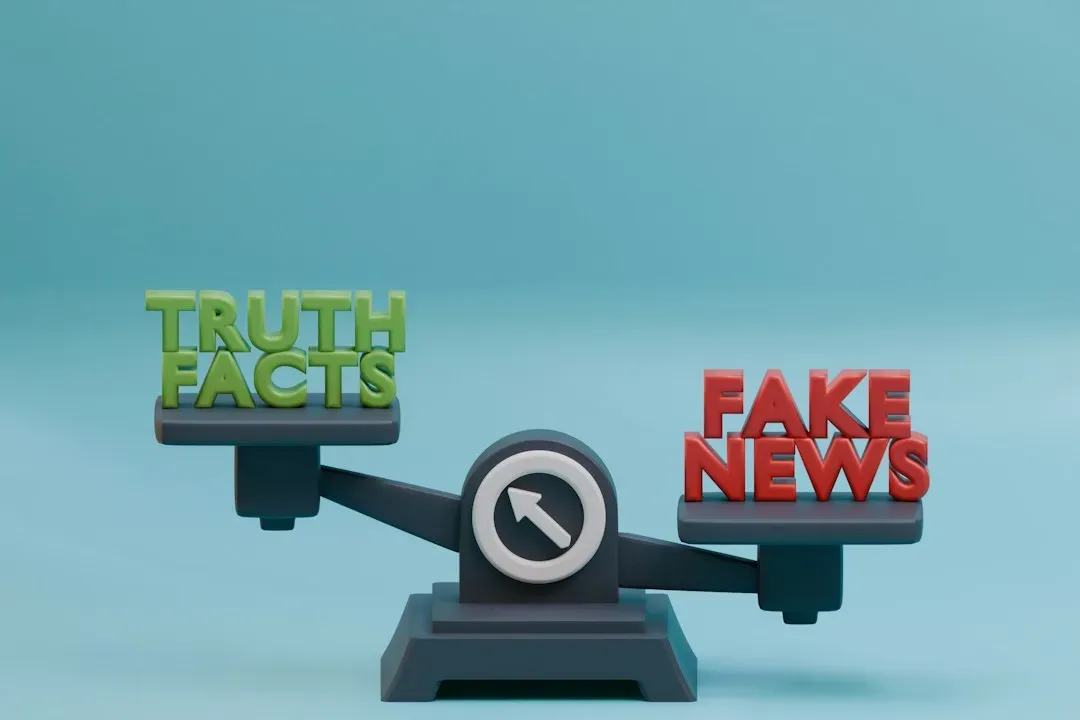
There’s real commercial pressure to get topical books out while public interest is high, and publishers do sometimes fast-track manuscripts tied to breaking news. But rushing a nonfiction book carries reputational risk that publishers have learned to take seriously, especially after high-profile corrections or retractions have embarrassed major houses in the past.
Editors often push back against overly aggressive timelines specifically because a factual error discovered after publication can undermine an author’s credibility for the rest of their career. The calculation isn’t just about catching a moment; it’s about producing something that will still hold up under scrutiny long after that moment has passed.
Some Delays Come From the Author’s Own Standards, Not External Obstacles

Not every extended timeline is caused by red tape or missing documents. Many experienced nonfiction writers simply refuse to submit a manuscript until they’re confident every claim can survive challenge, and that confidence takes as long as it takes to build.
This is particularly true for authors covering controversial or contested events, where getting a single detail wrong can be weaponized to discredit the entire book. The extra years spent double-checking aren’t wasted time from the author’s perspective; they’re the difference between a book that holds up and one that gets picked apart.
The Gap Between Event and Book Often Becomes Part of the Story’s Value

Distance from an event sometimes allows an author to access material that simply wasn’t available immediately afterward, whether that’s declassified files, retired officials speaking candidly, or a broader historical record against which to measure early claims. A book written five or ten years after the fact can offer context and perspective that a rushed account never could.
Readers looking for durable, well-sourced explanations of complicated events have generally been better served by books that took the necessary time rather than those that hit shelves within months of the news breaking. The lag isn’t a flaw in the system so much as a feature of how credible nonfiction gets built, one document, one interview, and one verified fact at a time.
Partner offer
Planning a trip to Vegas?
Compare hotel rates and show tickets on VEGAS.com.