
Some short story collections feel like a string of separate rooms, each one interesting but disconnected from the next. Others do something trickier: they build a single house, with recurring characters, overlapping timelines, or a shared setting so vivid that the individual stories start to feel like chapters. That second kind of book rewards a different sort of reading, one where you notice a name from an earlier story resurface, or a location shift its meaning as the collection progresses.
The ten books below were chosen because they hold together with a novelistic sense of continuity, even though each piece was technically written and structured as its own short story. Readers looking for the immersive pull of a novel but the variety of short fiction will find plenty to work with here.
1. Olive Kitteridge by Elizabeth Strout
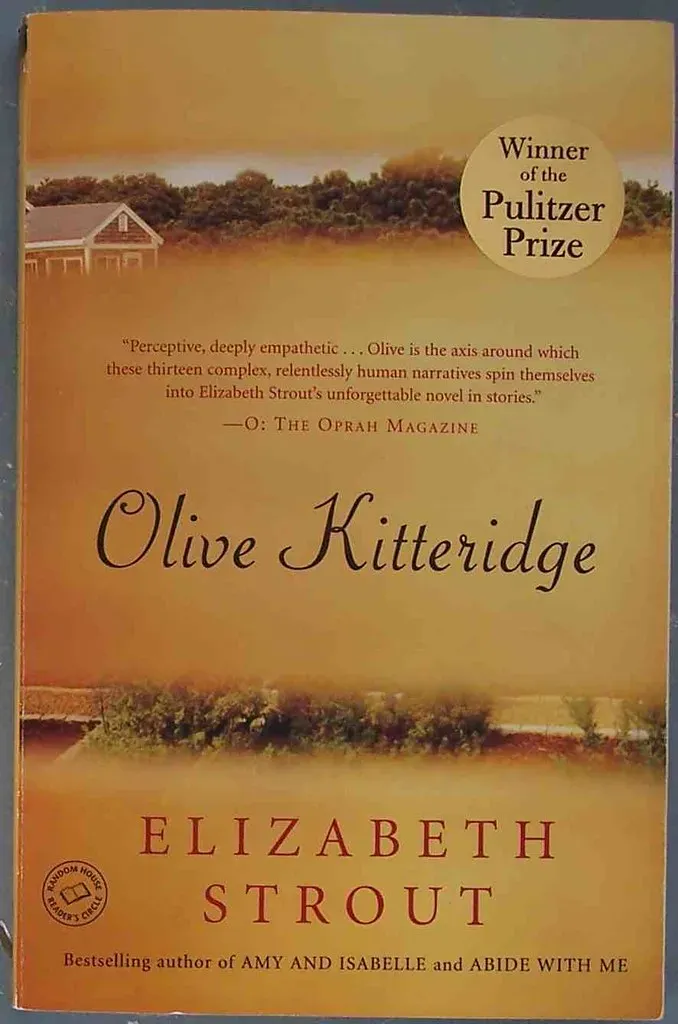
Elizabeth Strout’s collection follows the residents of a small coastal town in Maine, with Olive Kitteridge appearing in nearly every story, sometimes as the central figure and sometimes as a background presence glimpsed through someone else’s eyes. The structure lets Strout build a portrait of a whole community while keeping Olive as the emotional anchor. This approach earned the book the Pulitzer Prize for Fiction in 2009, and it later inspired a well received HBO miniseries.
What makes it read like a novel is the way time moves forward across the stories, aging Olive and the people around her in ways that accumulate rather than reset with each new chapter. A minor character in one story becomes the protagonist of another, and small details planted early pay off pages or years later. It is a quiet, patient kind of storytelling that rewards readers who like connecting threads themselves.
2. A Visit from the Goon Squad by Jennifer Egan
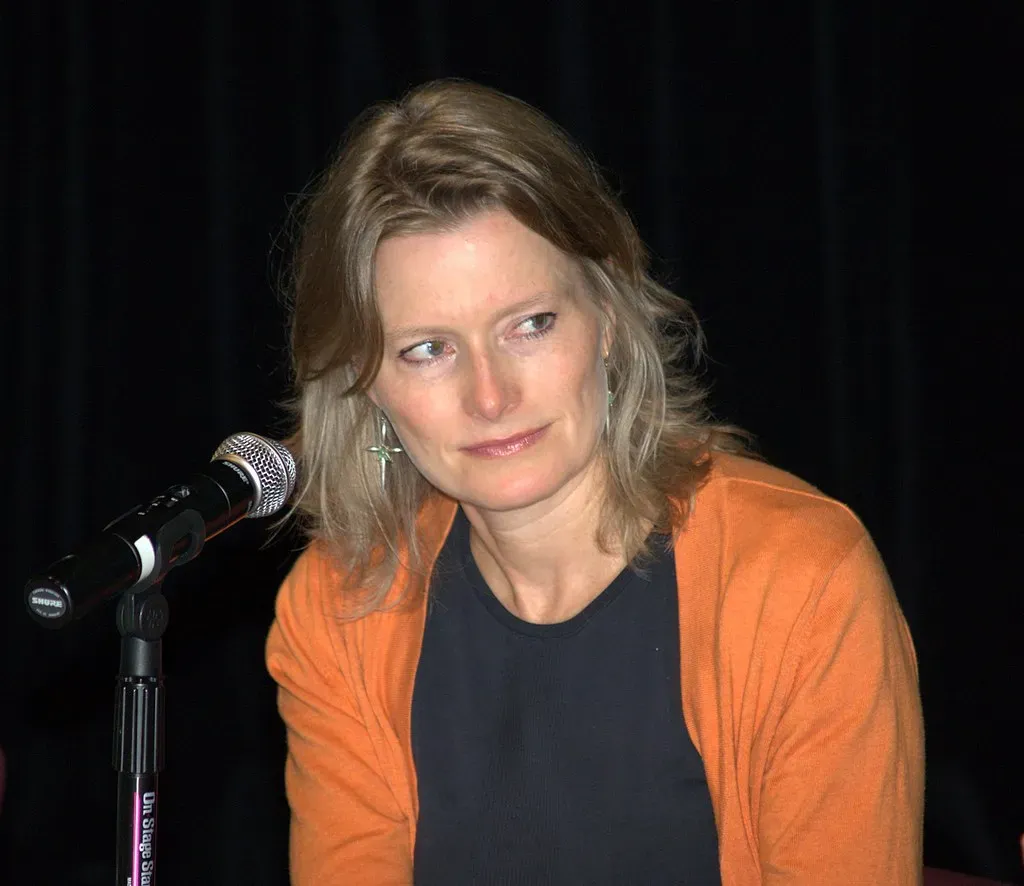
Jennifer Egan’s book follows a sprawling cast connected to the music industry, jumping across decades and even trying out different narrative formats, including a chapter told entirely through PowerPoint slides. Despite the fragmented structure, the stories orbit two central figures, Bennie Salazar and Sasha, whose lives intersect with dozens of others over roughly fifty years. The book won the Pulitzer Prize for Fiction in 2011 and the National Book Critics Circle Award, cementing its reputation as one of the more formally adventurous works of the 2010s.
The novel-like effect comes from how deliberately Egan plants connections, so a character who seems minor in one chapter turns out to be central in another, sometimes decades later in the timeline. Reading it feels like assembling a puzzle where the pieces are scattered out of order on purpose. It rewards a second read almost as much as the first.
3. Interpreter of Maladies by Jhumpa Lahiri

Jhumpa Lahiri’s debut collection focuses on Indian and Indian American characters navigating cultural displacement, marriage, and quiet loneliness, and while the stories do not share characters directly, they share such a consistent emotional register and thematic focus that they build cumulative weight. The collection won the Pulitzer Prize for Fiction in 2000, a rare honor for a debut short story collection. Lahiri’s restrained, precise prose style stays remarkably consistent across every story, which helps the book feel unified rather than like a sampler of unrelated pieces.
Themes of arranged marriage, immigrant adjustment, and the gap between generations recur with enough variation that the collection functions almost like different case studies within a single larger argument about identity and belonging. Readers moving from one story to the next often notice the same tensions reappearing in new configurations. That repetition, handled carefully, is part of what gives the book its novelistic cohesion.
4. Winesburg, Ohio by Sherwood Anderson

Sherwood Anderson’s 1919 collection is often cited as an early and influential example of the linked story cycle, following residents of a fictional small Ohio town, with a young journalist named George Willard appearing across many of the stories as a connective figure. The book’s structure, centered on isolated, often lonely townspeople, helped establish a template that later writers like Strout and Egan would build on decades later. Anderson’s plain, unadorned prose style was itself influential on writers including Ernest Hemingway.
What ties Winesburg, Ohio together is less plot than atmosphere and place, since the town itself functions almost as a character that each story returns to and deepens. George Willard’s presence gives readers a throughline, someone who observes the town’s residents and, in the final story, leaves it behind. That departure gives the collection something close to a novel’s sense of closure.
5. The Things They Carried by Tim O’Brien

Tim O’Brien’s collection blends fiction and memoir-style narration about American soldiers in the Vietnam War, with a narrator also named Tim O’Brien appearing throughout, blurring the line between author and character. The stories return repeatedly to the same events, sometimes retelling them with different details, which O’Brien uses deliberately to explore how memory and storytelling distort or reshape trauma. The book has become a staple in American literature classrooms and is frequently taught alongside straightforward novels because of how cohesively it reads.
The recurring cast, including characters like Kiowa and Norman Bowker, gives the collection continuity that a typical anthology lacks. Because the narrator directly addresses the reader about the nature of truth in storytelling, the book also builds a kind of running argument about fiction itself, which adds another layer of connective tissue across the individual pieces. It is less a set of war stories than a single extended meditation on one.
Partner offer
6. Cloud Atlas by David Mitchell

David Mitchell’s Cloud Atlas is technically a novel, but its structure, six nested narratives spanning centuries, each interrupted by the next before eventually resolving in reverse order, reads much like a collection of interconnected stories bound by shared themes and faint echoes across timelines. Characters in later sections read manuscripts or recordings from earlier ones, creating a chain of influence across time periods. The book was adapted into a 2012 film directed by Tom Tykwer and the Wachowskis, which brought renewed attention to its unusual structure.
Each of the six sections could function as a standalone story with its own genre, from an 1850s sea voyage to a post apocalyptic future, yet Mitchell threads recurring imagery, a birthmark shaped like a comet, and thematic concerns about power and exploitation through all of them. That layering is what gives the book its novel-like cohesion despite reading, section by section, almost like an anthology of different genres. Few books blur the line between story collection and novel as deliberately as this one.
7. Drown by Junot Díaz
Junot Díaz’s debut collection follows Yunior, a Dominican immigrant narrator, and his family across stories set in both the Dominican Republic and New Jersey, tracing childhood, his father’s absence, and the difficulties of assimilation. Yunior later became a recurring character across Díaz’s subsequent work, including his novel The Brief Wondrous Life of Oscar Wao, which retroactively strengthened the sense that Drown was building a larger, ongoing story from the start. The stories are not arranged strictly chronologically, which forces readers to piece together the family’s history the way one might in a novel told through fragmented memory.
Díaz’s voice, sharp, colloquial, and code switching between English and Spanish, stays remarkably consistent across the collection, reinforcing Yunior as a singular perspective rather than a set of separate narrators. The emotional through line, particularly the absent father figure, resurfaces across nearly every story in different forms. That repetition with variation is a hallmark of the linked collection style.
8. The Refugees by Viet Thanh Nguyen

Viet Thanh Nguyen’s collection, published in 2017 following his Pulitzer Prize winning novel The Sympathizer, focuses on Vietnamese refugees and their children adjusting to life in the United States, with stories set across several decades after the Vietnam War. While the characters differ from story to story, Nguyen maintains a consistent thematic focus on displacement, memory, and the tension between assimilation and cultural preservation. The collection was praised for extending the concerns of The Sympathizer into more intimate, domestic settings.
The stories work almost like variations on a single question, namely what it means to belong to two countries and fully claim neither. Nguyen’s prose style remains steady throughout, unfussy but precise, which helps unify stories that otherwise span different decades and family situations. Reading the collection in order builds a cumulative understanding of the refugee experience that feels closer to a sustained argument than a set of unrelated vignettes.
9. A Good Man Is Hard to Find by Flannery O’Connor

Flannery O’Connor’s 1955 collection is unified less by shared characters than by a consistent moral and religious framework, one where grace often arrives through violence or shock in the American South. Each story operates independently, yet the recurring concern with sin, redemption, and rural Southern Gothic atmosphere gives the collection a coherence that feels closer to a single sustained inquiry than a miscellany. O’Connor’s distinctive, often unsettling narrative voice remains consistent across every story, which helps the book read as one extended statement rather than ten separate ones.
The title story, one of the most widely anthologized short stories in American literature, sets a tone of moral tension that echoes throughout the rest of the book. Readers moving through the collection notice the same theological concerns surfacing again and again, dressed in different plots and characters. That thematic repetition, rather than shared characters, is what gives this collection its novel-like unity.
10. Trust Exercise by Susan Choi
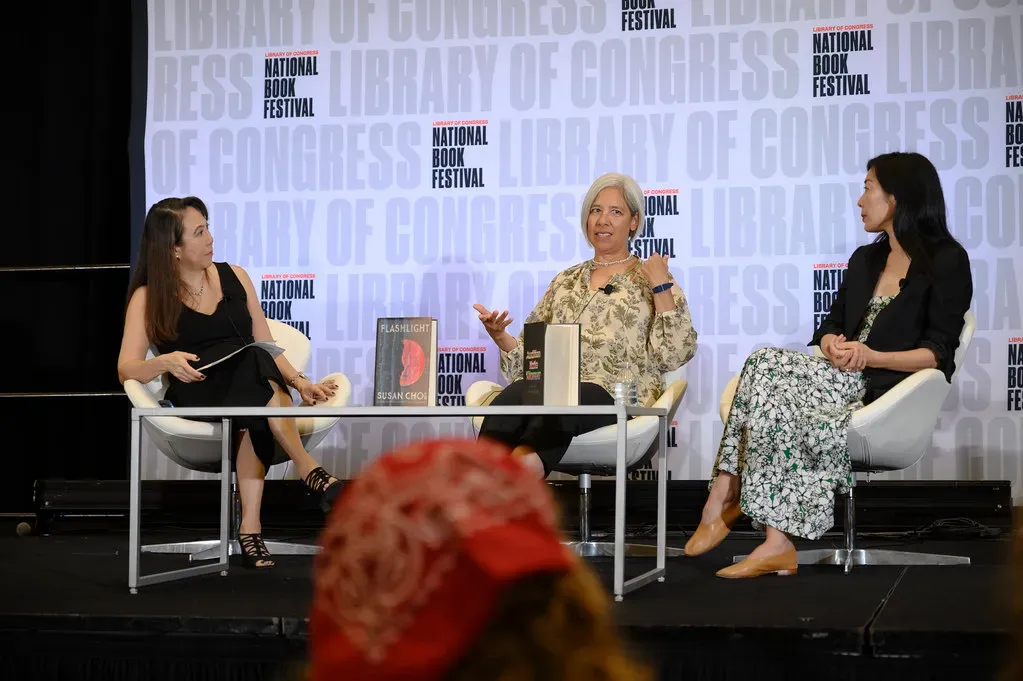
Susan Choi’s 2019 National Book Award winning novel is often discussed alongside linked story collections because of its fractured, multi-perspective structure, which retells the same events from wildly different angles across its three sections. The book follows students at a competitive performing arts high school, then jumps forward in time to reveal how memory and narrative authority shift depending on who is telling the story. Choi’s structure deliberately destabilizes the reader’s trust in the earlier sections, a technique that has drawn comparisons to how linked story collections use repetition and revision across separate pieces.
Because each section reads almost as a self contained narrative before undermining or reframing the one before it, Trust Exercise achieves an effect similar to a story collection built around a single, contested set of events. The novel won the National Book Award for Fiction in 2019, recognition that highlighted how unconventional its structure was compared to more traditional novels published that year. It is a useful example of how the line between linked collection and novel has become increasingly porous in contemporary fiction.
Taken together, these ten books show how flexible the short story form can be when writers choose to build connective tissue between individual pieces rather than treating each story as an isolated unit. Shared characters, recurring settings, consistent voice, and thematic repetition all serve as tools for creating novel-like cohesion without sacrificing the compression and focus that short fiction does best.
Partner offer
Planning a trip to Vegas?
Compare hotel rates and show tickets on VEGAS.com.