Hollywood burns bright and burns fast. Careers launch with thunderous debuts, then quietly fizzle within a decade. It happens so often that the industry almost treats it as natural law. Yet a small, distinct group of performers seems immune to that pattern. They work across five decades, six decades, sometimes more, collecting roles in ways that look almost effortless from the outside.
What separates them isn’t always obvious. It isn’t beauty, or even raw talent in the conventional sense. Their secret isn’t just talent or luck; it’s an unwavering dedication to their craft that has kept them relevant across technological revolutions and changing audience tastes. There is something quieter at work – something harder to name, but easy to recognize once you start looking for it.
The Numbers Tell a Sobering Story


Career longevity data reveals challenging realities despite industry growth. Most acting careers span only a single year, with the most productive year typically occurring early in an actor’s career. That statistic alone reframes everything. The industry isn’t just competitive; it’s structurally designed to churn through new faces.
The average career length for a film actor is 28.4 years, and roughly half of all actors had a film career of between 20 and 40 years. Those who reach four, five, or six decades are operating in rare statistical territory. They are not simply riding out time – they are actively defying a pattern that claims almost everyone else.
Adaptability Over Identity


The actors who last didn’t just stick around Hollywood – they evolved with it, adapting from silent films to talkies, from black-and-white to color, from studio systems to streaming services. That word, adapting, does a lot of heavy lifting. Clinging to a style or a persona that worked in one era is quietly fatal in this industry.
Anthony Hopkins, with a career spanning decades, continues to captivate audiences with roles in films like “The Father,” for which he won another Oscar. His dedication to his craft and ability to portray complex characters make him a true master. Hopkins didn’t become a different actor each decade – he deepened the one he already was, which turns out to be a very different thing.
The Willingness to Work Without Pride

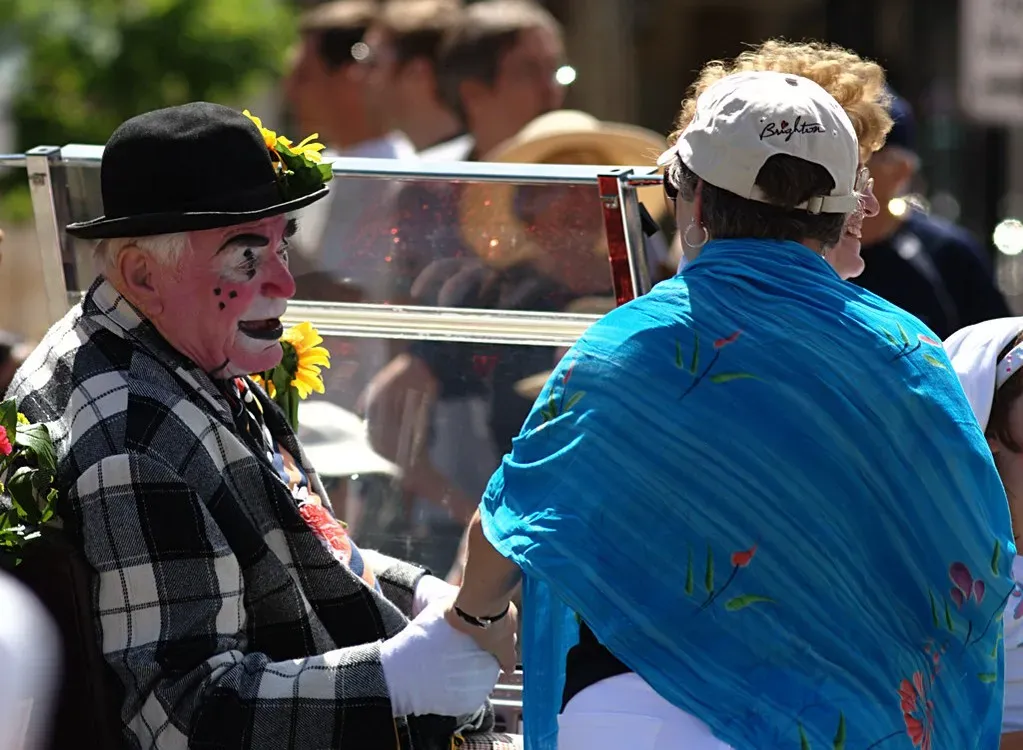
Ernest Borgnine’s attitude toward work explains a lot about his longevity. He was not precious about billing, screen time, or image, which made him unusually adaptable. That kind of ego-free relationship with the work is rarer than it sounds. Hollywood constantly rewards self-promotion, which makes it easy to confuse your image with your actual craft.
Borgnine continued appearing on screen deep into old age. His Emmy nomination came when he was in his nineties. Few actors remain active and award-recognized that late in life. The through-line was simple: he never decided the work was beneath him. That attitude kept doors open long after they had closed for contemporaries.
Consistent Work Beats the Occasional Splash


The data suggests that sustained activity and consistent work prove more predictive of long-term success than individual high-profile roles, emphasizing the importance of building steady professional momentum. A single blockbuster doesn’t buy a career. It buys attention, briefly. What sustains a career is the steady rhythm of showing up and doing the work over and over again.
James Hong is one of Hollywood’s most prolific actors, with over 600 credits and an active career since the 1950s. That kind of output is almost incomprehensible as a number, but it illustrates something important: longevity is often built credit by credit, project by project, without waiting for the perfect role to come along.
The Quiet Power of Reinvention

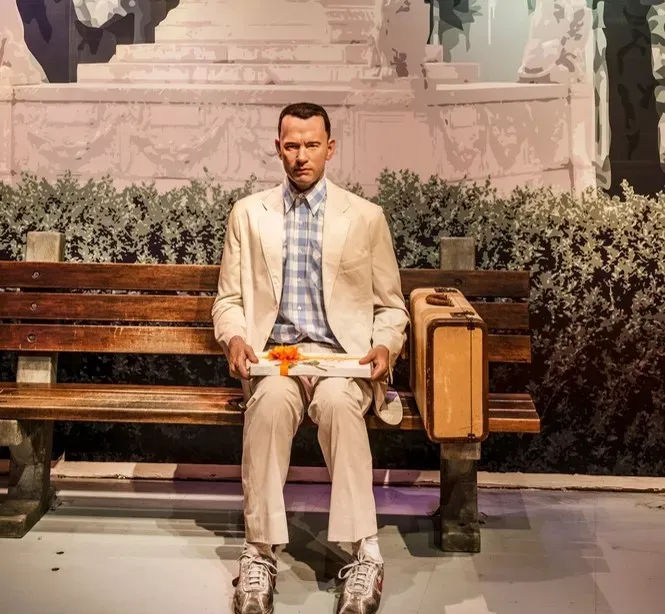
Tom Hanks has spoken openly about how he approaches his own career in distinct phases. Hanks is among the Hollywood elite known for having a remarkably prolific career spanning decades, and he shared an important aspect of his career strategy, explaining that roughly every five years he went through a process of reexamining where he was in life as a man as well as an actor. That kind of intentional self-evaluation separates the lifers from the flash-in-the-pan.
These performers proved that longevity in entertainment isn’t about clinging to past glory but about continuously reinventing yourself while staying true to what makes you unique. There’s a difference between reinvention as branding exercise and reinvention as genuine artistic evolution. Audiences can feel the difference, even if they can’t always articulate it.
Versatility as a Long-Term Strategy

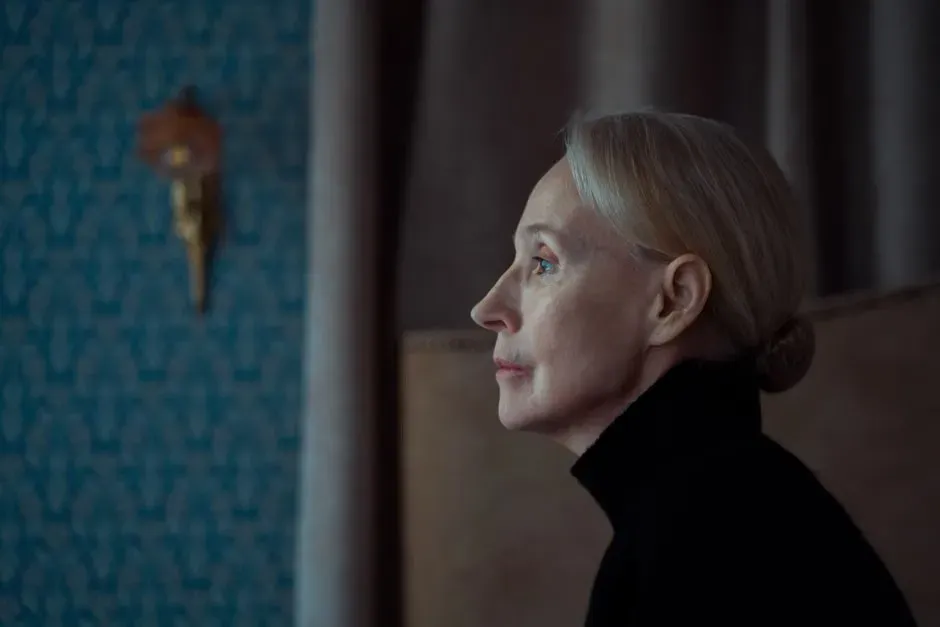
Meryl Streep is widely regarded as the greatest actress of her generation and is recognized as one of the most versatile performers in cinema, noted for her technical precision, command of dialects, and professional longevity. Her career is often cited as the gold standard precisely because she never locked herself into one genre, one tone, or one kind of story.
One of Streep’s defining qualities is that she has mastered the art of playing various genres to perfection, whether drama or comedy. The way she adapts so smoothly between various types of roles is a testament to her prowess as an actor. This kind of flexibility inspires other actors to try their hand at different kinds of roles, breaking the limits of their craft and widening their artistic horizon.
Discipline and Focus Over Flash
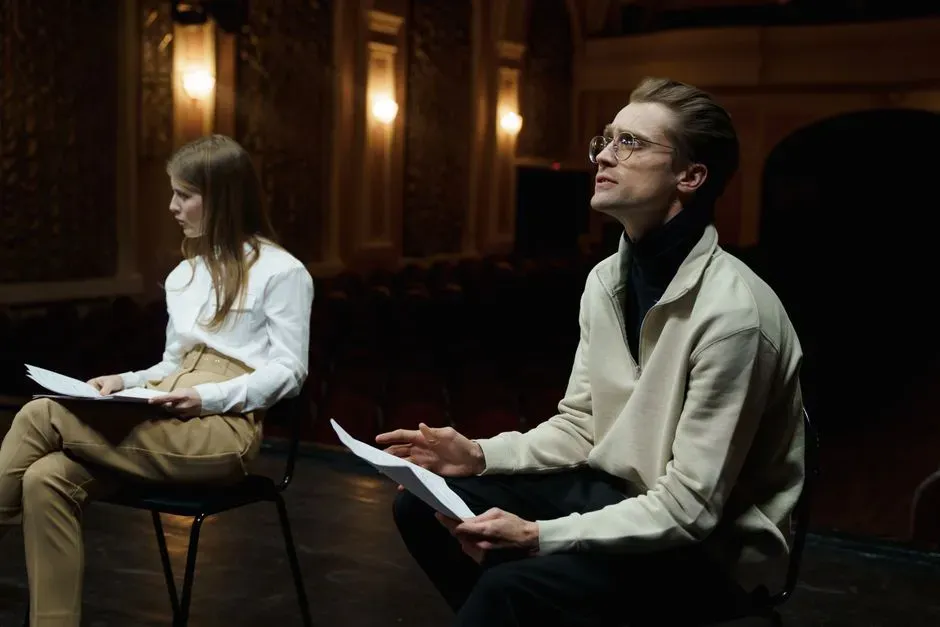
A good actor must have a deep sense of focus and discipline. Memorizing lines, staying in character, and giving consistent performances require mental clarity and dedication. Even someone who isn’t a “natural” actor can find that a disciplined approach to rehearsals, self-study, and continual improvement makes a significant difference in performance quality. The actors who last tend to understand this from early on.
Dustin Hoffman praised Meryl Streep as “extraordinarily hardworking,” adding that she thinks about nothing else but what she’s doing. Method actors work hard and have an incredible level of focus about their work. Streep is also well-regarded for her lack of ego. These two qualities together, relentless focus and the absence of ego, form a combination that turns out to be quietly devastating in its effectiveness.
A Foundation Built on the Stage
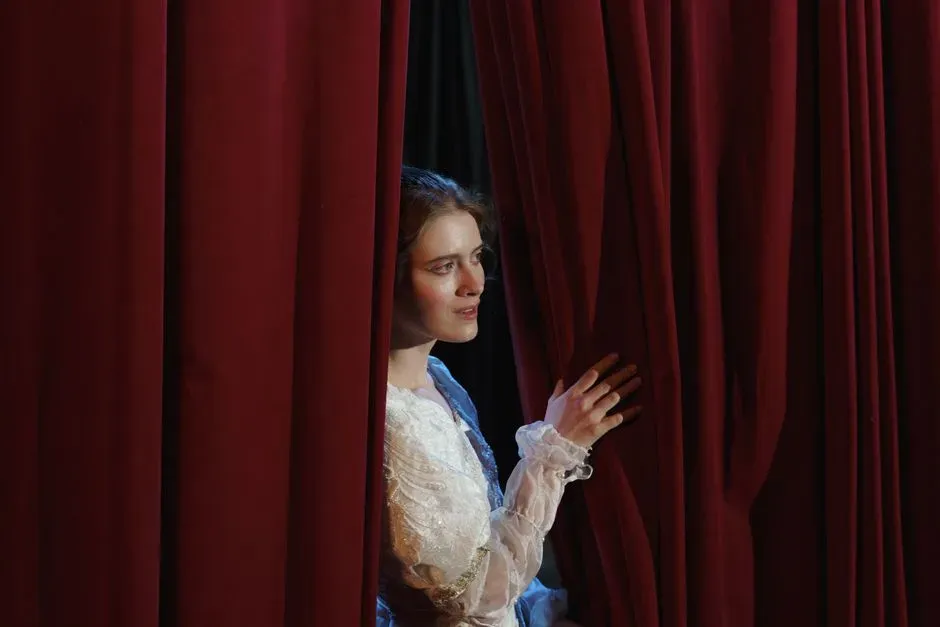
Most of the actors with the longest careers began under the strict studio system, where they were trained in dance, voice, and etiquette. This rigorous foundation, combined with a lifelong passion for their craft, seems to be the common thread in their longevity. The stage teaches things that film cannot replicate easily: presence, breath, control, and the ability to fail in real time and recover.
Angela Lansbury’s versatility was evident from her early film roles through to her iconic television work, and her time on Broadway, including “Sweeney Todd,” earned her multiple Tony Awards, showcasing her range and dedication to her craft. Stage training creates a kind of resilience that cameras eventually reward, because that resilience shows up as groundedness on screen.
Purpose and Psychological Groundedness


Research into actors and their perspectives on longevity has found four predominant themes suggestive of adaptation in actor perceptions about human aging and longevity. These themes included purpose seeking, creative curiosity, age-embodiment, and self-actualization. Actors who maintain a clear sense of why they do the work tend to keep doing it far longer than those chasing validation alone.
Being secure in the sense that you have “made it” can create confidence, which in turn can lead to more success. That psychological security isn’t something a single hit movie provides. It comes from a long, accumulated relationship with the craft itself – a quiet, private knowledge that the work has meaning regardless of the box office. The actors who last tend to have found that place early, and they don’t let the industry take it from them.