Motown has one of the most documented catalogs in popular music, and the label’s 45s still turn up in crates, attics and thrift store bins. The difference between a casual pile of oldies and a collection that actually represents the Detroit sound often comes down to a handful of records.
The nine singles below aren’t a ranking or a price guide. They’re a chronological checklist of releases that mark real turning points for the label, from its first big seller to its move into album length statements. Each pick is tied to chart facts you can check.
Shop Around by The Miracles

This 1960 single on the Tamla label was Motown’s first million seller. Smokey Robinson and Berry Gordy wrote it, and it gave the young company a financial footing it badly needed.
It reached number two on the Billboard Hot 100 in early 1961 and topped the R&B chart. Any shelf that claims to cover Motown should begin with the record that proved the Detroit operation could compete nationally.
Please Mr. Postman by The Marvelettes
Released on Tamla in 1961, this was the label’s first number one on the Billboard Hot 100. The Marvelettes were a group of young women from Inkster, Michigan, and the record showed Motown could win with girl group material.
The song has had a long life since. The Beatles recorded it in 1963, and The Carpenters took their version to number one in 1975, so the original is a doorway to a bigger story.
Where Did Our Love Go by The Supremes

The Supremes had struggled to land a big hit before this 1964 release on the Motown label. The song was written by the team of Holland, Dozier and Holland, and it gave the group their first Hot 100 number one.
It started a run of five consecutive chart toppers that also included Baby Love, Come See About Me, Stop! In the Name of Love and Back in My Arms Again. One copy here effectively opens the door to the most commercially successful stretch in the group’s history.
Dancing in the Street by Martha and the Vandellas

This 1964 single came out on the Gordy label and peaked at number two on the Hot 100. Marvin Gaye, William Mickey Stevenson and Ivy Jo Hunter shared the writing credit.
Its driving beat and big horn sound made it one of Motown’s most recognizable records. It also shows how the label’s output wasn’t limited to smooth ballads.
My Girl by The Temptations

Smokey Robinson and Ronald White wrote this one, and David Ruffin sang lead. It was released at the end of 1964 and climbed to number one on the Hot 100 in March 1965.
It became the signature song of The Temptations, and the opening bass line is among the most recognizable in pop. For a collection focused on the vocal group tradition at Motown, this single is close to essential.
I Heard It Through the Grapevine by Marvin Gaye

Norman Whitfield and Barrett Strong wrote the song, and several Motown acts recorded it. Gladys Knight and the Pips released a hit version in 1967, but Marvin Gaye’s recording, issued in late 1968, went further.
It spent seven weeks at number one on the Hot 100 and became the best selling Motown single up to that point. Having both versions together makes for a useful comparison of how one song can change in different hands.
I Want You Back by The Jackson 5
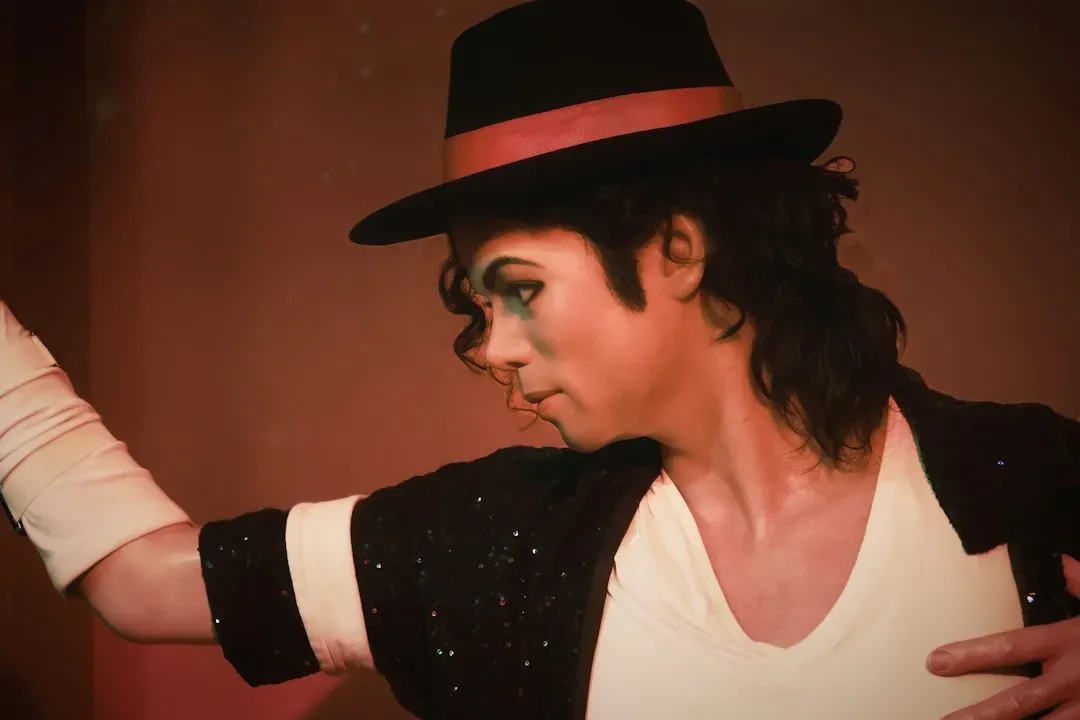
The group’s debut Motown single arrived in late 1969 and reached number one on the Hot 100 in early 1970. A production team known as The Corporation wrote it, with a young Michael Jackson singing lead.
It opened a new chapter for the label, which was by then marketing to a younger audience. Following it came three more consecutive number ones for the family group.
What’s Going On by Marvin Gaye

Released on Tamla in early 1971, this single reflected a shift in tone, taking on social concerns instead of romance. It peaked at number two on the Hot 100 and reached the top of the R&B chart.
The record signaled the artist’s push for creative control at a label known for a tightly managed formula. Its parent album is a landmark too, but the 45 is the easiest way to own the moment.
Superstition by Stevie Wonder
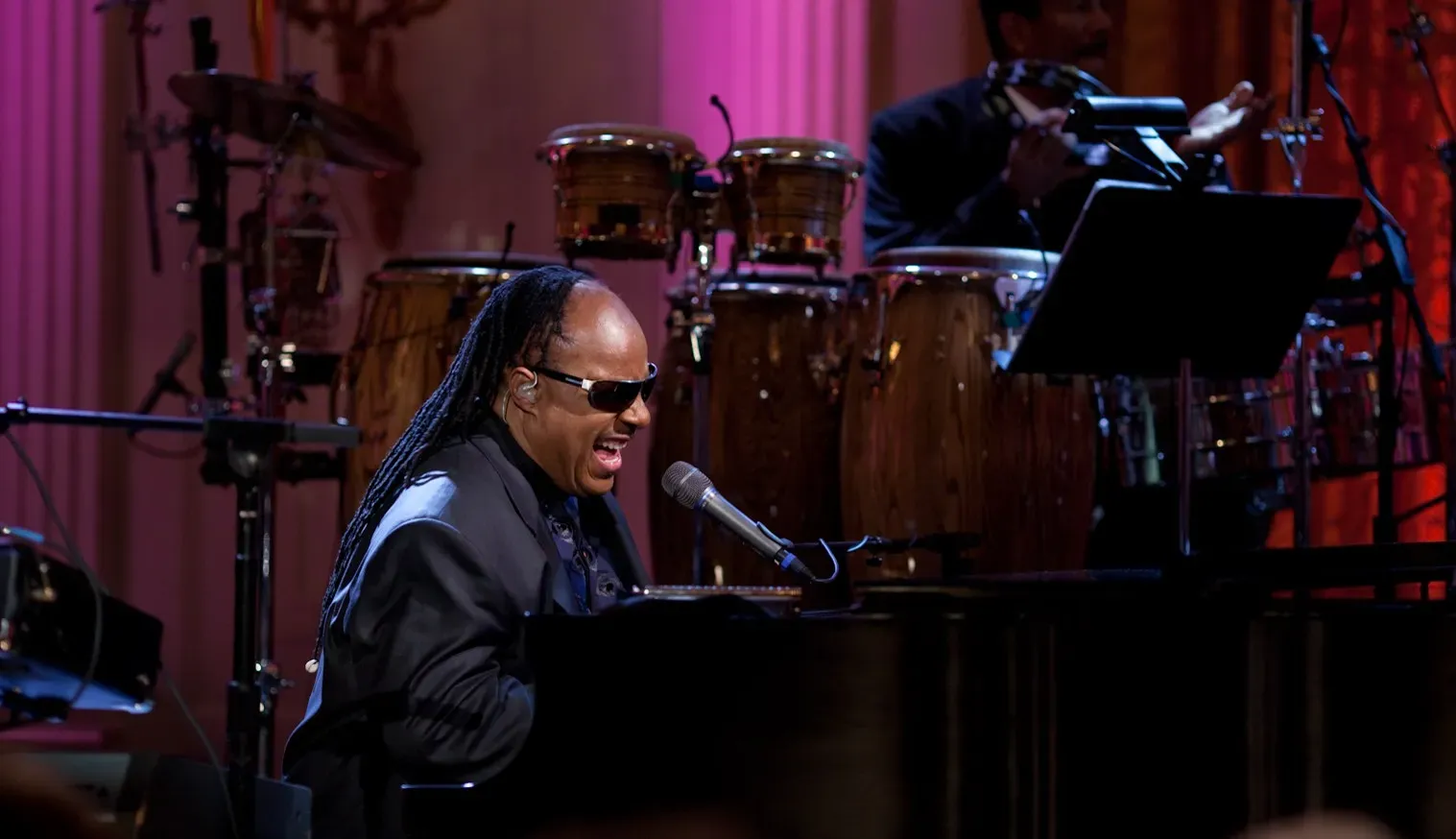
This 1972 Tamla release showcased Stevie Wonder’s funk side, built on a clavinet riff he performed himself. It reached number one on the Hot 100 in January 1973.
The single is a good marker for how Motown evolved in the early seventies, when its biggest artists were writing and producing with more independence. It rounds out a list that spans the label’s first hit to its most artist driven period.
Where the Checklist Ends
These nine singles run from Shop Around in 1960 to Superstition in 1972, covering the label’s launch, its girl group era and its vocal group peak. They also take in the rise of the Jackson 5 and the creative independence of Marvin Gaye and Stevie Wonder.
A collection holding all nine already reflects the main phases of Motown’s first dozen years, and every one of them reached the upper tier of the Billboard Hot 100.