
Christmas morning in the 1980s had a particular sound. Wrapping paper tore, batteries got hunted down in kitchen drawers, and somebody always asked why the instructions were so long. The toys that came out of those boxes tended to be loud, plastic, and wildly in demand.
Plenty of them are still around in some form, which says something about how well they were designed. Here are eight that defined the decade, starting with one that turned a doll into a nationwide scramble.
Cabbage Patch Kids
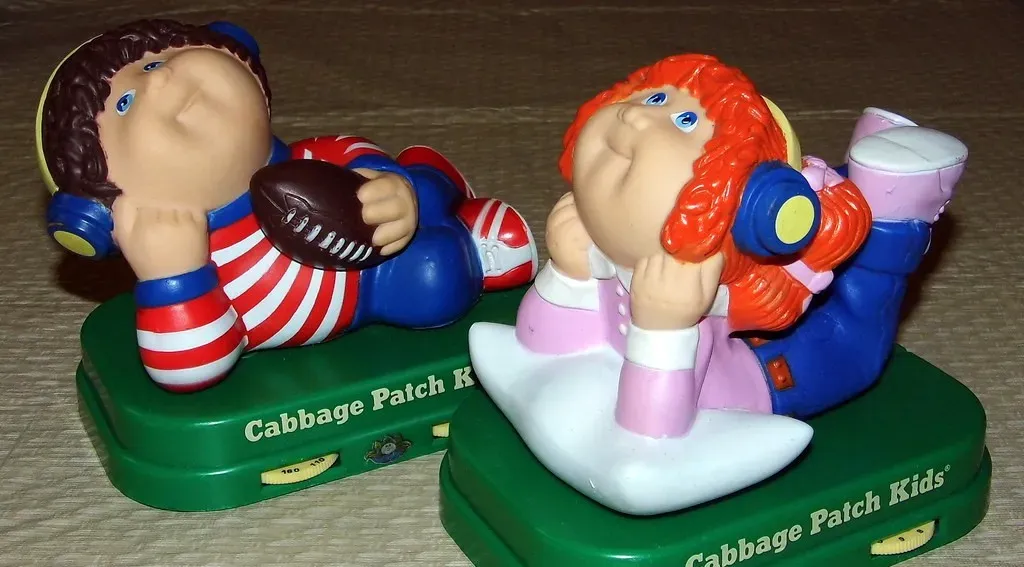
Coleco launched these soft sculpted dolls in 1983, and the demand caught stores off guard. Each doll came with a name and adoption papers, so a child wasn’t just getting a toy but a one of a kind “baby.” The idea traced back to Xavier Roberts and his Babyland General Hospital in Georgia.
That holiday season produced scenes of crowded aisles and shortages that made national news. Parents hunted for dolls wherever they could find them. Few toys before it had stirred that kind of frenzy.
Rubik’s Cube

Ernő Rubik invented the cube in Hungary in the 1970s, but it hit the worldwide market around 1980. By the middle of the decade it was everywhere, from school desks to living room coffee tables. Sales are commonly estimated in the hundreds of millions of cubes over the years.
Part of the appeal was that nobody could fake skill. You either solved it or you didn’t. Books of solution guides sold briskly, and kids who cracked it earned real bragging rights.
Transformers
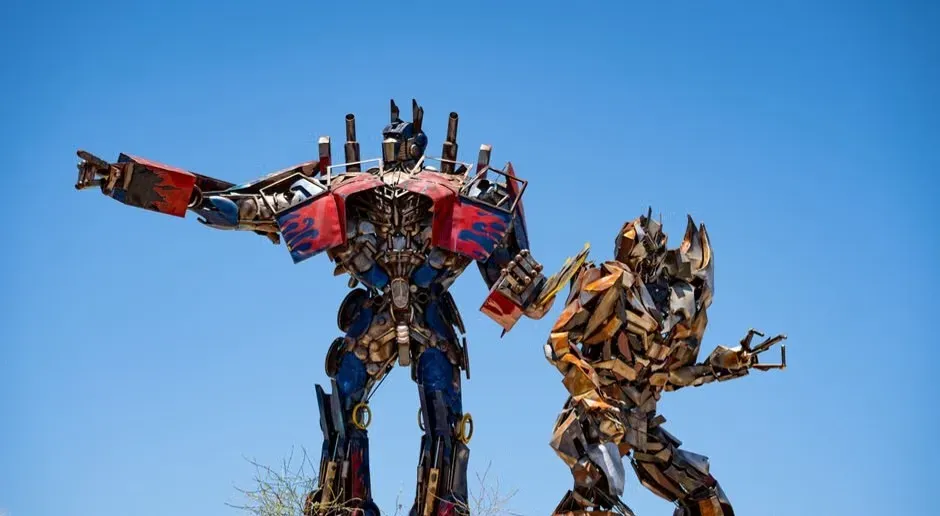
Hasbro introduced Transformers in the US in 1984, paired with a cartoon and comics. The figures themselves came from Japanese toy lines by Takara, which Hasbro licensed and reworked with a new story about Autobots and Decepticons. A truck that became a robot felt like a small piece of engineering magic.
Optimus Prime and Megatron became household names among children. The franchise has kept going ever since, with films and new toy lines continuing into the 2020s. Original 1980s figures in good condition still draw serious attention from collectors.
Teddy Ruxpin
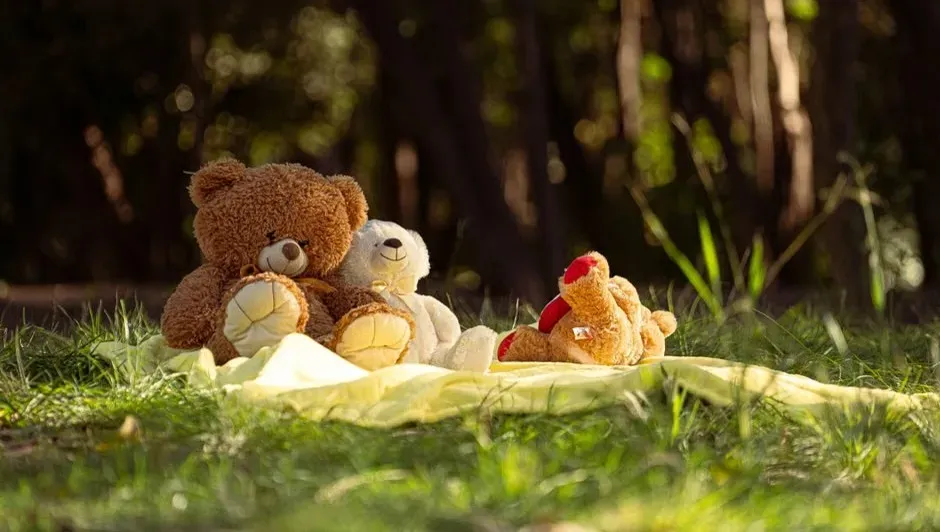
Worlds of Wonder released this talking bear in 1985. It played cassette tapes hidden in its back, and its mouth and eyes moved in sync with the story. For a child at the time, it felt remarkably close to a living character.
The price was high compared with a typical stuffed animal, yet it sold strongly. Extra tapes and book packs gave families reasons to keep buying. It’s an early example of a toy built around a media library, a model that’s now completely normal.
Nintendo Entertainment System
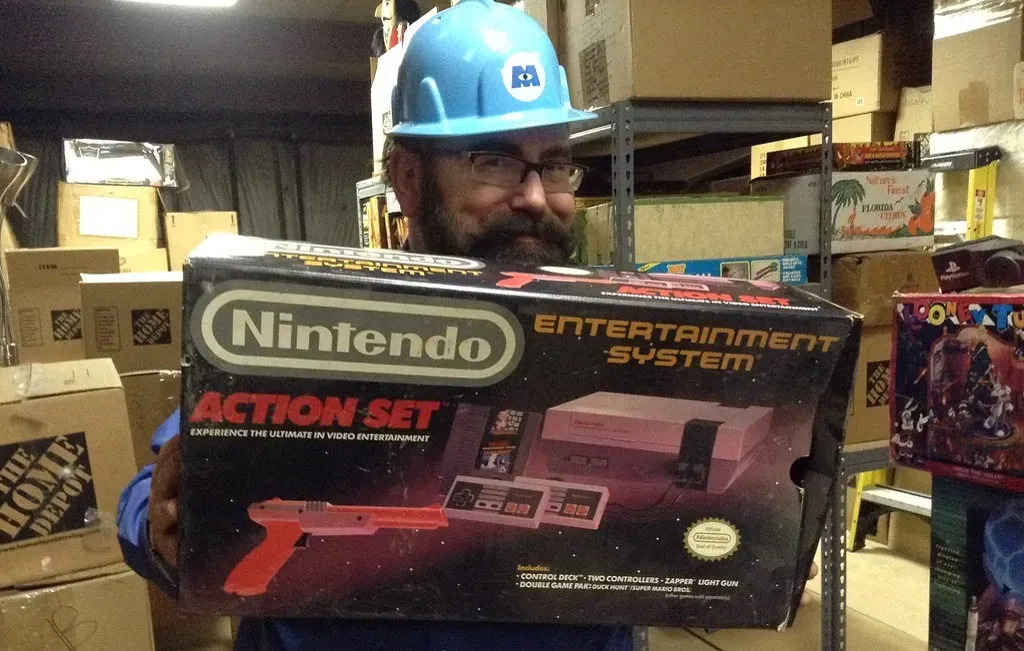
Nintendo began a limited US rollout in New York in 1985, then expanded across the country in 1986. The console arrived after a rough stretch for the American video game market, and it helped rebuild interest. Games like Super Mario Bros. and The Legend of Zelda became reasons to beg for the gray box.
The package often included a light gun and a toy robot accessory called R.O.B., which helped it look like a toy rather than a computer. By the end of the decade, it had settled into millions of living rooms. Many people still remember the blow on the cartridge ritual.
Care Bears
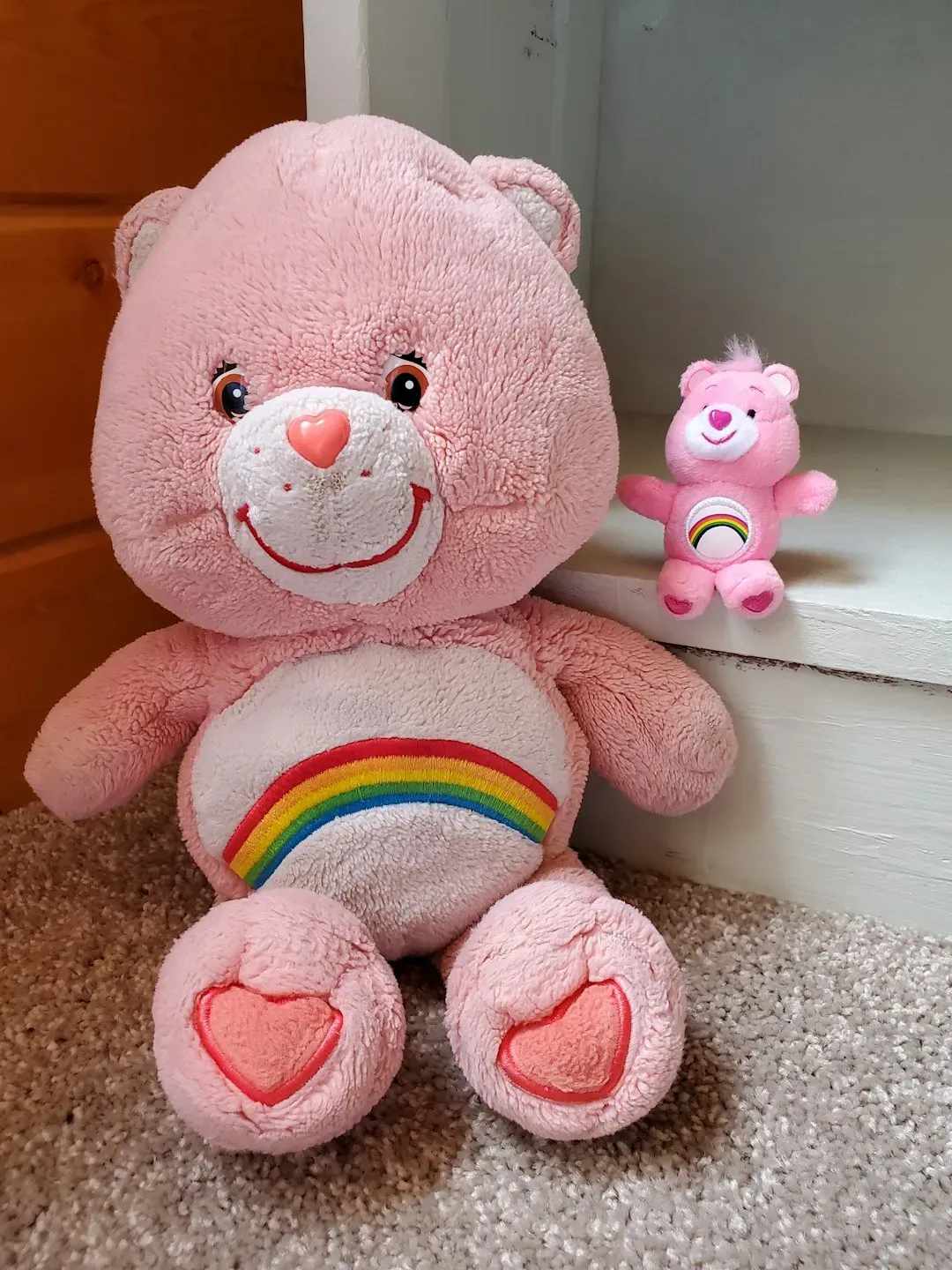
The characters began as greeting card art from American Greetings in the early 1980s. Kenner turned them into plush toys in 1983, and the bears came with tummy symbols that showed their personalities. Cheer Bear, Grumpy Bear, and Funshine Bear became instantly recognizable.
Television specials, a cartoon series, and movies followed, which spread the brand quickly. The bears gave children a softer, gentler alternative to the action figure aisle. Revivals over the following decades show how long the appeal lasted.
Star Wars Action Figures
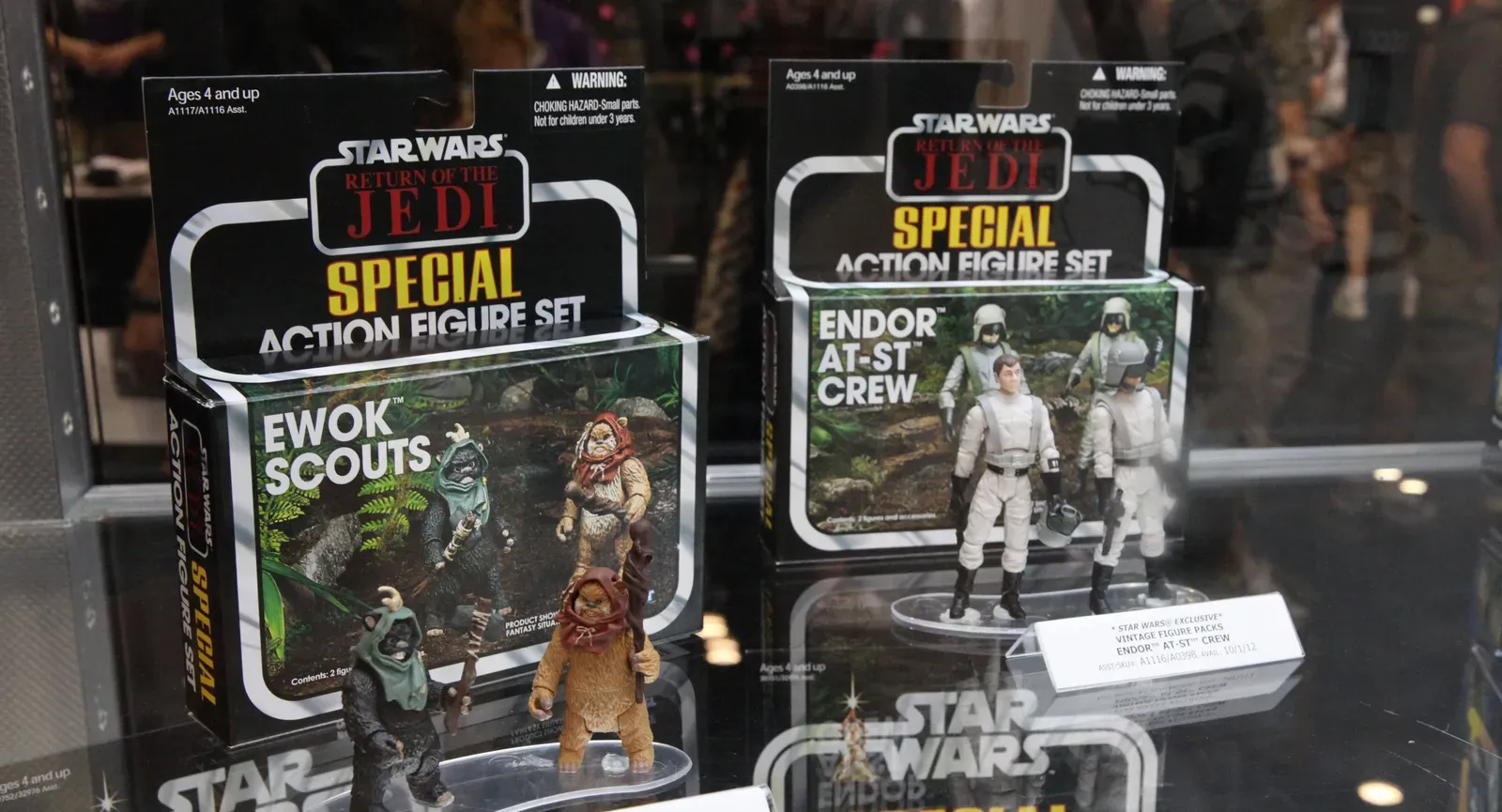
Kenner started selling these small three and three quarter inch figures in 1978, and they kept coming through the 1980s as Return of the Jedi arrived in 1983. Their small size made it easy to collect dozens of characters, vehicles, and playsets. A Millennium Falcon or an AT-AT walker was a prized gift.
The line ended in the mid 1980s, but the figures remained in toy boxes for years. Today, carded originals can fetch high prices at auction. The standard size Kenner set for these figures shaped action toy design for decades.
Atari 2600
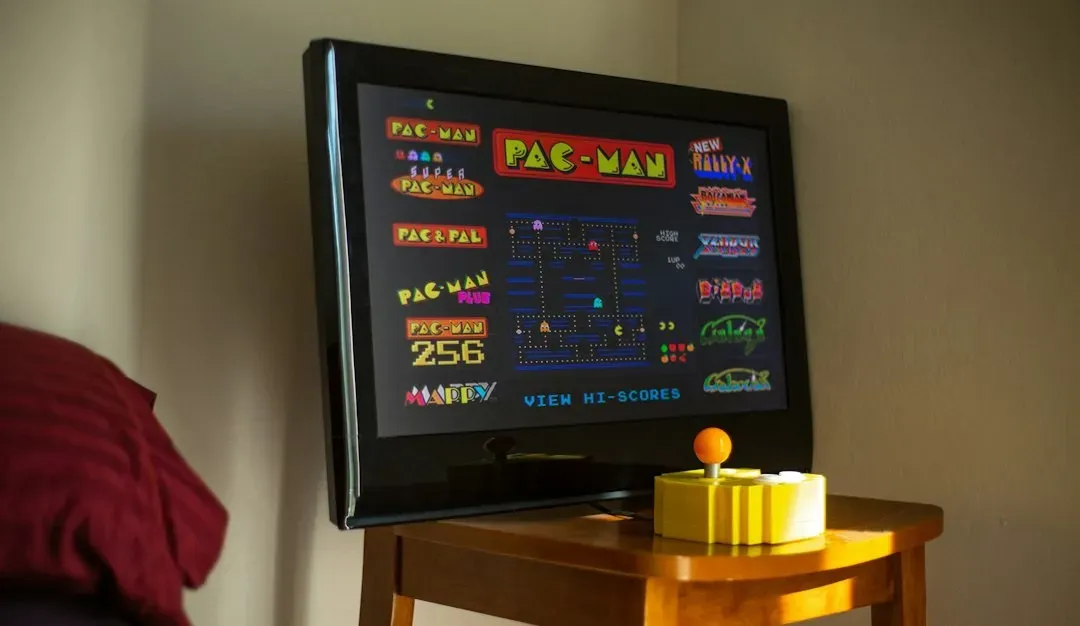
The Atari 2600 first appeared in 1977, though its biggest popularity came in the early 1980s. Titles like Pac Man, Space Invaders, and Pitfall filled many wood grain consoles under trees. Cartridges meant a child could swap games without needing a new machine.
It also taught families that video games could be a mainstream holiday gift. The industry hit a sharp downturn in 1983, which opened the door for Nintendo soon after. Plenty of kids who unwrapped one still remember that joystick with its single red button.
The Takeaway
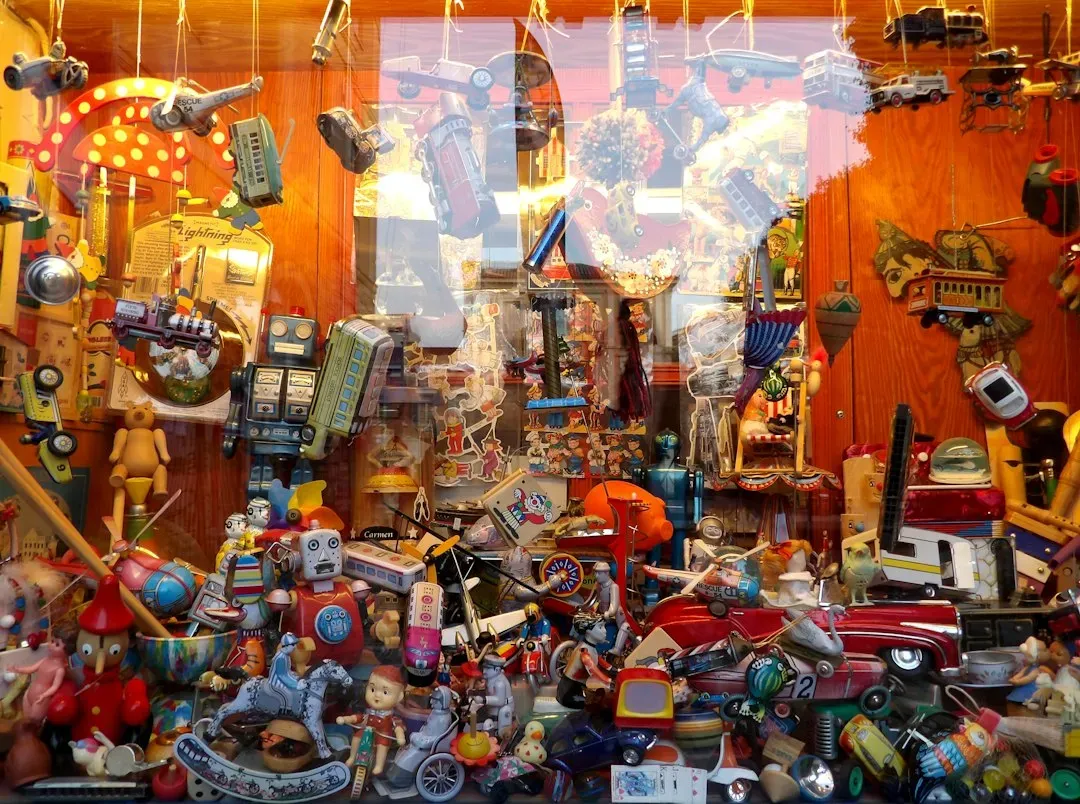
Dolls with adoption papers, a mechanical puzzle, robots that changed shape, a talking bear, and consoles that plugged into the family TV all made the 1980s a distinct era for toys. Many of them now have a second life through reboots, reissues, and collector markets. If you remember several of these from your own Christmas mornings, you grew up right in the middle of it.