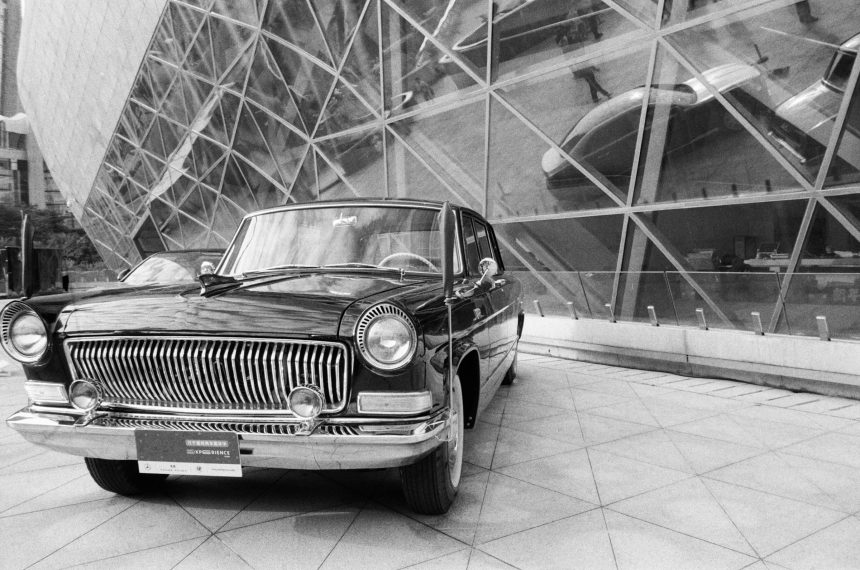
Climb into a car built in 1975 and you’ll notice how much of it feels like another world. The dashboards were thick with fake wood, the ashtrays were standard, and the engine bay was mostly a puzzle of vacuum hoses. Plenty of what was normal then has quietly disappeared.
Some of these features faded because of safety rules, others because technology simply got better. A few went away because buyers stopped caring. Here are eight that have largely left showrooms.
Carburetors
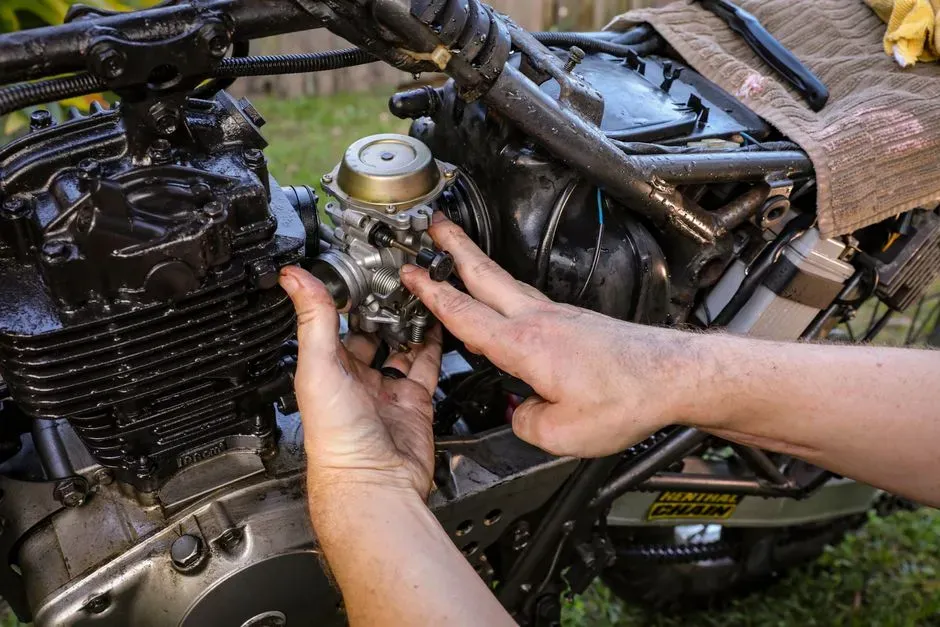
In the 1970s, nearly every gasoline engine mixed air and fuel through a carburetor. It was a mechanical device that relied on air pressure and small jets to meter fuel. When it worked, it was simple and cheap, but it was sensitive to altitude, temperature and wear.
Electronic fuel injection took over through the 1980s and 1990s, mainly because tightening emissions rules demanded more precise control. Today new gasoline cars in the United States use fuel injection, and carburetors survive mostly on classic cars, small engines and some racing applications.
Bench Seats and Column Shifters
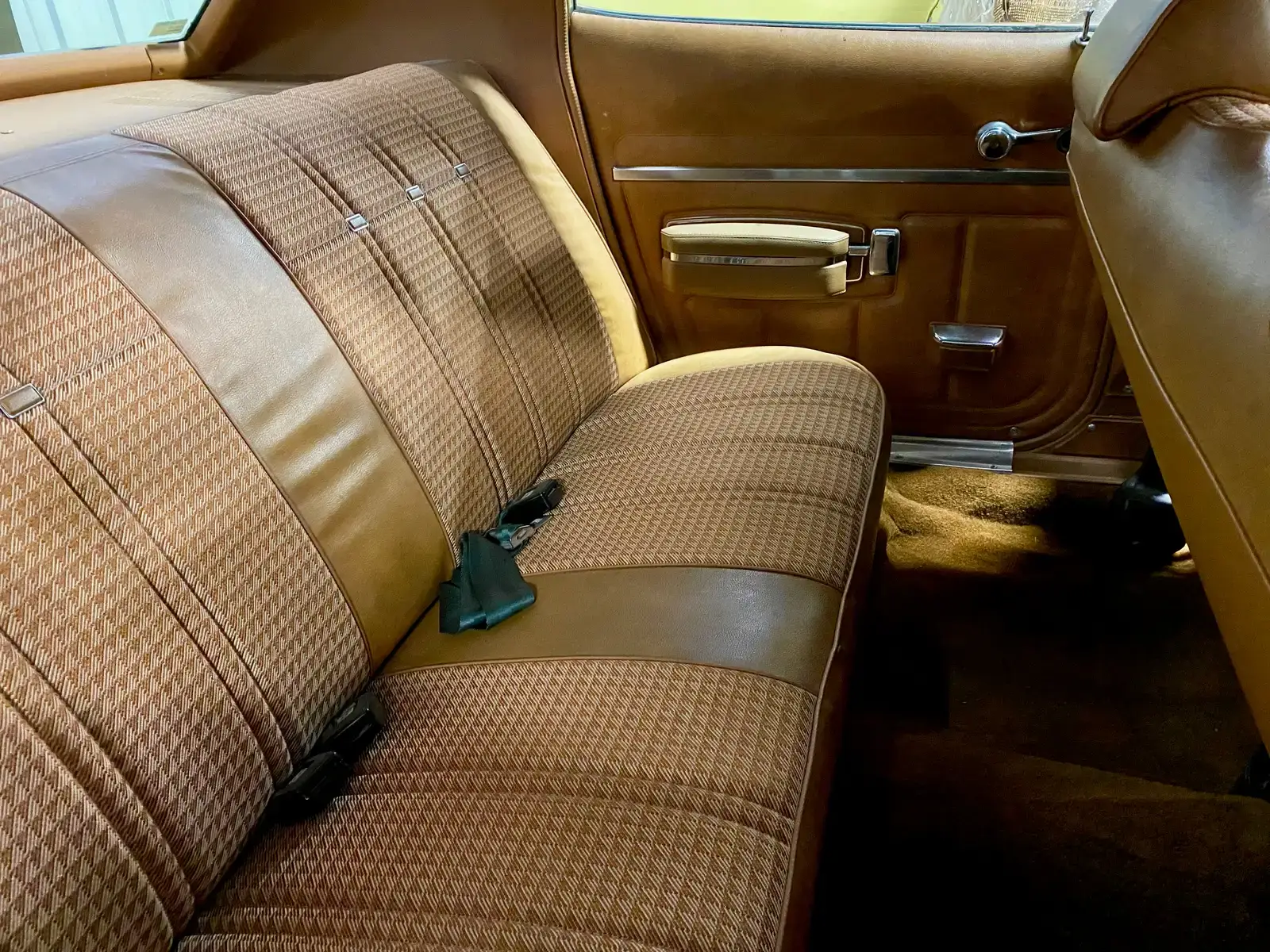
A front bench seat could carry three adults across the cabin, and a shifter on the steering column kept the floor clear. American sedans and pickups leaned on this layout for decades. It made sense when cars were wide and families were large.
Bucket seats, center consoles and floor mounted controls gradually pushed it aside. Modern cabins also hold airbags, cupholders and screens in the middle, and many cars now use electronic shift dials or buttons instead of a column lever. A few full size trucks have kept a front bench as an option, but it is now rare.
Cigarette Lighters and Built In Ashtrays
Smoking was common enough in the 1970s that ashtrays came in the doors, the dash and sometimes the rear seats. A pop out coil lighter was standard equipment. Nobody considered it unusual.
As smoking rates dropped, automakers began treating the ashtray and lighter as options and then dropped them. The round socket often remains, though it is now commonly labeled as a power outlet for phone chargers. Many new vehicles skip even that in favor of USB ports.
Metal Bumpers and Chrome Trim
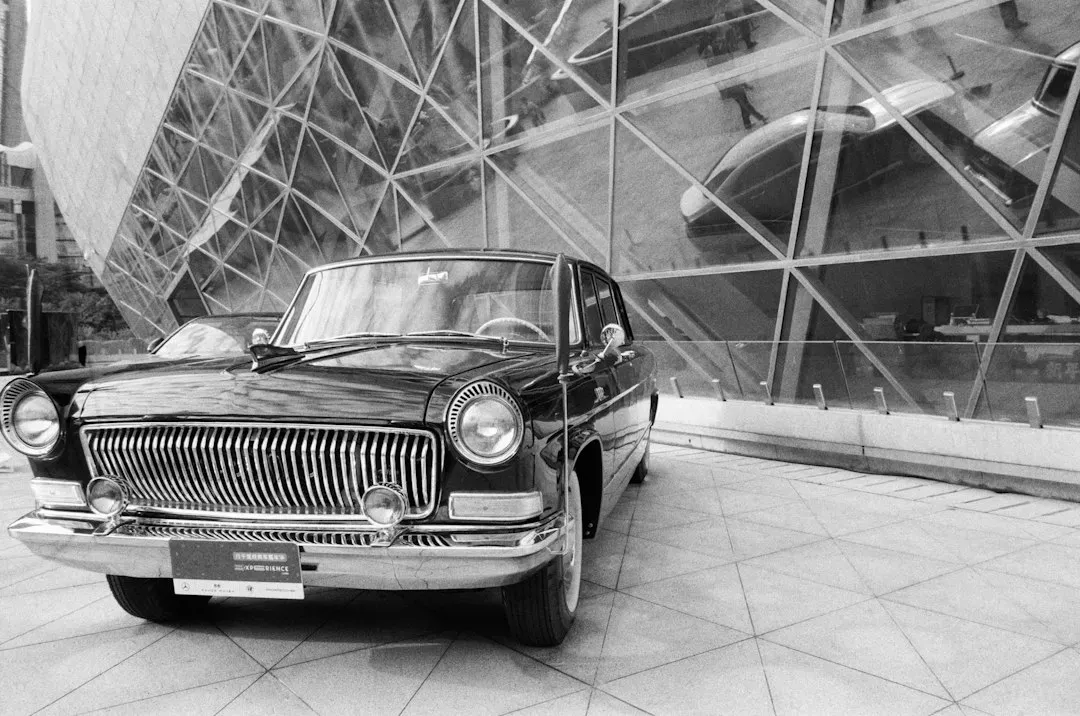
Chrome bumpers were big, shiny and, by the early 1970s, increasingly regulated. U.S. rules for low speed impact protection pushed automakers toward the heavy, protruding five mile per hour bumpers that appeared on mid decade models. Those were not especially pretty, and many designers disliked them.
Later cars switched to painted plastic bumper covers over energy absorbing foam, which were lighter and easier to shape. Pedestrian protection rules and aerodynamics have reinforced the change. Chrome now tends to be a trim accent rather than structural hardware.
Manual Choke Knobs
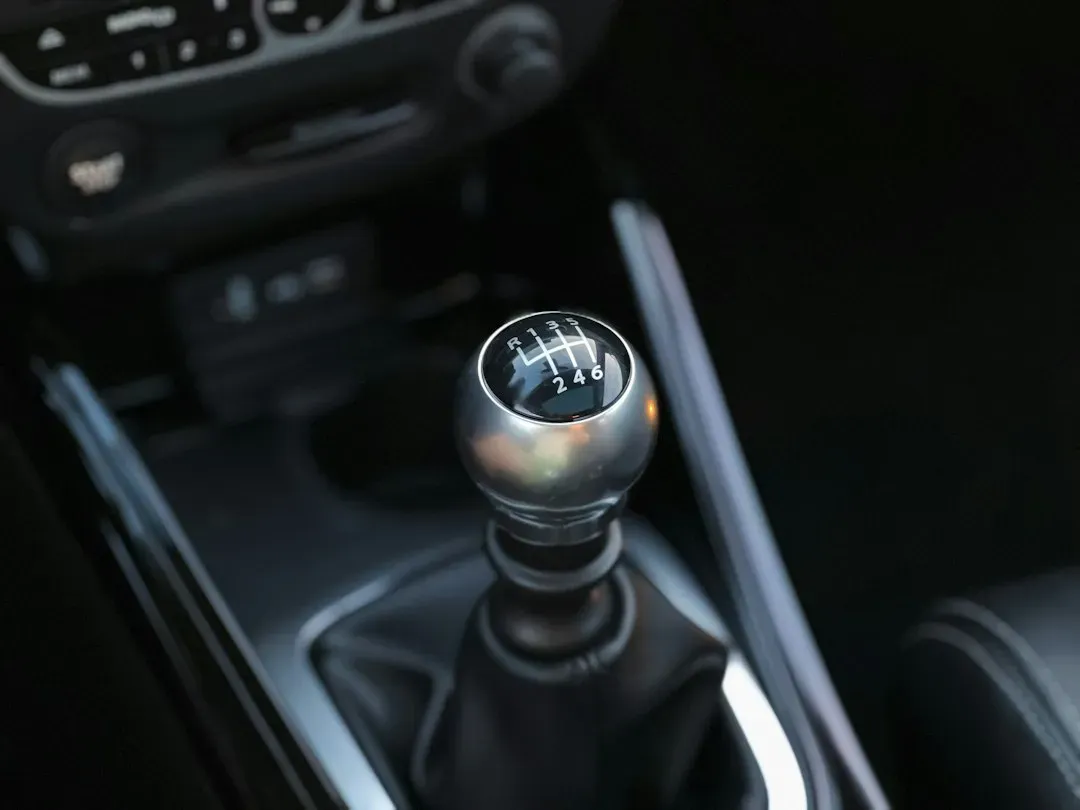
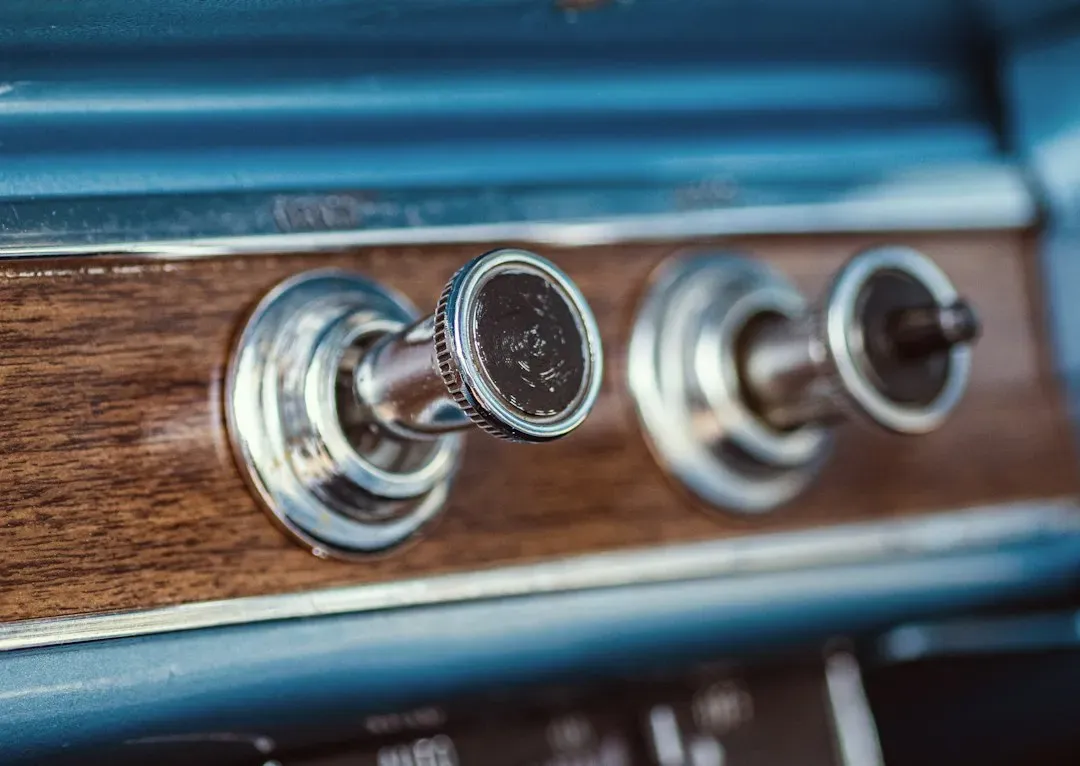
Because carburetors needed help starting cold, many cars had a choke knob on the dash. You pulled it out, started the engine, and pushed it back in as things warmed up. Forget it and the engine would run rough and waste fuel.
Automatic chokes became common during the decade, and fuel injection later removed the need entirely. Modern engine computers read sensors and adjust the mixture on their own. For most drivers, cold starts are now a nonevent.
Hand Crank Windows and Manual Door Locks

Rolling a window up and down meant turning a crank, and locking a door meant reaching over to pull a post or push a button. Power windows existed in the 1970s but were mostly a luxury item. Plenty of mainstream cars did without.
Today power windows and central locking are close to universal on new passenger vehicles. Key fobs and proximity systems have also replaced the metal key turn for many drivers. Hand cranks linger only on a few very basic work vehicles in some markets.
AM Radios and Eight Track Players
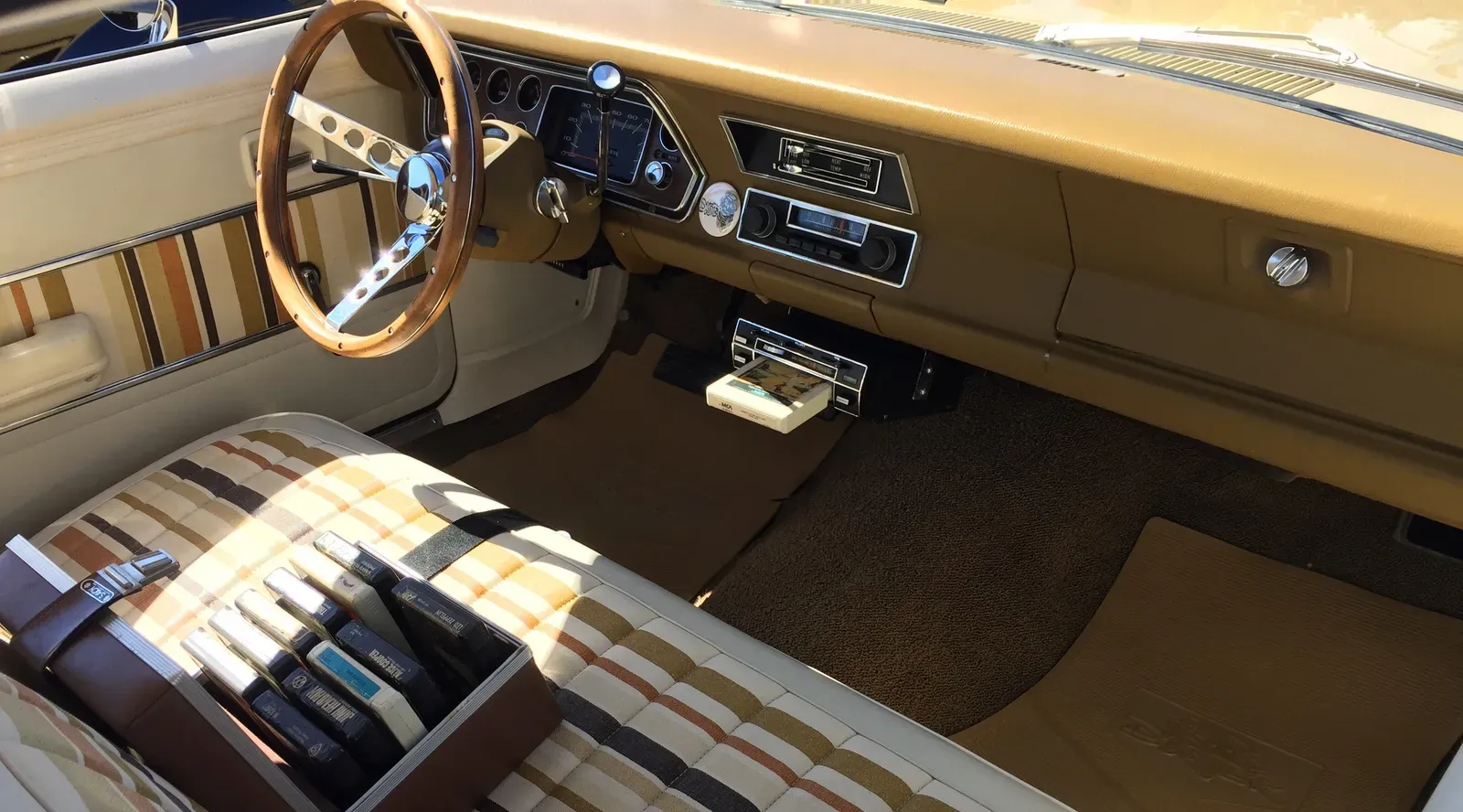
Car audio in the 1970s was a mix of AM radio, the first FM units and the eight track tape. The eight track was popular because it let drivers play albums in a car without handling records. The cartridges were bulky and the sound quality was uneven.
Cassettes replaced them, followed by CDs, then Bluetooth and smartphone integration. Newer cars rely on touchscreens, streaming and wireless connection. AM radio itself has become a debated feature, and some automakers have removed it from electric models because of electrical interference, which prompted legislative efforts in the United States to require it.
Leaded Gasoline Engines
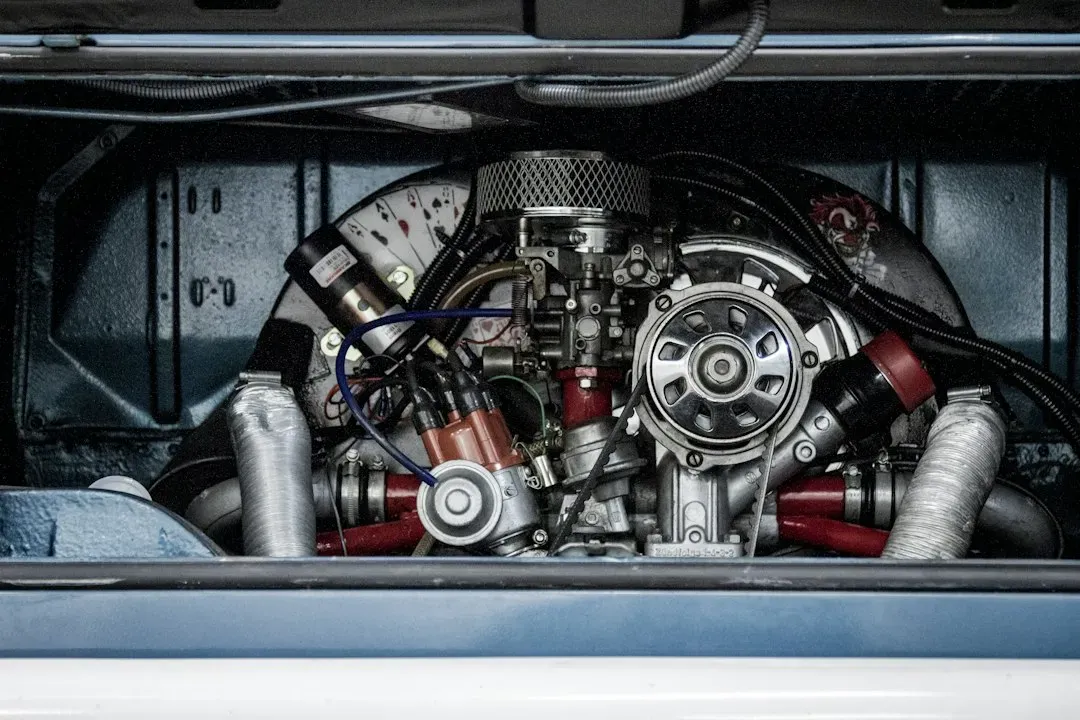
Engines of the era were designed to run on leaded gasoline, because lead compounds raised octane and protected soft valve seats. Catalytic converters arrived in 1975 models in the United States, and they required unleaded fuel. That change marked the beginning of the end for leaded gas in road cars.
The U.S. phased out leaded gasoline for on road vehicles by 1996. Globally, the United Nations Environment Programme announced in 2021 that leaded petrol had been eliminated worldwide. Aviation fuel for some piston aircraft is the notable remaining exception, and classic car owners now use additives or modified engines.
Together these changes show how much safety law, emissions rules and electronics reshaped what drivers expect from a car. What once defined a 1970s ride is now a curiosity at a car show.