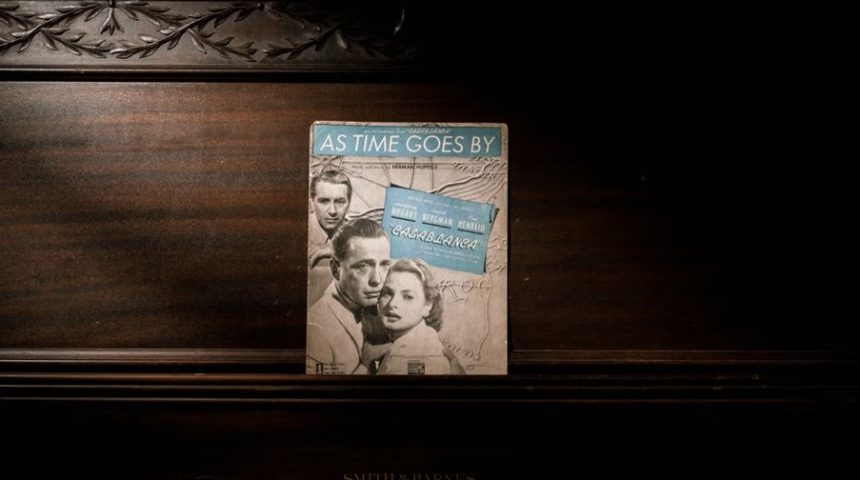
Ask ten people to recite a famous line from a classic film, and a few of them will get it slightly wrong. The mistake is usually small, a swapped pronoun or a missing word. Still, it often sticks, because the altered version feels smoother or because parodies kept repeating it.
Below are eight lines that people routinely misquote. For each one, you’ll see what the character really says in the film and a likely reason the wrong version took hold.
Star Wars: The Empire Strikes Back and the Vader Reveal
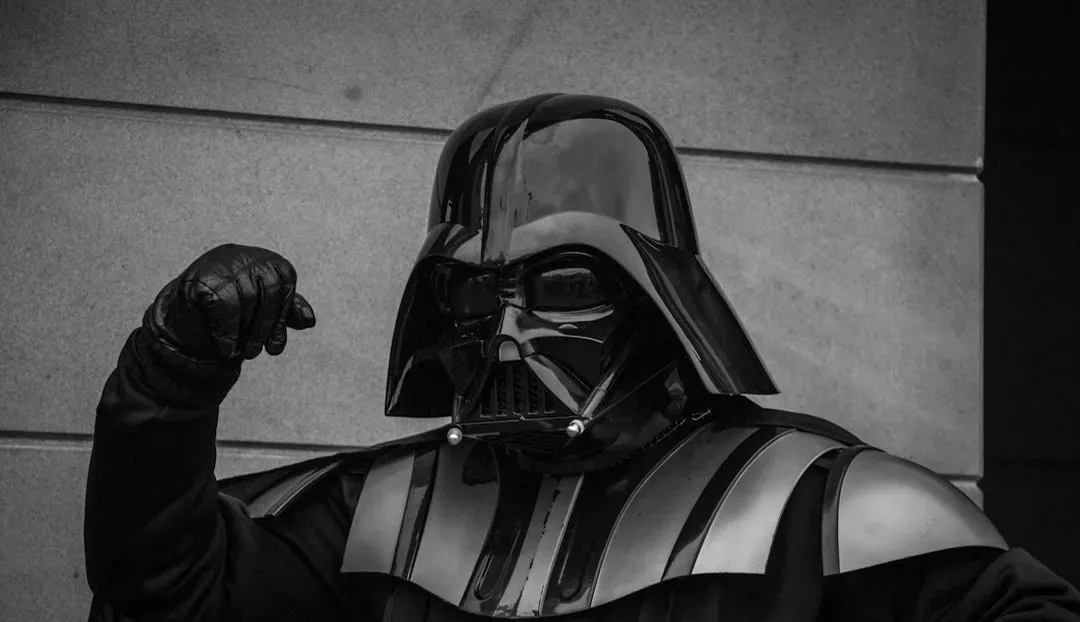
Most people remember the line as “Luke, I am your father.” In the 1980 film, Darth Vader actually says “No, I am your father.” He never uses Luke’s name in that moment.
The longer version probably spread through parodies and impressions, which often add the name for clarity. It also scans more neatly as a dramatic statement. The real line works because it answers Luke’s accusation directly.
Casablanca and the Piano Request
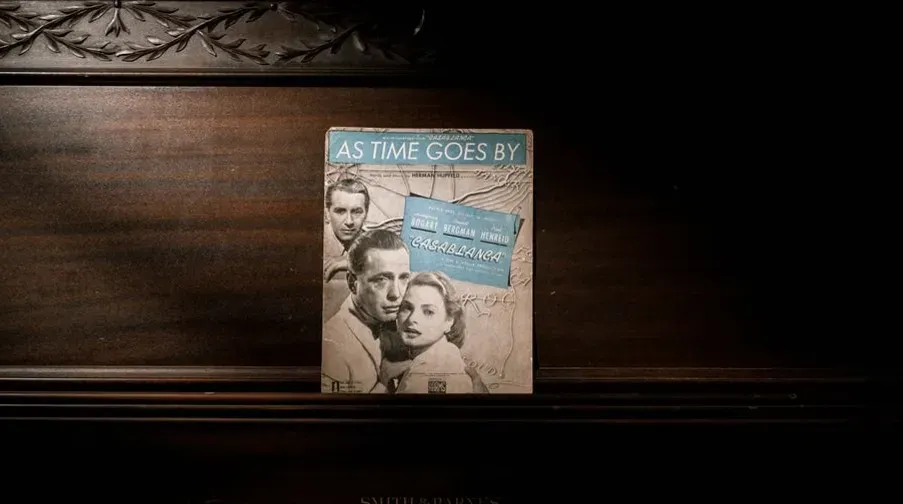
“Play it again, Sam” is one of the most quoted lines in film history, yet it isn’t spoken in the 1942 movie. Ilsa asks Sam to play “As Time Goes By” with wording closer to “Play it, Sam.” Rick later tells him to play it as well, again without the word “again.”
The phrase gained huge traction when Woody Allen used it as the title of his 1972 comedy, Play It Again, Sam. After that, the altered wording became the popular shorthand for the scene. Casablanca itself never says it.
The Silence of the Lambs and the Greeting
Many people quote Hannibal Lecter as saying “Hello, Clarice.” In the 1991 film, Anthony Hopkins greets Clarice Starling with “Good evening, Clarice.” It’s a formal, almost courtly phrase, which suits the character.
The simpler “hello” is easy to imagine in a menacing whisper, so it has stuck in impressions. The original is more polished and a little eerier. That politeness is part of why the scene is so unsettling.
Snow White and the Magic Mirror

The Evil Queen’s famous chant is usually remembered as “Mirror, mirror on the wall.” In Disney’s 1937 animated film, she addresses the mirror as “Magic mirror on the wall.” The rhyming version is a fairy tale echo that people absorbed over time.
Later retellings, parodies, and the simple rhythm of repeated words made “mirror, mirror” the default. The Disney film opens the exchange with the word magic. It’s a small swap that shows how a catchy phrase can quietly replace the original.
Apollo 13 and the Problem in Space
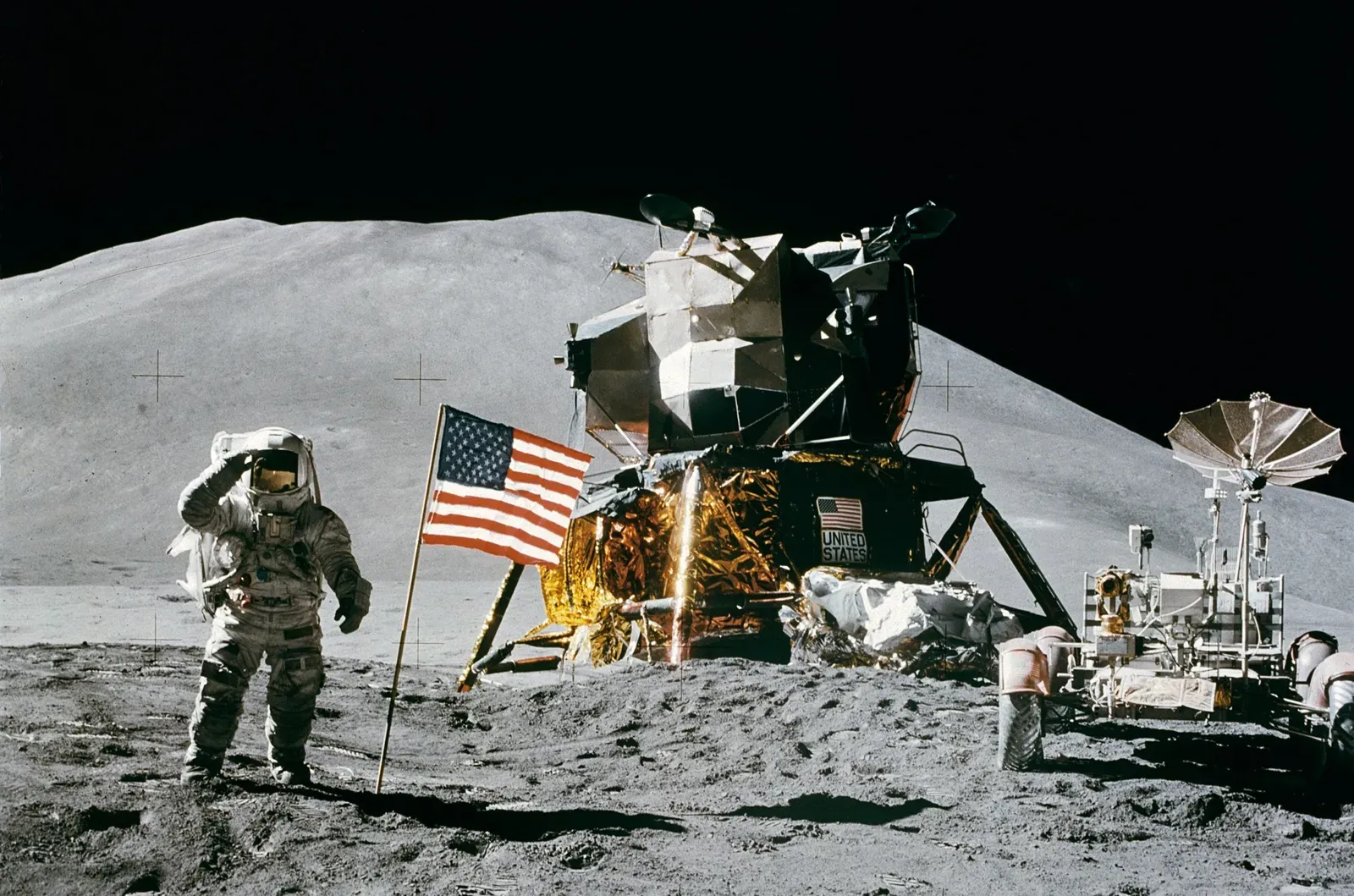
The common version is “Houston, we have a problem.” In the 1995 film, Tom Hanks, playing astronaut Jim Lovell, says “Houston, we’ve had a problem.” The past tense matches how the real crew reported the trouble during the 1970 mission.
The present tense sounds more urgent, which is probably why people prefer it. The film’s wording follows the real radio exchange more closely. Even the real call used the past tense, so the popular phrasing is a tidy rewrite of history.
The Wizard of Oz and Kansas
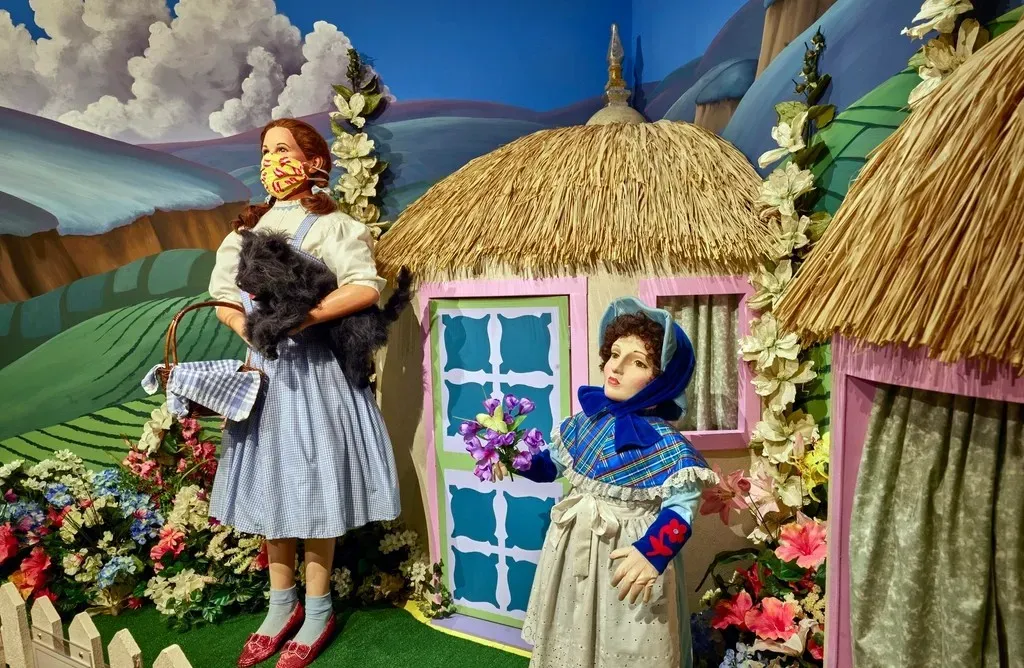
People often say “Toto, I don’t think we’re in Kansas anymore.” In the 1939 film, Dorothy says “Toto, I’ve a feeling we’re not in Kansas anymore.” The wording is a little more old fashioned and a little more hesitant.
The modern version is a natural paraphrase, and it has become a common way to say you’re out of your element. Over the decades, the paraphrase simply became easier to say. The original phrasing is still the one on screen.
Jaws and the Bigger Boat

The line is usually quoted as “We’re gonna need a bigger boat.” In the 1975 film, Roy Scheider’s Chief Brody says “You’re gonna need a bigger boat.” He says it quietly, almost to himself, after seeing the shark, and he’s talking to Quint.
Switching “you’re” to “we’re” turns it into a group statement, which many people find more natural. The original is a drier, more offhand remark. The pronoun is the only thing that changed, but it does change who he’s talking to.
Field of Dreams and the Voice in the Corn
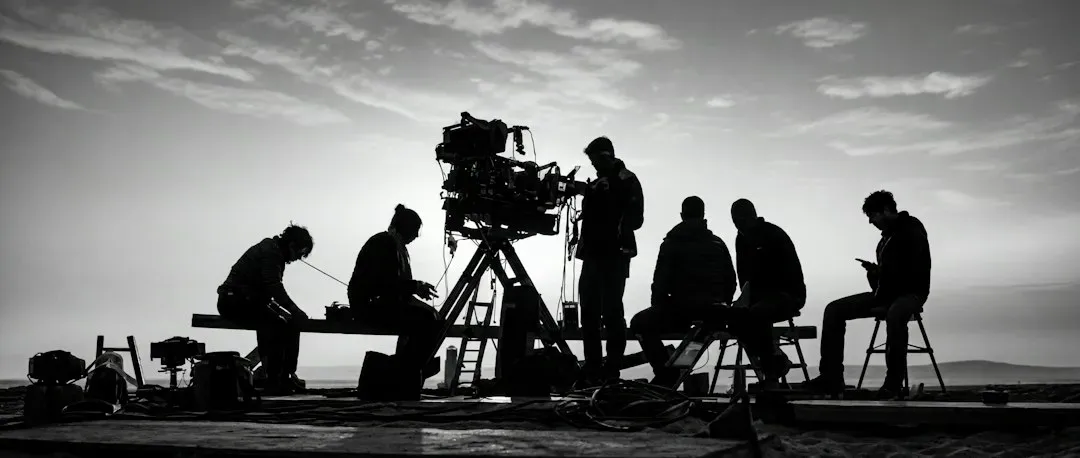
Ray Kinsella hears a whisper that most people remember as “If you build it, they will come.” In the 1989 film, the voice says “If you build it, he will come.” The “he” refers to a specific person, which matters to the story.
Over time, “they” took over because the line became a business saying about attracting customers or crowds. That meaning fits the plural. The film’s version is more personal, and the single “he” is what gives the mystery its pull.