Most record shelves grow by accident. A birthday gift here, a thrift store find there, and eventually a few sleeves start to mean more than the rest.
Some albums, though, work like landmarks. Put the right nine side by side and you can trace rock music from the mid sixties through the early nineties, one turning point at a time.
Pet Sounds by The Beach Boys
Released in 1966, Pet Sounds was driven by Brian Wilson, who wrote and arranged much of it while the group was away touring. It swapped surf songs for layered orchestration and inward looking lyrics. Wilson died in June 2025, and the album’s reputation has only grown in the years since.
Its influence runs straight into the next entry on this list. Paul McCartney has long spoken of its impact on the Beatles, and producers still study its studio techniques. If you own a copy, you own a lesson in how a pop record can become an art object.
Highway 61 Revisited by Bob Dylan
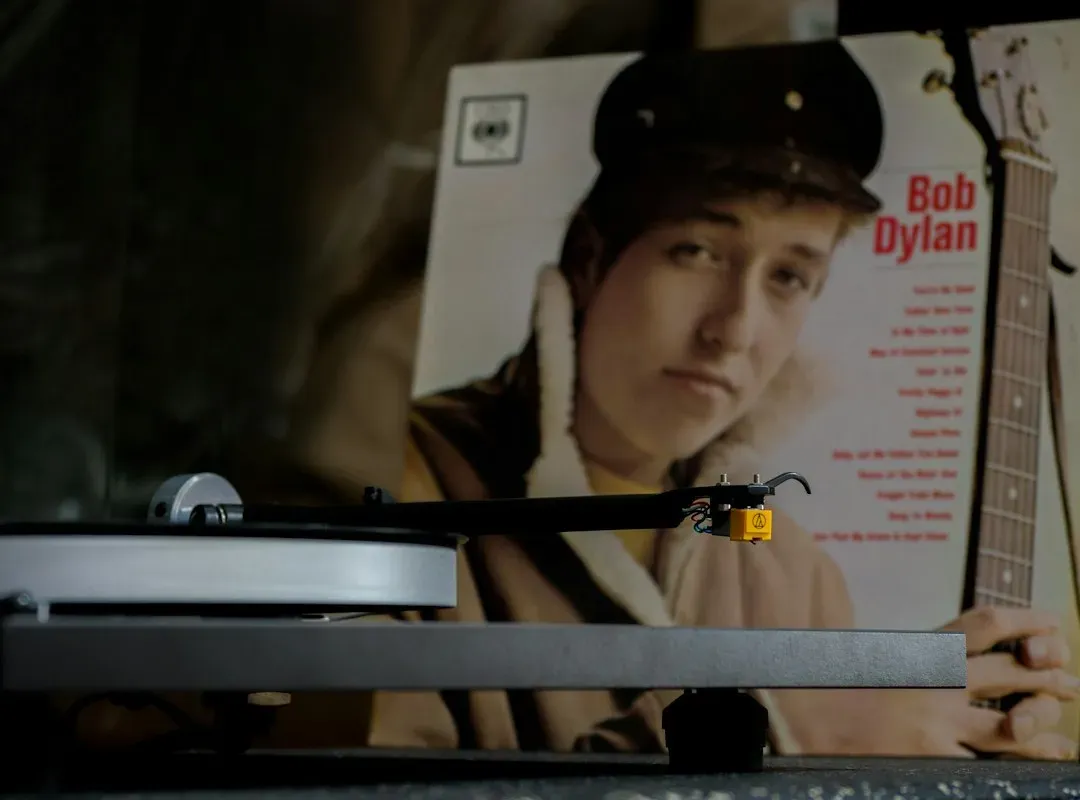
Dylan’s 1965 album opens with Like a Rolling Stone, a song that stretched what a single could be in length and ambition. The record placed his sharp, surreal lyrics inside a loud electric band. That decision split opinion among folk fans at the time.
Looking back, it reads as the moment rock grew up lyrically. Songwriters after Dylan treated words as seriously as melodies. A copy on your shelf marks that shift.
Sgt. Pepper’s Lonely Hearts Club Band by The Beatles
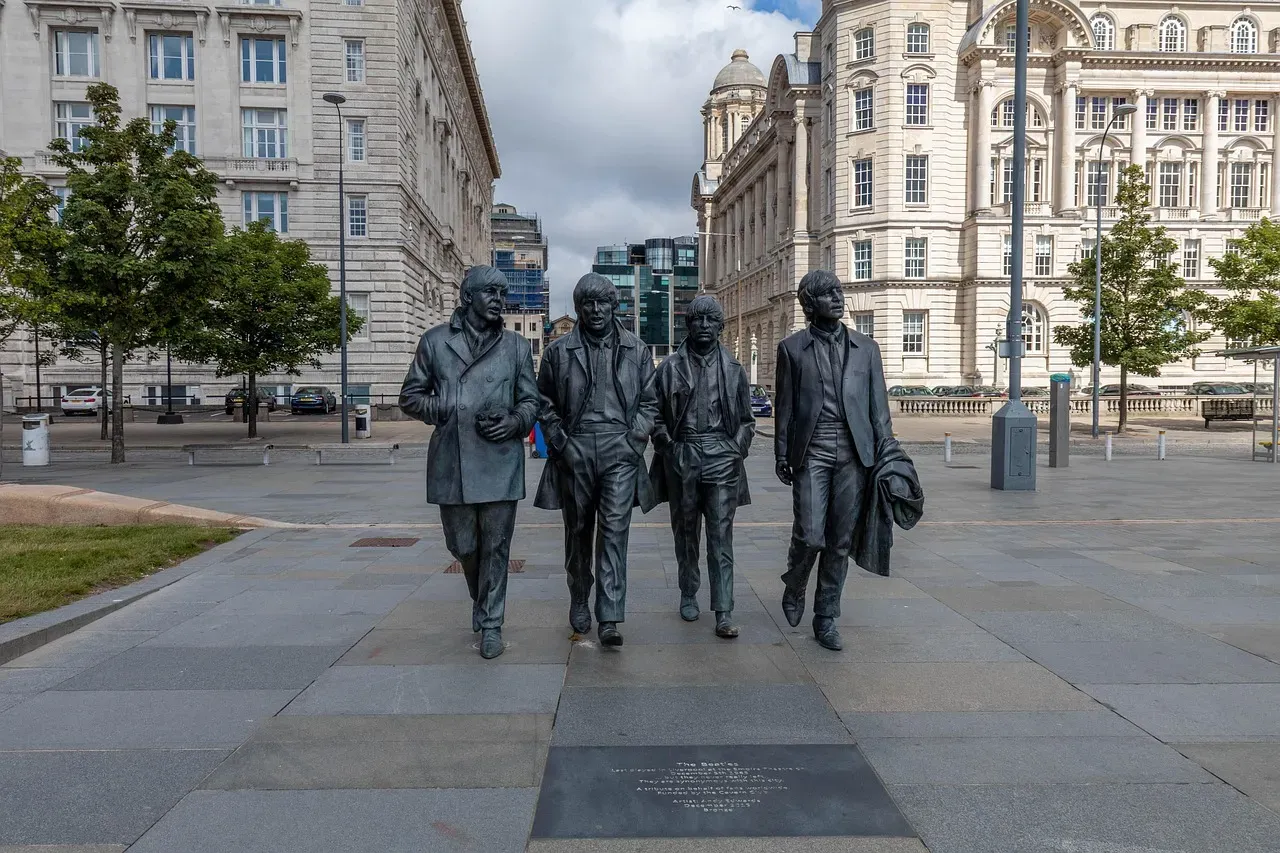
The Beatles released this album in 1967, with George Martin producing at EMI’s Abbey Road studios. It was built around studio experimentation, with tape tricks, orchestral passages and a fictional band concept. It also won the Grammy for Album of the Year at the ceremony that followed.
The packaging mattered nearly as much as the music. Its crowded cover collage and printed lyrics showed that an LP could be a complete designed object. Collectors tend to prize original pressings for exactly that reason.
The Dark Side of the Moon by Pink Floyd

Pink Floyd’s 1973 album explores pressure, time, money and madness across a continuous flow of tracks. The band worked closely with engineer Alan Parsons to get its clean, spacious sound. Few records show off a good turntable and speaker setup so well.
It also became a commercial marvel. The album stayed on the Billboard 200 chart for an extraordinary stretch of years, far longer than almost any other title. The prism cover is among the most recognized images in music.
Led Zeppelin IV by Led Zeppelin
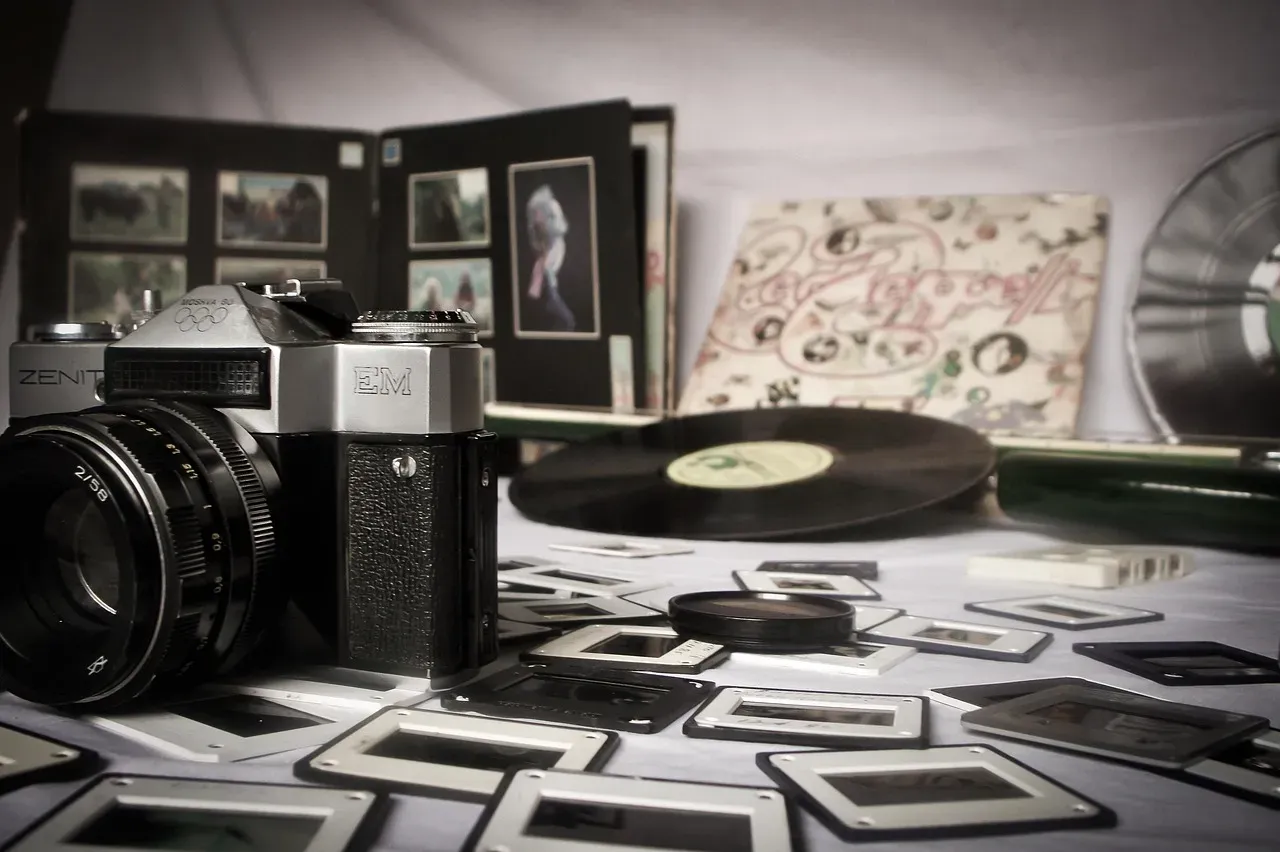
The band’s fourth album arrived in 1971 with no title and no band name on the front. That was a deliberate move away from hype, and it let the music carry the weight. Inside sits Stairway to Heaven, which grows from a quiet folk opening into a full hard rock finale.
Partner offer
Alongside it are Black Dog and Rock and Roll, which helped define the heavy riff as a genre staple. The record shows how hard rock and folk influences could live in the same set. It remains a fixture in classic rock collections for good reason.
Born to Run by Bruce Springsteen

Springsteen’s third album came out in 1975 and took a long, painstaking time to record. He was chasing a big, cinematic sound that mixed street level storytelling with the spirit of earlier rock and roll. The title track still stands as one of his defining songs.
The release also arrived with enormous attention. In October of that year he appeared on the covers of both Time and Newsweek in the same week. For a rock musician, that kind of dual press moment was remarkable.
Never Mind the Bollocks, Here’s the Sex Pistols
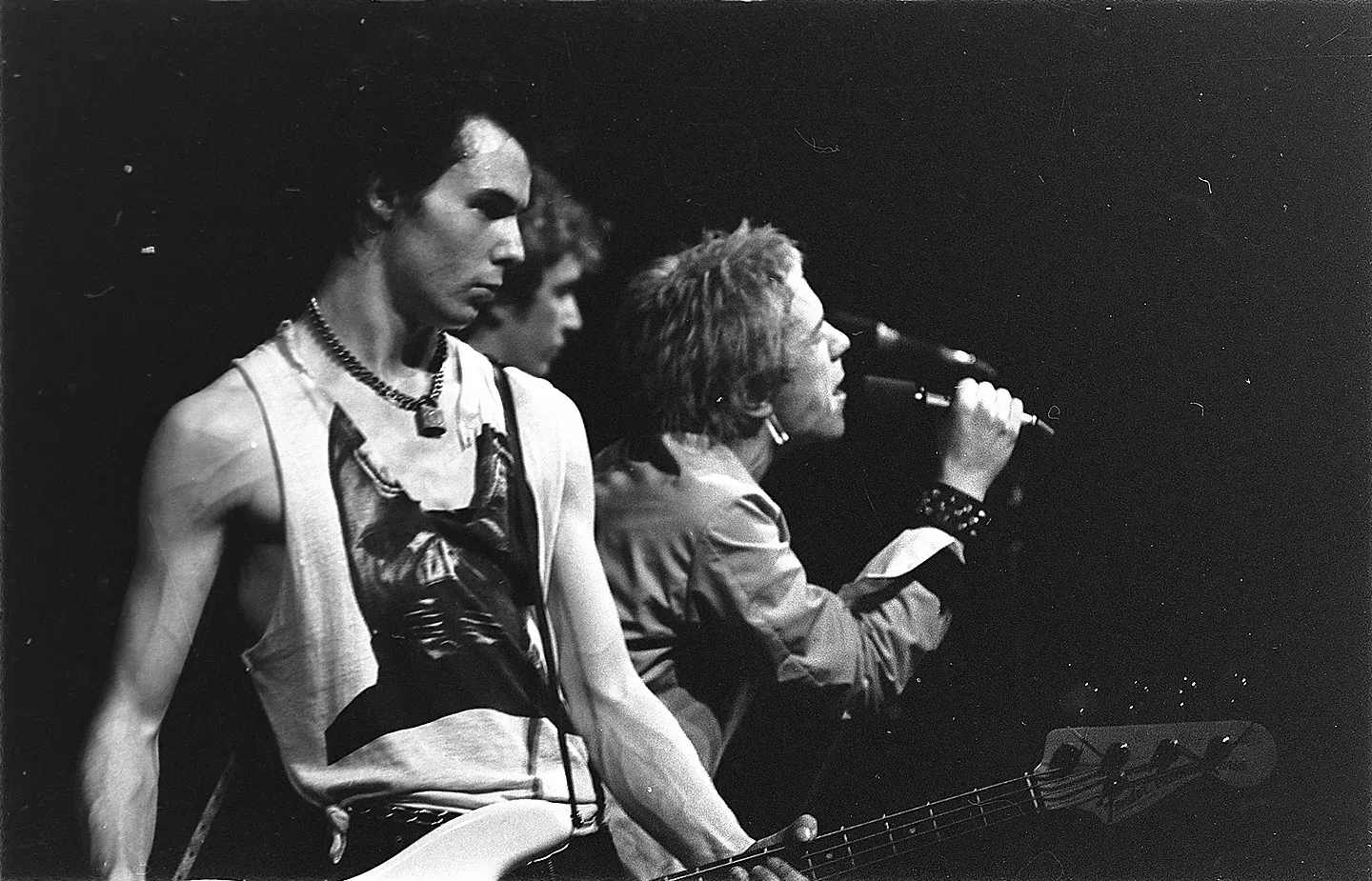
This 1977 record was the only studio album from the Sex Pistols, issued through Virgin Records in the UK. It was loud, fast and confrontational, and it provoked controversy over its title and lyrics. The band’s brief career made the album a sharp snapshot of British punk at its peak.
Its raw approach pushed back against the polish of stadium rock. Plenty of later bands took permission from it to start playing with little training. A good pressing is a sturdy piece of punk history.
Rumours by Fleetwood Mac

Fleetwood Mac made Rumours in 1977 while relationships inside the band were falling apart. The songs, written by Lindsey Buckingham, Stevie Nicks and Christine McVie, drew heavily on those breakups. The result was polished, melodic and emotionally direct.
It won the Grammy for Album of the Year and sold in huge numbers worldwide. It is regularly counted among the best selling albums of all time. For many listeners, it is the definition of a record that never wears out.
Nevermind by Nirvana
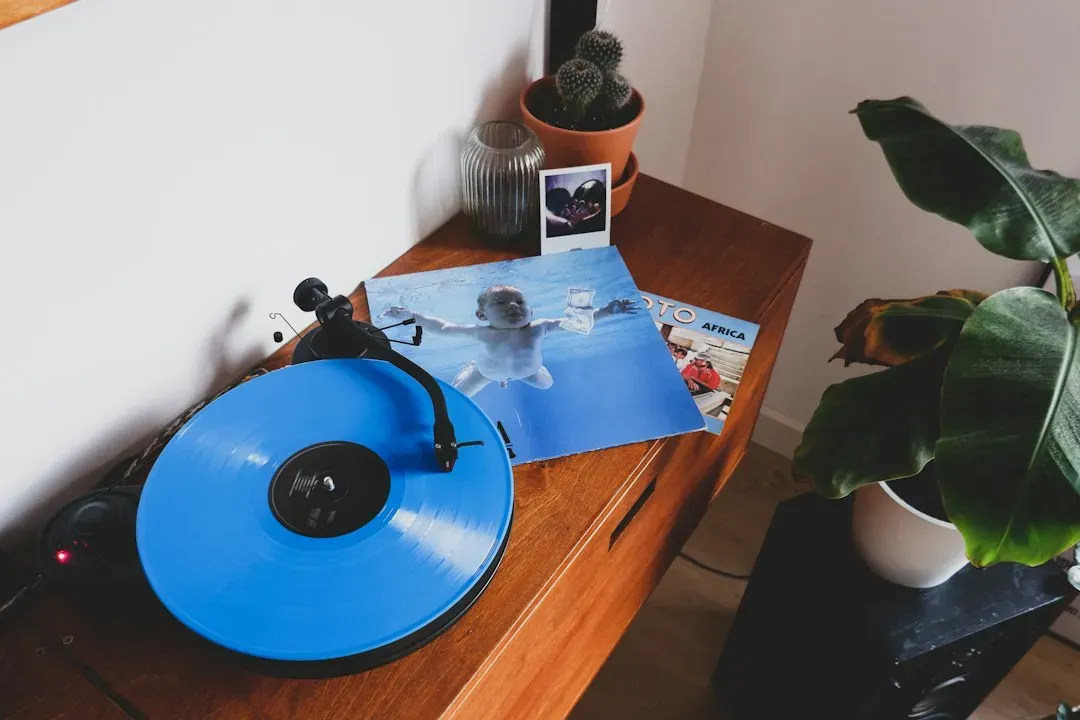
Nirvana’s 1991 album came out on Geffen and was powered by Smells Like Teen Spirit. By early 1992 it had pushed Michael Jackson’s Dangerous out of the top spot on the Billboard 200. That event is often seen as a symbolic handover from glossy pop and hair metal to alternative rock.
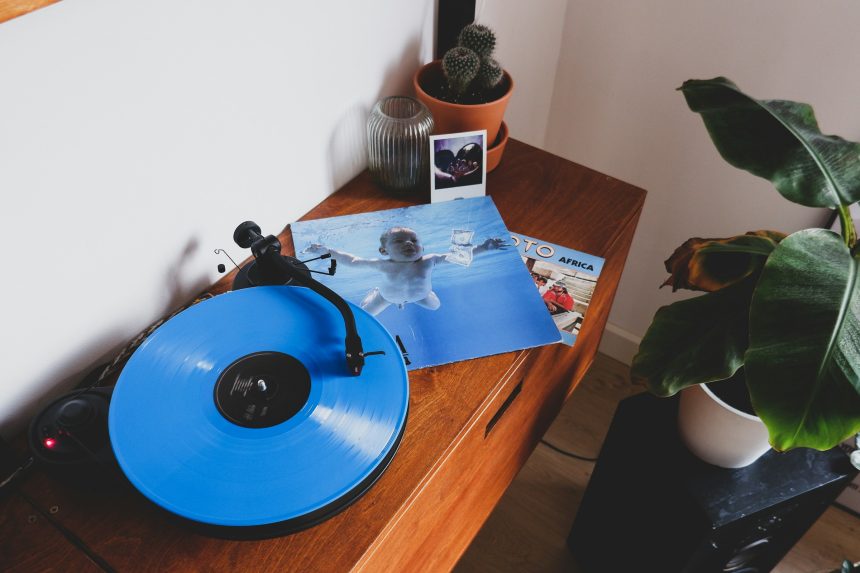
Butch Vig produced it, giving the band a heavy sound with clear pop hooks. The baby underwater cover became one of the most recognizable images of the decade. It sits well as a closing chapter for a collection that began in the sixties.
The Full Run
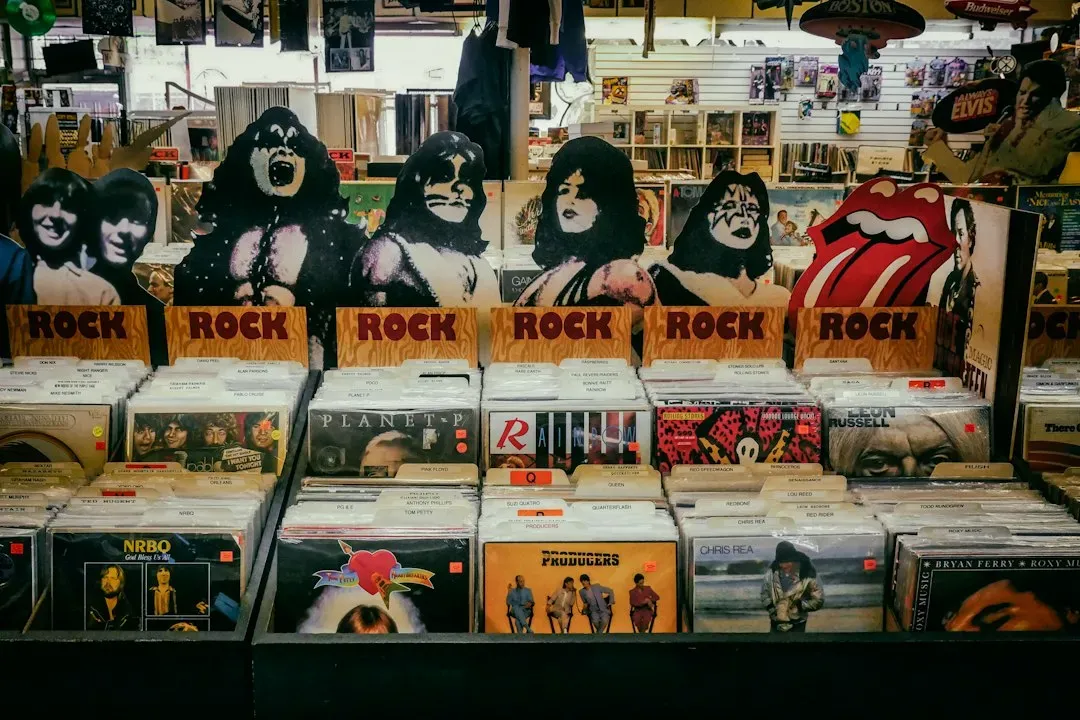
Taken together, these nine records span 1965 to 1991 and cover folk rock, studio pop, hard rock, punk, soft rock and grunge. Each one changed what listeners expected from a rock album.
If your shelf holds them all, it already tells a clear story of how the genre developed.
Partner offer
Planning a trip to Vegas?
Compare hotel rates and show tickets on VEGAS.com.