Some of the most recognizable songs in modern music history were not the product of months in the studio or endless rewrites. They arrived almost fully formed, sometimes during a soundcheck, sometimes in a half awake haze, sometimes because a group of musicians got bored waiting for food to arrive. What follows are seven documented cases where a song came together in under ten minutes, backed by the accounts of the artists themselves.
1. Yesterday by The Beatles
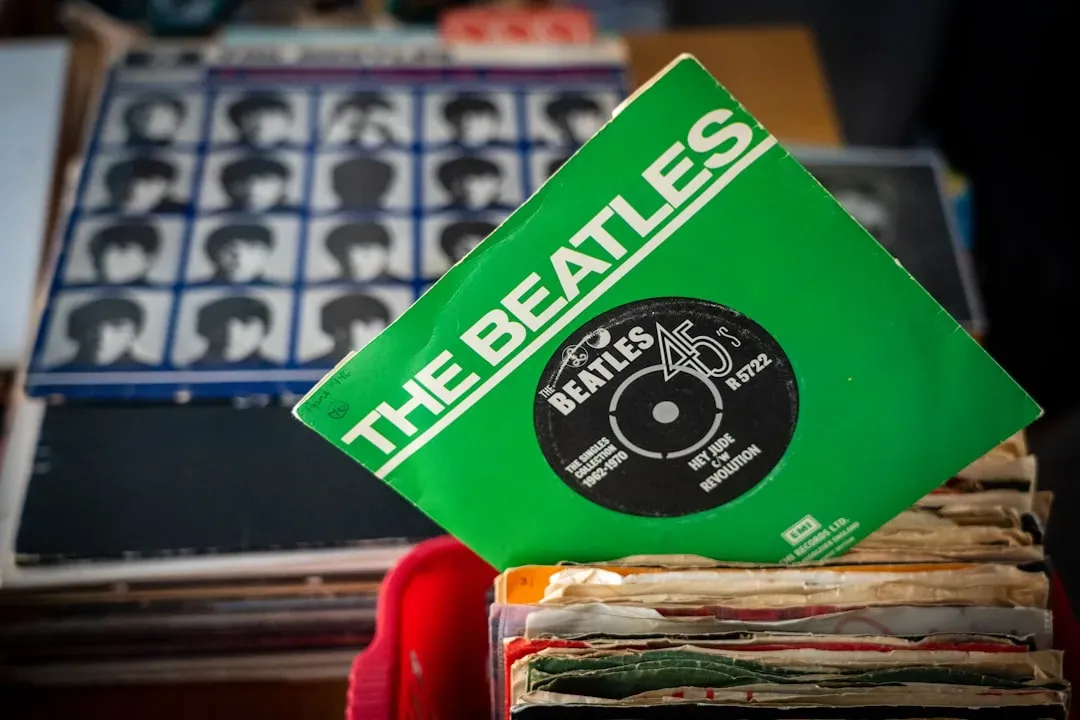
Paul McCartney has told this story many times, and the details rarely change. McCartney is said to have composed the melody in a dream while staying at the family home of Jane Asher in Wimpole Street, London, and the melody came to him fully formed, although he was initially unsure of its originality. He kept humming it to friends just to make sure he hadn’t unconsciously lifted it from an old jazz standard he’d heard as a kid.
The lyrics took a bit longer to arrive, but the musical bones of the song were there almost instantly. He recalled that once he was awake and realized he had something special in mind, he “kind of fell out of bed and the piano was right there to the left of my bed and I just sort of thought well I’ll try and work out how this song goes.” That midnight scramble eventually became the most covered song in recorded history.
2. Skyfall by Adele

The theme song for the 2012 James Bond film had an unusually fast birth for a track tied to such a massive franchise. According to producer Paul Epworth, the actual lyrics were written within 10 minutes, after Epworth wrote a piece of music he believed could work as the Bond theme and called Adele into the studio. She had apparently already been mulling over ideas before she even arrived.
The speed wasn’t a fluke of luck so much as preparation meeting the right moment. Adele had the lyrics ready in her head when she drove over. Within minutes of sitting down with Epworth, the verse and chorus were on paper, and the song went on to win an Academy Award for Best Original Song.
3. Seven Nation Army by The White Stripes

Jack White wrote one of the most instantly recognizable riffs of the 2000s not in a studio but during a routine soundcheck. Off The White Stripes’ fourth album Elephant, the march of “Seven Nation Army” was written in about 10 minutes during soundcheck for a show at the Corner Hotel in Melbourne, Australia. There was no grand plan behind it, just a riff that came out while testing equipment.
The lyrics reflect on sudden fame and the strange pressures that come with it, which fits the offhand way the song was born. The song addresses the sudden rise to fame and some of the negative effects that come with it. That bassline has since become a stadium chant used across sports arenas worldwide, far outliving its casual origins.
4. Crazy Little Thing Called Love by Queen
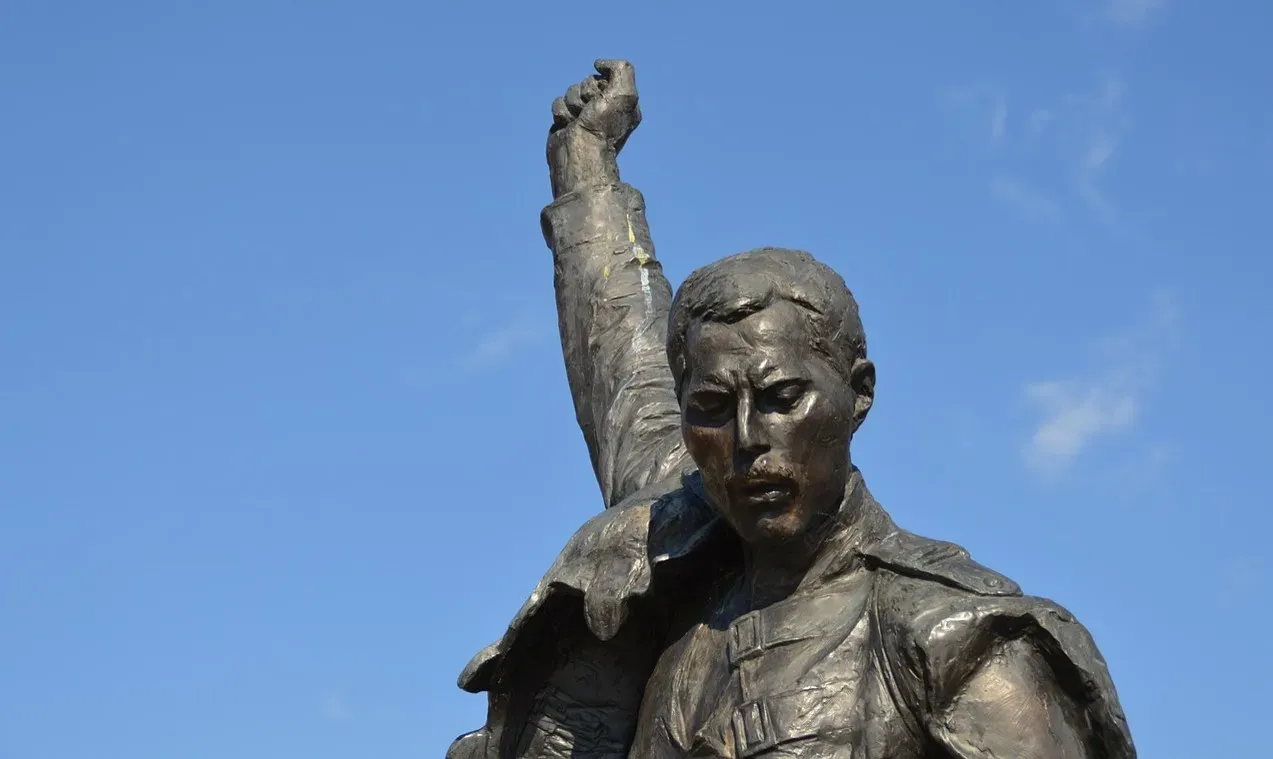
Freddie Mercury wasn’t known as a guitarist, and that limitation may have actually worked in his favor. “Crazy Little Thing Called Love” took me five or 10 minutes, Freddie Mercury told Melody Maker in 1981, explaining that he did it on the guitar, which he couldn’t play well, and that the restriction of knowing only a few chords forced him to write within a small framework, which he believed helped him write a good song. He wasn’t trying to prove anything technical, just working with what he had.
Partner offer
The rockabilly influenced track ended up becoming one of Queen’s signature hits and a staple of classic rock radio for decades. Mercury’s own account suggests that the simplicity of the writing process is baked directly into the finished product. Sometimes fewer options really do lead to faster decisions.
5. Just Dance by Lady Gaga

Before Lady Gaga was a household name, she was working alongside producers Akon and RedOne on a track meant to lift her own mood during a difficult stretch. Penned with producers Akon and RedOne in Los Angeles, “Just Dance” was just an uplifting song Gaga wanted to write about an optimistic future since she was struggling with depression. The urgency of that emotional need seems to have sped up the writing itself.
Gaga has been direct about how quickly the song came together once the trio sat down. Lady Gaga told Heat magazine that it took 10 minutes to write. The track became her debut single and one of the defining pop songs of the late 2000s.
6. Under Pressure by Queen and David Bowie

Collaborations between major artists can drag on for weeks as egos and schedules clash, but this one moved at the opposite speed. Recorded during an impromptu, drunken session in Montreaux, Switzerland, this iconic collaboration between David Bowie and Queen came together in 10 minutes. Nobody planned a duet that day; it simply happened once everyone was in the same room.
The now legendary bassline almost didn’t survive the session at all. After playing around in the studio, the mega hit was written in between booze and pizza, and bassist John Deacon had come up with the iconic riff but initially forgot it once everyone came back from having pizza, though drummer Roger Taylor remembered it. Without Taylor’s memory, one of the most sampled basslines in music might have vanished before it was ever recorded.
7. Supersonic by Oasis

Noel Gallagher wrote the song that would open Oasis’s debut album while everyone else in the room was focused on dinner. Recording Oasis’ debut Definitely Maybe in 1993, Noel Gallagher wrote “Supersonic” in 10 minutes at The Pink Museum in Liverpool, while everyone was taking a break to have some Chinese food. He wasn’t even trying to write anything at first.
Gallagher has since reflected candidly on the conditions surrounding that burst of creativity. “That’s why they’re so good, and that pisses me off,” said Gallagher, adding, “I remember being off my nut and going into the back room and setting the goal of writing a song in 10 minutes, that was ‘Supersonic.'” The track went on to become one of the defining anthems of the Britpop era, launching a band that would dominate the rest of the decade.
What connects these seven songs isn’t luck exactly, though luck certainly played a part. It’s closer to readiness, a mind already circling an idea long enough that when the right ten minutes appeared, the song simply fell out. None of these were accidents in the purest sense. They were the visible tip of years of practice, half formed melodies, and instincts sharpened by countless hours that never made the history books.Partner offer
Planning a trip to Vegas?
Compare hotel rates and show tickets on VEGAS.com.