There’s something deeply unsettling about discovering an object that simply has no business being where it is, or when it is. Throughout history, archaeologists have stumbled upon artifacts so advanced, so misplaced, or so completely inexplicable that they force us to ask uncomfortable questions about what ancient humans were truly capable of. These aren’t fringe theories scribbled on conspiracy blogs. Many of them are backed by peer-reviewed studies, university research teams, and laboratories using the most sophisticated technology available today.
Honestly, the deeper you look into these objects, the more the neat, tidy timeline of human civilization starts to crack open. Some make experts pause, some make them argue, and a few genuinely make them lose sleep. Let’s dive in.
1. The Antikythera Mechanism: The World’s First Computer
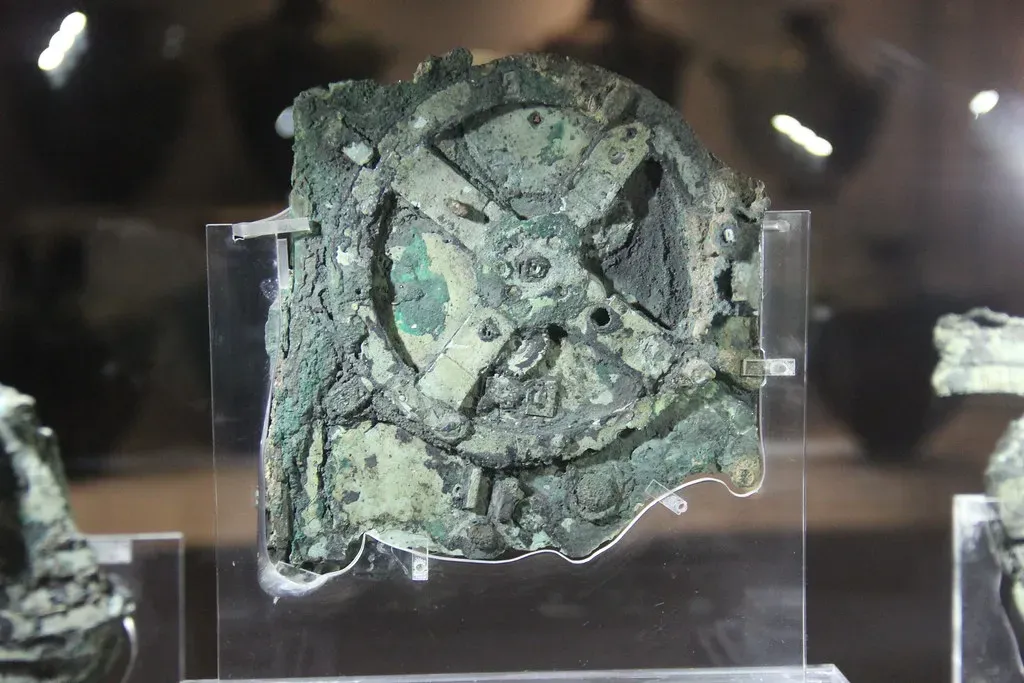
The Antikythera Mechanism, discovered in 1901 by sponge divers exploring a sunken shipwreck off the Greek island of Antikythera, dates back approximately 2,200 years. This shoebox-sized device, constructed of intricate bronze gears, was used to model the motions of the sun, moon, and planets. Think about that for a second. A fully mechanical astronomical computer, built roughly 2,000 years before anyone thought such a thing was possible.
The device contains at least 37 meshing bronze gears, each precisely cut and calibrated to astronomical observations, and modern X-ray analysis revealed inscriptions and gear ratios that demonstrate knowledge of planetary cycles that researchers thought ancient Greeks didn’t possess. Machines with similar complexity did not appear again until the 14th century in western Europe.
In 2024, researchers from the University of Glasgow published a landmark paper in the Horological Journal that used statistical modeling techniques normally applied to gravitational wave analysis to decode one of the mechanism’s broken rings. They showed that the ring is vastly more likely to have had 354 holes, corresponding to the lunar calendar, than 365 holes, which would have followed the Egyptian calendar. The analysis also shows that 354 holes is hundreds of times more probable than a 360-hole ring, which previous research had suggested as a possible count.
The research found a radial variation of just 0.028 millimeters per hole, meaning it was fantastically precise given the tools of the time. A study by engineers at the National University of Mar del Plata in Argentina then suggested that the Antikythera Mechanism didn’t work very well, noting that 82 pieces of the mechanism have been discovered. It is estimated it could only be cranked about four months into the future before the gears slipped and required the object to be reset, though the researchers note that two thousand years of corrosion may have warped or distorted the components far beyond their original state.
2. Stonehenge’s Altar Stone: Scotland’s Impossible Gift to England
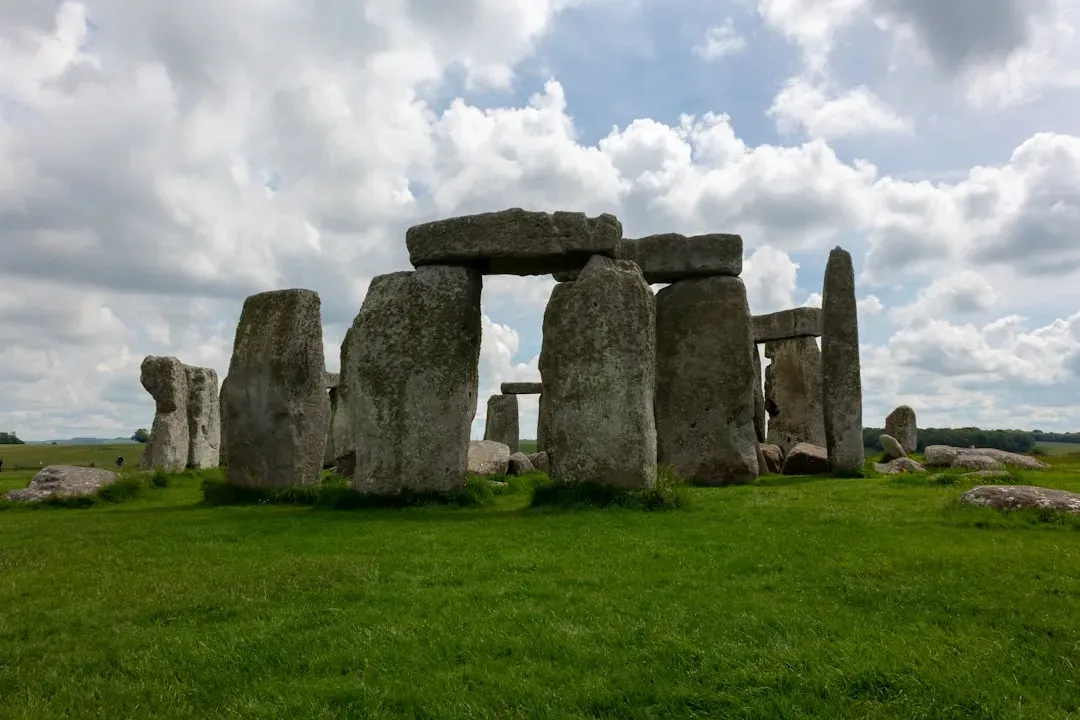
Mineral ages and chemical analysis of fragments of the Altar Stone from the Neolithic stone circle at Stonehenge suggest that it was transported from northeast Scotland, more than 750 km away, probably by sea. For over a century, scientists had assumed it came from Wales. They were wrong, and the true story is even more staggering.
The findings suggest that the roughly 12,000-pound, 16-foot long rock somehow traveled hundreds of miles from Scotland to England, well before the invention of the wheel, and archaeologists suspect it was installed in Stonehenge sometime around 2620 B.C. to 2480 B.C. This is the longest-known journey for any stone used in a Neolithic monument.
Transporting such massive cargo overland from Scotland to southern England would have been extremely challenging, indicating a likely marine shipping route along the coast of Britain, which implies long-distance trade networks and a higher level of societal organisation than is widely understood to have existed during the Neolithic period. Co-author Dr. Robert Ixer from UCL’s Institute of Archaeology said the result was “genuinely shocking,” and that the work prompts two important questions: why and exactly how was the Altar Stone transported more than 700 kilometres to Stonehenge.
3. The Voynich Manuscript: The Book No One Can Read
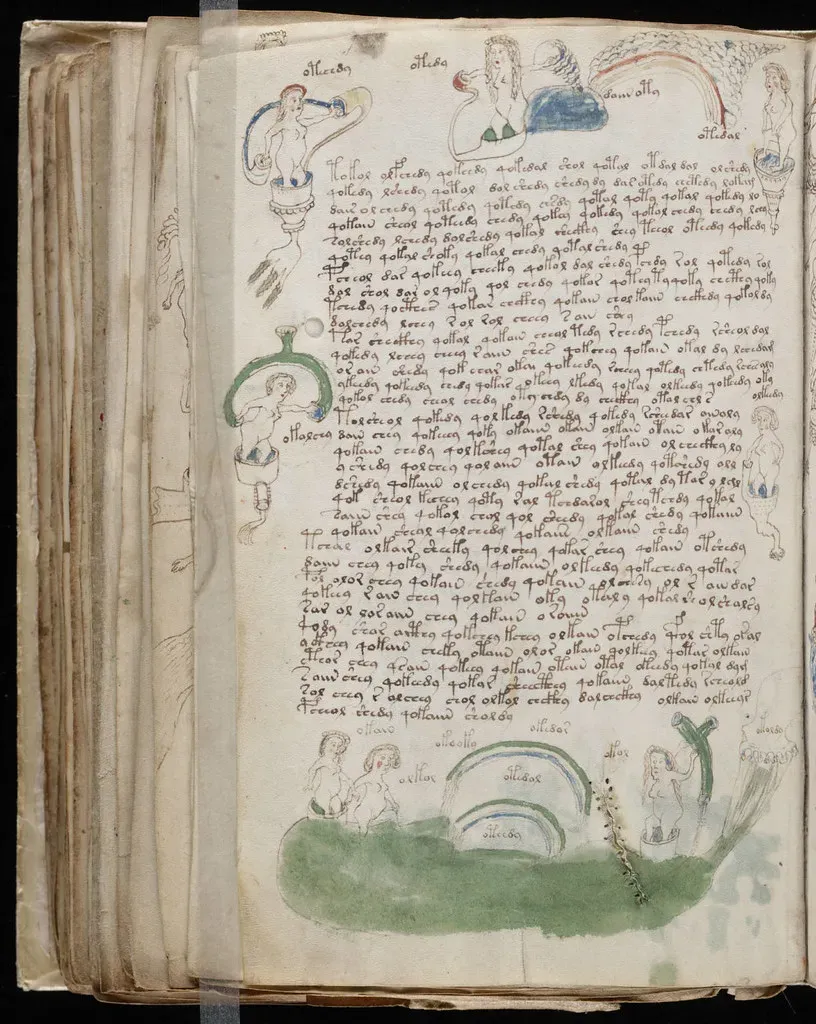
The Voynich Manuscript, discovered in 1912 by rare book dealer Wilfrid Voynich, is a handwritten codex that has stumped linguists and cryptographers for over a century. Dating to the early 15th century, the manuscript’s pages are filled with an unknown script and strange botanical drawings of plants that don’t exist. It is, without question, one of the strangest objects ever put on display in a university library.
Radiocarbon dating by University of Arizona researchers in 2009 determined that the parchment was made between 1404 and 1438, and stylistic analysis points to a possible Italian Renaissance origin for the manuscript. The manuscript text has unusual characteristics: it lacks visible errors and corrections, which is unusual for natural manuscripts of the time, and the distribution of words and symbols shows statistical patterns similar to natural languages, but does not correspond to any known historical language or cipher.
Computer analyses and codebreakers from the NSA to university teams have failed to crack the code, leading to theories ranging from an elaborate hoax to an alien language, with some researchers believing it may be a pharmacological manual, given the plant illustrations and recipes, while others see it as a work of art or a medical treatise lost to history. In 2024, multispectral imaging uncovered that the baffling symbols in the document were scrutinised by its owner, a Prague doctor, revealing that even centuries ago, people tried and failed to decode it. Still no breakthrough.
4. The Baghdad Battery: Ancient Electricity in Mesopotamia
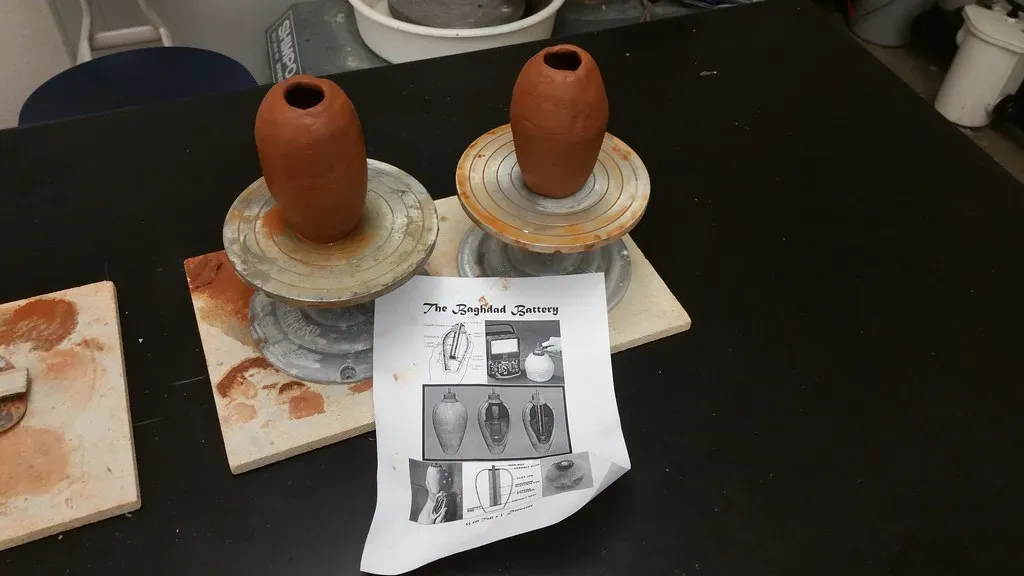
Hidden in the ruins of ancient Parthian Baghdad, a clay jar with a copper cylinder and iron rod was uncovered, sparking wild theories about forgotten electricity in the ancient world. Estimated to be from 250 BCE to 250 CE, this so-called Baghdad Battery has ignited fierce debate since its discovery in the 1930s. The idea that someone in ancient Iraq may have generated electricity sounds like something from a science fiction novel. Yet here we are.
Some researchers believe it could have been used for electroplating gold onto silver objects, effectively making it one of the world’s first batteries, and experiments have shown it might generate a small electrical charge when filled with an acidic liquid. Others insist it was purely ceremonial, or perhaps a simple storage vessel. The 12-centimeter clay jar contained a copper cylinder with an iron rod tightly fit inside.
The truth remains elusive, as no definitive ancient texts describe its use. Professional archaeologists are far more cautious and point out that there’s no direct proof the jar was used as a battery at all. Still, the materials and structure are undeniably battery-like, and the fact that such a configuration existed in antiquity is enough to make people wonder. It’s one of those artifacts where the mainstream explanation feels almost deliberately boring compared to what the object itself seems to suggest.
5. The Piri Reis Map: A 1513 Chart That Knew Too Much

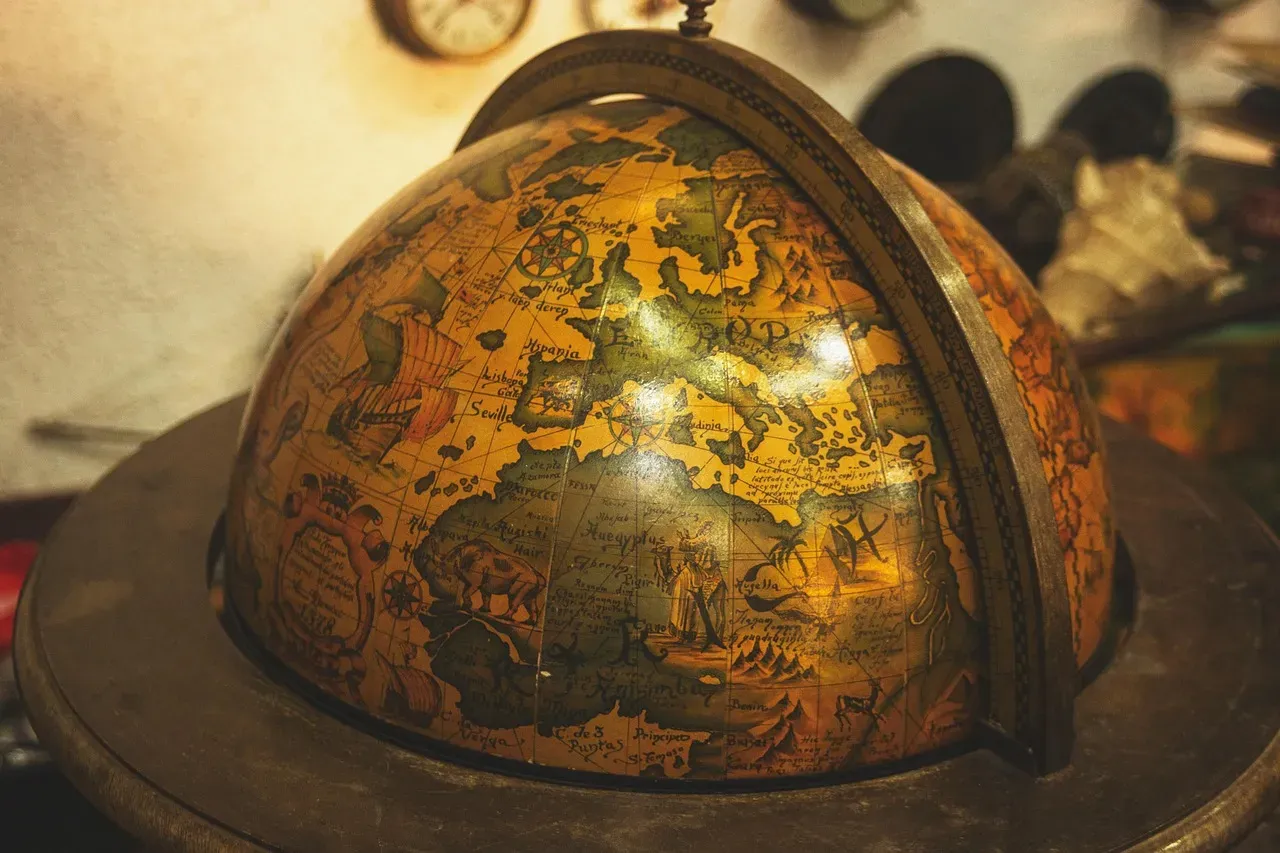
The Piri Reis Map is a world map created in 1513 by Ottoman-Turkish admiral and cartographer Piri Reis. The map is considered mysterious due to its accuracy, level of detail, and the inclusion of land masses that were not officially discovered until centuries later, and it is notable for its depiction of Antarctica, which was not officially discovered until 1820. Let that sink in. A 16th-century Ottoman admiral drew a continent that European explorers wouldn’t reach for another three centuries.
Only about a third of the original map survives today and is now housed in the Topkapi Palace in Istanbul. After the conquest of Egypt in 1517, Piri Reis presented the map to the Ottoman Sultan Selim I, after which it disappeared from historical records until its rediscovery in 1929. What makes the map especially valuable is that it contains a partial copy of a now-lost map by Christopher Columbus, and unlike European maps of the time, it is made in the style of a portolan with compass roses and a grid of points for navigation.
Enthusiasts have pushed the map’s mystery much further, arguing that it shows Antarctica or ice-free coasts that humans supposedly could not have known. Those extreme claims don’t hold up well under closer inspection, but they grew from a real kernel: early navigators sometimes used older charts that have since vanished. It is believed to be based on even older maps, some of which may have been created by the ancient Greeks. The genuine mystery isn’t aliens. It’s how much ancient cartographic knowledge simply disappeared.
6. The Saqqara Bird: Egypt’s Forgotten Glider

The Saqqara Bird is a wooden model of a bird made from sycamore wood and mounted on a stick, discovered during the excavation of the tomb of Pa-di-Imen in Saqqara, Egypt, in 1898. The artifact dates back to approximately 200 BC and is currently housed in the Egyptian Museum in Cairo. The model has a wingspan of 18 cm and weighs approximately 39 grams.
Unlike other animal figurines found in Egyptian tombs, the Saqqara Bird has a straight, fixed-wing design, resembling modern gliders. Some researchers argue that this artifact suggests ancient knowledge of flight principles, while others believe it is merely a ritualistic or symbolic object. Some scholars argue that the Saqqara Bird lacks essential flight components, such as a tail stabilizer, making it unlikely that it represents an actual aircraft.
The most likely hypothesis is that the Saqqara Bird had religious or ceremonial significance. The model is made in the form of a falcon, a bird that was often used to depict important Egyptian deities such as Horus and Ra Horakhty. The fact that it flies reasonably well when reproduced has made it a favorite for those who like to push at the edges of accepted history. I think it’s a reminder that ancient craftsmen were far more observant about the natural world than we typically give them credit for.
7. The Sulawesi Cave Art: Narrative Painting from 51,200 Years Ago
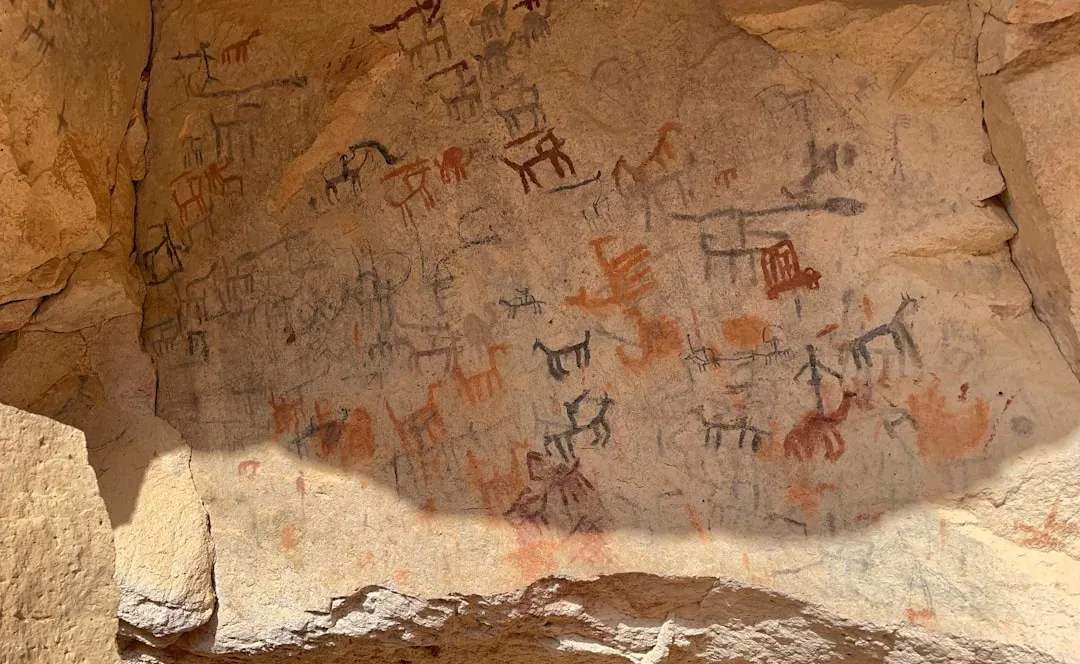
Scientists announced in 2024 that a painted scene of people hunting pig-like animals found in a cave on the island of Sulawesi, Indonesia, is at least 51,200 years old. This beats out the last contender for oldest cave art, a drawing of pigs also found in a cave in Indonesia, by around 5,000 years. That’s not just old. That’s breathtakingly old.
What makes this discovery especially disruptive is not just the age, but the content: it is a narrative scene, depicting humans in coordinated action, at a point in prehistory when scientists had not expected such complex symbolic thought to exist in that region. The find challenges the long-held assumption that sophisticated storytelling through visual art originated in Europe. Instead, it places the birthplace of narrative image-making squarely in Southeast Asia, tens of thousands of years earlier than conventional models of cognitive evolution had allowed for.
Here’s the thing: this isn’t just an artifact, it’s a philosophical bomb dropped on the story of what it means to be human. Coordinated visual storytelling, the kind that requires imagination and social sharing of meaning, was happening in a cave in Indonesia at a time when experts said it couldn’t have been. It’s hard to say for sure how many other such discoveries are still waiting beneath the ground, but this one alone reshapes the entire conversation.
8. The Fuente Magna Bowl: Sumerian Inscriptions in South America
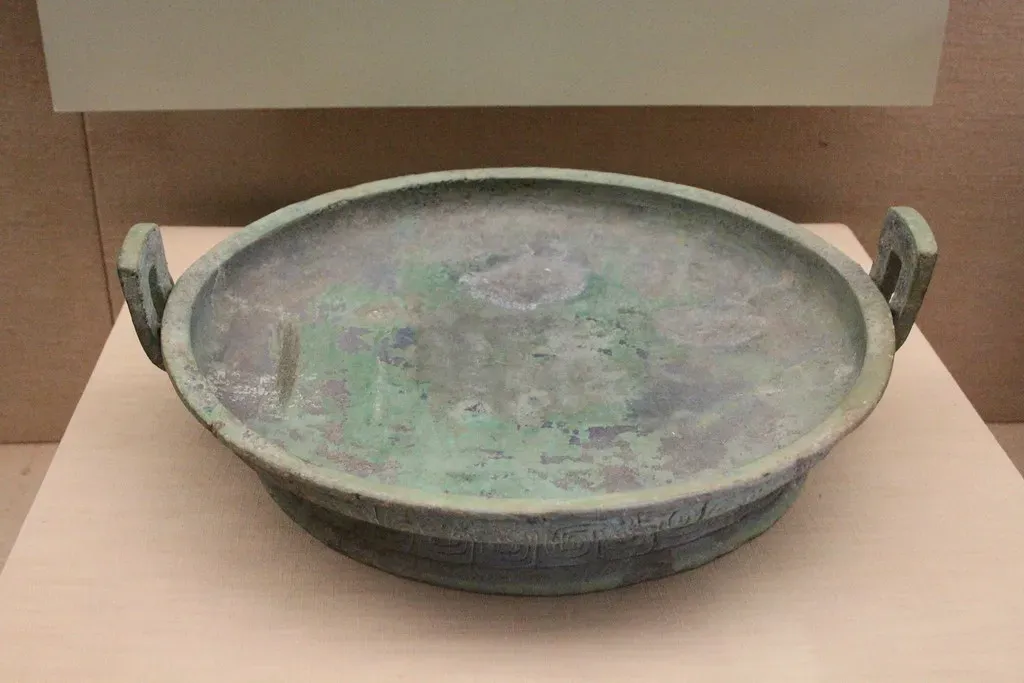
The Fuente Magna Bowl is inscribed with what appears to be Sumerian cuneiform and proto-Sumerian pictographs, an astonishing find given the vast distance between Mesopotamia and South America. If authentic, this would suggest ancient trans-oceanic contact, rewriting the history of early civilizations. Scholars remain deeply skeptical, citing the lack of credible archaeological context and the possibility of a modern forgery.
Yet, linguistic analysis by some researchers claims the inscriptions are genuine Sumerian, describing religious rituals. The bowl was found near Lake Titicaca in Bolivia, one of the most remote places on Earth. If it is real, the implications are staggering. If it is a hoax, it is an extraordinarily elaborate one that has fooled more than a few credentialed linguists.
The Fuente Magna Bowl sits at the crossroads of mainstream skepticism and alternative enthusiasm, a testament to the enduring allure of the unknown in archaeology. Let’s be real: the mainstream view is the safer one and probably the correct one. Yet something about the inscriptions keeps drawing researchers back. It perfectly captures why archaeology is never as settled as textbooks make it sound.
9. The Sanxingdui Masks: A Bronze Age Civilization That Defied the Narrative
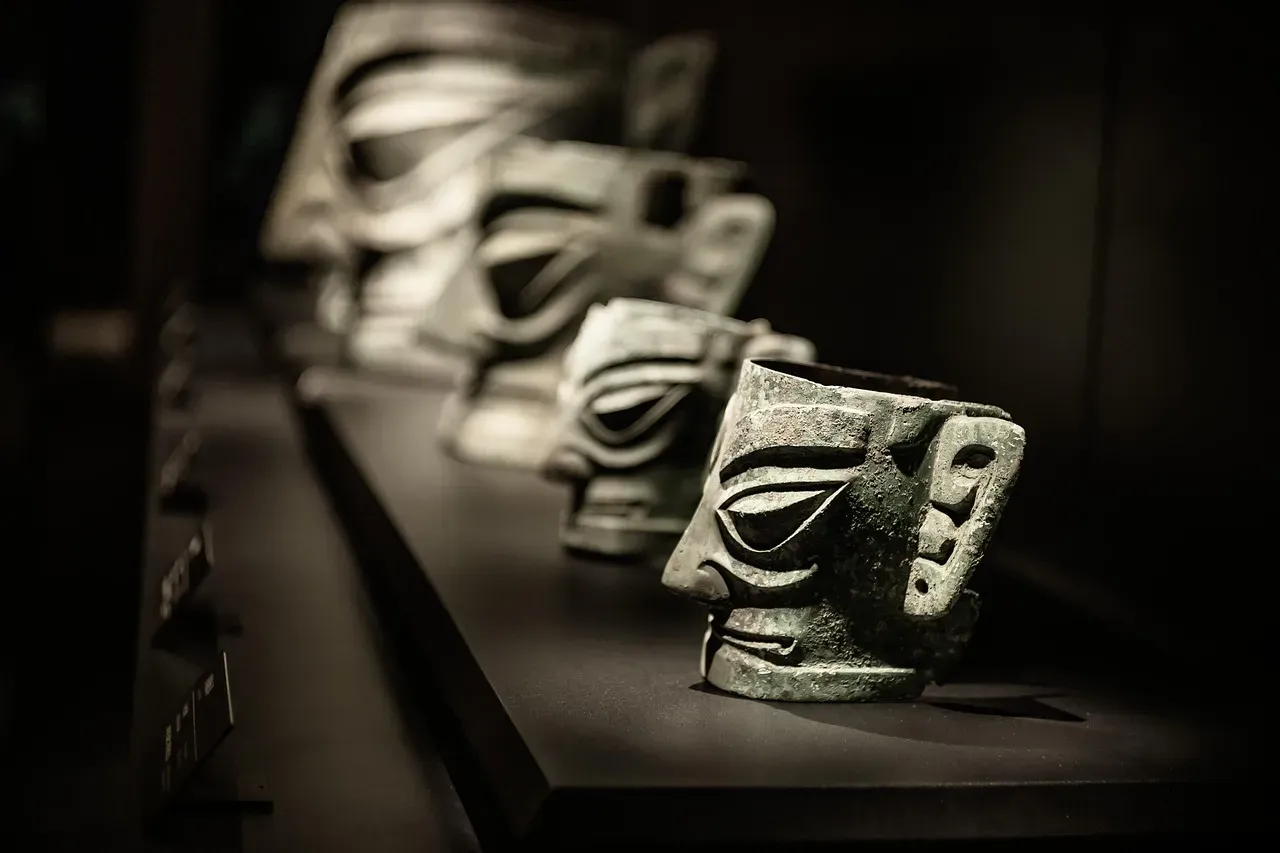
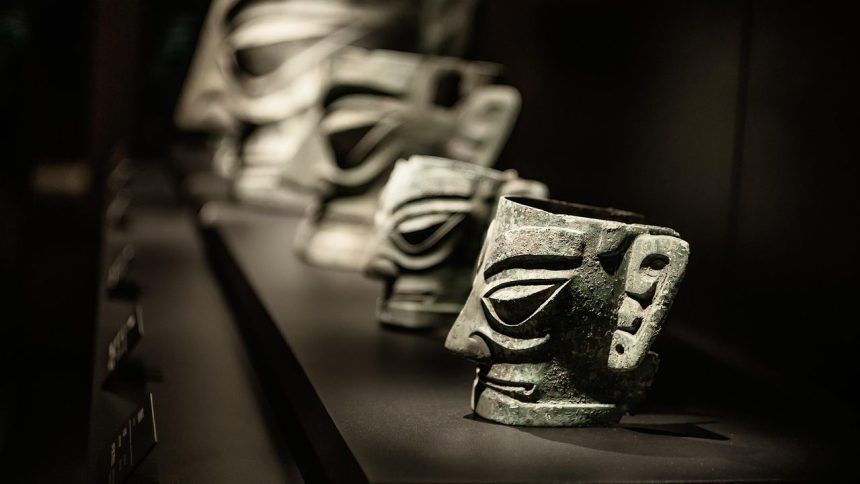
In 1929, a man repairing a sewage ditch in China’s Sichuan province uncovered a treasure trove of jade and stone artifacts. These treasures found their way into the hands of private collectors, and in 1986, archaeologists working in the area unearthed two more pits full of Bronze Age treasures, including jade, elephant tusks and bronze sculptures. What emerged from the ground was unlike anything found in China before, or anywhere else for that matter.
Researchers now believe that members of the Sanxingdui civilization, a culture that collapsed between 3,000 and 2,800 years ago, made the artifacts. Archaeologists now know that the Sanxingdui once inhabited a walled city along the banks of the Minjiang River. But why they left this city, and why they buried so many artifacts in pits before absconding, is the source of much speculation among researchers.
These artifacts have sparked debates about the technological capabilities of ancient civilizations and the possibility of lost knowledge. The bronze masks themselves are deeply alien-looking: enormous protrusive eyes, exaggerated ears, and features that match nothing in the known aesthetic tradition of ancient China. No one knows who these faces were meant to depict, or what purpose they served when they were ritually buried alongside gold, ivory, and jade. The mystery of Sanxingdui is very much alive and actively being excavated today.
10. The Costa Rica Stone Spheres: Perfect Precision Without Modern Tools
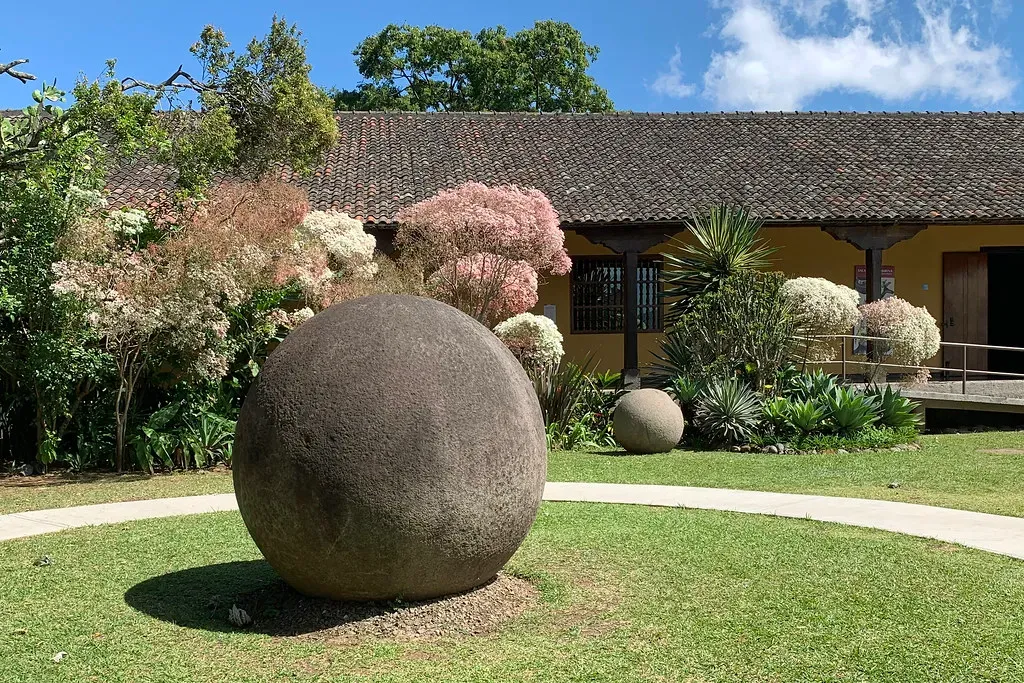
Hundreds of perfectly round stone spheres, some weighing up to 15 tons, have puzzled archaeologists since their discovery in the 1930s. Scattered across Costa Rica’s Diquís Delta, the artifacts, dated between 600 and 1000 CE, are attributed to the Diquís culture, an ancient civilization that vanished long before the Spanish conquest. The precision with which these spheres were shaped despite the absence of advanced tools suggests an exceptional level of craftsmanship.
Many are arranged in clusters, alignments, and geometric patterns, leading some to speculate on their potential astronomical or ceremonial significance. Some researchers argue that weathering and natural processes may have helped shape the spheres over time. However, the sheer number of them, combined with their near-perfect geometry, makes that explanation feel insufficient to many experts in the field.
What makes these spheres so haunting is not just the precision. It’s that the civilization that made them vanished, leaving no written records, no explanation, and no descendants who could tell us what these objects meant. While many so-called “forbidden artifacts” ultimately receive conventional explanations, they still highlight the surprising ingenuity of ancient societies. Each unusual discovery encourages archaeologists to reexamine assumptions about technological development in the ancient world. The stone spheres of Costa Rica are a perfect, silent embodiment of that truth.
Conclusion: The Past Is Stranger Than We Admit
What all ten of these artifacts share is an ability to make the past feel genuinely alive and genuinely unknown. The Antikythera Mechanism keeps yielding new secrets even in 2024 and 2025. Stonehenge rewrote its own origin story with a single geochemical study. The Voynich Manuscript has defied some of the sharpest codebreakers on the planet for over a century. Every one of these objects is a reminder that human history is far messier, far more surprising, and far more connected than any single narrative can contain.
The real lesson here isn’t that ancient people had alien help or access to lost superpowers. It’s something even more interesting: they were clever, resourceful, and deeply motivated by things we still don’t fully understand. The stone spheres were perfect. The Piri Reis map was eerily accurate. The Antikythera Mechanism was staggeringly precise. These people knew things. They did things. We just lost the context.
So which one of these surprised you the most? Drop your thoughts in the comments below. Chances are, one of these artifacts is going to stick with you for a while.