Some films never try to scare you, yet they leave you feeling slightly off for days. There are no monsters or jump scares, just a mood that creeps in through sound, framing, and silence.
The nine films below belong to dramas, thrillers, science fiction, and surreal art cinema. Each one earns its unease in a different way, and none of them is a horror film in the strict sense.
Eraserhead (1977)
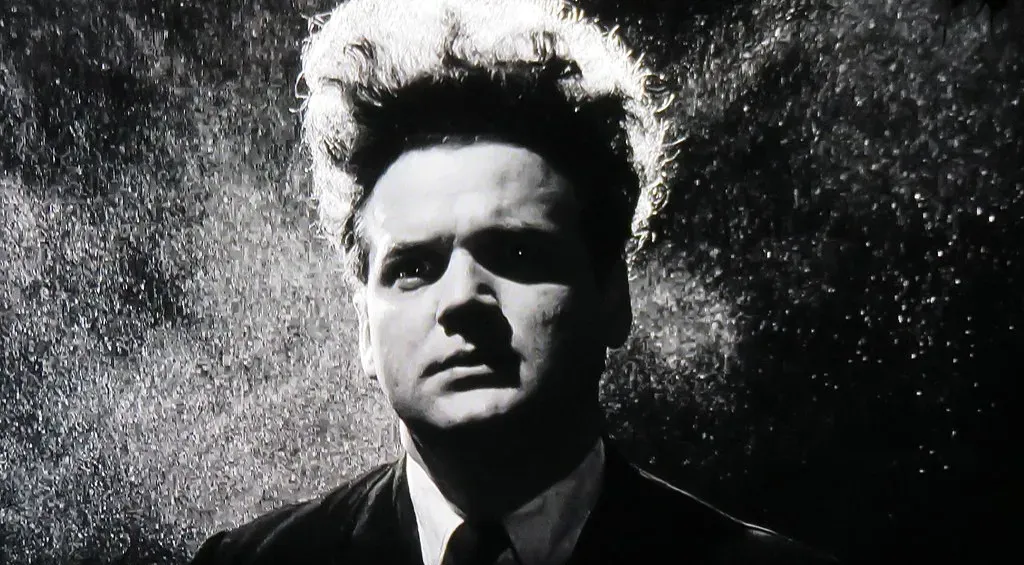
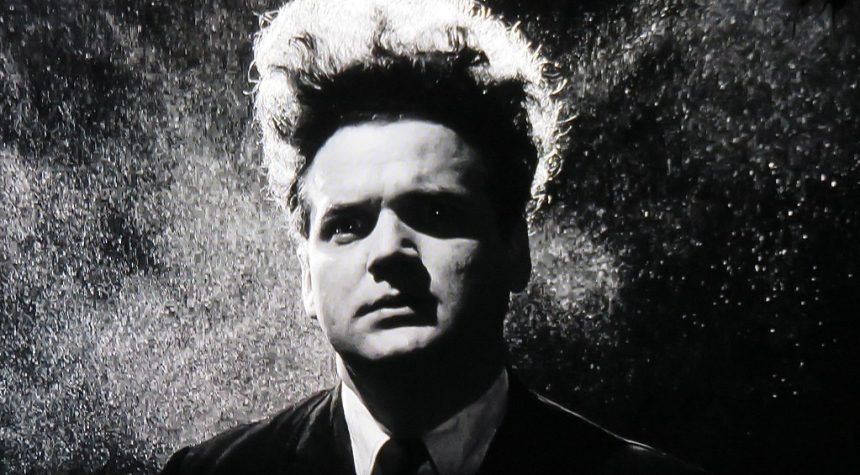
David Lynch’s debut feature follows Henry, a quiet man living in a bleak industrial landscape. He is suddenly responsible for a deformed infant. Lynch shot it in black and white over several years, and it has since become a landmark of midnight cinema.
The unease comes mostly from sound. A constant industrial hum fills the film, and the sets feel damp and airless. Many people file it under horror, but Lynch himself described it more as a dark dream about fatherhood and anxiety.
Mulholland Drive (2001)

Lynch returned to the same uneasy territory with this Los Angeles story of an aspiring actress and an amnesiac woman. It began as a television pilot before being reworked into a feature. It won Lynch the best director prize at Cannes in 2001, which he shared with Joel Coen.
The film’s logic slips away halfway through, and that is where the dread settles in. Familiar characters change roles and the dreamlike structure refuses to explain itself. You leave sure that something terrible happened, without being certain what.
Stalker (1979)

Andrei Tarkovsky’s Soviet science fiction film sends a guide, a writer, and a professor into a mysterious restricted area called the Zone. Nothing overtly threatening ever appears on screen. The film moves slowly, with long takes and muted color.
That restraint is exactly what makes it tense. The characters keep warning one another about invisible dangers, and the camera lingers on wet ground, rusted metal, and still water. The threat feels real because it is never shown.
Picnic at Hanging Rock (1975)

Peter Weir’s Australian drama is set in 1900 and follows schoolgirls who vanish during an outing to a volcanic rock formation. It is based on Joan Lindsay’s 1967 novel. The film never offers a solution to the disappearances.
Weir uses soft, sunlit photography and pan flute music to create a feeling that something is wrong beneath the beauty. The lack of an answer is the point. It lingers like a half-remembered dream.
Partner offer
Under the Skin (2013)

Jonathan Glazer’s film stars Scarlett Johansson as an alien who lures men in Scotland. It is loosely adapted from Michel Faber’s novel. Many scenes were filmed with hidden cameras, with real passersby in some of them.
Mica Levi’s scratchy, unnerving score drives much of the discomfort. The film is cold and observational, and it treats human life as something strange to study. It is often described as science fiction, though it plays like a slow nightmare.
Taxi Driver (1976)

Martin Scorsese’s portrait of Travis Bickle, a lonely Vietnam veteran working nights in New York, is a crime drama. It won the Palme d’Or at Cannes in 1976. Robert De Niro’s performance is central to its reputation.
The city looks sweaty and neon-stained, and Bernard Herrmann’s score slides between jazz and menace. We spend the whole film inside a mind that is slowly coming apart. That closeness is what makes it so uncomfortable.
Blue Velvet (1986)

Lynch appears again with this story of a college student who finds a severed ear in a field. The discovery pulls him into a violent underworld in a small American town. Dennis Hopper’s Frank Booth remains one of cinema’s most disturbing villains.
The film opens with picture-perfect suburbia and then pushes beneath it. Angelo Badalamenti’s score and the heavy use of period songs sharpen the contrast. It is a crime mystery on paper, but it feels like peeling back wallpaper to find rot.
The Lobster (2015)

Yorgos Lanthimos imagines a society where single people must find a partner within forty-five days or be turned into animals. It won the Jury Prize at Cannes in 2015. The cast includes Colin Farrell and Rachel Weisz.
The characters speak in flat, deadpan tones, and the hotel setting feels sterile and oppressive. The humor is dry, but the rules of this world are chilling. You laugh, then wonder why you did.
Stalker’s Companion in Mood: Songs from the Second Floor (2000)

Roy Andersson’s Swedish film strings together static, carefully staged scenes of a city in strange decline. It won the Jury Prize at Cannes in 2000. The pale color palette and fixed camera give it a peculiar, frozen quality.
Nothing here is violent in a conventional way, yet the mood is one of quiet collapse. People drift through absurd, sorrowful situations as if nobody can stop what is coming. It is a comedy of despair, and an unsettling one.
Partner offer
Planning a trip to Vegas?
Compare hotel rates and show tickets on VEGAS.com.