Walk into a film class in 2026 and you’ll still hear the same decade come up again and again. The 1970s gave Hollywood a rare stretch of risk, grit, and personal vision, and a lot of that work doesn’t feel dusty at all.
Some of these films changed how movies were made and sold. Others simply tell a story so well that the age of the film stock barely matters. Here are nine that still play well for anyone sitting down with them today.
The Godfather (1972)
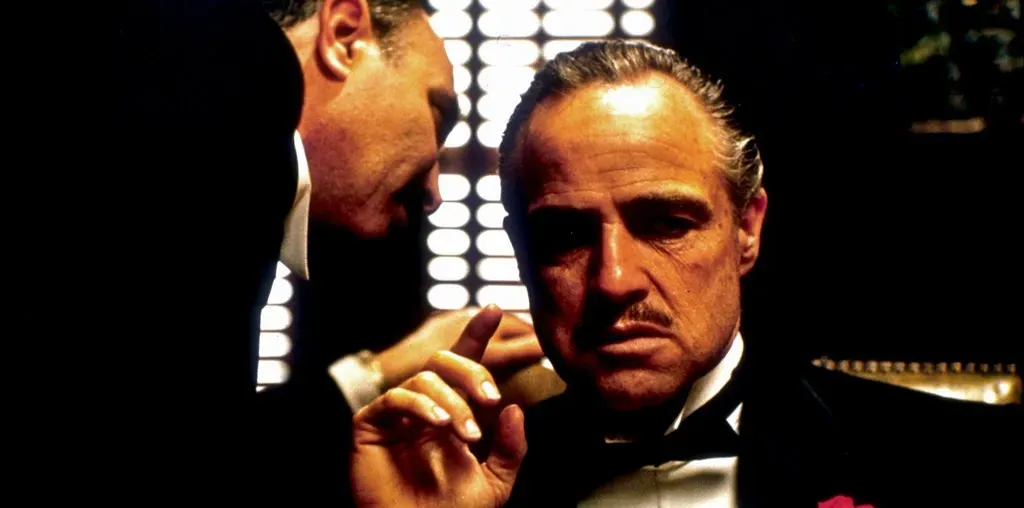
Francis Ford Coppola’s crime saga, adapted from Mario Puzo’s novel, won the Academy Award for Best Picture. It follows the Corleone family as Michael, played by Al Pacino, is pulled from the margins into the center of the business.
It holds up because it’s really about family, loyalty, and the cost of power, with the crime plot as the vehicle. The pacing is patient, yet scenes like the baptism sequence still land with real force. Its influence on later television and film drama is hard to overstate.
Jaws (1975)
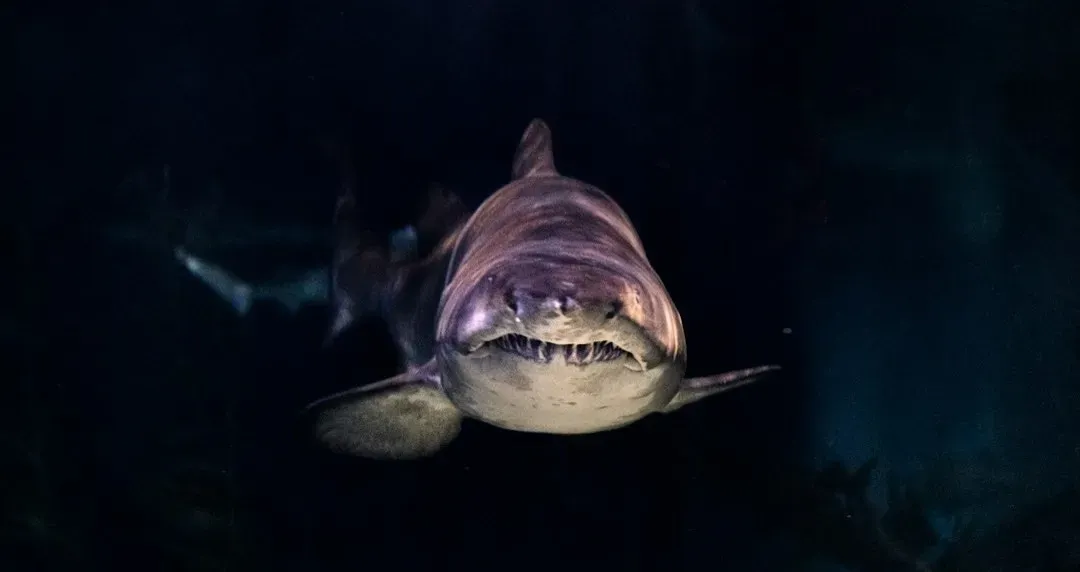
Steven Spielberg’s thriller about a shark terrorizing a New England beach town is widely credited as a forerunner of the modern summer blockbuster. Its mechanical shark famously gave the crew trouble, which pushed Spielberg to suggest the creature more than show it.
That restraint is why it still works. The suspense comes from John Williams’s score, tight editing, and three well drawn leads on a boat. Modern audiences used to constant spectacle often find the slow build refreshing.
Taxi Driver (1976)

Martin Scorsese’s portrait of Travis Bickle, a lonely Vietnam veteran working night shifts in New York, was written by Paul Schrader. Robert De Niro’s performance remains one of the most studied in American cinema.
The film’s focus on isolation and alienation feels oddly current. It doesn’t offer easy answers, and that ambiguity keeps viewers debating it decades later. It also won the Palme d’Or at Cannes in 1976.
Star Wars (1977)
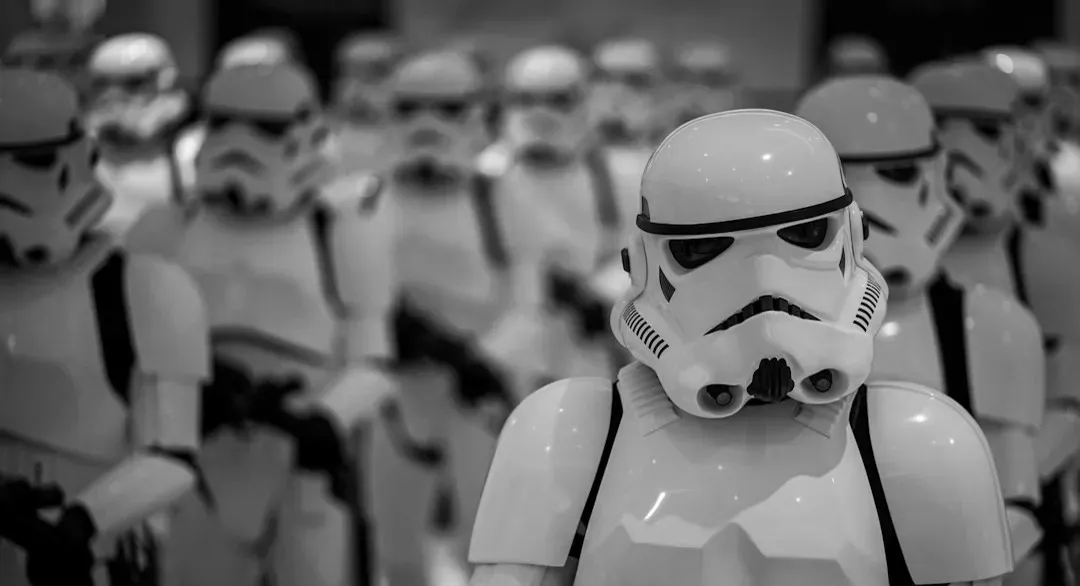
George Lucas’s space adventure became a cultural phenomenon and launched one of the largest franchises in film history. It borrowed from serials, westerns, and samurai films, then blended them into something that felt new.
Watching it now, the practical effects have a tactile charm that digital work sometimes lacks. The story is simple, clear, and fast, which makes it an easy first film for younger viewers. Its sense of wonder hasn’t really aged.
Partner offer
Alien (1979)

Ridley Scott’s haunted house story set aboard a commercial spacecraft mixed science fiction with slow, dread-filled horror. The creature design by H.R. Giger gave the film a look that’s still instantly recognizable.
Its working-class crew feels believable, and Sigourney Weaver’s Ripley became a landmark action lead. The tension is built through silence and shadow rather than constant noise. That’s a big reason it still unsettles first-time viewers.
Chinatown (1974)
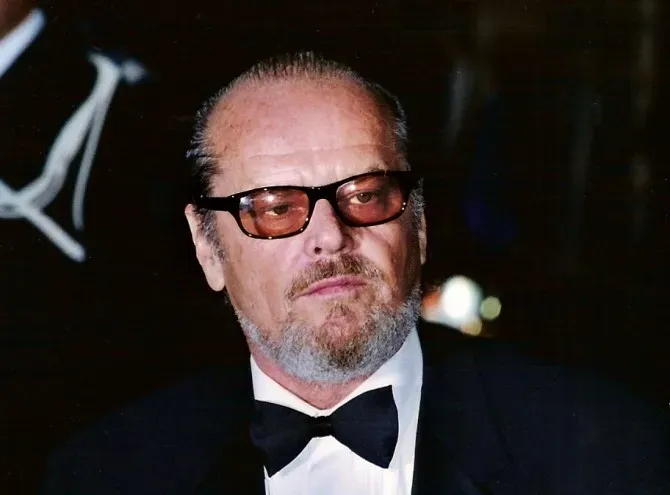
Roman Polanski’s neo-noir stars Jack Nicholson as a private investigator drawn into a tangled case involving water rights in Los Angeles. Robert Towne’s screenplay won the Oscar for Best Original Screenplay and is regularly held up as a model of the form.
The mystery is carefully built, and the ending is famously bleak. Because the story deals with corruption and resource control, it doesn’t feel locked in the past. It rewards a second viewing, too.
Apocalypse Now (1979)
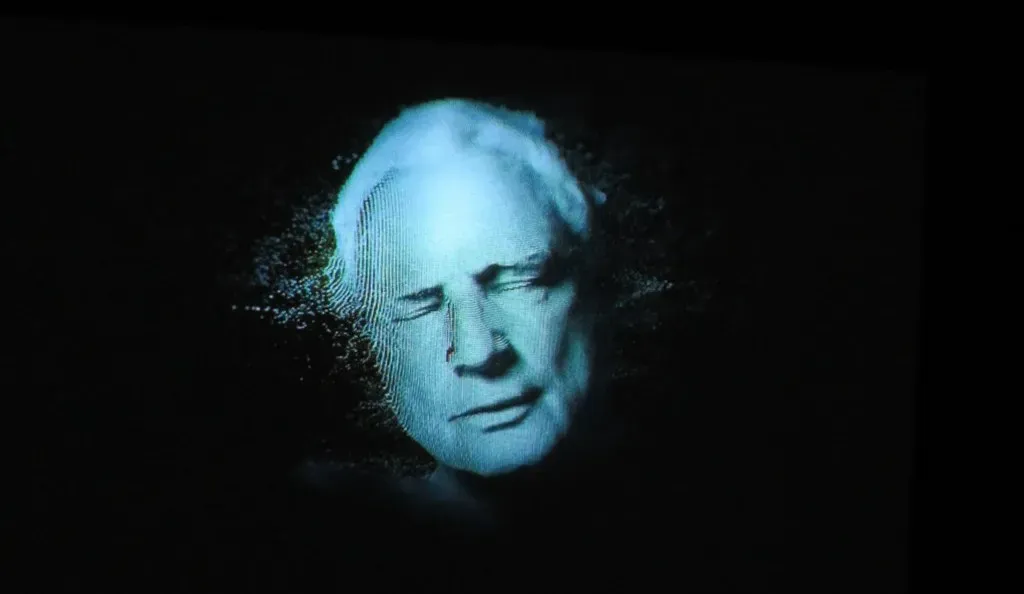
Coppola’s Vietnam War epic loosely adapts Joseph Conrad’s Heart of Darkness, following a captain sent upriver to find a rogue colonel. The production was notoriously difficult, a story documented in the film Hearts of Darkness.
On screen, the result is immersive and hallucinatory, with striking sound design and photography that won an Oscar for Vittorio Storaro. Its questions about war and moral collapse remain uncomfortable in a useful way. It’s long and demanding, but it’s worth the commitment.
One Flew Over the Cuckoo’s Nest (1975)
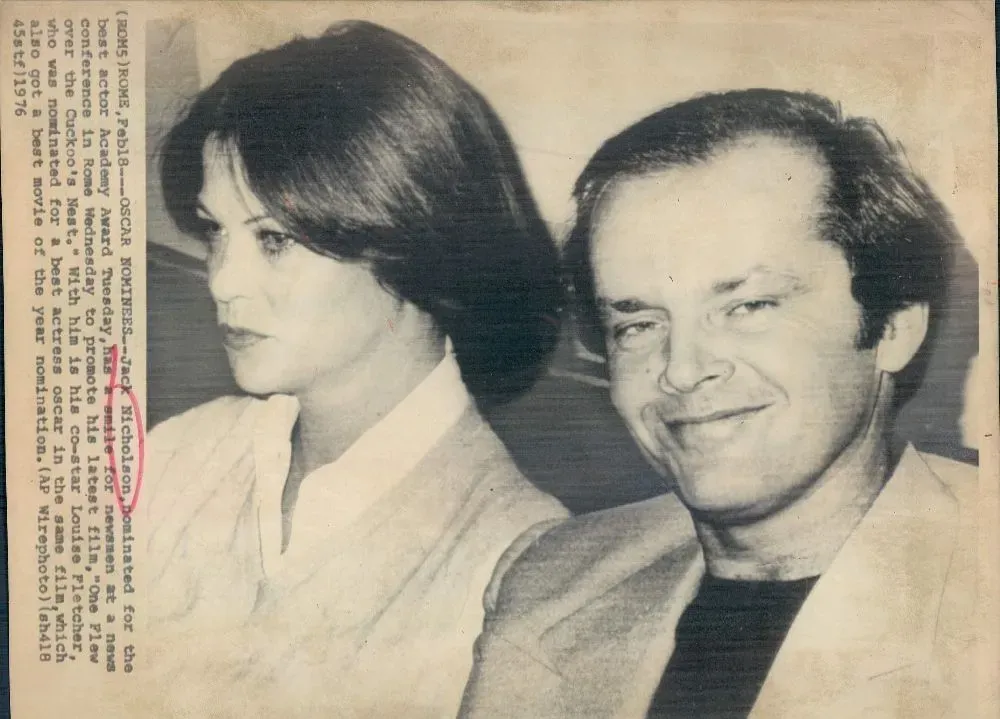
Milos Forman’s drama stars Jack Nicholson as a man who fakes insanity to escape prison labor and ends up in a mental institution. It swept the top five Academy Awards, including Best Picture, Best Director, Best Actor, Best Actress, and Best Screenplay.
Louise Fletcher’s chilling Nurse Ratched is a masterclass in quiet menace. Conversations about institutional power and individual freedom keep the story relevant. Though mental health care has changed greatly since then, the human drama still connects.
Annie Hall (1977)
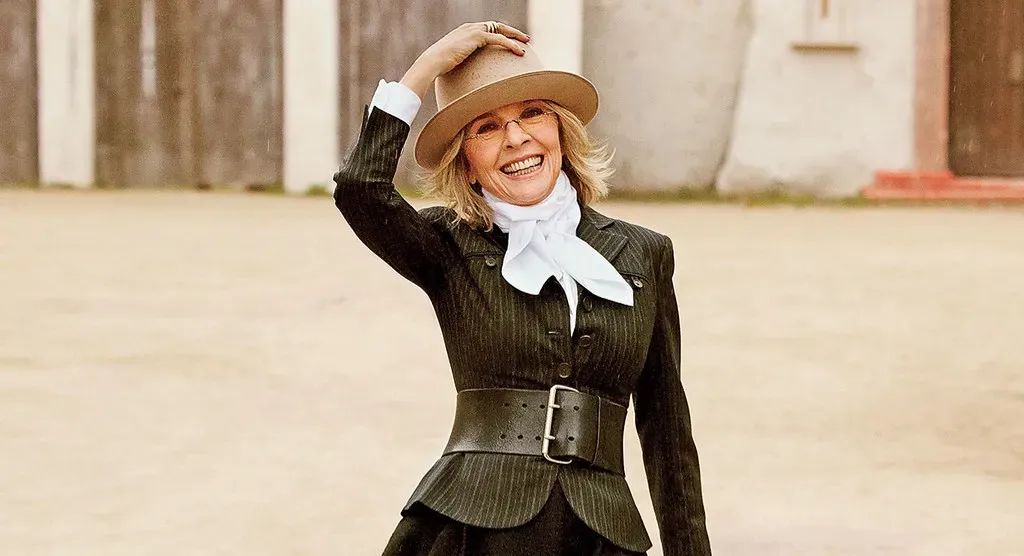
Woody Allen’s romantic comedy, co-written with Marshall Brickman, won Best Picture and gave Diane Keaton an Oscar for the title role. It traces a relationship from start to finish in a nonlinear, self-aware style.
Its fourth wall breaks, split screens, and direct address to the camera influenced many romantic comedies that followed. Keaton’s performance and fashion remain widely loved. The way it portrays the awkward, funny mess of modern dating still feels familiar.
Partner offer
Planning a trip to Vegas?
Compare hotel rates and show tickets on VEGAS.com.