It’s a strange irony of American literature that so many books now assigned as required reading were once considered dangerous enough to pull from shelves, burn in furnaces, or fight over in courtrooms. Censorship battles over classic novels have played out in school board meetings, public libraries, and even the U.S. Post Office, often decades apart and for wildly different reasons. Below are ten enduring works of fiction that, at one point or another, ran into official bans somewhere in the United States.
1. To Kill a Mockingbird by Harper Lee
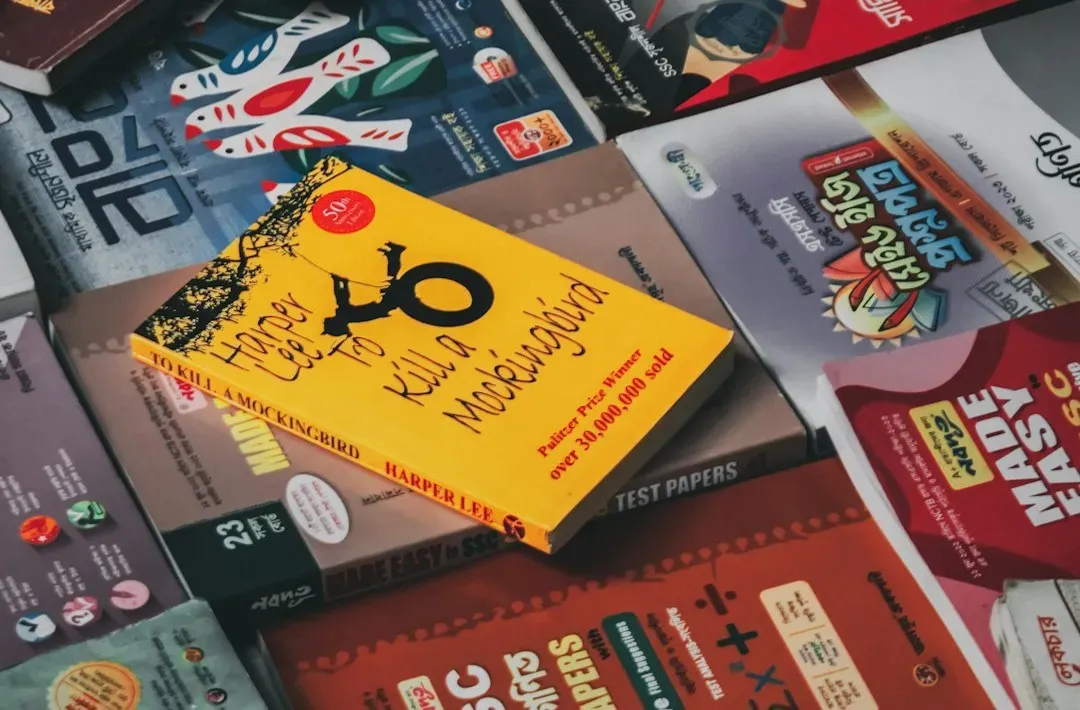
Harper Lee’s Pulitzer Prize winning story of Scout Finch and her father Atticus has become a staple of American classrooms, yet it remains one of the most frequently targeted books in the country. The novel has been repeatedly challenged and banned in schools amid complaints of profanity, racial epithets and a description of a rape. In 2020 it landed among the decade’s most contested titles, with the American Library Association noting it is one of the top ten most challenged and banned books of 2020, and among the 100 most banned and challenged books of the past decade (2010-2019).
One of the more notable recent episodes happened in Burbank, California, where teachers were told they would no longer be able to include on their curriculum Harper Lee’s To Kill a Mockingbird along with several other classic novels. The decision followed complaints from parents concerned about how the book’s language might affect Black students in the district, showing that even beloved anti-racist classics can become flashpoints for very different reasons than the ones that first got them banned decades ago.
2. The Catcher in the Rye by J.D. Salinger
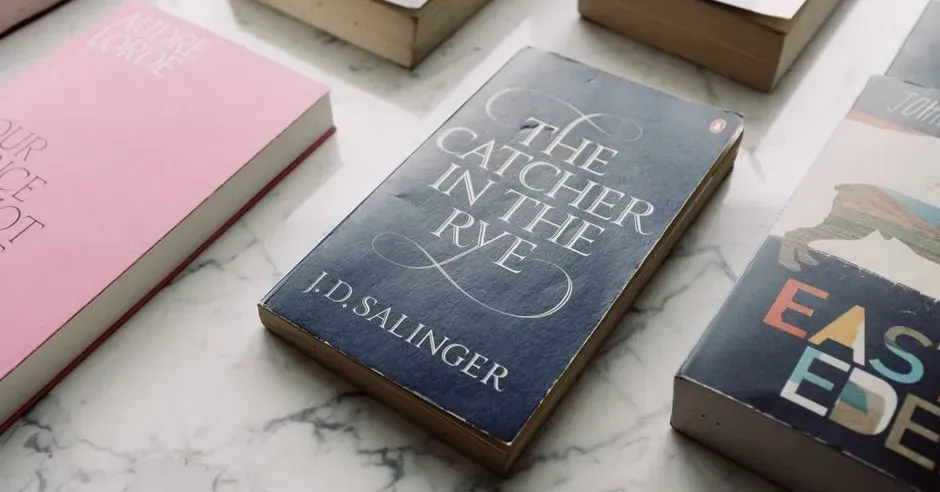
J.D. Salinger’s tale of the disaffected teenager Holden Caulfield has long been a lightning rod for controversy over its language and themes. A decade after its initial publication in 1951, from 1961 to 1982, “The Catcher in the Rye” was “the most censored book in American schools and libraries.” Its notoriety didn’t fade quickly either, as it stayed on the American Library Association’s most-challenged lists well into the 2000s.
The objections to the novel have ranged from its profanity to its frank depiction of adolescent alienation. In one memorable case, a school board member in Summerville, South Carolina, removed the book in 2001, calling it “a filthy, filthy book.” Despite, or perhaps because of, this reputation, the novel remains one of the most widely read works of twentieth century American fiction.
3. 1984 by George Orwell
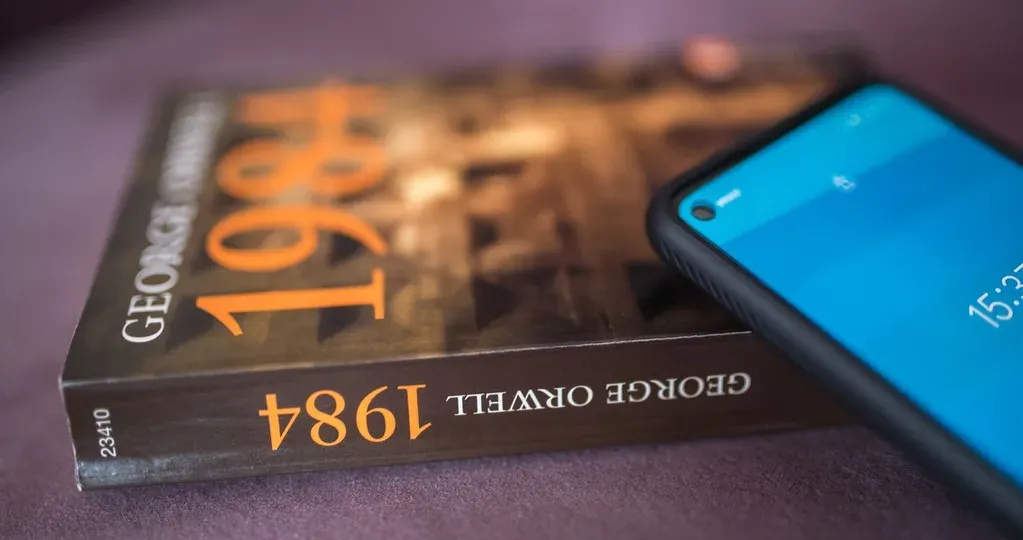
George Orwell’s dystopian warning about surveillance and totalitarian control has never stopped feeling relevant, which is part of why it keeps attracting scrutiny in the United States. It regularly appears alongside other classics on lists of frequently banned or challenged books, and its themes of government overreach have made it a target from multiple political directions over the years.
The book’s troubles have not been confined to the past. In 2025, a U.S. federal judge halted an Iowa statute that had been looking to ban books like 1984 and Ulysses from school libraries. That ruling is a reminder that fights over Orwell’s novel, first published in 1949, are still very much alive in American courts today.
4. The Adventures of Huckleberry Finn by Mark Twain
Mark Twain’s story of a boy and an escaped enslaved man rafting down the Mississippi River has drawn censorship attempts almost since it first appeared. In “Adventures of Huckleberry Finn,” Samuel Clemens tells the adventurous tale of two white boys and an escaped Black slave who sail down the Mississippi River on a raft, and the novel has faced serious scrutiny for its use of language since it was first published in 1884, continuing to be one of the most challenged books in the U.S. One of the earliest and most famous bans came from a major public library system.
Objections to the novel have shifted over time, moving from concerns about its portrayal of morality to more recent debates over its repeated use of a racial slur. It was among the books pulled from Burbank’s curriculum in 2020, and it continues to spark disagreement in school districts that must weigh its literary and historical significance against the discomfort its language can cause in the classroom.
5. Of Mice and Men by John Steinbeck
John Steinbeck’s slim but powerful novel about two migrant workers during the Great Depression has faced some of the most persistent censorship efforts of any American classic. The book has been banned for racial slurs, profanity, and vulgarity in various districts around the country. Its short length has not spared it from scrutiny, and in some cases has made it an even easier target for parents flipping through required reading lists.
In Idaho, the novel barely survived a censorship attempt in which the case was taken all the way to a school board, while a Missouri district banned it in 2004 citing a school policy against profanity. It was also one of the titles pulled from mandatory reading lists in Burbank in 2020 alongside To Kill a Mockingbird and Huckleberry Finn.
6. Slaughterhouse-Five by Kurt Vonnegut
Kurt Vonnegut’s genre bending anti-war novel, built around the firebombing of Dresden and a soldier unstuck in time, has faced some of the harshest censorship treatment of any book on this list. The American Library Association reports that towns in New York, Ohio and Florida have banned “Slaughterhouse-Five” because of the book’s explicit sexual scenes, violence and obscene language. The novel’s blend of dark humor and war trauma has unsettled school boards for decades.
Partner offer
Perhaps the most jarring example came in North Dakota. In 1973, the school district of Drake, North Dakota, even burned 32 copies of the novel in its high school’s coal furnace. A Missouri school board also voted unanimously in 2011 to remove the book from library shelves, with complaints it was profane and incompatible with biblical principles driving that decision.
7. Brave New World by Aldous Huxley
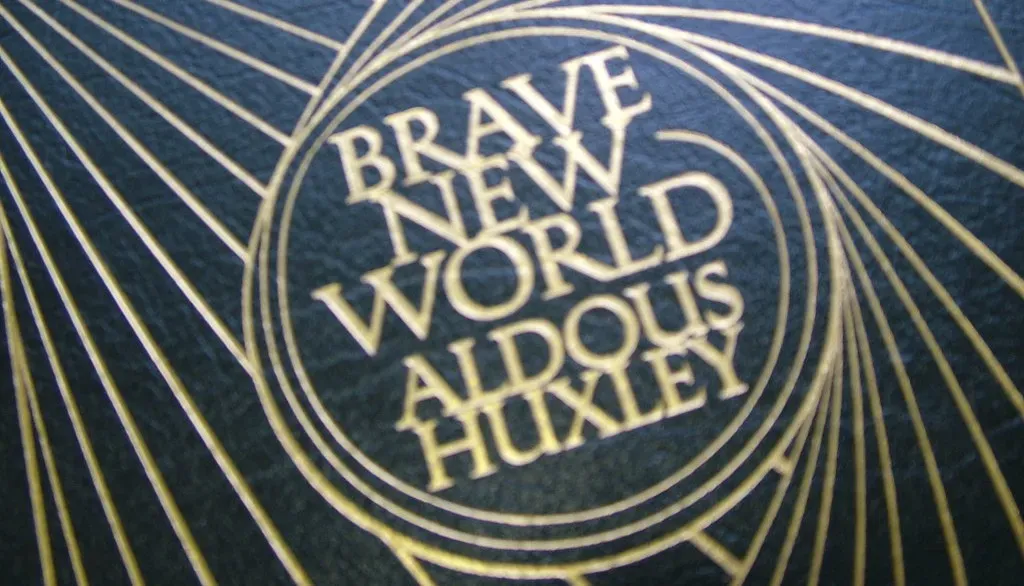
Aldous Huxley’s vision of a pleasure-numbed, genetically engineered future society has unsettled readers since its 1932 publication, and it has repeatedly landed on lists of banned and challenged American classics. Along with Orwell’s 1984, it represents one of the twentieth century’s defining dystopian novels, and both books have often been swept up in the same censorship debates over depicting authoritarian control and social engineering.
A well known 1979 photograph from the Library of Congress collection documented banned books in 1979, including Brave New World by Aldous Huxley, The Grapes of Wrath and Of Mice and Men by John Steinbeck, Slaughterhouse-Five by Kurt Vonnegut, and To Kill a Mockingbird by Harper Lee, underscoring just how often these titles have been grouped together in the same censorship controversies decade after decade.
8. The Grapes of Wrath by John Steinbeck
Steinbeck’s sweeping Dust Bowl epic about the Joad family’s journey to California drew fierce backlash almost immediately after its 1939 release. The Grapes of Wrath was an immediate success upon publication, but it also faced immense backlash with banning attempts and burning all over the country and in Kern County, California, with obscene language cited as one of the reasons behind the ban. The novel’s sympathetic portrayal of struggling migrant workers made it politically explosive at the time.
Beyond its language, the book’s unflinching critique of agricultural business practices and its perceived political leanings made it a target for those who saw it as too sympathetic to labor movements. Despite the controversy, or arguably because of it, the novel went on to win the Pulitzer Prize and remains one of the most studied works of American realism.
9. Ulysses by James Joyce
James Joyce’s sprawling modernist retelling of Homer’s Odyssey, set over a single day in Dublin, holds the distinction of being one of the most aggressively banned books in American history, long before it became a fixture of college syllabi. In the early 1930s, Ulysses was the most notorious banned book in the United States, using a stream-of-consciousness style to describe twenty-four hours in the life of a lower-middle class Dubliner, and it was legally obscene. The novel had trouble reaching American readers even before it was finished.
Its suppression started with a magazine serialization. The Post Office Department confiscated the issues and burned them, and the New York Society for the Suppression of Vice had obscenity charges brought against the editors for having published a chapter involving Bloom. The ban finally lifted in 1933 when a court ruling overturned it, with Judge John Woolsey concluding that “owing to some of its scenes ‘Ulysses’ is a rather strong draught to ask some sensitive though normal person to take.”
10. Beloved by Toni Morrison
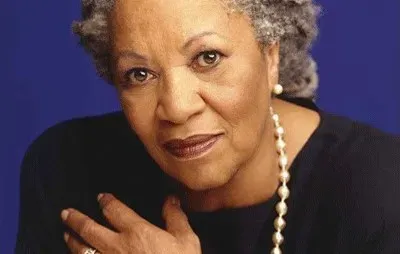
Toni Morrison’s haunting novel about a formerly enslaved woman confronting the trauma of her past has faced steady censorship pressure since its 1987 publication, largely because of its unflinching content. Beloved has been banned for its explicit depictions of violence, sexual content, and the intense psychological and physical trauma experienced by the characters. Its subject matter, rooted in the horrors of slavery, has made it uncomfortable reading for some communities even as critics and educators praise its literary importance.
The novel’s Pulitzer Prize did little to shield it from repeated attempts to remove it from school reading lists and library shelves. It has continued to draw challenges in recent years as broader debates over how American schools teach the history of slavery and race have intensified, keeping Morrison’s masterwork squarely in the center of ongoing censorship fights.
What ties these ten novels together isn’t a shared political stance or a single controversial theme, but rather their willingness to portray difficult truths about violence, race, sexuality, war, and power. Some were banned for language that reflected the ugliness of their era, others for ideas that felt threatening to the status quo of the moment. Either way, each of these books survived its censors and went on to become part of the literary canon, which says something about the staying power of stories that refuse to look away from uncomfortable realities.
Partner offer
Planning a trip to Vegas?
Compare hotel rates and show tickets on VEGAS.com.