Every so often a manuscript arrives on an editor’s desk and gets sent right back with a polite note explaining why it just won’t work. Sometimes that editor is wrong in a spectacular, career defining way. The books below spent months or years bouncing between publishing houses, collecting rejection slips that now read like historical curiosities, before eventually finding the one editor willing to take a chance. What makes these stories worth revisiting isn’t just the irony, though there’s plenty of that. It’s a reminder that literary judgment, even from professionals, is far from an exact science.
1. Carrie by Stephen King
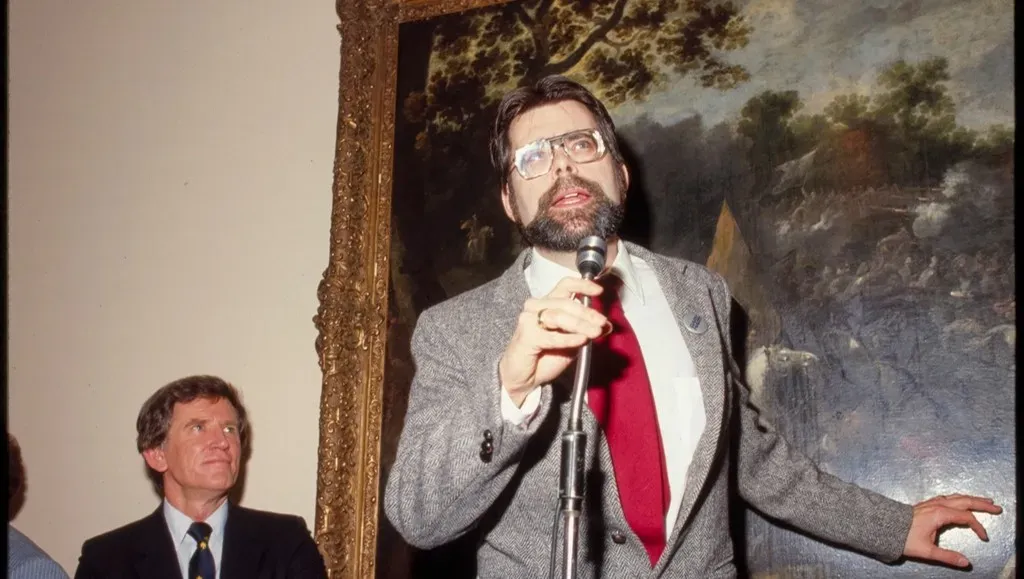
Before Stephen King became one of the most recognizable names in fiction, his debut novel was turned away by publisher after publisher. Carrie was rejected by thirty publishers. One particularly memorable rejection note read, “We are not interested in science fiction which deals with negative utopias.”
King reportedly grew so discouraged that he tossed the manuscript in the trash, only for his wife Tabitha to fish it out and encourage him to keep going. His first novel, Carrie, was rejected by thirty publishers. He was living in a trailer with his wife and two kids at the time, and he was so discouraged, he threw the manuscript into the trash. Luckily for him, his wife, Tabitha, retrieved the book and urged him to keep working on it. Doubleday finally took the gamble, and the novel launched a career that continues to shape modern horror fiction.
2. Harry Potter and the Philosopher’s Stone by J.K. Rowling

J.K. Rowling’s tale of a boy wizard is now one of the best selling book series in history, but getting it into print was a slog. J. K. Rowling’s first Harry Potter manuscript was rejected by approximately twelve publishers before being accepted. Rowling was a single mother at the time, working on the manuscript wherever she could find the time and quiet to write.
The book finally found a home thanks to an unlikely reader. The novel got off the ground owed not to any keen-eyed adult who immediately foresaw its colossal potential, but to the daughter of the chairman of Bloomsbury, who was enthralled and delighted by the manuscript’s first chapter. Even then, expectations were modest, since the first print run was a meagre 500 copies.
3. Dune by Frank Herbert

Frank Herbert’s sprawling science fiction epic is now considered one of the genre’s defining works, yet it struggled badly to find a publisher willing to bet on it. Dune had been rejected by 20 publishers before it was published. Part of the problem was practical: the book was long, dense, and difficult to categorize for a market used to shorter, punchier science fiction.
The novel eventually found an unlikely champion. Chilton Books, the company that ultimately published the book, was then known mostly for its auto repair manuals. It turned out to be one of publishing’s great gambles, since Dune went on to become the best-selling science-fiction book in history, translated into more than 20 languages and selling some 20 million copies.
4. The Diary of a Young Girl by Anne Frank
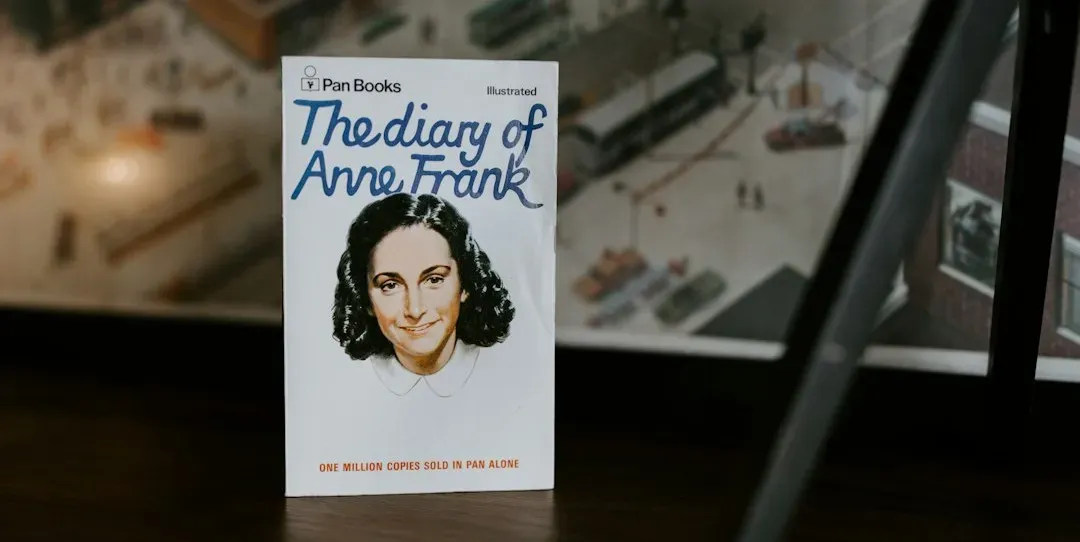
Anne Frank’s diary, written while she and her family hid from Nazi persecution, is now one of the most widely read nonfiction works of the twentieth century. Before that, though, it faced repeated dismissal from publishers unsure of its commercial appeal. Anne Frank’s amazing The Diary of a Young Girl was rejected 15 times.
Publishers at the time reportedly doubted that a young girl’s wartime diary would find a wide audience, a judgment that history has thoroughly overturned. The book has since been translated into dozens of languages and remains a staple of classrooms and reading lists worldwide, serving as a firsthand account of the Holocaust that continues to resonate with new generations of readers.
5. Lord of the Flies by William Golding

William Golding’s grim allegory about schoolboys stranded on a deserted island is now a fixture of school curriculums, but it very nearly never made it to print. William Golding’s Lord of the Flies was turned down 20 times before publication. Editors of the era apparently found its bleak view of human nature too dark or too implausible for young readers.
Once published, the novel’s reputation grew steadily rather than exploding overnight. It eventually became required reading in schools across the English speaking world, praised for its unflinching examination of civilization, savagery, and what happens when the rules of society fall away. Golding went on to win the Nobel Prize in Literature, a fact that makes those twenty rejections look particularly shortsighted in hindsight.
Partner offer
6. Watership Down by Richard Adams

A novel about rabbits searching for a new home sounds like a hard sell to skeptical publishers, and it was. This allegorical bunny tale was rejected over 20 times for being too long and weird before finally being published. Editors doubted whether readers, young or old, would take a story about talking rabbits seriously.
They were wrong on a grand scale. It has always been in print since 1972, and the novel has since been embraced as a layered work exploring themes of leadership, survival, and displacement, far removed from a simple children’s animal tale. Its lasting popularity across generations of readers proved that the concerns publishers had about the book’s length and unusual premise were misplaced.
7. A Wrinkle in Time by Madeleine L’Engle

Madeleine L’Engle’s genre bending mix of science fiction and fantasy for young readers baffled the publishing industry of its time. Ms. L’Engle’s A Wrinkle in Time was rejected by 26 publishers before finally breaking into print. Editors weren’t sure what shelf the book belonged on, since it blended physics concepts with a deeply personal family story in a way few children’s books had attempted before.
The gamble paid off handsomely once someone finally said yes. It went on to win the 1963 Newbery Medal, one of the most prestigious honors in children’s literature. The novel has remained continuously in print since, and its blend of scientific wonder and emotional depth continues to influence young adult and middle grade fiction today.
8. Frankenstein by Mary Shelley
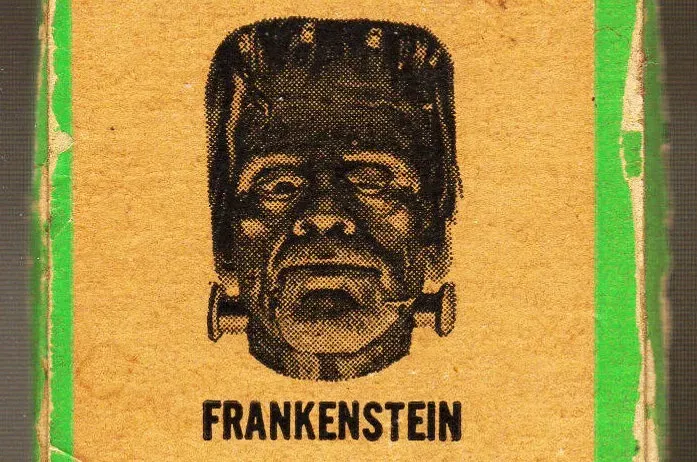
Mary Shelley’s gothic tale of a scientist and his creation is now considered a foundational work of science fiction, though its beginnings were far humbler. In March 1818 a small publisher, Lackington, Hughes, Harding, Mayor, and Jones, agreed to publish Shelley’s debut, although part of the terms of publication were that Shelley’s name would not grace the cover. That anonymity reflected the publishing world’s discomfort with a young woman writing such unsettling material.
Even after publication, the novel’s initial reception was underwhelming rather than triumphant. As with King’s Carrie, Frankenstein’s reception was initially underwhelming, with its first print run limited to just 500 copies of which booksellers only bought twenty-five. It took over a decade for the book to find the commercial and cultural success that eventually made its monster one of literature’s most enduring figures.
9. Animal Farm by George Orwell
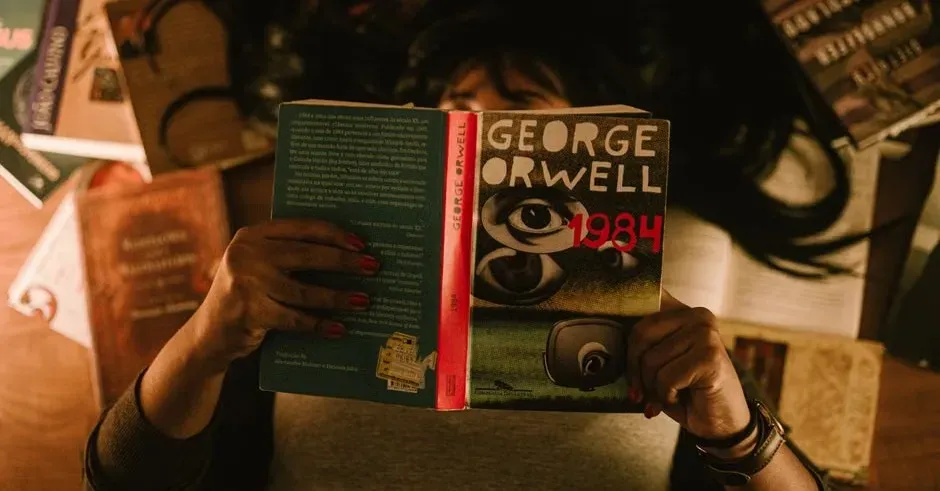
George Orwell’s political fable about farm animals overthrowing their human owner ran into a wall of publisher hesitation, largely because of its pointed critique of Soviet style totalitarianism during a politically sensitive period. Animal Farm received rejection after rejection because of its political content before being published in 1945 to great acclaim. Publishers worried about the diplomatic fallout of criticizing an ally during wartime, even in allegorical form.
Once it finally reached readers, the reaction was immediate and lasting. It is now considered an essential political and dystopian work, studied in classrooms for its sharp commentary on power, propaganda, and the corruption of revolutionary ideals. The novel’s short length and fable like structure have only helped cement its place as one of the most widely read political satires ever written.
10. Dubliners by James Joyce

James Joyce’s collection of interconnected short stories about life in early twentieth century Dublin faced an unusually long and frustrating path to publication. This anthology of short stories was rejected 22 times over its controversial content before being published to acclaim. Publishers of the era were wary of its frank depictions of Irish life, which some considered too unflattering or morally questionable for public consumption.
Joyce’s persistence through years of rejection eventually paid off, and Dubliners is now regarded as a masterwork of modernist short fiction. The collection’s stories, including the widely studied closing piece “The Dead,” are still taught in university literature courses as examples of psychological realism and narrative restraint. Joyce’s reputation, built in part on this early collection, would go on to reshape the direction of twentieth century fiction entirely.
Taken together, these ten stories offer a useful corrective to the idea that great books announce themselves immediately. Publishing has always involved guesswork, and even experienced editors misjudge what readers will eventually embrace. For anyone currently facing their own stack of rejection letters, these examples don’t guarantee success, but they do suggest that a single no, or even thirty of them, rarely tells the whole story.Partner offer
Planning a trip to Vegas?
Compare hotel rates and show tickets on VEGAS.com.