
Some movies age like old newsreels, curious but distant, tied firmly to the era that made them. Others seem to slip the leash of time entirely, still sharp, still relevant, still capable of catching a new viewer off guard. The ten films below span several decades, yet each one plays today with a clarity that feels almost accidental, as if the filmmakers were quietly working ahead of their own moment.
1. Metropolis (1927)
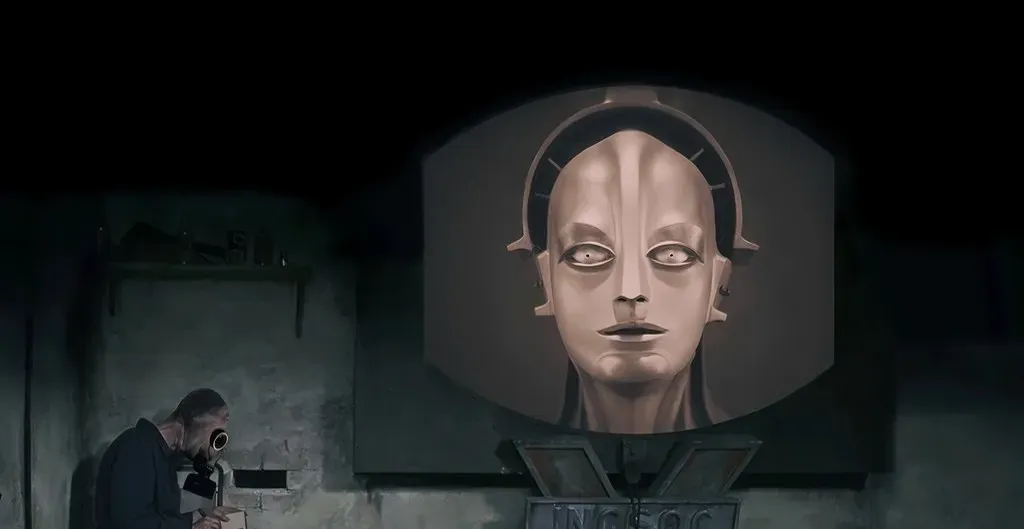
Fritz Lang’s silent epic imagined a vertical city split between glittering elites above and exhausted laborers below, a divide that still reads as a blunt commentary on automation and inequality. Its visual language, all soaring towers and mechanized crowds, shaped the look of science fiction for the rest of the century. Modern viewers often notice how little translation is needed for its themes of corporate control and worker unrest.
The film’s design influence shows up constantly in later blockbusters, from dystopian skylines to android imagery. Restoration efforts over the past two decades, including the recovery of long-lost footage in Argentina in 2008, have only sharpened its reputation as a film ahead of its time. Watching it now, the silence somehow makes the social commentary feel more direct, not less.
2. M (1931)
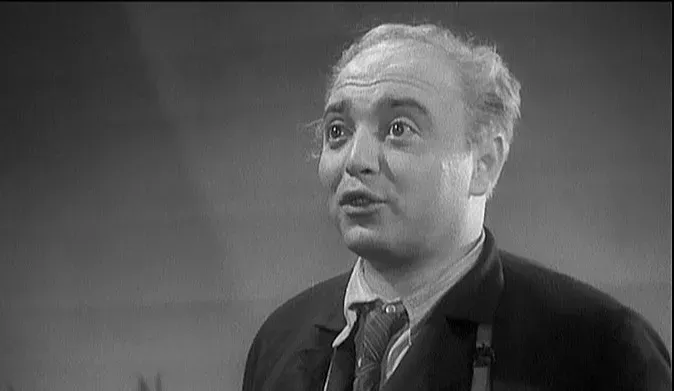
Fritz Lang again, this time with a tense, procedural thriller about a child murderer and the panic he sets off across a German city. The film’s structure, cutting between police investigation and criminal underworld, plays like a template for modern crime dramas. Peter Lorre’s performance as the killer remains unsettling not because of gore, which the film mostly avoids, but because of how ordinary he seems.
What feels especially current is the film’s interest in mob psychology and media-fueled hysteria, themes that resurface constantly in modern true crime coverage. The moral ambiguity, showing both police and criminals as flawed institutions chasing the same man, resists the tidy heroism common in films of its era. It is a movie that trusts its audience to sit with discomfort rather than resolve it neatly.
3. Sunset Boulevard (1950)

Billy Wilder’s acid look at Hollywood’s obsession with youth and fame has only gained relevance as celebrity culture has grown louder. Gloria Swanson’s portrayal of a faded silent film star clinging to relevance anticipates modern anxieties about aging out of an industry built on image. The film’s narration from a dead man floating in a swimming pool still feels like a daring structural choice.
Its cynicism about the entertainment business, the way it exposes flattery, manipulation, and the desperation for a comeback, reads like it could describe any number of contemporary industry scandals. Wilder never lets the audience feel superior to the characters, which keeps the satire from feeling dated or smug. The film’s central warning about chasing relevance at any cost has not lost its sting.
4. 12 Angry Men (1957)
Sidney Lumet’s courtroom drama unfolds almost entirely in one room, yet it remains one of the tightest character studies ever put on film. The story follows a jury debating a young man’s guilt, slowly revealing how personal bias, laziness, and prejudice shape decisions meant to be purely rational. Its minimal setting keeps the focus entirely on dialogue and performance, a choice that still influences low-budget, dialogue-driven filmmaking today.
The film’s examination of unconscious bias in the justice system feels remarkably aligned with current conversations about fairness and due process. Henry Fonda’s calm, methodical juror who slowly dismantles the room’s assumptions offers a model of persuasion that still resonates in an era obsessed with viral arguments and quick certainty. Few films from the 1950s hold up this well simply on the strength of conversation.
5. Dr. Strangelove (1964)
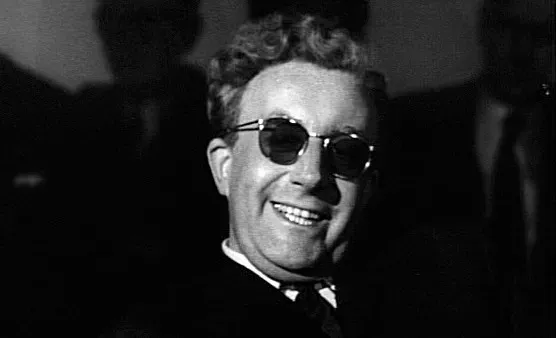
Stanley Kubrick’s satire of nuclear brinkmanship remains startlingly funny and startlingly plausible, a combination that keeps it relevant whenever geopolitical tensions rise. The film mocks the absurdity of military bureaucracy and macho posturing with a precision that modern political satire often tries and fails to match. Peter Sellers’ triple role, especially the deranged former Nazi scientist advising the American president, has become shorthand for a certain kind of dangerous incompetence.
Its central joke, that catastrophic decisions can emerge from ego, miscommunication, and institutional inertia rather than grand villainy, still describes how real crises often unfold. The film’s dark humor about mutually assured destruction has aged into something closer to prophecy than parody. Watching it now, its skepticism toward unchecked authority feels less like satire and more like observation.
Partner offer
6. Rosemary’s Baby (1968)
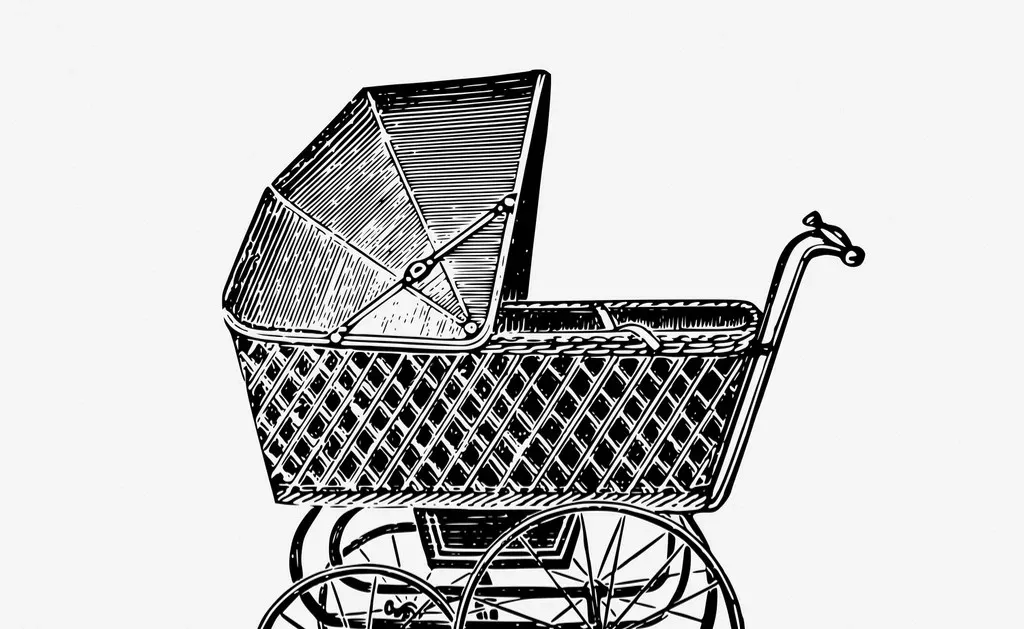
Roman Polanski’s slow-burn horror film taps into something that still unsettles modern audiences, the erosion of a woman’s autonomy over her own body and choices. Mia Farrow’s character is gradually isolated, gaslit, and controlled by everyone around her, including doctors and neighbors who claim to have her best interests at heart. The horror comes less from supernatural imagery and more from watching her reality be dismissed piece by piece.
Contemporary viewers frequently point to the film’s portrayal of medical paternalism and social isolation as strikingly relevant to modern discussions about reproductive rights and gaslighting. Its apartment building setting, claustrophobic and oddly ordinary, keeps the dread grounded rather than fantastical. The film’s patience, letting tension build through suggestion rather than shock, remains a benchmark for psychological horror.
7. Network (1976)
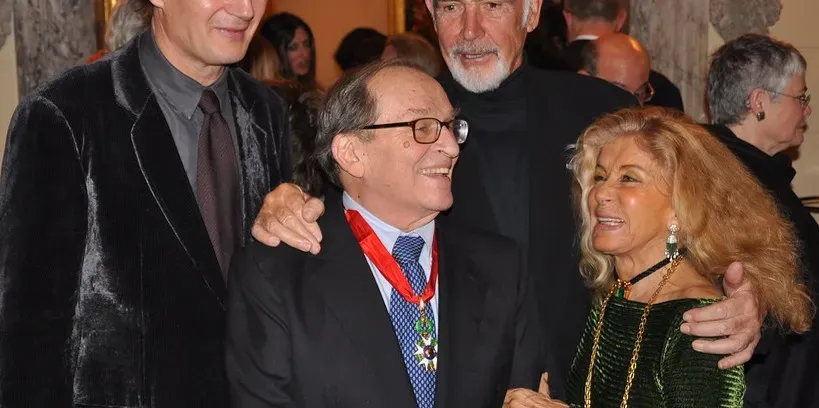
Sidney Lumet’s media satire predicted, almost too accurately, the rise of ratings-driven news and manufactured outrage. The film follows a television anchor whose on-air breakdown is exploited for ratings rather than treated as a crisis, a plot that feels less like fiction with every passing news cycle. Its most famous line about being mad as hell has become a cultural touchstone precisely because the sentiment never stopped feeling relevant.
The film’s depiction of executives chasing engagement over substance reads like an early warning about the attention economy that now dominates streaming and social media. Faye Dunaway’s ruthless programming executive anticipates the data-driven decision making that shapes much of today’s content landscape. Few films from the 1970s feel this directly aimed at the media environment of 2026.
8. Alien (1979)
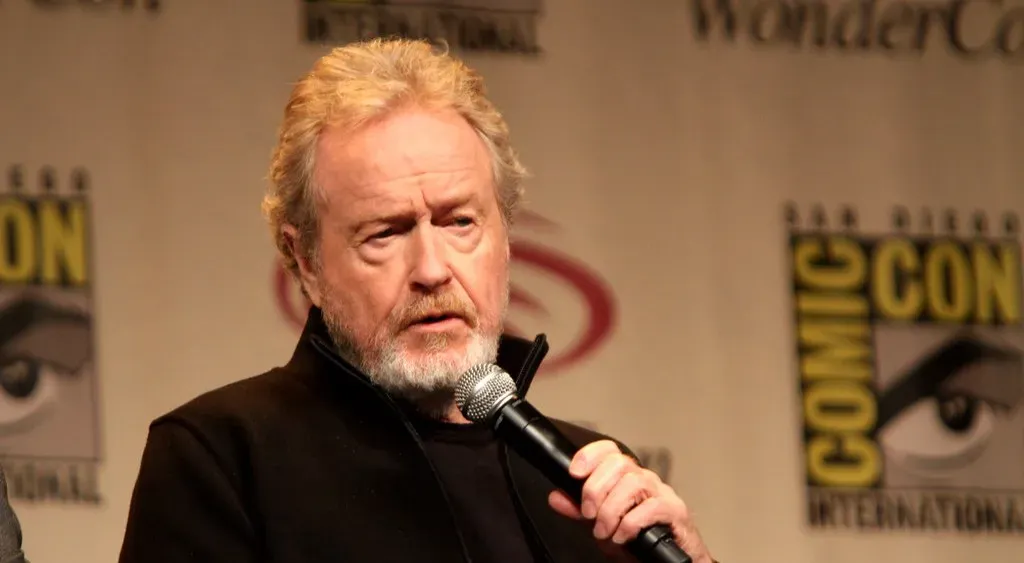
Ridley Scott’s blend of horror and science fiction still feels lean and unsettling nearly five decades later, mostly because it prioritizes atmosphere over spectacle. The industrial, lived-in design of the Nostromo spacecraft rejected the sleek futurism common in earlier sci-fi, a choice that shaped how blockbuster franchises depict space travel for decades afterward. Sigourney Weaver’s Ripley became one of the first action heroines to feel fully realized rather than decorative.
The film’s corporate villain, a company willing to sacrifice its crew for profit, has only grown more resonant as public distrust of large corporations has deepened. Its slow pacing, often criticized at release, now reads as confident restraint compared to the frantic editing of many modern blockbusters. The practical effects, still admired by filmmakers today, hold up with a tactile realism that computer generated imagery often struggles to match.
9. Blade Runner (1982)
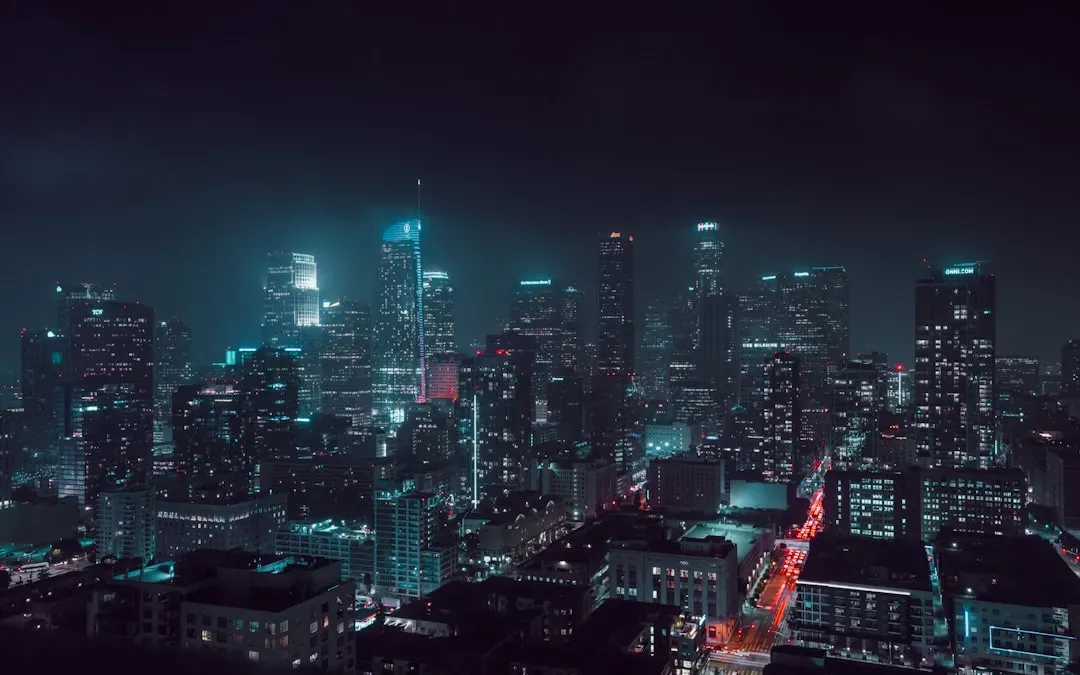
Ridley Scott’s neon-soaked vision of a decaying future city anticipated debates about artificial intelligence, corporate overreach, and environmental decline that dominate headlines in 2026. The film’s central question, what separates artificial life from human life, has only become more pressing as real-world AI systems grow more sophisticated. Its rain-soaked, advertisement-heavy Los Angeles skyline still influences the visual style of modern science fiction and even real urban architecture discussions.
Harrison Ford’s world-weary detective chasing synthetic humans called replicants explores empathy and identity with a seriousness that many contemporary AI films still struggle to match. The film’s ambiguous ending, deliberately left open to interpretation, continues to fuel discussion decades after its release. Its themes feel less like retro science fiction and more like an early draft of conversations happening right now.
10. Do the Right Thing (1989)

Spike Lee’s portrait of racial tension on a single sweltering Brooklyn block remains one of the most direct cinematic examinations of systemic injustice ever made. The film builds slowly through everyday interactions before erupting into violence, a structure that mirrors how real social tensions often escalate. Its refusal to offer a tidy resolution or a clear moral lesson was controversial at release and remains its most enduring strength.
Conversations about policing, gentrification, and community trust that dominate the film feel almost unchanged when viewed against ongoing debates in 2026. Lee’s decision to give multiple characters valid, conflicting perspectives keeps the film from feeling like propaganda for any single viewpoint. Few films from the late 1980s speak this directly to issues still unresolved decades later.
Each of these films earned lasting relevance not by predicting specific events, but by capturing something durable about human behavior, institutions, or fear that never fully goes away. Watching them today says as much about the present moment as it does about the era in which they were made.Partner offer
Planning a trip to Vegas?
Compare hotel rates and show tickets on VEGAS.com.