There’s something oddly satisfying about a movie that refuses to let time skip forward. No months passing in a blink, no “three years later” title cards. Just one day, ticking along in something close to real time, forcing characters to sort out their entire lives before the sun comes up or goes down again.
These films use that tight window to their advantage, cranking up tension, comedy, or heartbreak simply because nobody gets a break. Here are ten movies that prove a single day can hold an entire story.
1. Die Hard (1988)

John McClane’s Christmas Eve visit to his estranged wife’s office party turns into a hostage situation the moment Hans Gruber and his crew take over Nakatomi Plaza. The entire film unfolds across one long night, with McClane crawling through air ducts and picking off terrorists one by one while barefoot and bleeding. It’s become the gold standard for action movies set within a compressed timeframe, and its influence still shows up in how studios pitch “Die Hard on a…” premises decades later.
What makes the single-night structure work so well is the sense of exhaustion that builds. McClane isn’t a superhero who shrugs off pain between scenes; he’s visibly worn down as the night drags on, which makes his eventual victory feel earned rather than inevitable.
2. Before Sunrise (1995)
Richard Linklater’s romantic drama follows Jesse and Celine, two strangers who meet on a train and decide to spend one night wandering Vienna together before Jesse’s flight leaves the next morning. The whole film is essentially one long conversation, moving from cafes to a Ferris wheel to a listening booth in a record shop, with nothing rushing the pair toward resolution. Its low-key structure was unusual for a studio romance at the time, and it helped launch a trilogy that would revisit the couple nine years later, then again nine years after that.
The single-day format suits the film’s central idea perfectly, since Jesse and Celine both know their time is borrowed and finite. That ticking clock gives every conversation a quiet urgency without ever feeling artificial or forced.
3. Do the Right Thing (1989)
Spike Lee’s film takes place on the hottest day of the summer in Brooklyn’s Bedford-Stuyvesant neighborhood, where rising temperatures mirror rising racial tensions between residents and a local pizzeria owner. The heat is practically a character itself, pushing everyone toward a boiling point that erupts by nightfall. Lee shot the film with a heightened, almost feverish visual style to match the oppressive weather, and the compressed timeline gives the escalation a sense of inevitability rather than melodrama.
Because everything happens in one stretch of daylight into darkness, there’s no room for the audience to look away or assume things will cool down. The film asks its audience to sit with discomfort in real time, which is part of why it remains a staple of film school syllabi and public conversation alike.
4. Groundhog Day (1993)

Technically this one cheats a little, since weatherman Phil Connors relives February 2nd in Punxsutawney over and over, but each individual day still functions as its own self-contained unit. The repetition is the entire joke and the entire emotional arc, as Phil moves from selfish frustration to genuine personal growth by learning to actually pay attention to the people around him. The film never explains why the loop happens, and that mystery has only made it more beloved as a kind of secular parable about change.
What’s interesting is how the single day gets reinterpreted dozens of times without ever feeling repetitive to watch. Director Harold Ramis and star Bill Murray found enough variation in Phil’s choices that the sameness of the day becomes a canvas rather than a limitation.
5. Dazed and Confused (1993)

Linklater’s other major entry on this list follows a group of Texas high schoolers on the last day of school in 1976, wandering between hazing rituals, keg parties, and pool halls as summer stretches out ahead of them. There’s barely a plot in the traditional sense, just a loose collection of characters drifting through their evening, which fits the nostalgic, hangout vibe the film is going for. It’s become a touchstone for coming-of-age storytelling precisely because it doesn’t force its characters into tidy arcs within the timeframe.
The single-night setting lets the film capture a specific kind of aimless freedom that only exists on the last day before everything changes. That feeling of standing at the edge of something, without quite knowing what comes next, is baked into the structure itself.
Partner offer
6. 12 Angry Men (1957)
Sidney Lumet’s courtroom drama takes place almost entirely in one sweltering jury room, where twelve men debate the fate of a young defendant accused of murder. The entire deliberation happens in real time on a single afternoon, and the film never leaves that room except for brief moments, which forces the tension to come purely from dialogue and performance. Henry Fonda’s holdout juror gradually chips away at the certainty of his fellow jurors, and the confined setting makes every shift in opinion feel consequential.
Few films demonstrate as clearly how a single location and a single day can generate sustained drama without any action sequences or scene changes. It remains frequently cited in film schools as a masterclass in tension built entirely from conversation and character.
7. Superbad (2007)
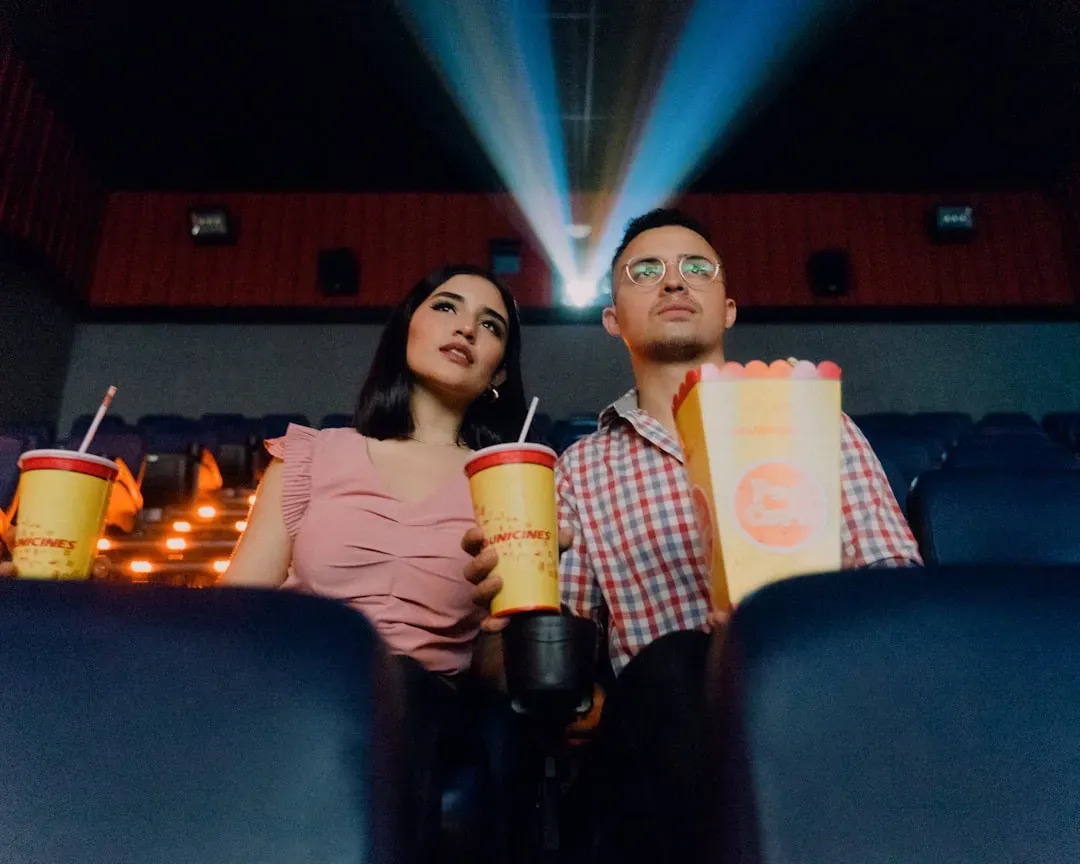
Seth and Evan’s last day of high school becomes a chaotic quest to buy alcohol for a party, and their attempts to score booze and impress their crushes spiral into one increasingly absurd night. The film, written by Seth Rogen and Evan Goldberg, leans into raunchy comedy while still finding room for a surprisingly tender friendship story underneath all the chaos. Because everything happens in one continuous stretch, the escalating disasters feel connected rather than episodic.
The compressed timeline also heightens the emotional stakes of the friendship at the film’s center, since Seth and Evan are facing the reality that college will physically separate them soon. That underlying sadness gives the raunchier jokes a bit more weight than they might otherwise carry.
8. American Graffiti (1973)
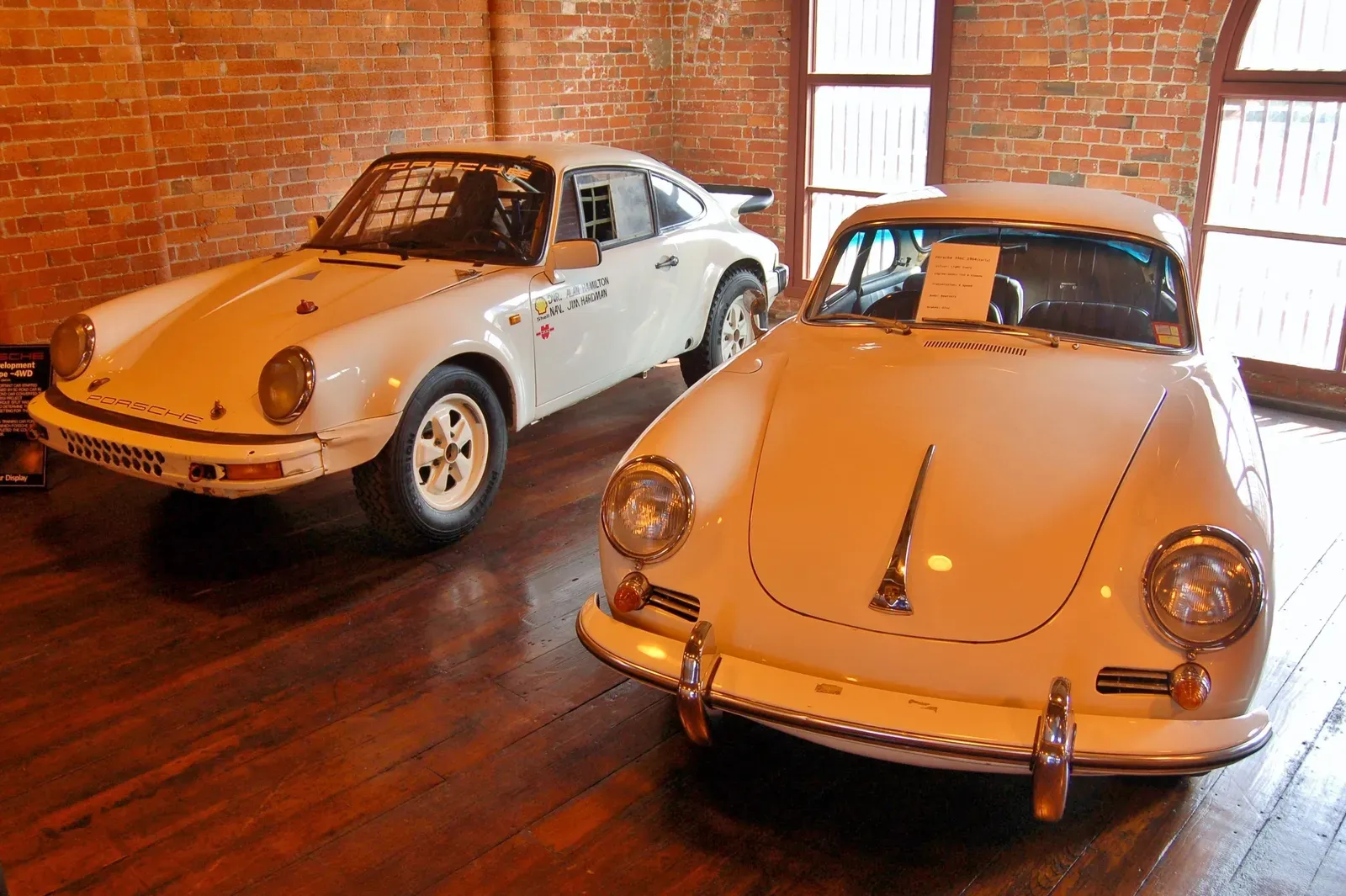
George Lucas’s ensemble film follows a group of recent high school graduates cruising around a small California town on their last night before some of them leave for college. Cars, drive-ins, and a mysterious blonde in a white Thunderbird fill out a night that’s really about the anxiety of growing up and leaving familiar places behind. The soundtrack, packed with early rock and roll hits, helps stitch together the film’s loose, wandering structure into something cohesive.
Lucas reportedly drew on his own teenage years cruising in Modesto, California, which gives the film’s single-night setting a lived-in authenticity. That personal connection helps explain why the movie’s portrait of one aimless night still resonates with audiences who never experienced anything like 1962 small-town California firsthand.
9. Nick and Norah’s Infinite Playlist (2008)
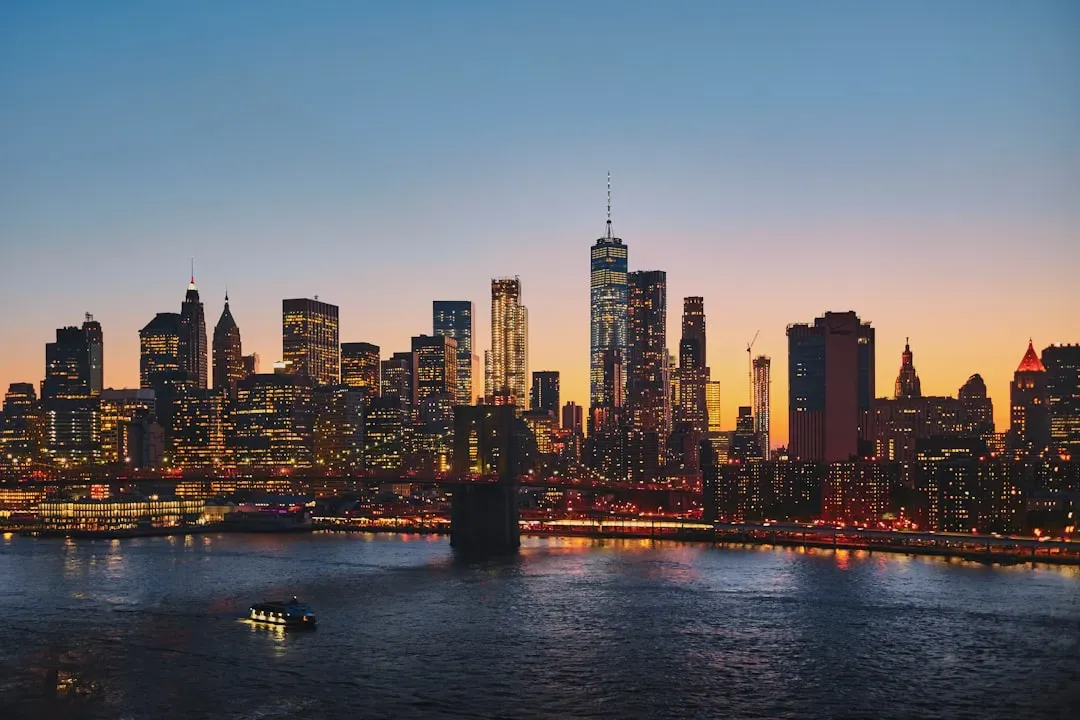
Two teenagers meet at a New York City club and spend the rest of the night searching for a secret show by their favorite band, weaving through the city’s music scene while sorting out their feelings for each other. The film moves fast, hopping between venues and diners as the night stretches toward morning, giving the whole thing a breathless, wandering energy. New York City itself functions almost like a third main character, its late-night streets and clubs shaping where the story goes next.
Because the entire romance blooms within a single night, the film leans on quick chemistry and specific, memorable moments rather than slow-burn development. It’s a format that works particularly well for stories about young infatuation, where everything feels urgent and slightly larger than life.
10. In Bruges (2008)

Martin McDonagh’s dark comedy follows two hitmen hiding out in the Belgian city of Bruges after a job goes wrong, and while the film technically spans a couple of days, its most memorable stretch compresses into one increasingly chaotic day and night of sightseeing, guilt, and violence. Colin Farrell and Brendan Gleeson’s characters bicker their way through medieval architecture and canal tours while their pasts catch up with them in brutal fashion. The tight timeframe keeps the film’s tonal whiplash, from slapstick comedy to sudden brutality, feeling connected rather than jarring.
McDonagh uses the compressed setting to let Bruges itself become a character, its fairy-tale streets contrasting sharply with the violence unfolding within them. That contrast is part of what makes the film’s blend of comedy and tragedy land as effectively as it does.
Each of these films proves that a single day, stretched and examined closely enough, can hold as much story as movies spanning years. Whether it’s an action siege, a quiet romance, or a chaotic teenage odyssey, the ticking clock format keeps every scene feeling necessary.
Partner offer
Planning a trip to Vegas?
Compare hotel rates and show tickets on VEGAS.com.