Every record label has a moment when the ledger looks grim and the phones stop ringing with good news. Most of those moments get forgotten, buried under the labels that folded quietly. A handful of songs, though, arrived at exactly the right time to keep the lights on, and their stories say as much about the music business as they do about the music itself. What follows are ten documented cases where a single song, or a run of songs tied to one release, pulled a label back from the edge. Some of these stories are well known parts of rock history. Others are quieter footnotes that only surface when you dig into label biographies and financial records from the era.
1. “Tubular Bells” by Mike Oldfield saved Virgin Records at the start

Virgin Records did not exist as a going concern before 1973. Richard Branson and his partners had built a small chain of record shops and a studio called The Manor, but the label itself was started with financial support from Richard Branson, who was planning a record label to grow out of his Virgin Records shops, and it needed a hit to justify its existence. Mike Oldfield’s instrumental album became that hit, and it happened to be the very first thing Virgin ever put out.
Tubular Bells is the debut studio album by the English musician Mike Oldfield, released on 25 May 1973 as the first album on Virgin Records. The record sold slowly at first, then took off after its opening theme was used in a horror film, and the profits gave Branson the capital to sign other artists and expand the label into the operation that later launched Virgin Atlantic and dozens of other ventures.
2. “That’s All Right” by Elvis Presley kept Sun Records afloat
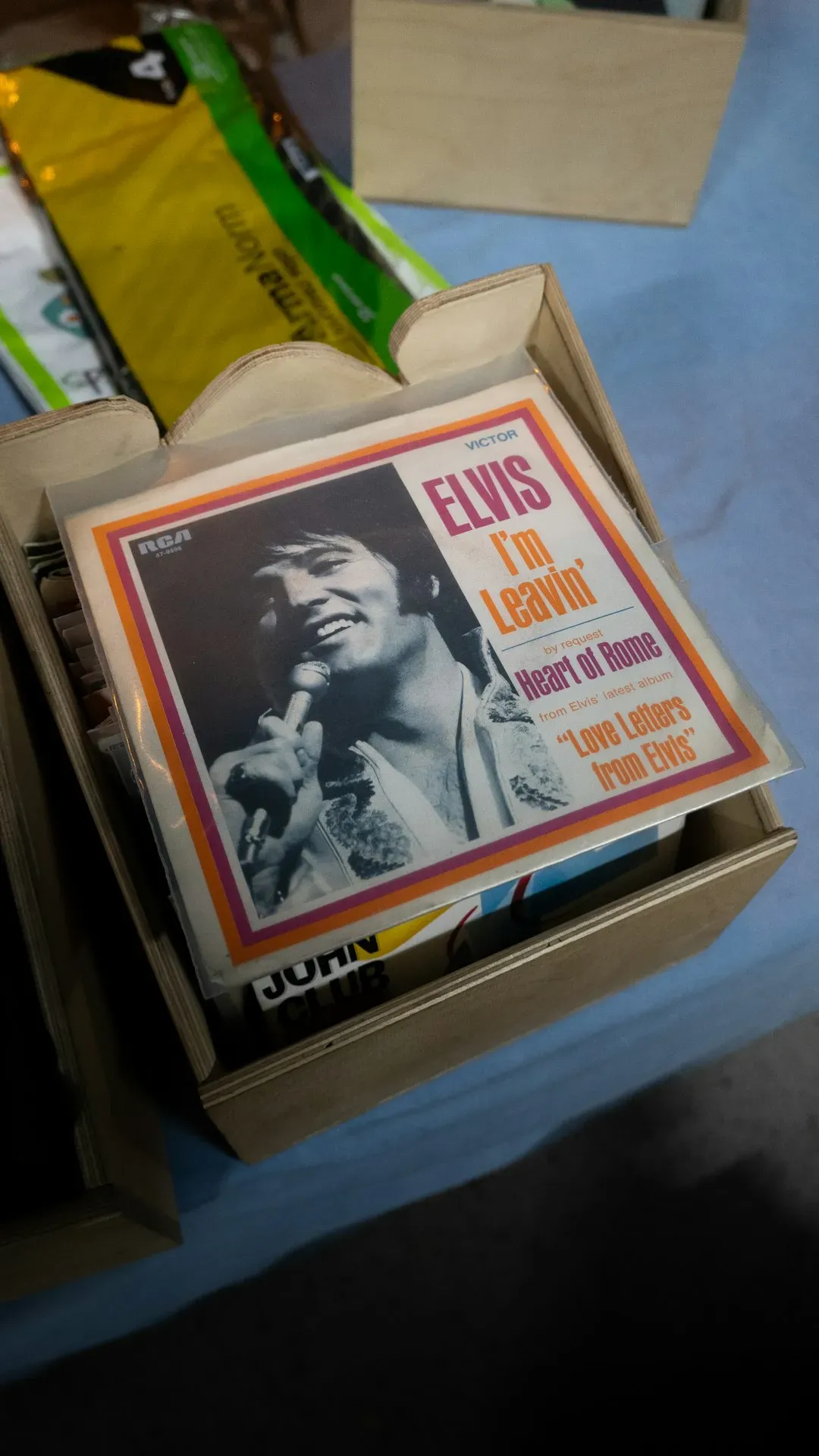
Sam Phillips ran Sun Records out of a tiny Memphis studio, and by the mid 1950s the company was in genuine trouble. According to accounts from the period, Sun was near bankruptcy due to mounting debt, high manufacturing costs and legal actions, even as Elvis Presley’s early singles were selling steadily throughout the South. The irony was brutal: the label’s biggest star was also its biggest financial headache, since distributors dragged their feet on payments they suspected they might never have to make.
Phillips eventually sold Presley’s contract to RCA for thirty five thousand dollars, and that sale is directly traceable back to the momentum “That’s All Right” created in 1954. Reports from the time note that Sam Phillips’ tiny Sun Records was having difficulty meeting demand for its rising star, and bankruptcy seemed imminent. The cash from the RCA deal let Phillips promote Carl Perkins and the rest of his roster, effectively using Presley’s song to buy Sun another chapter.
3. “Love to Love You Baby” by Donna Summer rescued Casablanca Records
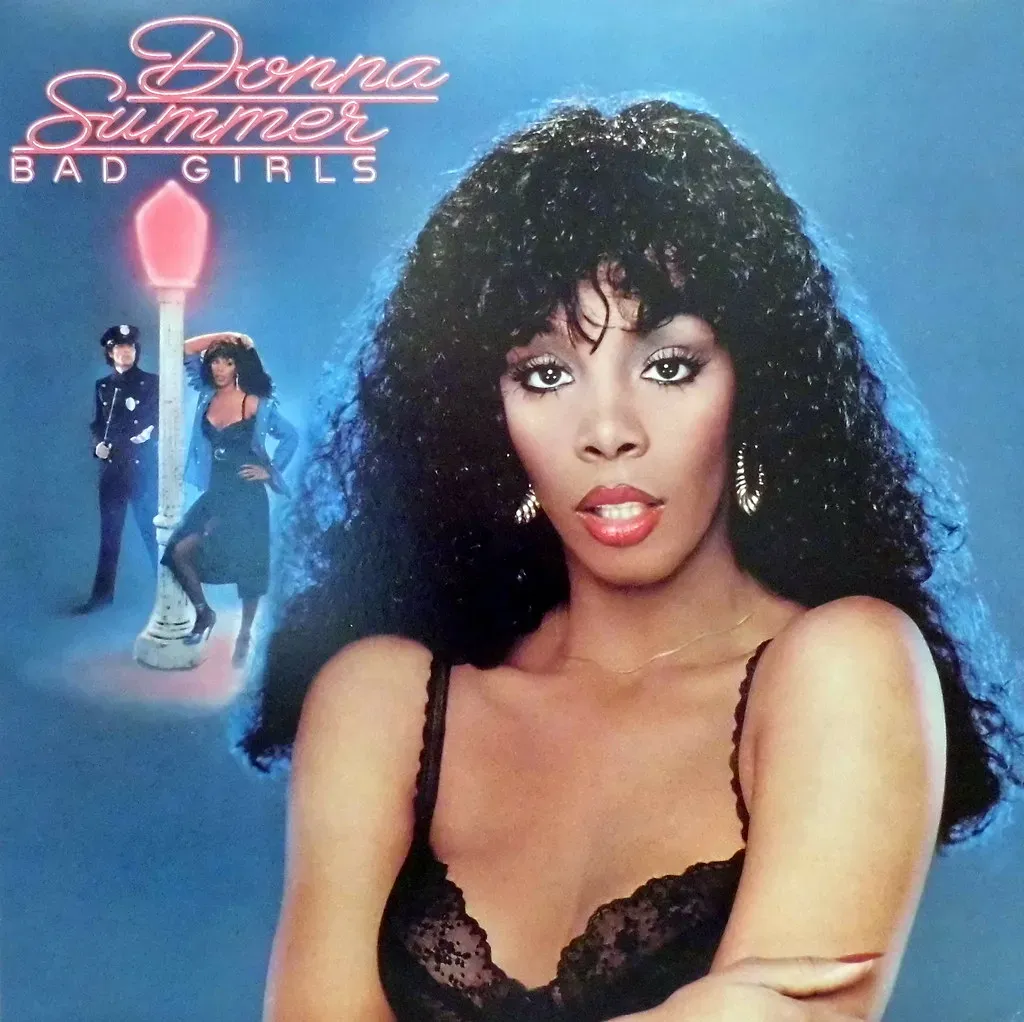
Casablanca Records under Neil Bogart had a habit of betting big on strange projects, and one of those bets nearly sank the company. Music historians have noted that when Neil Bogart first received “Love to Love You Baby,” his luck had just begun to change for the better, as it looked as though it might save Casablanca from an impending bankruptcy incurred by the Here’s Johnny: Magic Moments from the Tonight Show turkey on which Bogart had high-rolled 1.5 million dollars. The song’s slow build in Europe gave little warning of what was coming.
Bogart pushed for a much longer version of the track, and the extended cut turned into one of the defining disco records of the decade. Donna Summer went on to become Casablanca’s flagship artist, and the label’s fortunes flipped almost overnight from a company teetering on collapse to one riding the disco boom at full speed. It is a rare example of a single song functioning as both a financial rescue and a genre-defining moment.
4. “Don’t You Want Me” by The Human League saved Virgin a second time

A decade after Tubular Bells, Virgin found itself in trouble again. The label had grown fast through the punk and new wave years, but by the early 1980s its cash position had weakened considerably. The Human League’s synth pop anthem became Virgin Records’ first considerable hit since Mike Oldfield’s legendary Tubular Bells in 1973, and its success was the primary reason why the record label was saved from impending bankruptcy.
The single’s run was dramatic by any measure. It became the biggest-selling single of 1981, and subsequently the fifth biggest-selling single of the entire decade. Branson was reportedly so grateful that he bought frontman Phil Oakey a motorcycle as thanks, a gesture that has become a small piece of Virgin folklore in its own right.
5. “Green Onions” by Booker T. & the M.G.’s stabilized Stax Records

Stax Records in Memphis spent its early years as a scrappy operation running on soul and blues singles that mostly stayed regional hits. The label’s instrumental house band, Booker T. & the M.G.’s, recorded “Green Onions” almost as an afterthought during a session break in 1962, and the track ended up crossing over onto national R&B and pop charts. That crossover income mattered enormously to a label that had been surviving on thin margins.
The song’s success also cemented the Stax sound, built around the M.G.’s tight, groove driven playing, and gave the label a template it would lean on for the rest of the decade. Otis Redding, Sam & Dave, and other Stax artists benefited from the infrastructure and confidence that “Green Onions” helped fund. Without that hit steadying the books, the label’s run through the soul era might have looked very different.
Partner offer
6. “Shop Around” by The Miracles gave Motown its first real foothold
Berry Gordy founded Motown, then called Tamla, with a small loan from his family and very little else. The label’s early releases sold modestly, and Gordy needed a genuine hit to prove the business model worked. “Shop Around,” recorded by The Miracles in 1960, became that hit, climbing into the pop top ten and giving Motown its first million selling single.
The revenue from “Shop Around” allowed Gordy to expand his roster, invest in better studio time, and start building the assembly line approach that would define Motown for the rest of the decade. It is easy to forget, given everything Motown became, how close the label came to fading out before it ever found its footing. One well timed hit changed that trajectory almost immediately.
7. Creedence Clearwater Revival’s hits kept Fantasy Records solvent
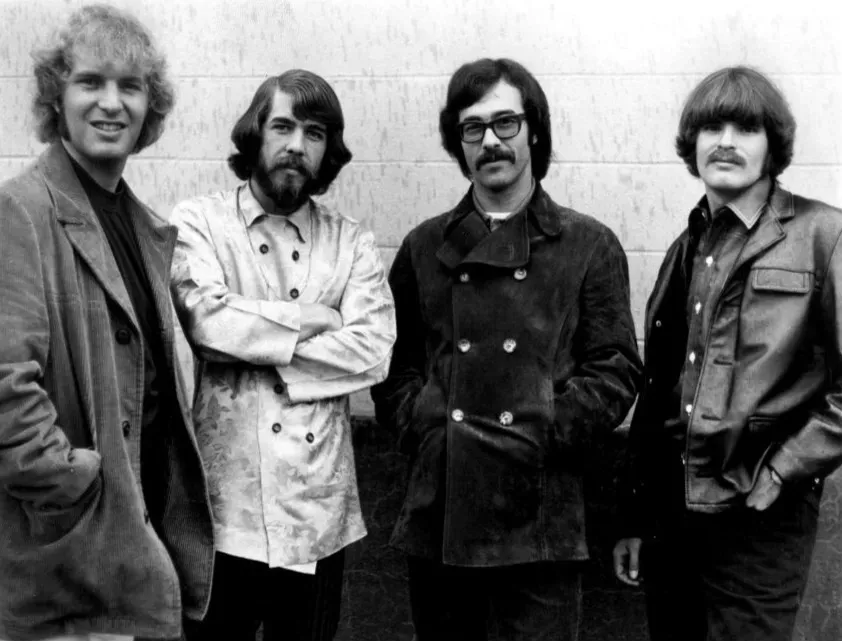
Fantasy Records started as a small jazz label out of the Bay Area and had struggled for years to find consistent commercial success. Creedence Clearwater Revival’s run of hits between 1968 and 1970, including “Proud Mary” and “Bad Moon Rising,” transformed the company’s finances almost single handedly. The band’s albums sold in numbers that dwarfed anything Fantasy had released before.
That windfall gave Fantasy the resources to expand its catalog, acquire other labels, and eventually become a significant player in reissues and back catalog licensing for decades afterward. The relationship between the band and the label later turned contentious over royalties, a dispute that became well documented in music industry circles. Still, there is little argument that Creedence’s success is what kept Fantasy in business through that critical stretch.
8. U2’s work with Island Records helped stabilize the label financially

Island Records, founded by Chris Blackwell, built its reputation on reggae and roots artists but ran into serious cash flow problems by the mid 1980s. U2’s rise through that decade, culminating in the massive commercial success of their 1987 album and its singles, gave Island a much needed infusion of revenue at a point when the label’s finances were genuinely fragile. The band’s global touring and album sales carried real weight for a company operating on tighter margins than its major label competitors.
Island still ended up selling to PolyGram in 1989, so the U2 windfall bought time rather than permanent independence. That distinction matters for anyone tracing the label’s history closely. Even so, without the band’s commercial success in that stretch, Island’s financial position going into the sale negotiations would have looked considerably weaker.
9. Dr. Dre’s early 1990s work helped Interscope Records survive a difficult stretch

Interscope Records ran into serious controversy and financial pressure in the early 1990s after its association with gangsta rap led Time Warner to divest its stake in the label amid political and public backlash. That left Interscope needing to prove it could generate revenue on its own, and the commercial success of Dr. Dre’s solo material and the wider West Coast hip hop scene he was producing became central to that effort. The sales numbers were large enough to offset the loss of major label backing at a genuinely precarious moment.
Interscope’s later growth into one of the most powerful labels in the industry traces directly back to that period. The label’s ability to weather the Time Warner split without folding gave it room to sign and develop other major acts through the rest of the decade. It is a less romantic story than some of the others on this list, built more on business calculation than serendipity, but the financial stakes were just as real.
10. Queen’s “Bohemian Rhapsody” gave EMI Records a much needed boost

EMI Records went through a difficult financial period in the mid 1970s as changing tastes and rising production costs squeezed profit margins across its roster. Queen’s six minute single, an unusual choice for radio given its length and structure, became a massive commercial success in 1975 and stayed at number one on the UK charts for nine weeks. That kind of sustained chart dominance translated into real revenue at a point when the label needed it.
The single’s success also reset expectations for what a hit single could sound like, opening space for more ambitious studio productions across EMI’s roster in the years that followed. Queen’s subsequent albums built on that momentum, giving the label a reliable commercial anchor through the rest of the decade. The song’s ongoing popularity, including a resurgence decades later, has continued to generate income for the label’s successors well into the streaming era.
These stories share a common thread: a label in real trouble, and a song that happened to arrive with enough commercial force to change the balance sheet before the trouble became terminal. Some of these rescues bought decades of stability, others only bought a little more time before a sale or restructuring anyway. Either way, the history of recorded music is dotted with these near misses, moments when one recording carried far more weight than anyone involved could have predicted at the time.Partner offer
Planning a trip to Vegas?
Compare hotel rates and show tickets on VEGAS.com.