Most people can hum a movie theme long before they can name the person who wrote it. That says a lot about how deeply a good score settles into memory, and how quietly composers often do their work.
Critics, film historians and industry bodies have spent decades arguing over which scores deserve a permanent place at the top. No list is final, but the same titles keep coming up. These ten are among them, and the reasons are mostly easy to hear.
Psycho (1960), Bernard Herrmann
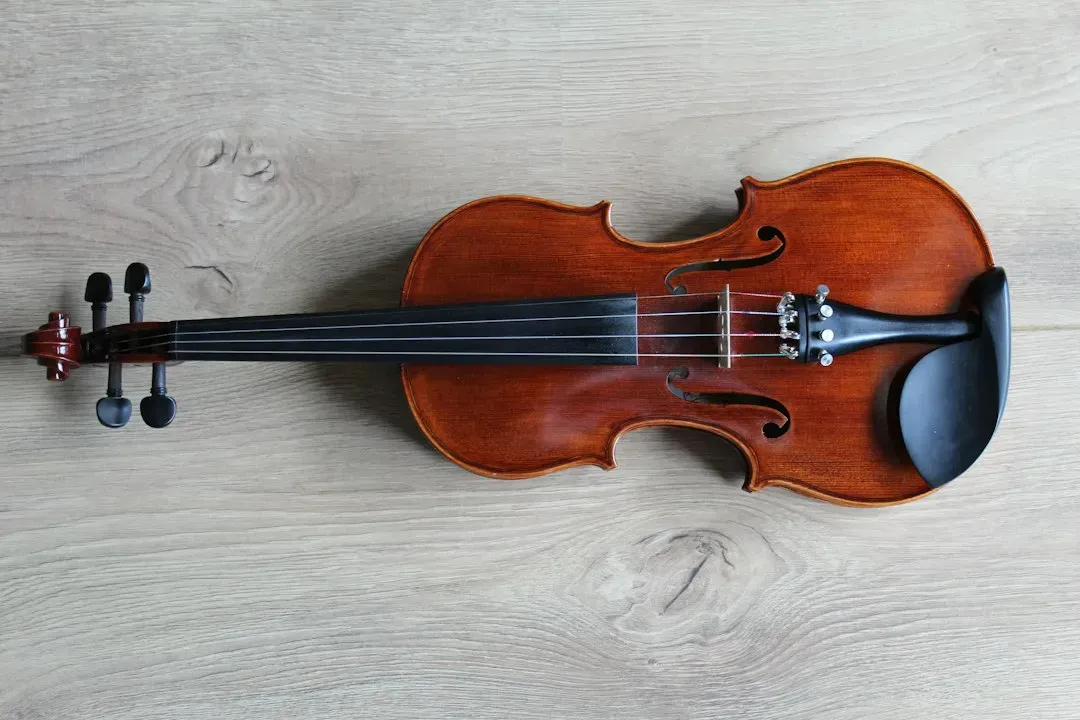
Herrmann wrote the Psycho score for strings alone, a choice that matched the film’s stark black and white photography. The result is lean, nervy and unmistakable. The American Film Institute placed it fourth on its 100 Years of Film Scores list in 2005.
The shrieking violins in the shower scene are the famous part, yet the whole score works by tension rather than melody. Herrmann showed that a small ensemble could be more frightening than a full orchestra. Horror composers have been borrowing the idea ever since.
Star Wars (1977), John Williams
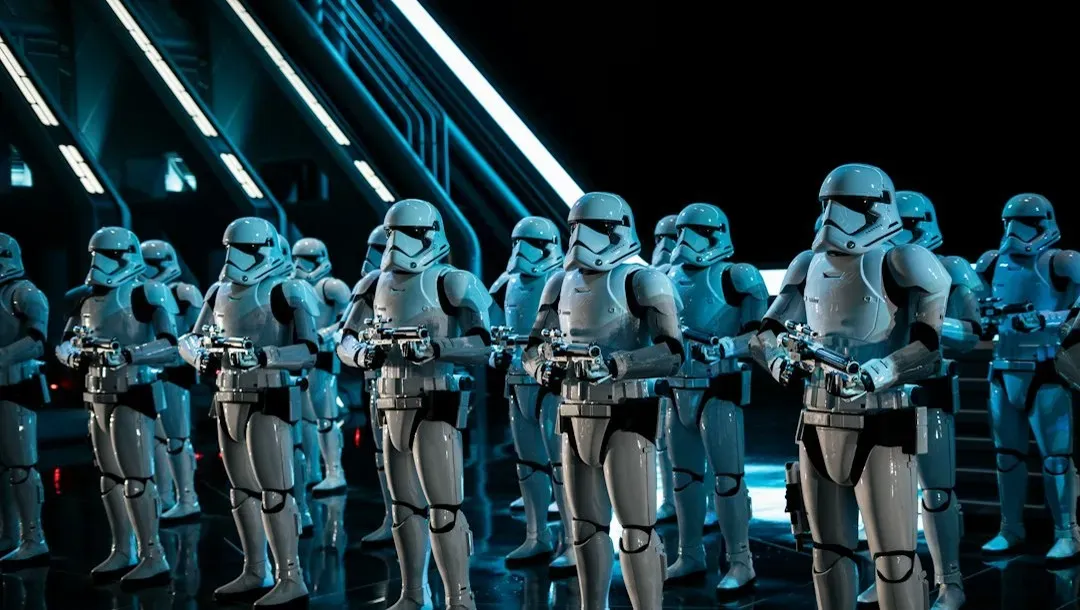
Williams brought a big, old fashioned symphonic sound to a science fiction film at a time when many studios assumed audiences wanted something more modern. He recorded it with the London Symphony Orchestra. The score won the Academy Award for Best Original Score.
The AFI ranked it first on its 2005 list of the greatest American film scores. Its use of recurring themes tied to characters and ideas, a technique borrowed from opera, helped revive orchestral scoring in Hollywood. Few film themes are as instantly recognizable.
Lawrence of Arabia (1962), Maurice Jarre
Jarre was a relatively little known French composer when he was hired for David Lean’s desert epic. He wrote a sweeping main theme that suggests both the vastness of the landscape and the restlessness of its central figure. The score won him the Academy Award for Best Original Score.
The AFI placed it third on its 2005 list. It’s often praised for how it expands the frame, making empty sand feel emotionally charged. Jarre went on to win further Oscars, but this was the breakthrough.
The Good, the Bad and the Ugly (1966), Ennio Morricone
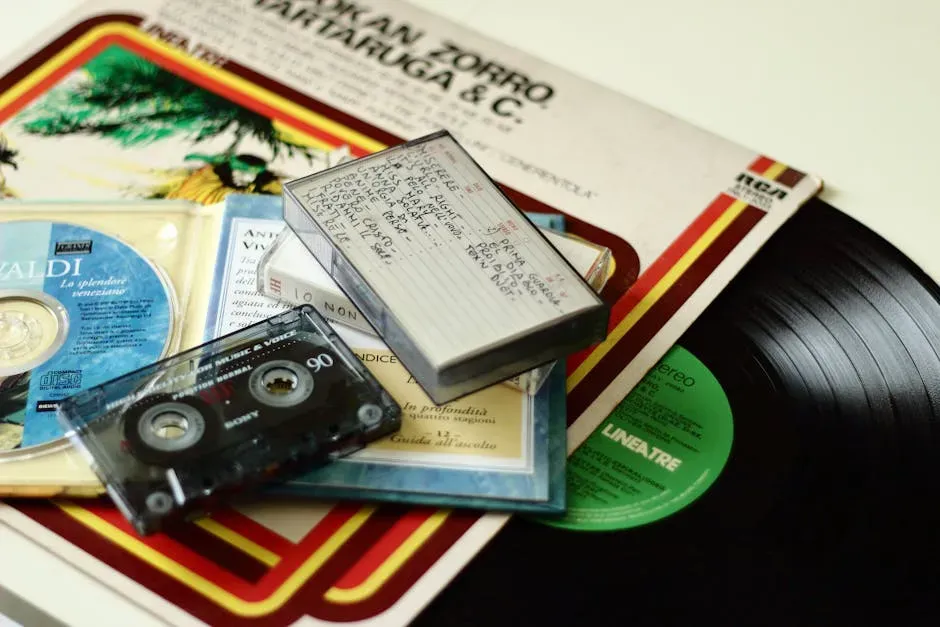
Morricone reinvented the western sound with whistles, electric guitar, choral shouts and sudden bursts of brass. The main theme imitates a coyote’s howl, and it has become shorthand for the whole genre. His work with director Sergio Leone treated music as a character in its own right.
Critics regularly cite this score as a turning point in how film music could sound. Morricone later received an honorary Oscar in 2007 and won a competitive Academy Award for The Hateful Eight in 2016. He died in 2020, leaving one of the largest bodies of work in film history.
Vertigo (1958), Bernard Herrmann
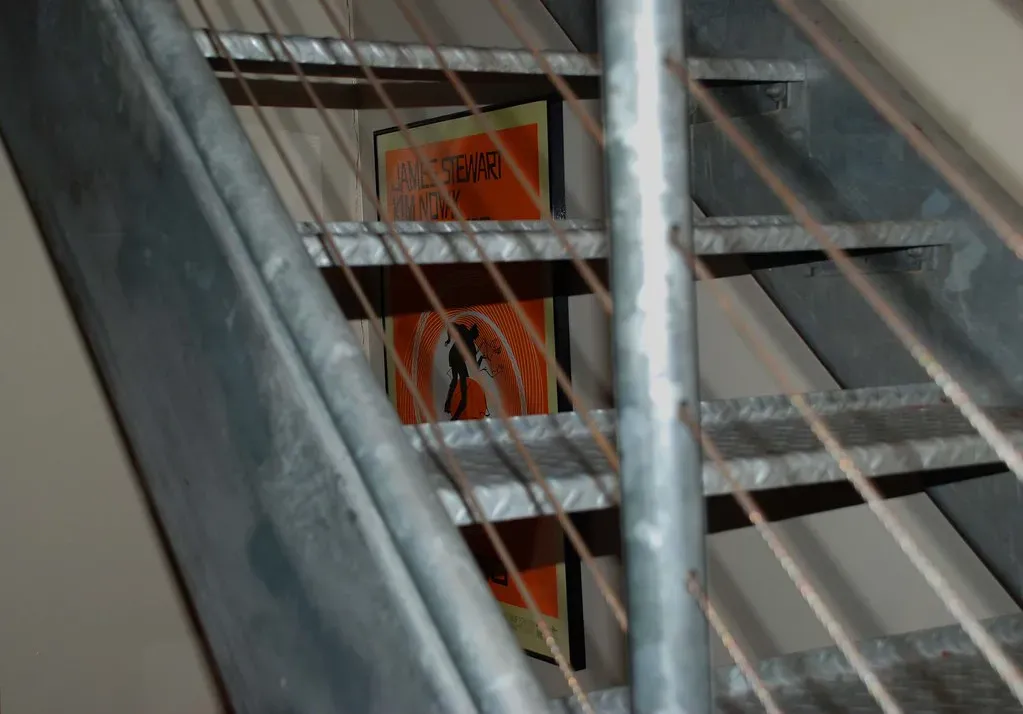
Herrmann’s second entry here is a very different animal from Psycho. Vertigo uses swirling, circular musical figures that echo the film’s themes of obsession and dizziness. The music is romantic and unsettling at once, which suits Hitchcock’s story.
The film was not a hit on release, but its reputation has grown enormously, and its score has grown with it. Critics often point to the prelude and the love music as some of the finest writing for the screen. It’s a score that rewards repeated listening away from the film too.
Jaws (1975), John Williams

Two alternating low notes became one of the most effective pieces of musical suspense ever put on film. Williams won the Academy Award for Best Original Score for the work. The AFI ranked it sixth on its 2005 list.
What gets overlooked is how much of the score is adventurous, with rousing seafaring themes for the second half of the film. Still, the shark motif is what people remember. It proved that a very simple musical idea, used with patience, can carry a whole film’s dread.
Gone with the Wind (1939), Max Steiner
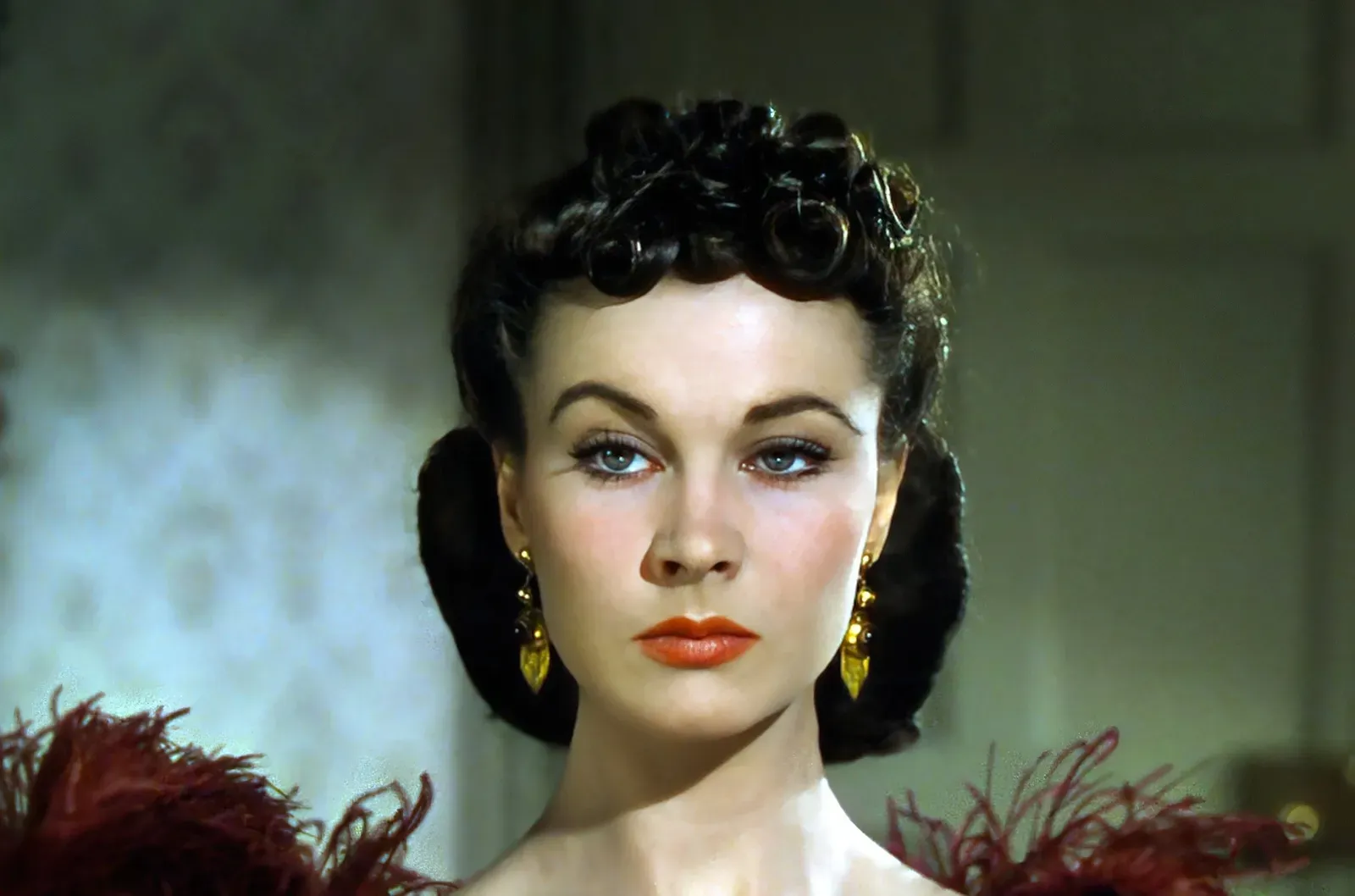
Steiner wrote music for a film that runs close to four hours, and his score is correspondingly vast. It’s built around themes for characters and places, most famously the sweeping Tara melody. The score was nominated for an Academy Award, and the AFI ranked it second on its 2005 list.
Steiner is regarded as one of the founders of the classical Hollywood sound. His approach of closely following onscreen action with music shaped decades of studio filmmaking. Today it can feel grand and a little old school, but its influence is hard to overstate.
Blade Runner (1982), Vangelis
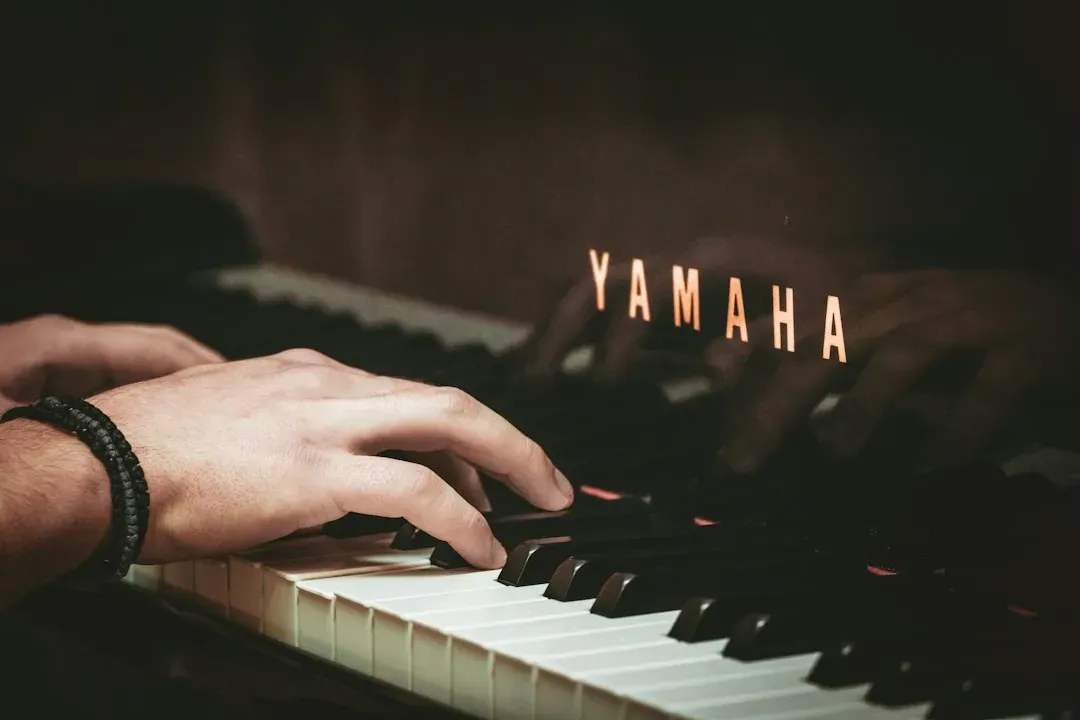
Vangelis built the sound of Ridley Scott’s future city from synthesizers, using the Yamaha CS80 as a central voice. The music is hazy, melancholic and spacious, which fit the film’s rain soaked atmosphere. Critics have long treated it as a landmark in electronic film scoring.
An official soundtrack album did not appear until 1994, more than a decade after the film’s release, though bootleg versions circulated for years. That delay only added to its cult status. Many later science fiction scores, including recent ones, still owe it a debt.
Schindler’s List (1993), John Williams
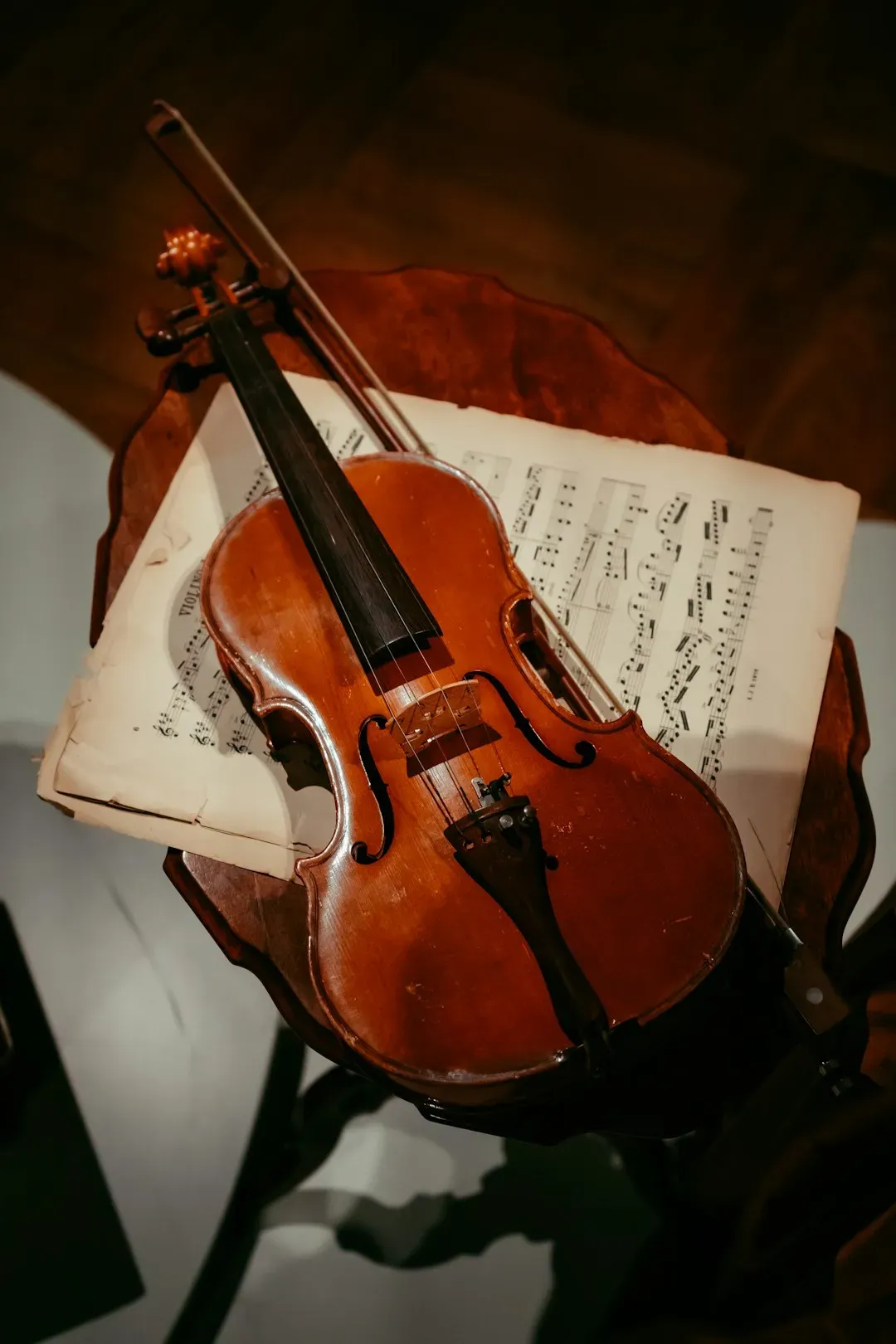
Williams took a restrained approach to one of cinema’s most difficult subjects, centering the score on a solo violin played by Itzhak Perlman. The main theme is quiet and sorrowful rather than grand. It earned Williams the Academy Award for Best Original Score.
Critics often cite it as proof of his range, since it sits far from the adventure music he’s best known for. The score doesn’t tell viewers how to feel so much as it keeps them company. That restraint is a large part of why it’s so admired.
The Godfather (1972), Nino Rota
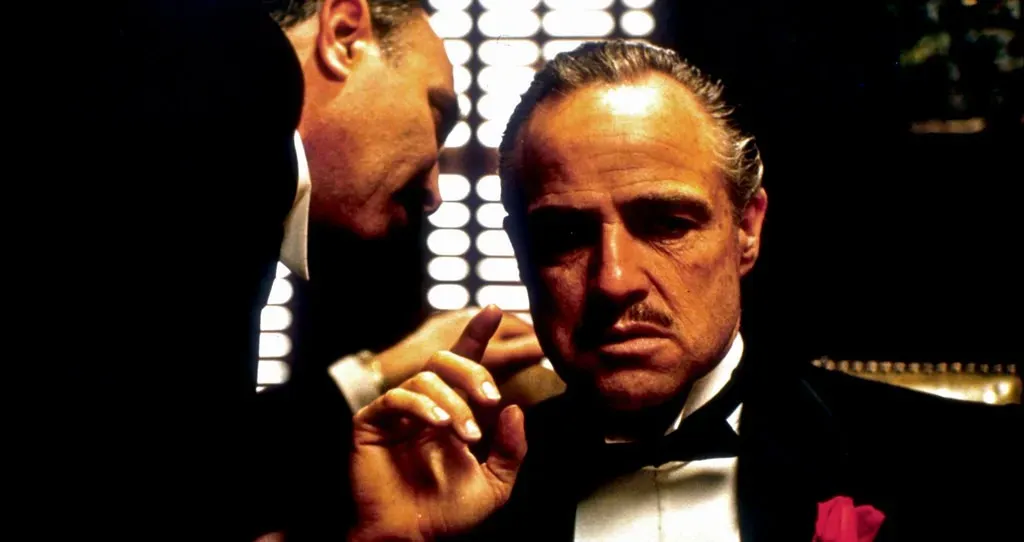
Rota’s score gave the film a haunting waltz and a love theme that sound unmistakably Italian, yet also strangely mournful. The AFI placed it fifth on its 2005 list. It remains one of the most recognizable pieces of music tied to American cinema.
The Academy initially nominated the score, then withdrew the nomination because Rota had reused music from an earlier Italian film. He did win the Oscar two years later for The Godfather Part II. The original score’s standing among critics never really suffered.