Some of the most familiar names on a book cover were never printed on a birth certificate. Writers have borrowed other identities for centuries, for reasons that range from practical to personal.
Below are ten pen names, each paired with the person who wrote under it. Try guessing the real name before you read on.
George Orwell
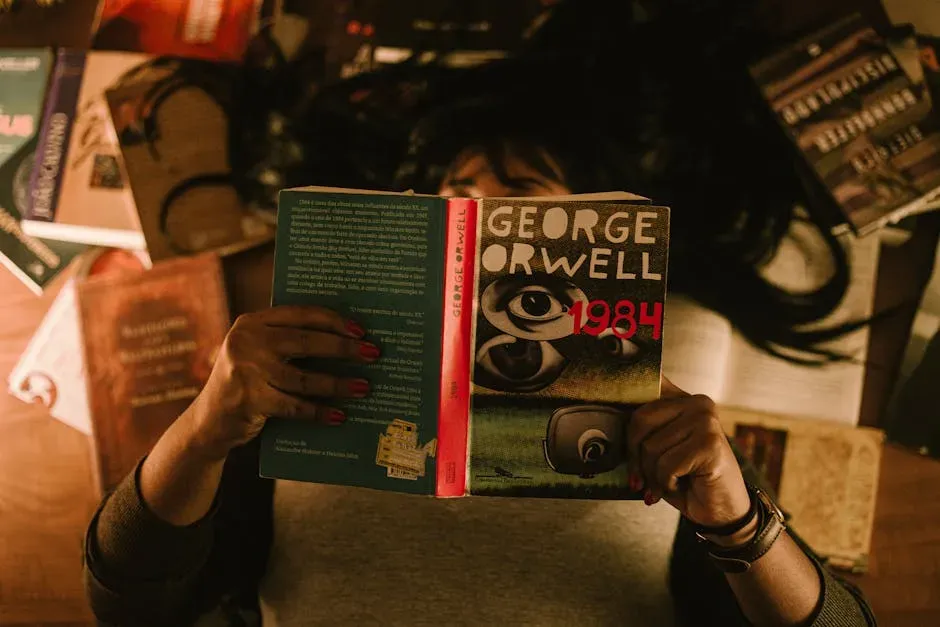
The author of Animal Farm and 1984 was born Eric Arthur Blair. He chose his pen name for his first book, Down and Out in Paris and London, published in 1933.
The surname is generally linked to the River Orwell in Suffolk, a place he knew well. Blair reportedly wanted to spare his family any embarrassment over the book’s subject.
Mark Twain
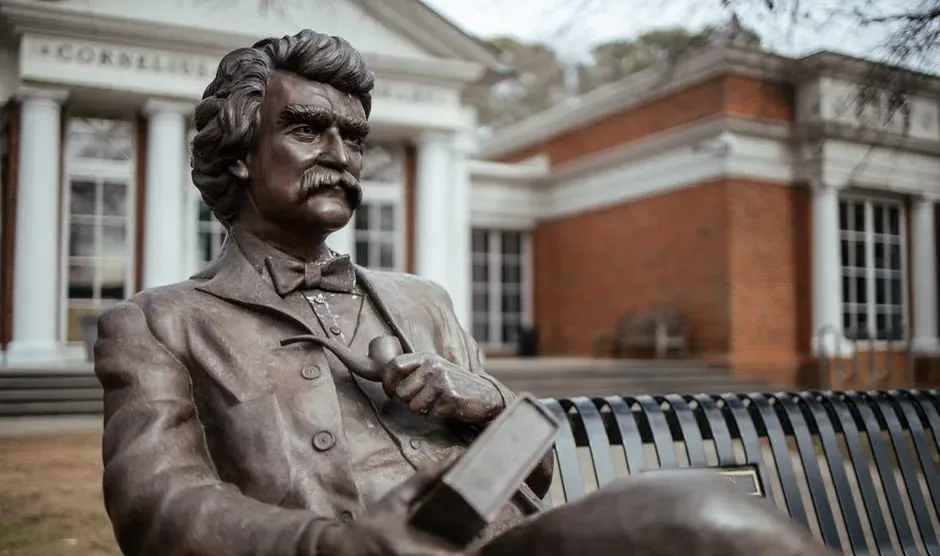
Samuel Langhorne Clemens spent his early working life on Mississippi riverboats. The name he adopted comes from river language, where it marks a depth of two fathoms, considered safe water for a steamboat.
He used it in print from the early 1860s. Tom Sawyer and Adventures of Huckleberry Finn carried it into classrooms around the world.
Lewis Carroll
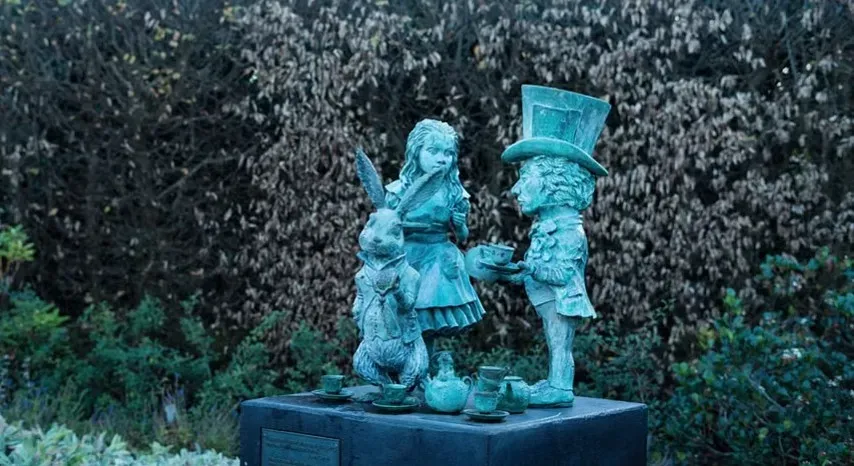
Charles Lutwidge Dodgson taught mathematics at Christ Church, Oxford. He published his mathematical work under his own name and his fantasy writing under a Latinized twist on his first two names.
Alice’s Adventures in Wonderland appeared in 1865 under the Carroll name. Keeping the two careers apart let the don stay a don while the storyteller became famous.
Robert Galbraith
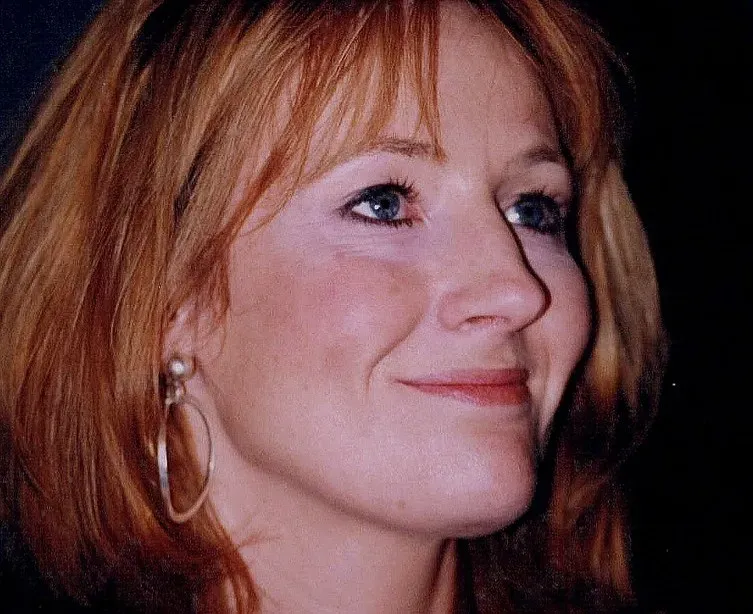
This one is a modern favorite. Robert Galbraith is J.K. Rowling, who published the crime novel The Cuckoo’s Calling under that name in 2013.
The secret didn’t last long, as the link surfaced within months and sales jumped. Rowling has continued the Cormoran Strike series under the same name, so the disguise has become more of a brand.
George Eliot
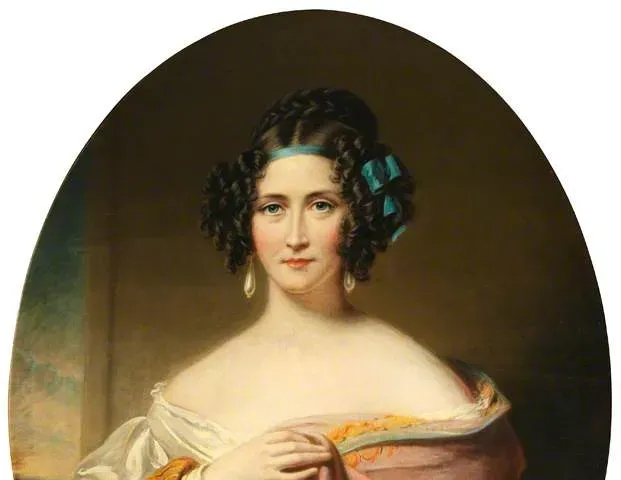
Mary Ann Evans wrote Middlemarch, Silas Marner and The Mill on the Floss. She picked a male name in the 1850s partly to be taken seriously as a novelist and partly to keep her private life separate from her work.
Her identity was an open secret within a few years of her debut. She kept the name for the rest of her career anyway.
Dr. Seuss
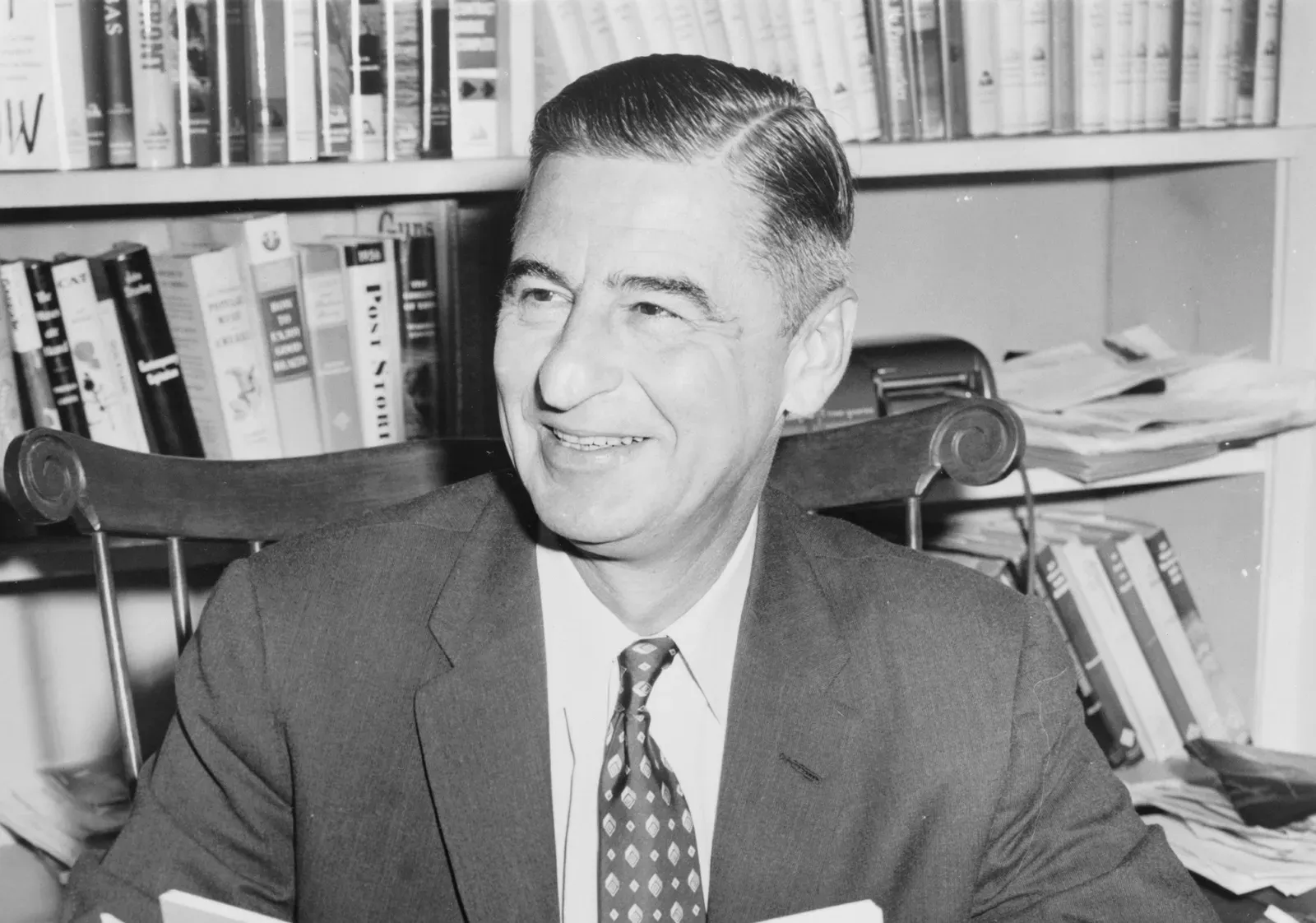
Theodor Seuss Geisel started using the name at Dartmouth College. He had been punished by the school for breaking rules during Prohibition, which barred him from writing for the campus humor magazine under his own name.
He kept Seuss, his middle name and his mother’s maiden name, and later added the doctor title. The Cat in the Hat and Green Eggs and Ham followed decades later.
Stendhal
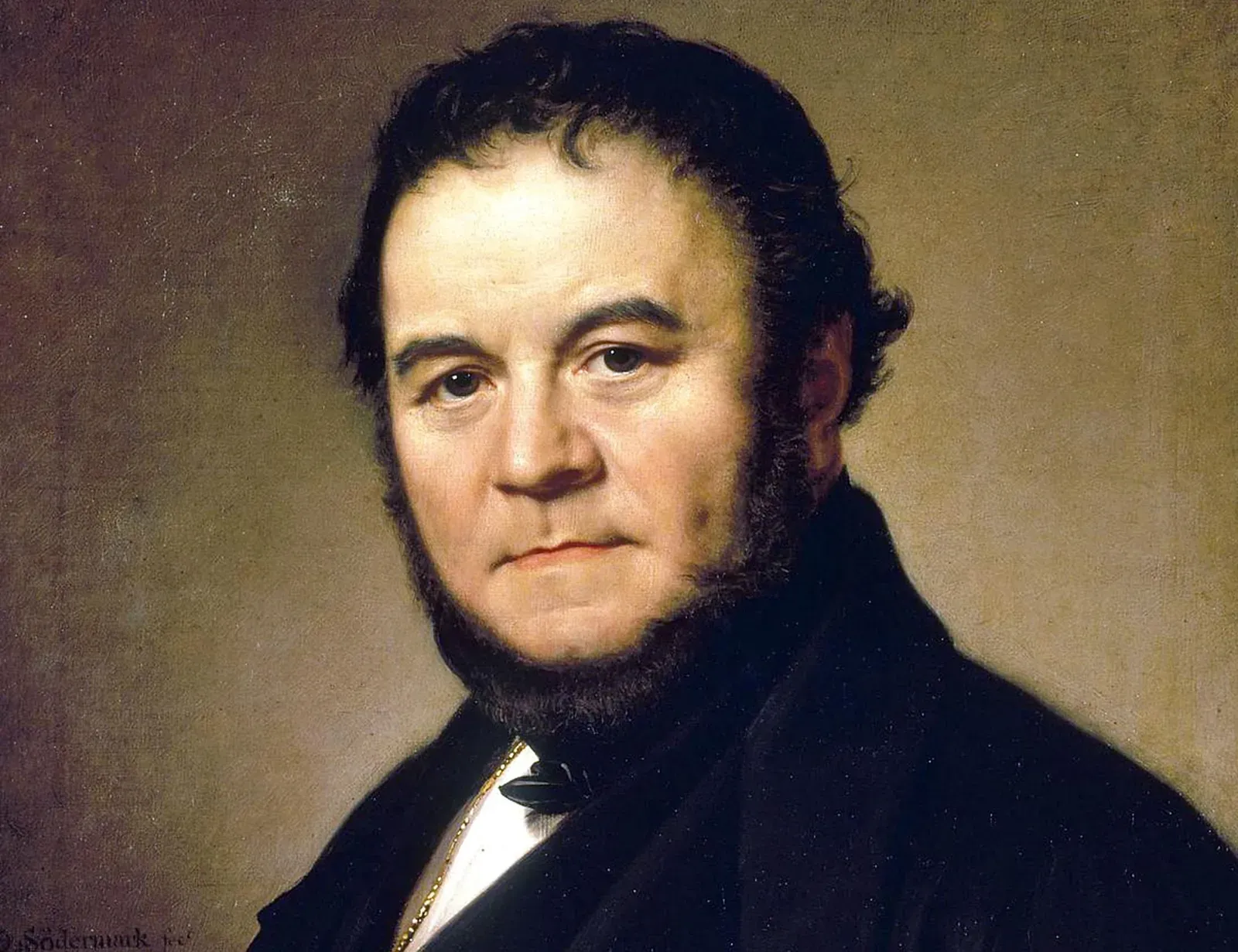
Marie Henri Beyle is better known by a name taken from a German town. He used many pseudonyms during his life, but Stendhal is the one that stuck to his novels.
The Red and the Black appeared in 1830 and The Charterhouse of Parma in 1839. Both are still read as cornerstones of French realism.
Currer Bell
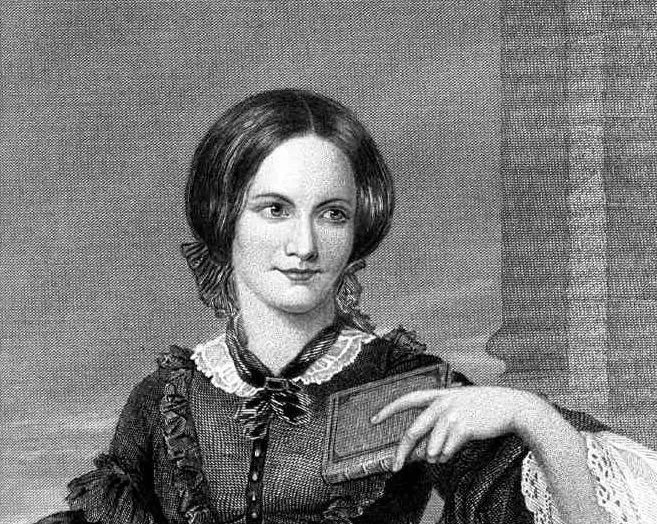
When Jane Eyre appeared in 1847, the author listed on the title page was Currer Bell. The writer was Charlotte Brontë, and her sisters Emily and Anne published as Ellis and Acton Bell.
The initials stayed the same as their own, and the names stayed neutral about gender. Charlotte later explained that they feared female authors would be judged differently.
Elena Ferrante
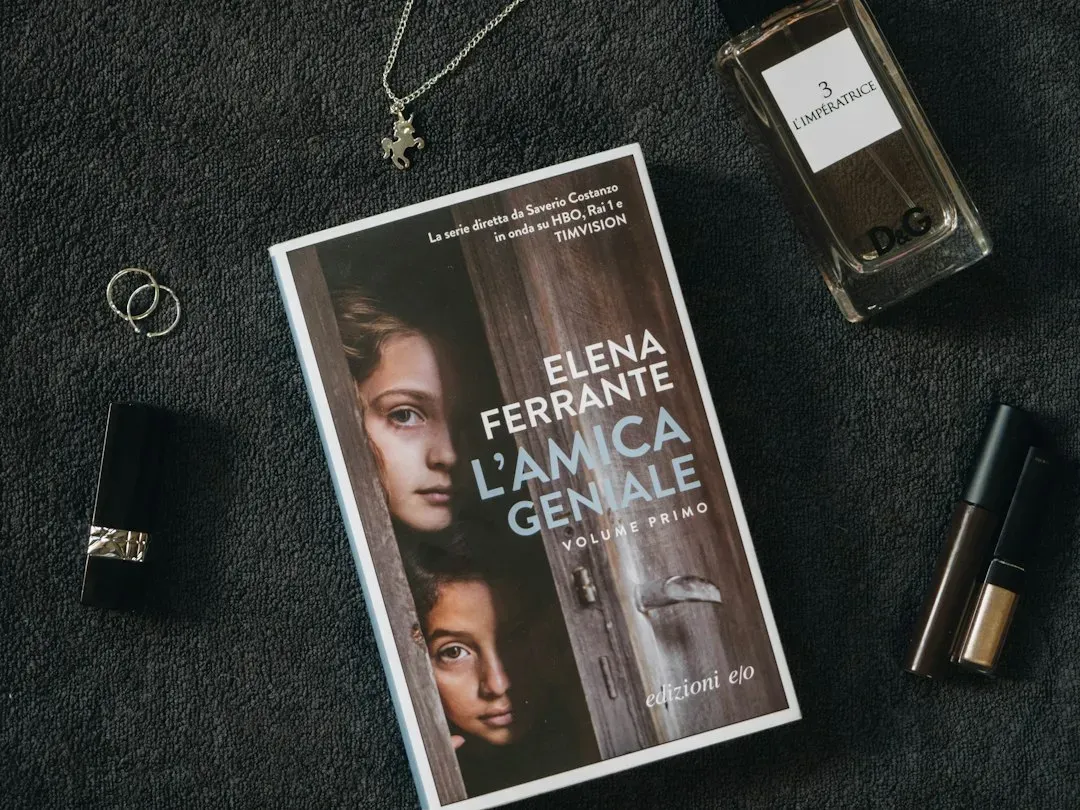
The Neapolitan Novels, beginning with My Brilliant Friend, made Elena Ferrante an international name. The writer has never publicly confirmed who she is, and has said she prefers the books to stand on their own.
In 2016, journalist Claudio Gatti published an investigation suggesting the translator Anita Raja. It sparked a debate about privacy, and the question has never been officially settled by the author.
Mary Westmacott
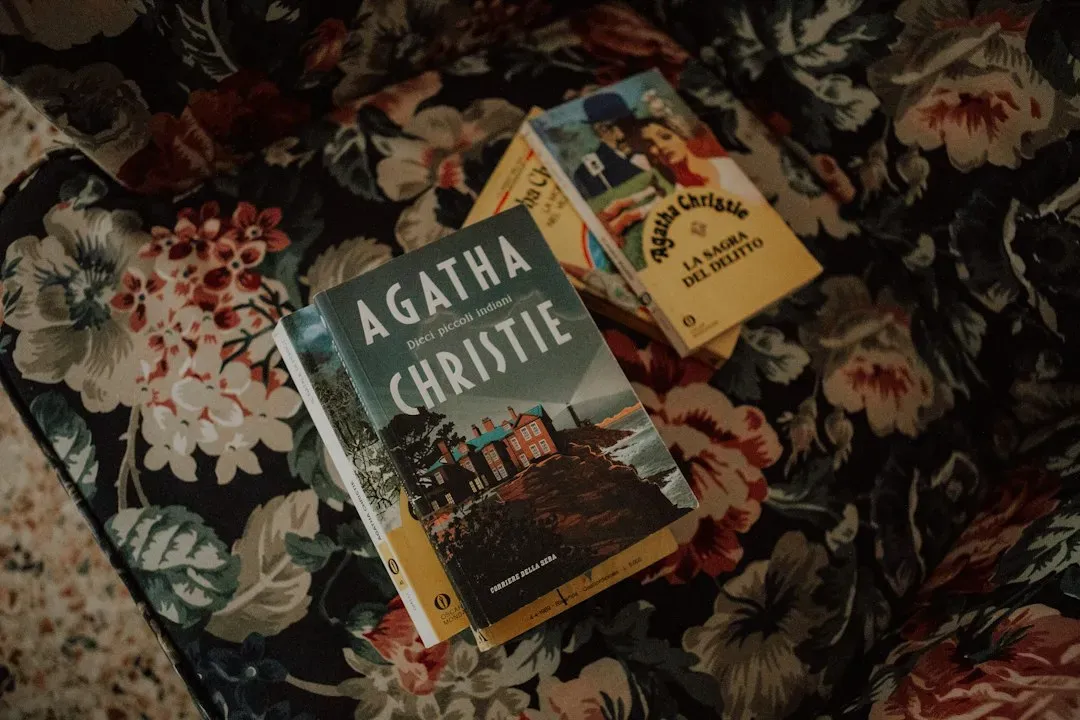
Agatha Christie was the best selling mystery writer of her era. She also wrote six romantic novels under the name Mary Westmacott, beginning with Giant’s Bread in 1930.
She wanted readers to judge those books without expecting a murder. The connection stayed private for years before becoming public knowledge.
The Answers at a Glance
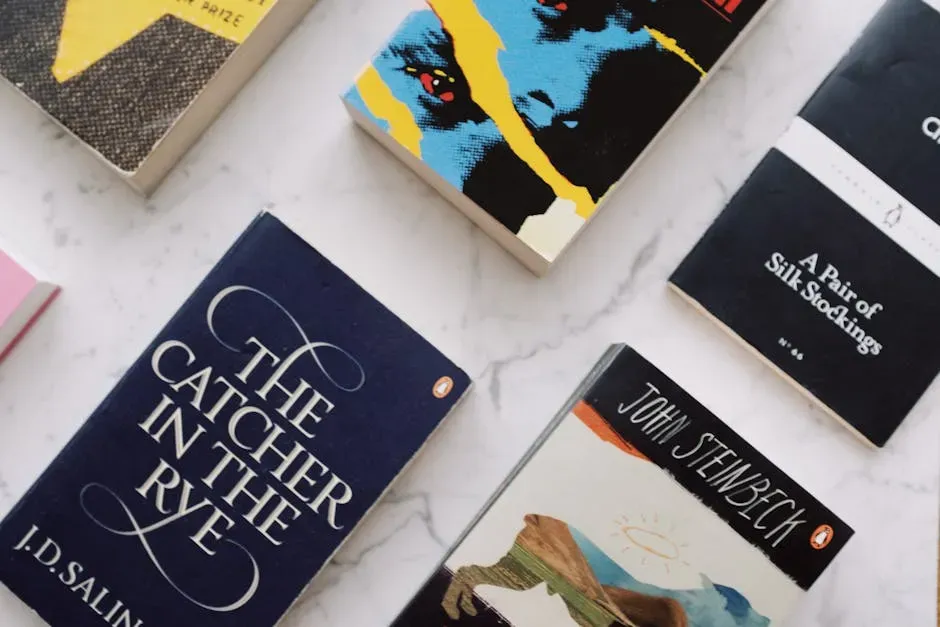
Orwell was Eric Blair, Twain was Samuel Clemens, and Carroll was Charles Dodgson. Galbraith is J.K. Rowling, Eliot was Mary Ann Evans, and Dr. Seuss was Theodor Geisel.
Stendhal was Marie Henri Beyle, Currer Bell was Charlotte Brontë, and Mary Westmacott was Agatha Christie. Elena Ferrante remains the one name where the author has never confirmed the person behind it.