Somewhere in the back of a lot of old closets, there’s a shoebox or a car console full of chunky plastic cartridges. The eight track tape was developed by Bill Lear’s company in the mid 1960s, and Ford began offering players in its cars in 1965. For about a decade, it was how many Americans listened to music on the road.
The format had quirks that anyone who used it still remembers. Tracks sometimes faded out and clicked as the tape switched programs, even mid song. The albums below were all huge in the decade, and each one turned up in car decks and living room consoles everywhere.
Fleetwood Mac, Rumours
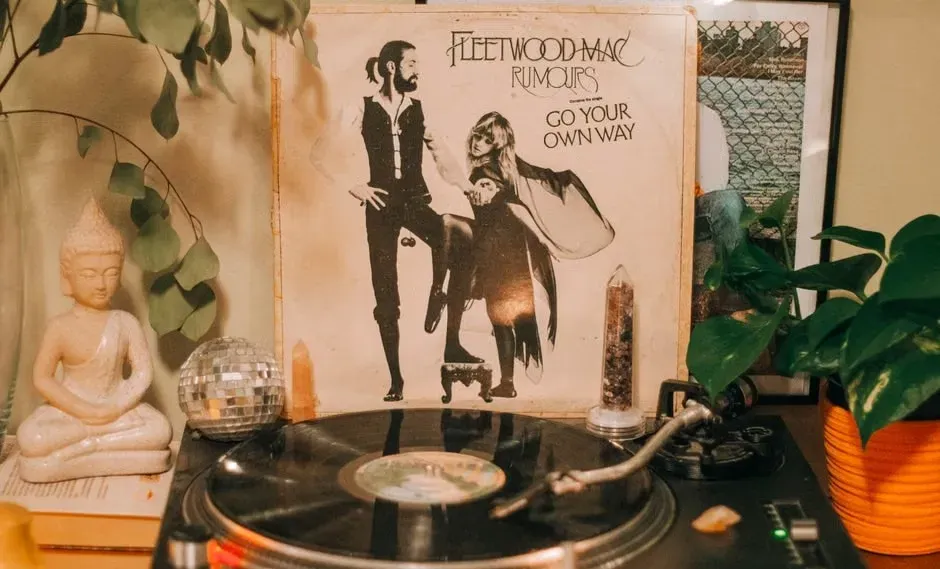
Released by Warner Bros. in 1977, Rumours came out of a band whose members were splitting up while they recorded. That tension fed songs like “Go Your Own Way” and “Dreams.” The record won the Grammy for Album of the Year at the 1978 ceremony.
It has sold more than forty million copies worldwide, which puts it among the bestselling albums ever made. Many families bought it on cartridge for the car, since the songs suited long drives. If you owned it, you were part of one of the decade’s biggest listening crowds.
Pink Floyd, The Dark Side of the Moon
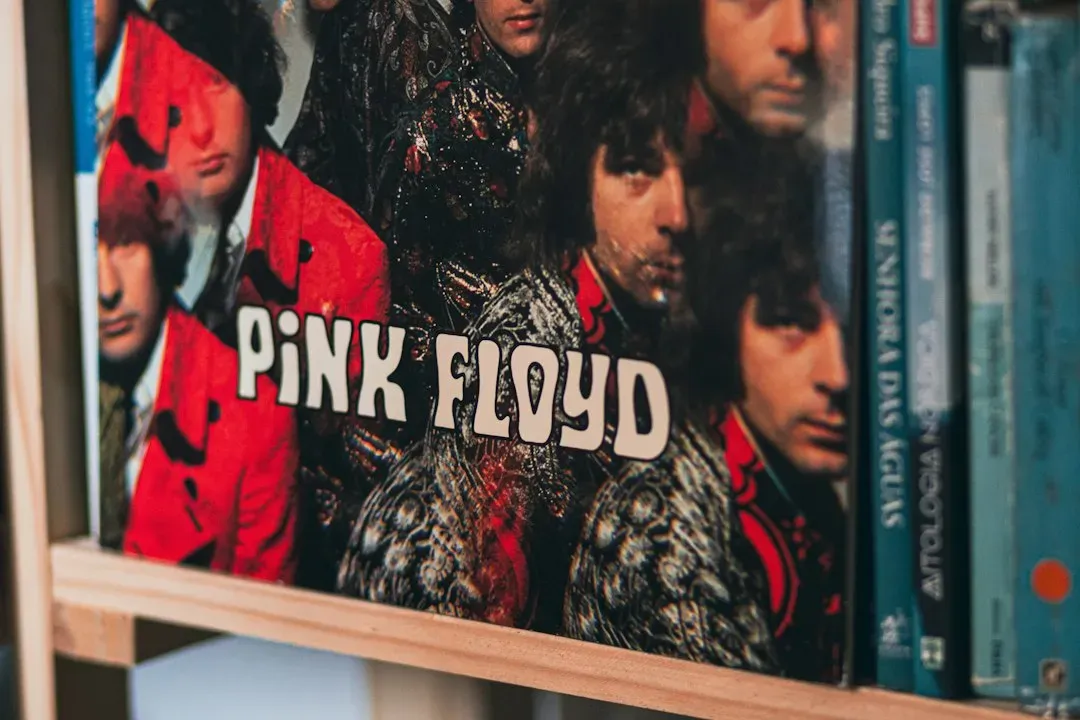
This 1973 release was built to play as one continuous piece, with heartbeats, clocks and cash registers stitched between songs. That made it an awkward fit for eight track, where the tape had to change programs partway through. Fans put up with the interruption anyway.
The album spent an extraordinary stretch on the Billboard 200 chart, running to hundreds of weeks in total. It was the soundtrack to countless dorm rooms and basement hangouts. Owning a copy on cartridge meant you took the headphone crowd’s favorite album on the road.
Eagles, Their Greatest Hits 1971 to 1975

Issued in 1976, this compilation gathered early hits like “Take It Easy,” “Lyin’ Eyes” and “One of These Nights.” It became the first album certified platinum by the RIAA. That was a milestone in a decade when record sales were climbing fast.
The RIAA later certified it at thirty eight times platinum, passing Michael Jackson’s Thriller in the United States. A compilation suited eight track well, since the songs were short and radio friendly. Many glove boxes held a copy for years.
Led Zeppelin, Led Zeppelin IV
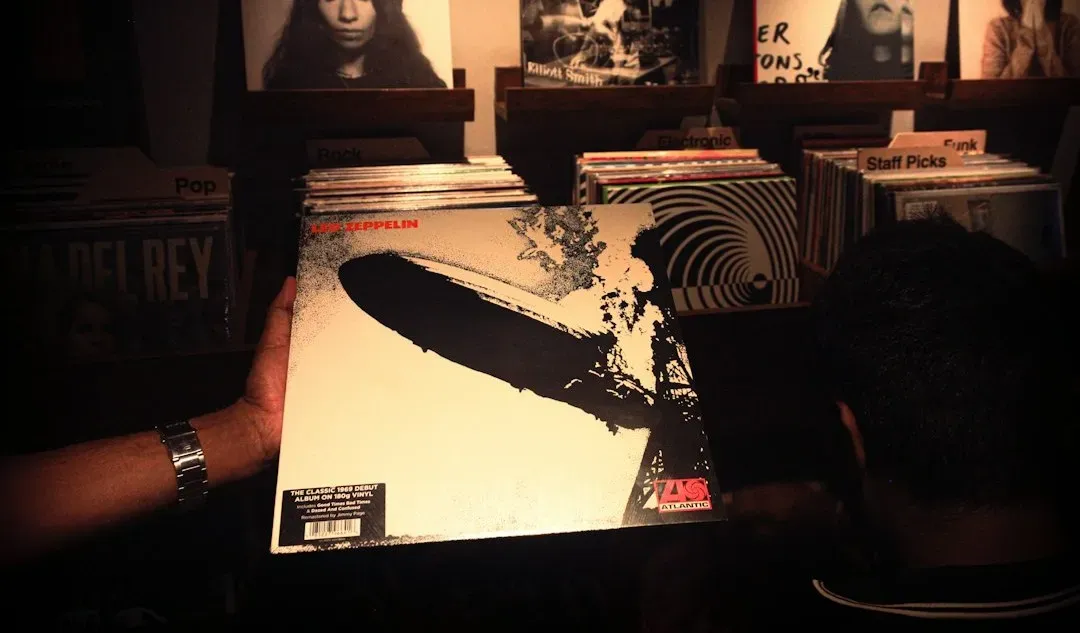
The 1971 album carried no title on its sleeve, only four symbols chosen by the band members. It contained “Black Dog,” “Rock and Roll” and “Stairway to Heaven,” a song that radio stations played endlessly. Atlantic Records released it, and the album sold strongly despite the lack of a single.
On eight track, the long tracks sometimes got broken up by the program change. That didn’t stop teenagers from wearing out their cartridges. If this one sat in your family car, there was probably a loud argument about the volume.
Stevie Wonder, Songs in the Key of Life
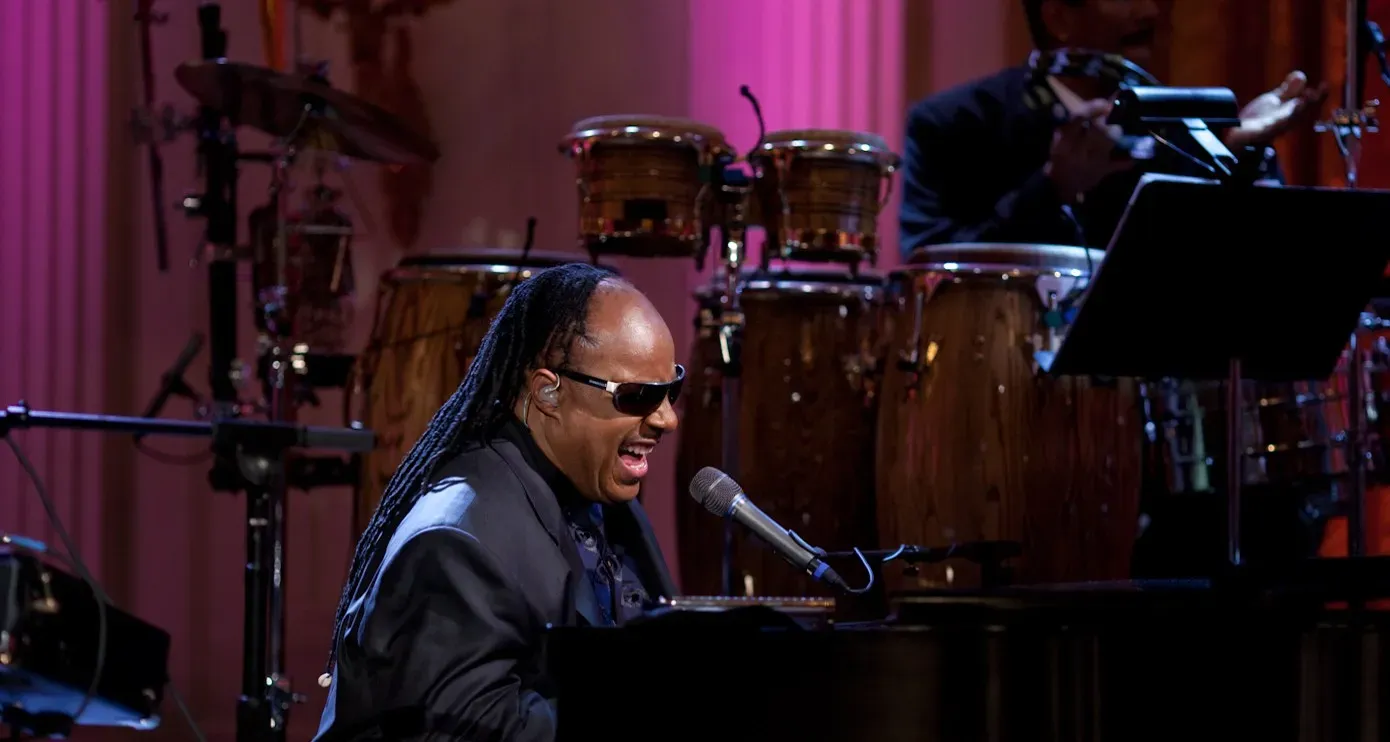
Stevie Wonder released this sprawling double album in 1976, with a bonus EP packed in. It included “Sir Duke,” “I Wish” and “Isn’t She Lovely.” It won the Grammy for Album of the Year at the 1977 awards.
Because of its length, the tape version spread over multiple programs and demanded patience. Listeners who owned it got a full tour of Wonder’s creative peak. It remains one of the most acclaimed records of the decade.
Carole King, Tapestry

Tapestry arrived in 1971 on Ode Records, and its warm, piano led songs such as “It’s Too Late” and “You’ve Got a Friend” fit living rooms perfectly. The album won the Grammy for Album of the Year at the 1972 ceremony. It stayed on the charts for years, which was unusual even then.
It was the kind of record people owned in every format, including on cartridge for the car. Having it on your shelf said you liked confessional singer songwriters. It also pointed to a household where the music was played often and quietly.
Saturday Night Fever Soundtrack
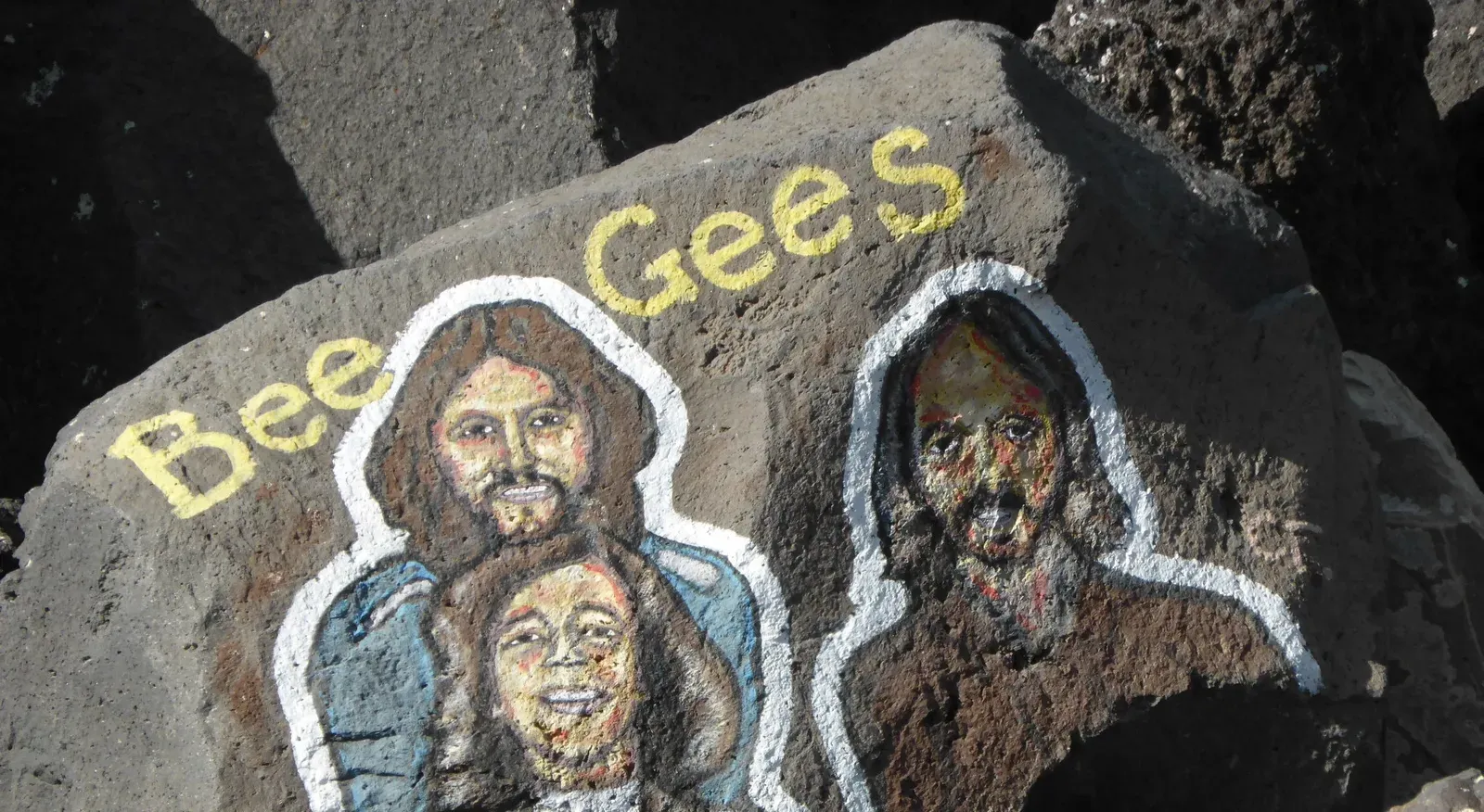
The 1977 soundtrack, released by RSO, was driven by the Bee Gees with songs like “Stayin’ Alive” and “How Deep Is Your Love.” It won the Grammy for Album of the Year at the 1979 ceremony. It sold more than forty million copies worldwide, which was a staggering number for the time.
Disco ran through the late decade, and this was its defining album. Cartridge copies were common in cars used for weekend nights out. If you had one, you probably also knew a few dance steps.
Boston, Boston
Boston’s 1976 debut on Epic came out of Tom Scholz’s home recording work, and the polished guitar sound became instantly recognizable. “More Than a Feeling” got constant radio play. It was one of the most successful debut albums in history at the time.
Its tight, radio ready tracks worked well on cartridge, with fewer awkward program changes than longer progressive records. A copy in the car was practically a rite of passage for rock fans. The album still gets regular play on classic rock radio today.