
Most people assume great movies start life as big, fat novels. Yet some of cinema’s most memorable films grew from a few dozen pages of fiction, and filmmakers often found that a short story’s compact setup left room to invent, expand, and surprise.
The ten films below are all based on short stories, novellas excluded where the source is commonly described as a novel. Each one shows a different way to stretch a small seed into a full feature.
Brokeback Mountain (2005)

Ang Lee’s drama is based on a short story by Annie Proulx, first published in The New Yorker in 1997. The story is only a few dozen pages long, which makes the film’s running time of roughly two hours and f15 minutes feel even more like a deliberate expansion.
Larry McMurtry and Diana Ossana wrote the screenplay, and it won the Academy Award for Best Adapted Screenplay. The film also earned Lee the Oscar for Best Director, showing how a spare piece of prose can support a major awards run.
Rear Window (1954)

Alfred Hitchcock’s thriller comes from a short story by Cornell Woolrich, published under the title “It Had to Be Murder.” The core idea, a man confined to his apartment who suspects a neighbor of murder, comes straight from that story.
Hitchcock and screenwriter John Michael Hayes added the romance with Grace Kelly’s character and the colorful courtyard of neighbors. Those additions turned a tight premise into one of the most studied films in the history of suspense.
Blow-Up (1966)

Michelangelo Antonioni’s film is loosely based on a short story by Julio Cortázar, known in English as “Las babas del diablo” or “Blow-Up.” The story follows a photographer who thinks he’s captured something sinister in an image.
Antonioni moved the setting to swinging London and reshaped the tale into a mystery about perception. It’s a good example of an adaptation that borrows an idea more than a plot.
Stand by Me (1986)

Rob Reiner’s coming-of-age film is adapted from “The Body,” a Stephen King story that appeared in the 1982 collection Different Seasons. Some describe it as a novella, but it sits in a book of shorter works rather than standing as a novel.
The film follows four boys who set out to find a dead body, and it’s often cited as one of the best King adaptations. Its success also helped show that his non-horror writing could translate well to the screen.
The Shawshank Redemption (1994)
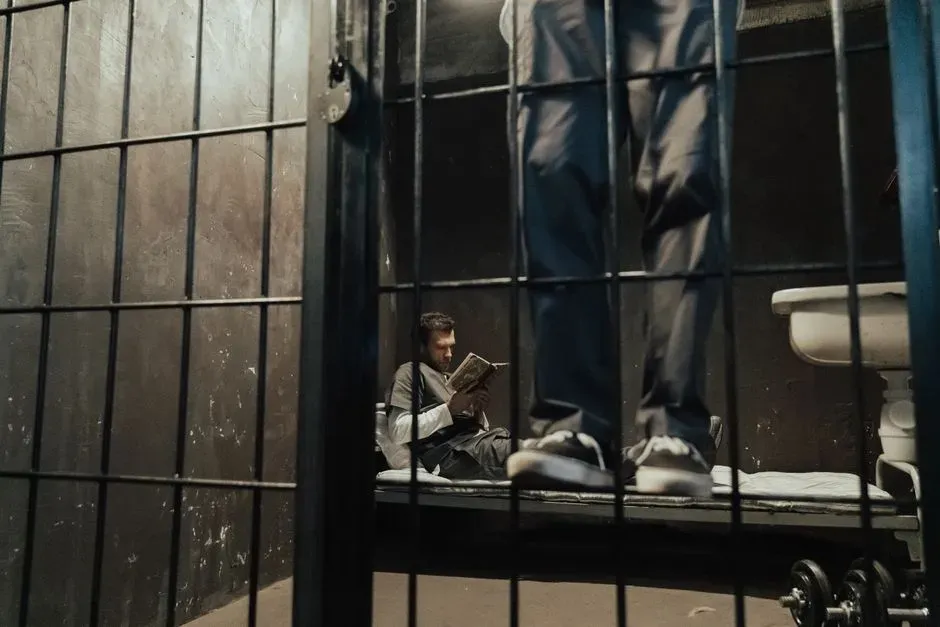
Frank Darabont’s prison drama is based on “Rita Hayworth and Shawshank Redemption,” another story from Different Seasons. Like “The Body,” it’s a long story, though it’s not a novel.
The film earned seven Academy Award nominations, including Best Picture. It wasn’t a box office hit at first, but it found a huge audience later through home video and television.
Partner offer
Minority Report (2002)

Steven Spielberg’s sci-fi thriller is drawn from a short story by Philip K. Dick, first published in 1956. The story’s idea of “precrime,” where murders are stopped before they happen, drives the film.
Spielberg built a large futuristic world around that concept and added chase sequences the story doesn’t have. Dick’s short fiction has fueled many films, but this one shows how well a single concept can scale up.
Total Recall (1990)
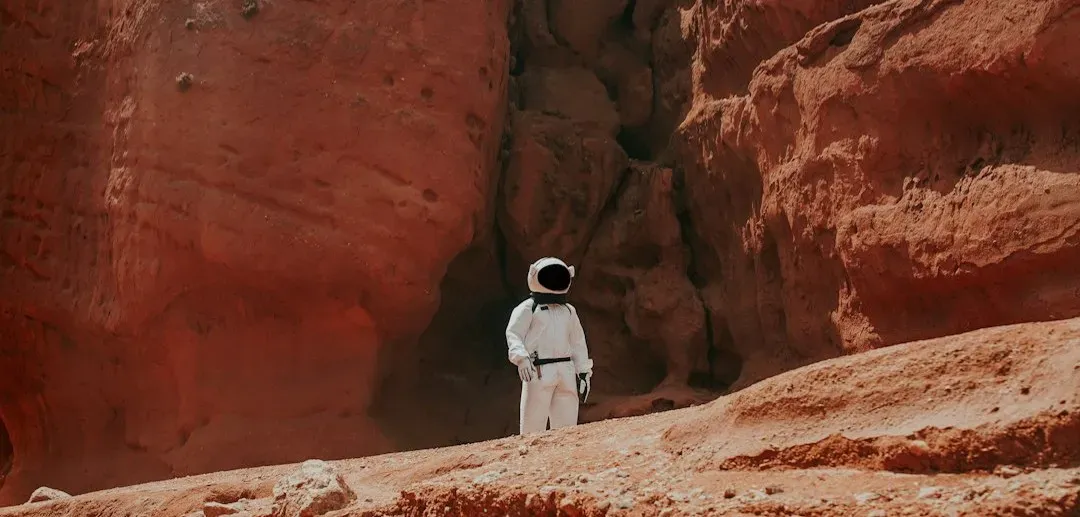
Paul Verhoeven’s film is based on Philip K. Dick’s short story “We Can Remember It for You Wholesale.” The story’s premise involves a man who wants implanted memories of a trip to Mars, and then discovers something unexpected about his past.
The movie stars Arnold Schwarzenegger and expands the setup into a full action adventure on Mars. A remake followed in 2012, which suggests how durable the original idea has proved.
Memento (2000)

Christopher Nolan’s film grew from a short story, “Memento Mori,” written by his brother Jonathan Nolan. The story was published in Esquire in 2001, after the film had already been made, which is an unusual order of events.
The film’s reverse chronology gives its tale of a man with short term memory loss a distinctive structure. It earned Oscar nominations for Best Original Screenplay and Best Film Editing.
Arrival (2016)

Denis Villeneuve’s science fiction drama is adapted from “Story of Your Life,” a short story by Ted Chiang. Eric Heisserer wrote the screenplay, and the film earned a Best Picture nomination.
The story deals with a linguist working to communicate with alien visitors. The film keeps that idea at its center while adding more visible tension around global politics and military pressure.
Big Fish (2003)

Tim Burton’s fantasy is often listed with short story adaptations, but it’s based on a novel by Daniel Wallace, so it doesn’t belong here. A better tenth example is The Mist, which Frank Darabont adapted from Stephen King’s novella.
For a cleaner pick, consider Doubt, though that began as a play. The safest closing entry is therefore Brokeback Mountain’s sibling in spirit, Hitchcock’s The Birds, which was based on a short story by Daphne du Maurier. Hitchcock moved her Cornish setting to Northern California and expanded the premise considerably.
Looking across these films, the pattern is clear. A short story gives a filmmaker one strong idea and plenty of room to build, and many of these adaptations are remembered more fondly than longer source books of their era. Sometimes less really is more.
Partner offer
Planning a trip to Vegas?
Compare hotel rates and show tickets on VEGAS.com.