We tend to link a great song with the voice we first heard singing it. That link can be misleading. Plenty of famous recordings began as material meant for somebody else.
Sometimes the original singer turned a song down, sometimes a schedule fell apart, and sometimes a death changed everything. The nine songs below all took detours before they reached the voices that made them famous.
Hound Dog
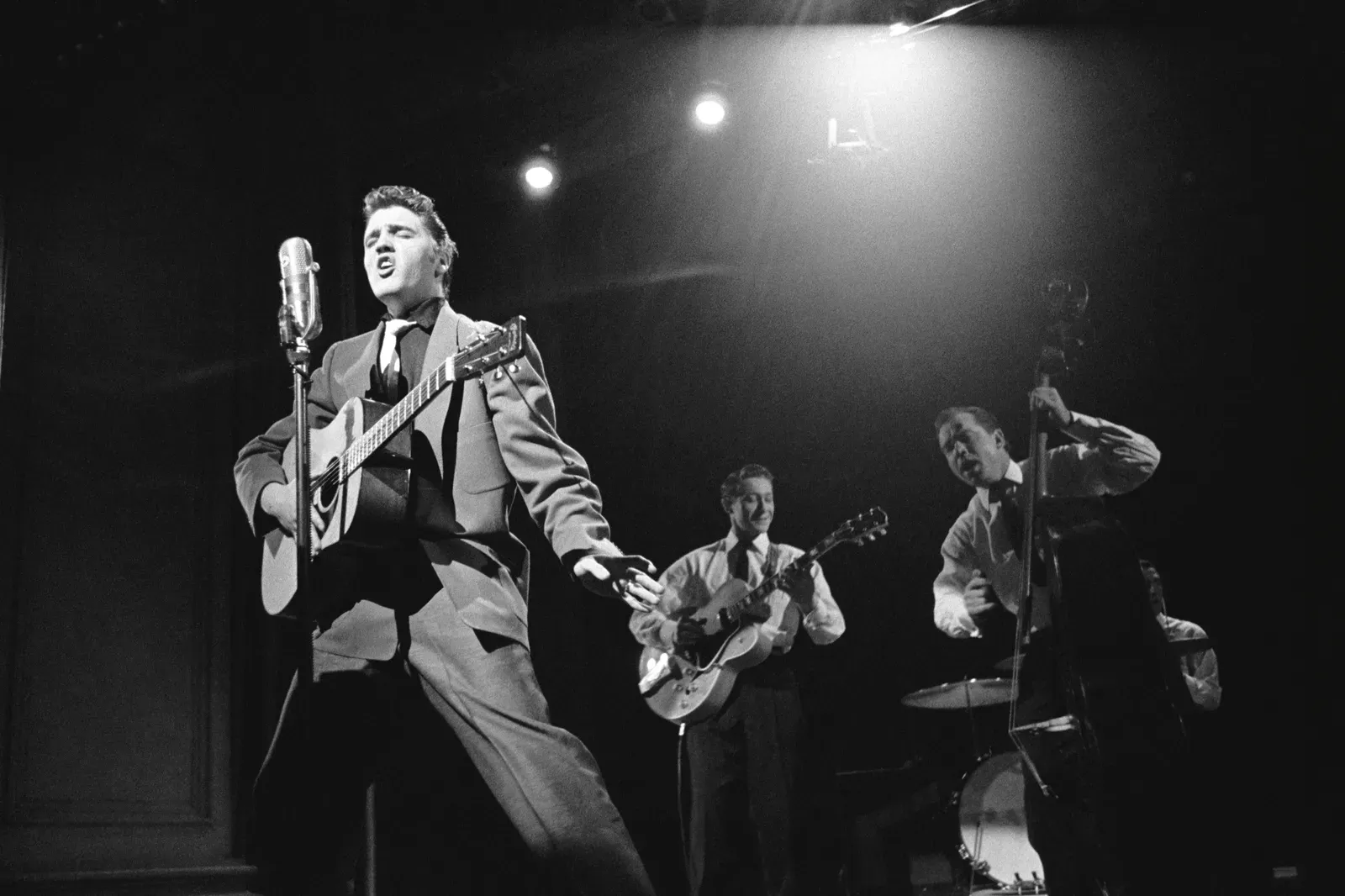
Songwriters Jerry Leiber and Mike Stoller wrote this blues number for Willie Mae “Big Mama” Thornton. She recorded it in 1952, and it was released the following year. It went to the top of the R&B chart and became the biggest record of her career.
Elvis Presley’s version came in 1956, after he had heard a livelier lounge arrangement by Freddie Bell and the Bellboys. His recording was released as a double sided single with Don’t Be Cruel. Most listeners still think of it as an Elvis song, though the lyrics were first shaped for a very different performer.
Fire
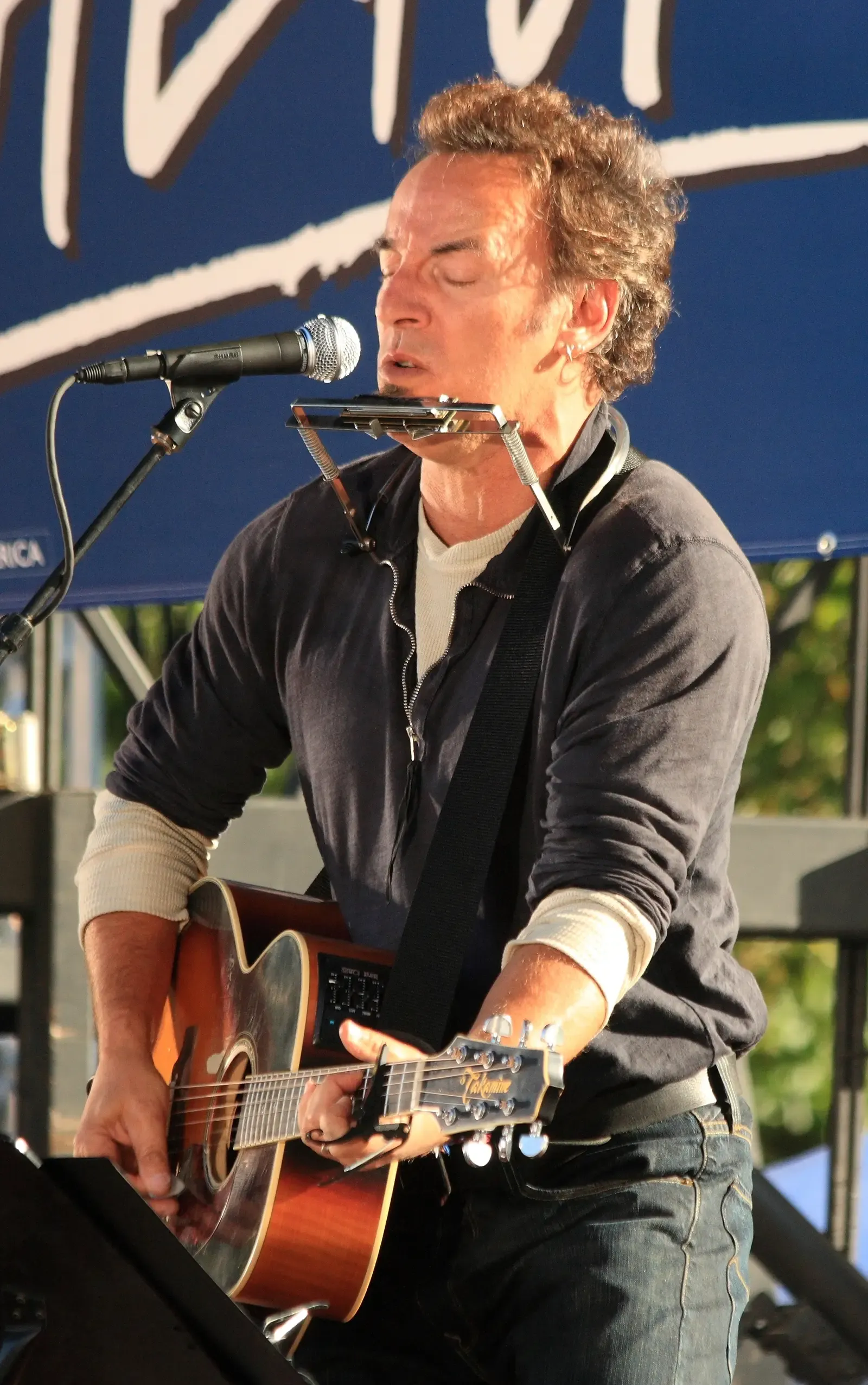
Bruce Springsteen wrote Fire in 1977 with Elvis Presley in mind. He sent a demo to Presley’s camp, but Presley died in August 1977 before he could record it. The song stayed in Springsteen’s catalog without a hit version for a while.
Robert Gordon, with guitarist Link Wray, put out the first released recording in 1978. The Pointer Sisters then recorded it for their album Energy, and their version reached number two on the Billboard Hot 100. It remains their best known chart success.
Nothing Compares 2 U

Prince wrote this ballad for The Family, a group connected to his Paisley Park circle. They included it on their only album, released in 1985. It drew little attention at the time.
Sinéad O’Connor recorded it in 1990 for her album I Do Not Want What I Haven’t Got. Her version reached number one in the United States and the United Kingdom, among other countries. Prince died in 2016 and O’Connor in 2023, and the song is still tied closely to both of them.
Manic Monday
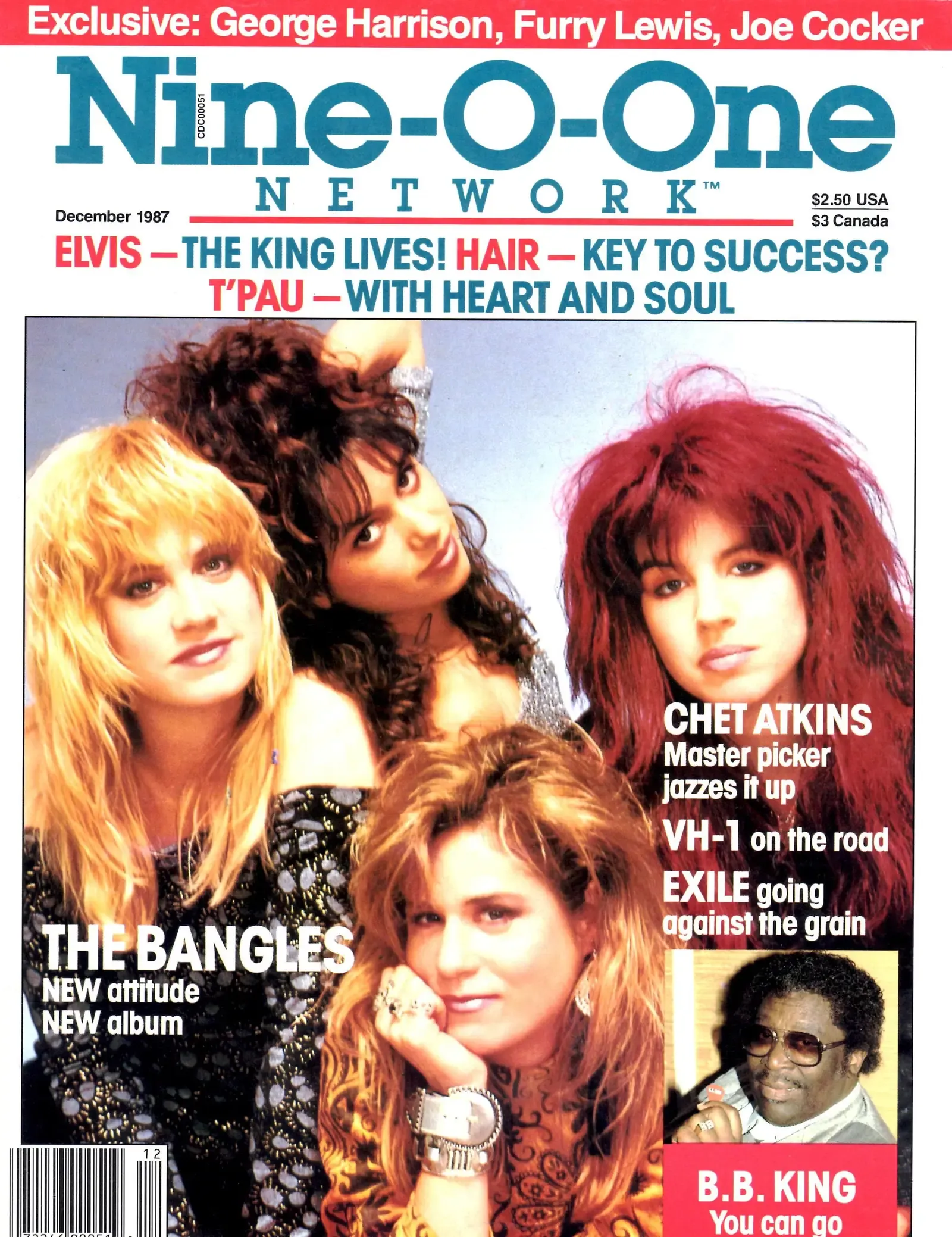
Prince wrote Manic Monday under the pseudonym Christopher, and it was reportedly intended for Apollonia 6. That project never became the song’s home. The Bangles took it instead.
Susanna Hoffs sang lead on the band’s 1986 recording from the album Different Light. It peaked at number two on the Hot 100. The song that blocked it from the top spot was Prince’s own Kiss.
Partner offer
How Will I Know
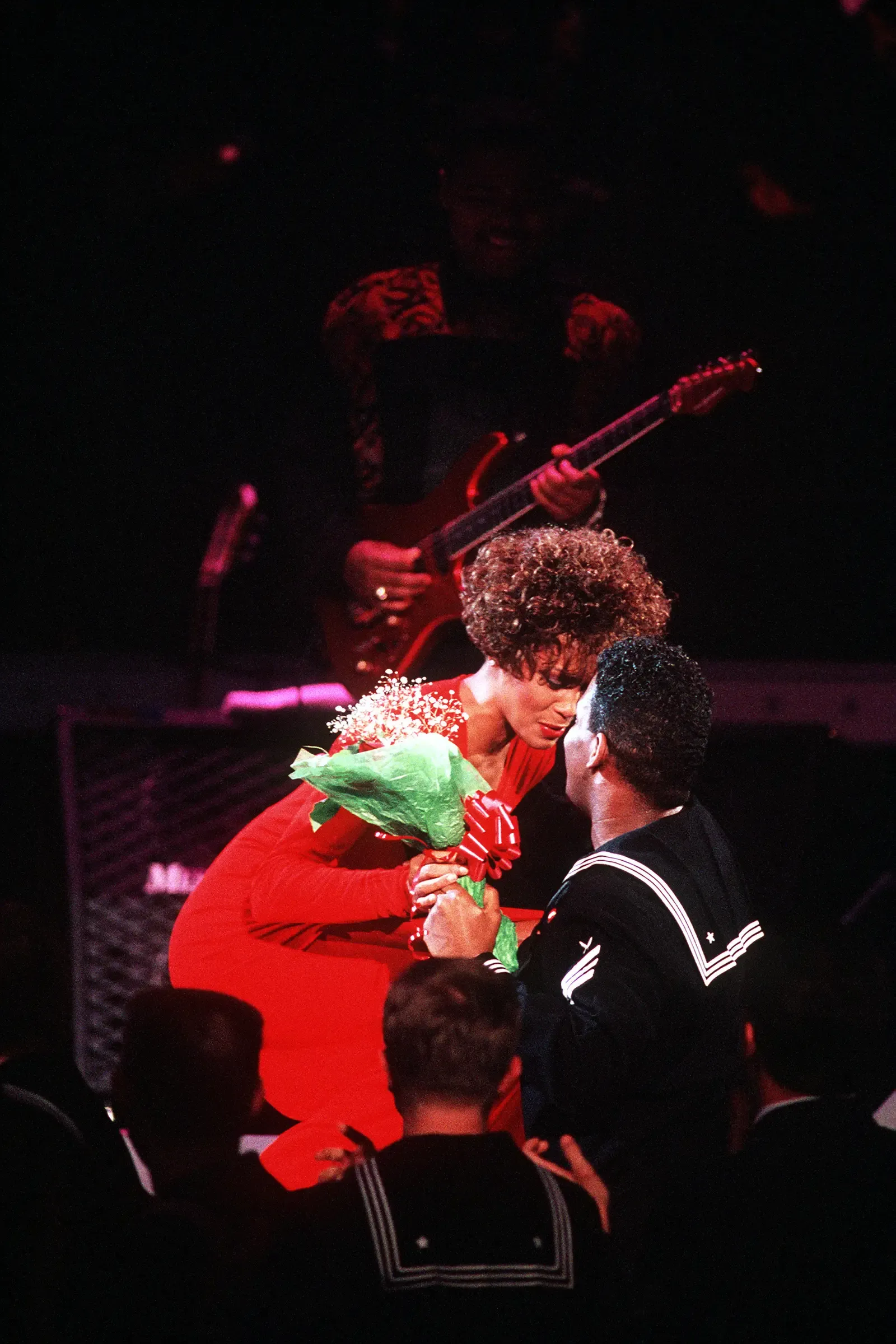
George Merrill and Shannon Rubicam wrote How Will I Know with Janet Jackson in mind. She passed on it. Whitney Houston’s team picked it up, with Narada Michael Walden producing.
Houston’s recording appeared on her 1985 debut album. It became a number one hit on the Hot 100 in early 1986. It was one of several chart toppers from that first record, and the one that showed her pop side.
Toxic
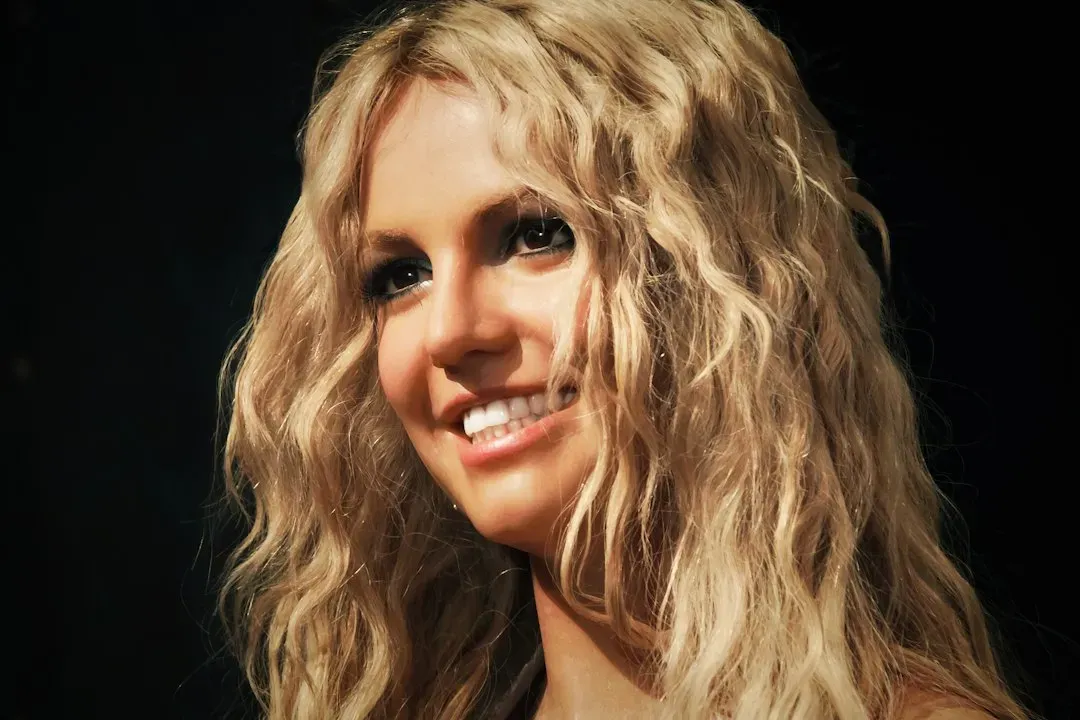
The writing team behind Toxic included Cathy Dennis and the Swedish production duo Bloodshy and Avant. The song was offered to Kylie Minogue first, and she turned it down. That decision is widely reported and has been discussed often since.
Britney Spears recorded it in 2003 for her album In the Zone. The track, built around a looping string riff, won the Grammy for Best Dance Recording. It is now one of the best known songs of her career.
Umbrella
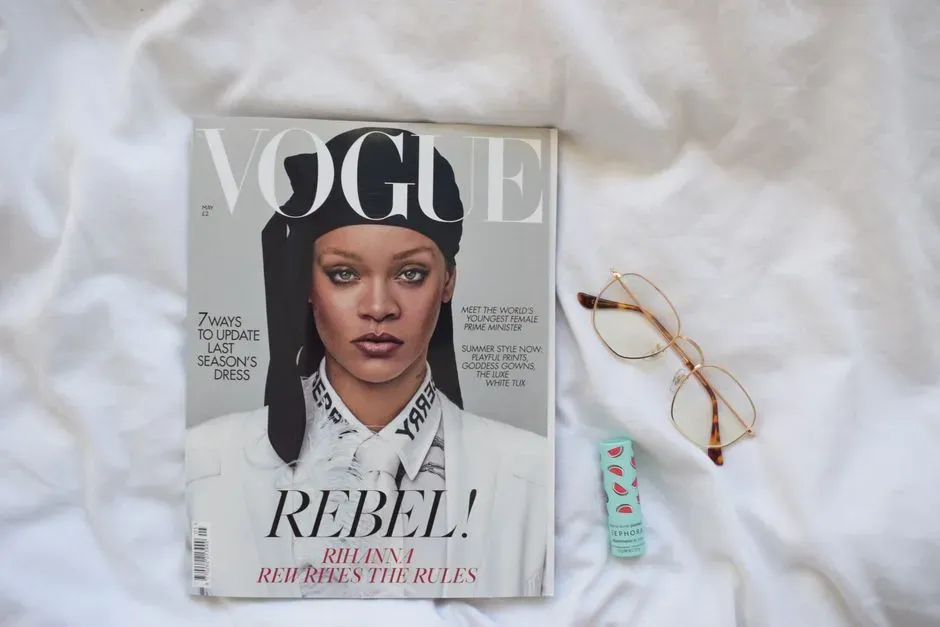
Christopher “Tricky” Stewart and Terius “The-Dream” Nash wrote Umbrella with Kuk Harrell, and Jay-Z added a rap verse. The song was first aimed at Britney Spears, but her camp passed on it. It ended up with a younger singer from Barbados.
Rihanna included it on Good Girl Gone Bad in 2007. It spent seven weeks at number one in the United States and ten weeks at the top in the United Kingdom. It also won a Grammy for Best Rap/Sung Collaboration.
It’s All Coming Back to Me Now
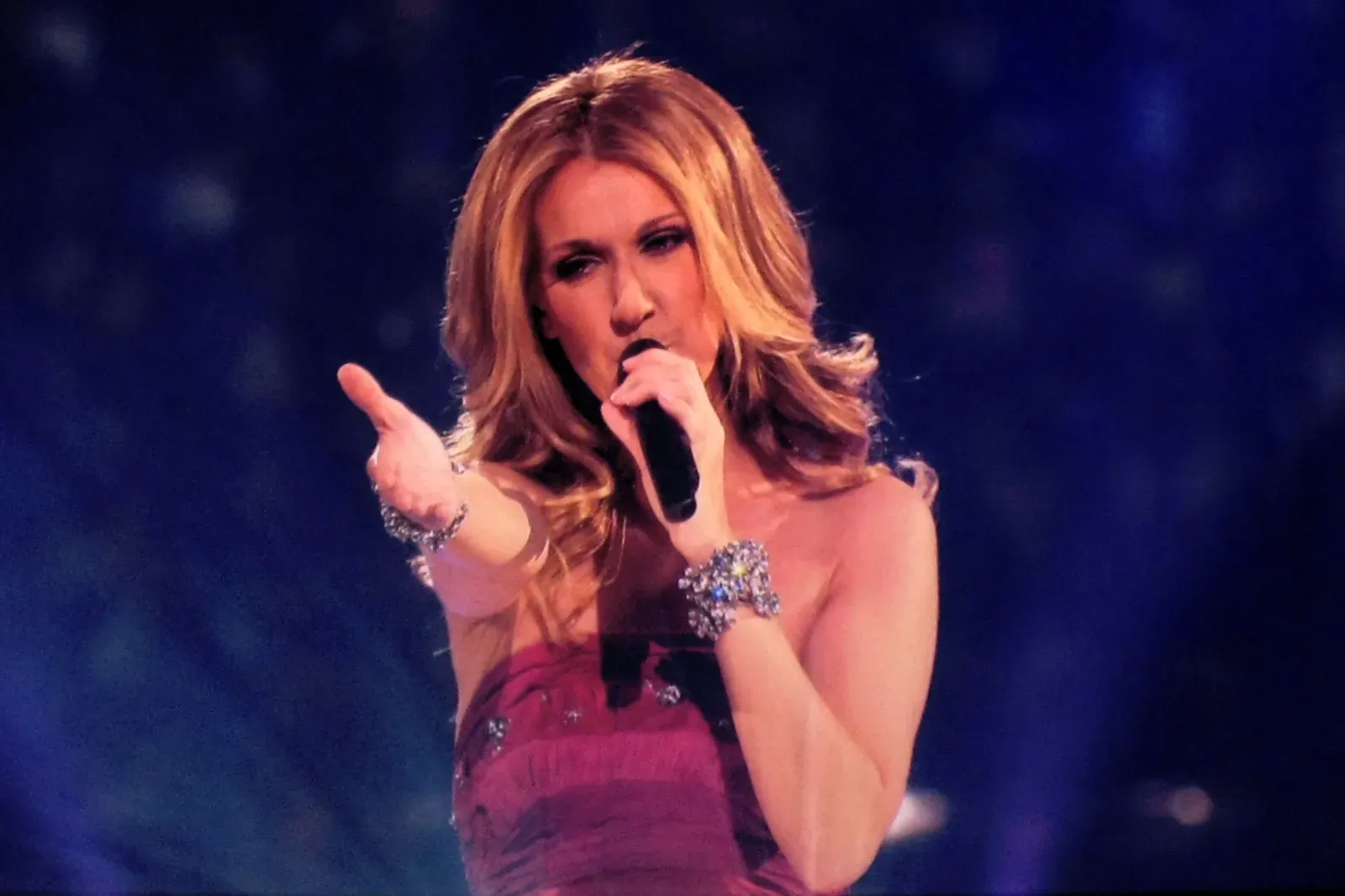
Jim Steinman, best known for his work with Meat Loaf, wrote this song for Pandora’s Box. The group released it in 1989 on the album Original Sin. It was a dramatic, theatrical piece, and it did not reach a wide audience.
Celine Dion recorded it in 1996 for Falling into You, with Steinman producing. Her version peaked at number two on the Hot 100. It turned a niche rock opera piece into one of her signature ballads.
I Will Always Love You
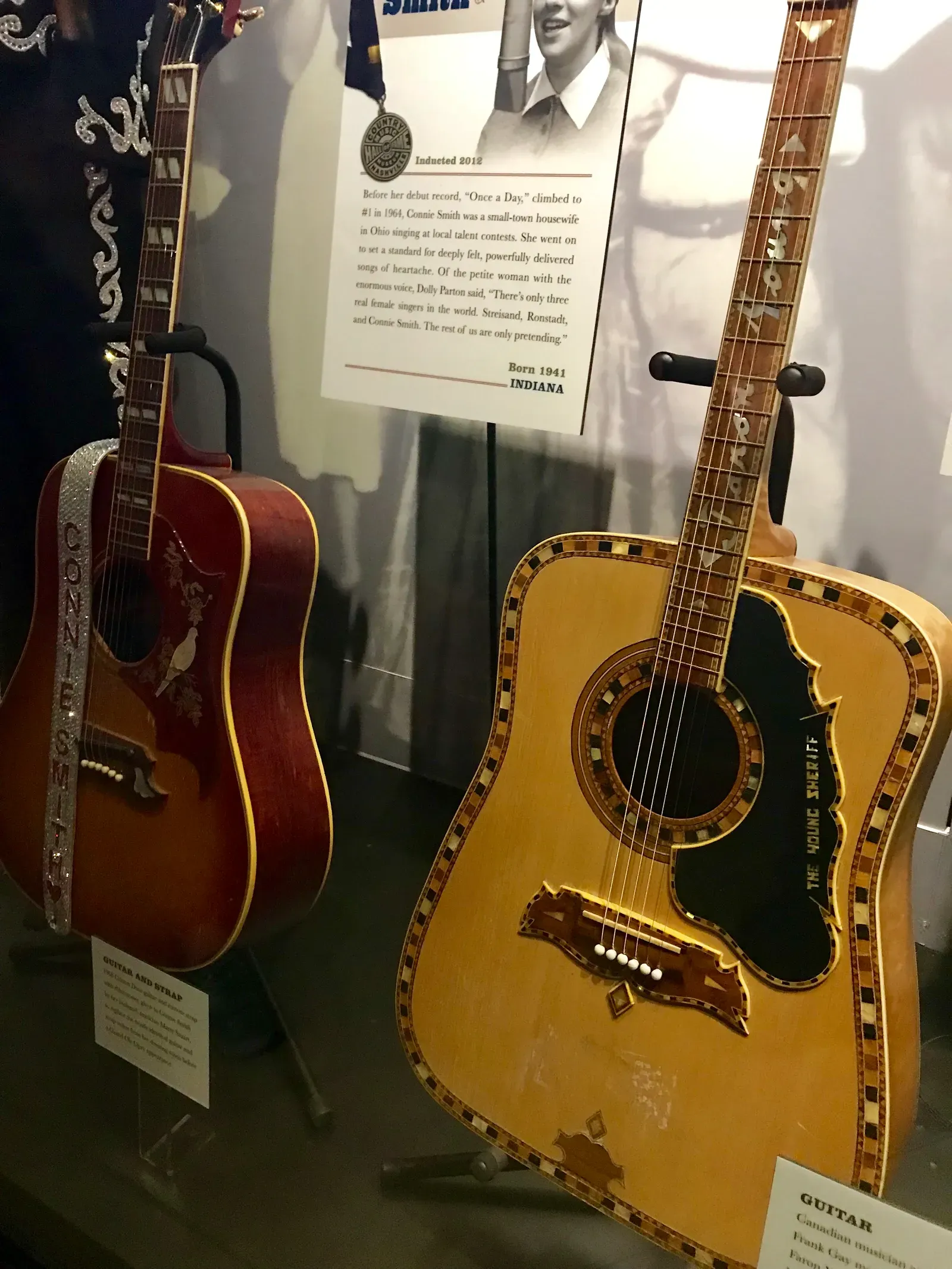
Dolly Parton wrote this song in 1973 as a farewell to Porter Wagoner, her longtime duet partner and mentor. She recorded it herself, and it reached number one on the country chart. In later years, Elvis Presley’s interest in recording it led to a dispute over publishing rights, which she refused.
Whitney Houston recorded the song for the 1992 film The Bodyguard. Her version spent fourteen weeks at number one on the Hot 100. The recording became one of the best selling singles of all time.
Partner offer
Planning a trip to Vegas?
Compare hotel rates and show tickets on VEGAS.com.