Walk into a typical American home in 1975 and you’d find a surprising number of objects that now sit in museums, thrift stores, or the back of someone’s attic. Many of them were built to last, and a few were built to impress the neighbors.
The decade sits in an odd spot between mid-century tradition and the digital era. Here are ten household items that defined daily life then, and what became of them.
Rotary Dial Phones
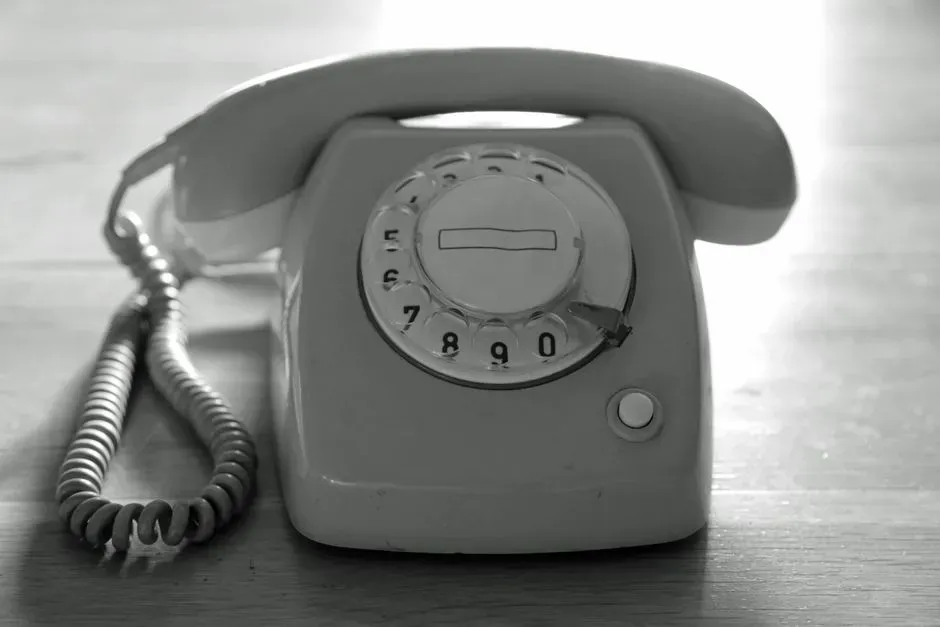
The rotary phone was the standard way to call someone in the 1970s. You placed a finger in the numbered hole, pulled the dial around to the stop, and let it spin back on its own. A long number could take a good while to dial.
Many models were leased from the phone company rather than owned, and they were heavy enough to double as a doorstop. Touch-tone dialing was already spreading, but rotary models stayed common in homes for years. Today they’re mostly collectors’ pieces, though some people still wire them up for the nostalgia.
Shag Carpet
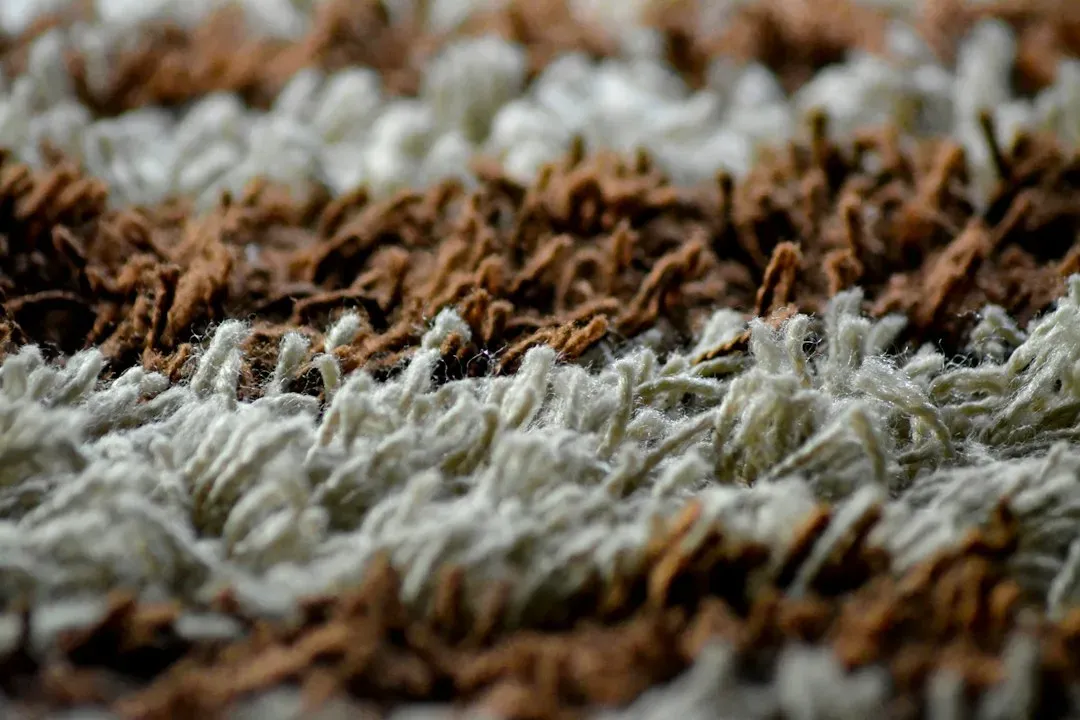
Shag carpet had long, deep fibers that felt soft underfoot and made a room look unmistakably of its era. It came in bold shades such as orange, avocado, and gold, and it showed up in living rooms and even bathrooms.
The downside was upkeep. Crumbs, pet hair, and small toys disappeared into the pile, and a regular vacuum often struggled. Shag fell out of favor in the following decades, though textured rugs and plush pile have made a modest return in modern decor.
Wood Paneled Walls
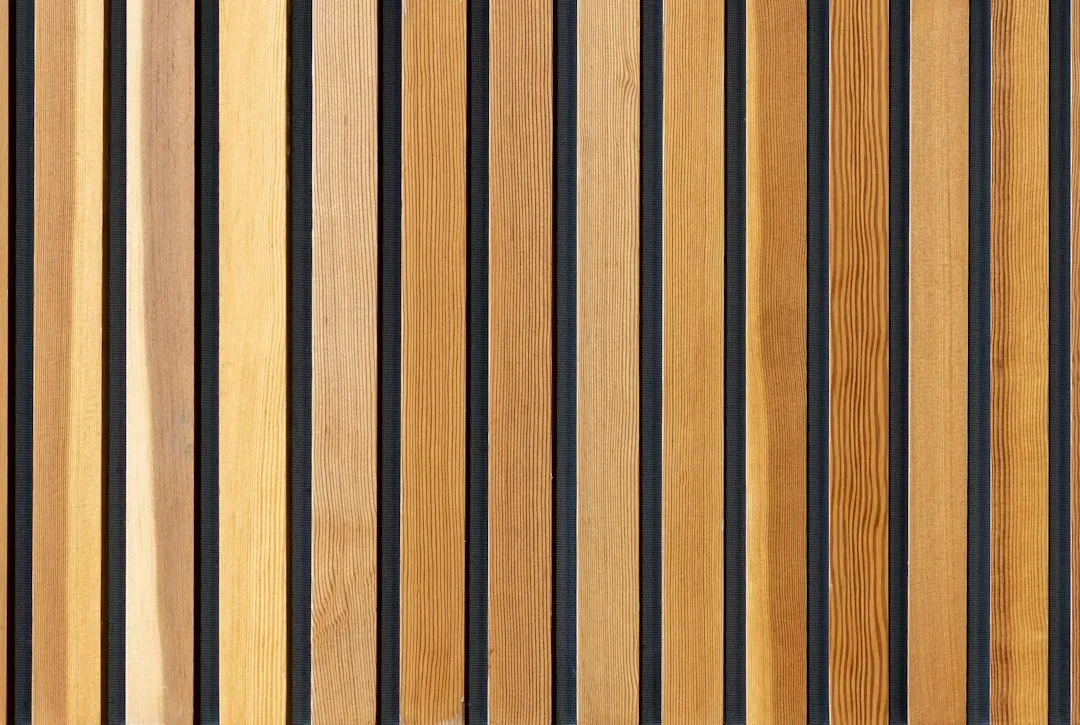
Dark wood paneling covered basements, dens, and family rooms across the country. Much of it was thin veneer or printed panels rather than solid timber, which made it affordable and quick to install.
It gave rooms a cozy, slightly library-like feel, though it also soaked up light. Plenty of later homeowners painted over it or tore it out entirely. Some designers now treat well-kept paneling as a vintage feature worth keeping.
Avocado Green Appliances

Kitchens in the 1970s were famous for colored appliances, especially avocado green and harvest gold. Refrigerators, stoves, and dishwashers came in these earthy tones to match the decor of the day.
The trend faded as white and stainless steel took over. Even so, a restored original-color appliance occasionally turns up in retro kitchen projects, where it becomes the centerpiece of the room.
Crock-Pots
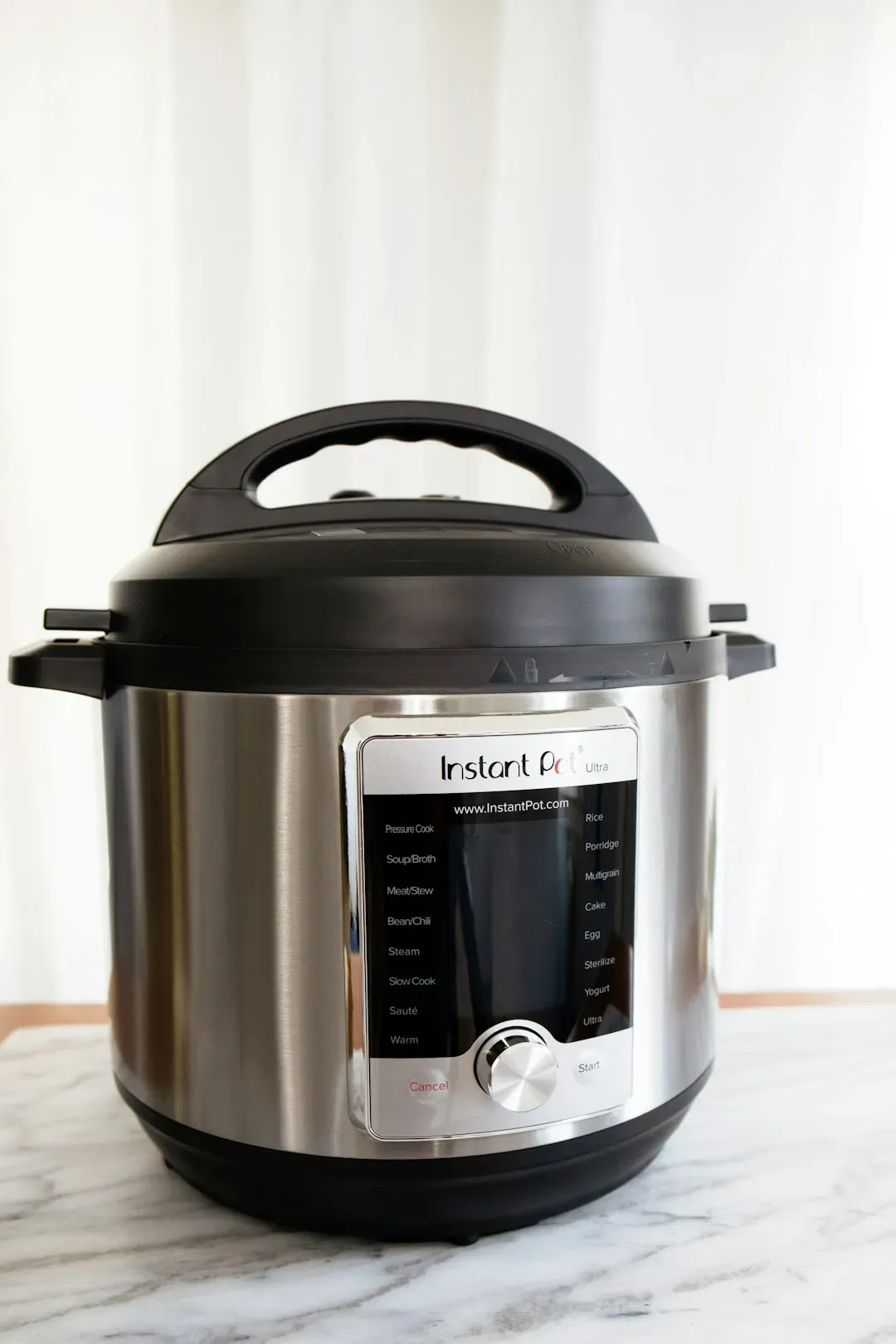
The slow cooker became a household favorite in the 1970s, with the Crock-Pot brand leading the way. You could load it in the morning with meat and vegetables and come home to dinner already done.
It suited a decade when more women were working outside the home and families wanted easier weeknight meals. The appliance never went away, and slow cookers remain a common kitchen tool today.
Fondue Sets
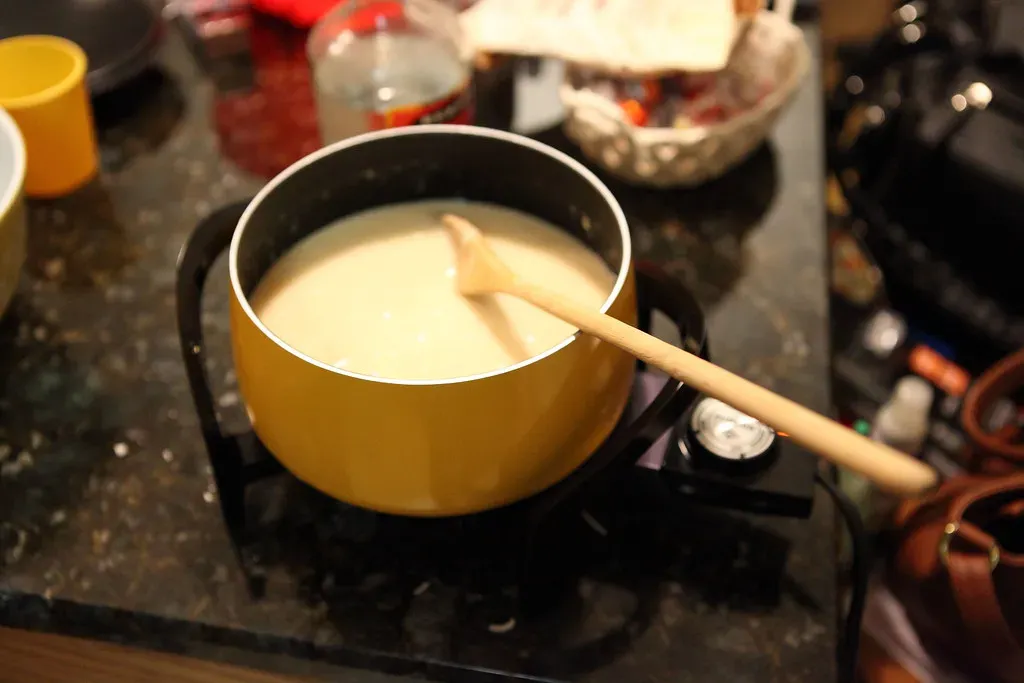
Fondue parties were a social fixture, centered on a communal pot of melted cheese or chocolate. Guests speared bread or fruit on long forks and took turns dipping.
The sets often arrived as wedding gifts and then sat in cabinets between occasions. They’ve never fully disappeared, and a retro dinner party can still bring one out for a laugh and a good meal.
Console Television Sets
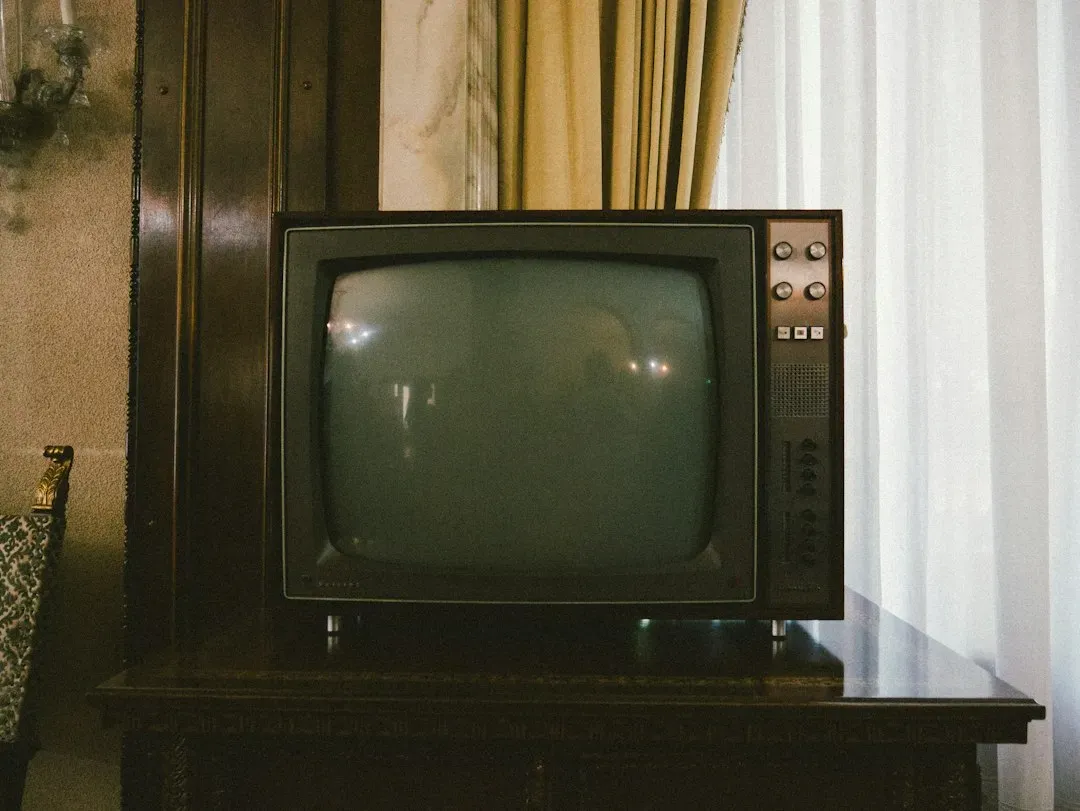
Televisions in the 1970s were often housed in large wooden cabinets that doubled as furniture. Many people still watched on small screens, and color sets were becoming more common over the decade.
Channels were limited and changed by turning a dial, with no remote needed for many models. The whole family tended to gather in front of one set, which made TV a shared evening ritual.
Lava Lamps
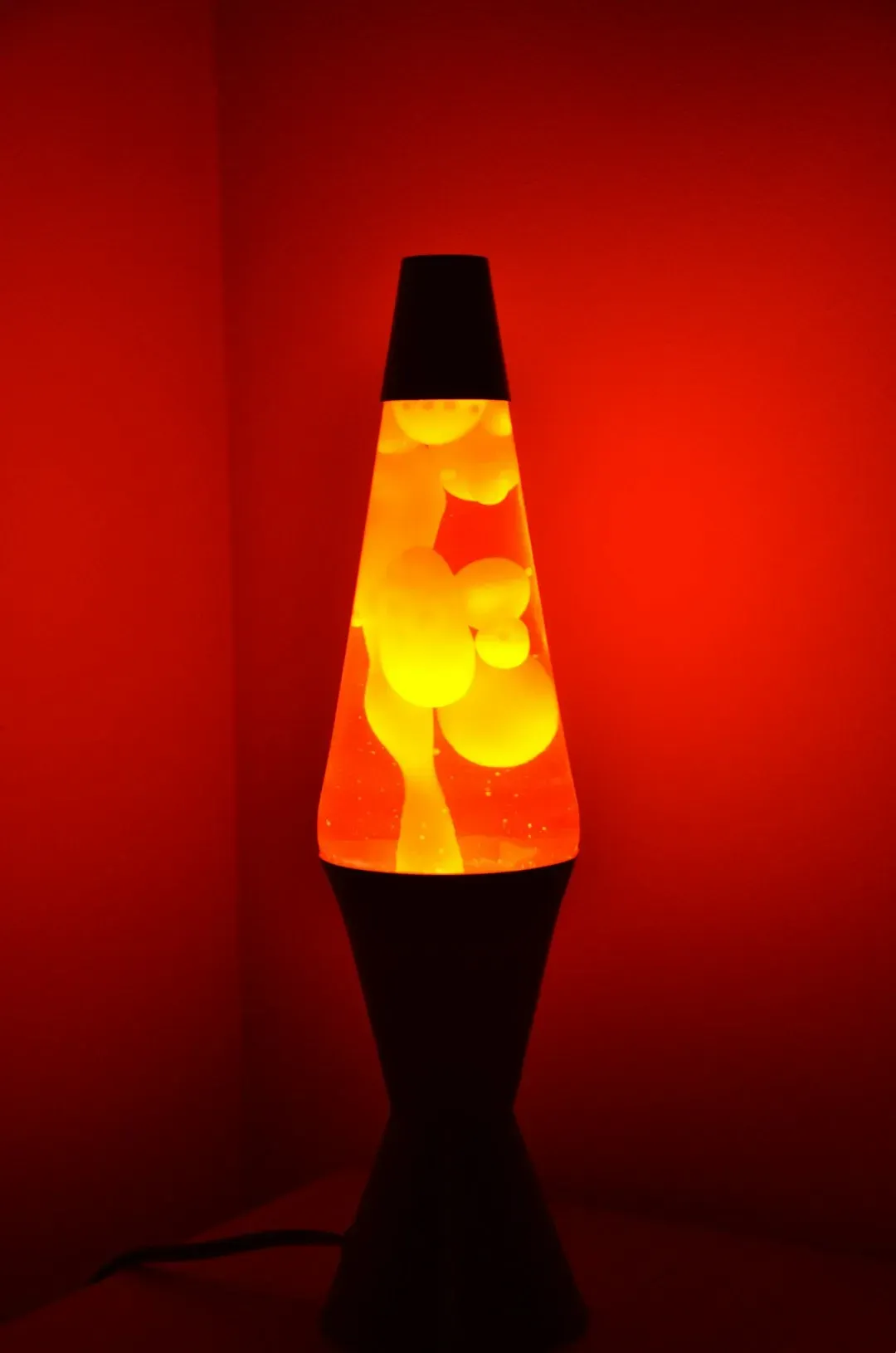
Lava lamps glowed with slow, drifting blobs of colored wax suspended in liquid. They became a symbol of the era’s playful, psychedelic taste, and they sat on end tables and dorm room shelves alike.
A small bulb at the base heated the wax so it could rise and fall. The design stayed popular enough to be sold again in later decades, and you can still buy new ones.
Macramé Plant Hangers
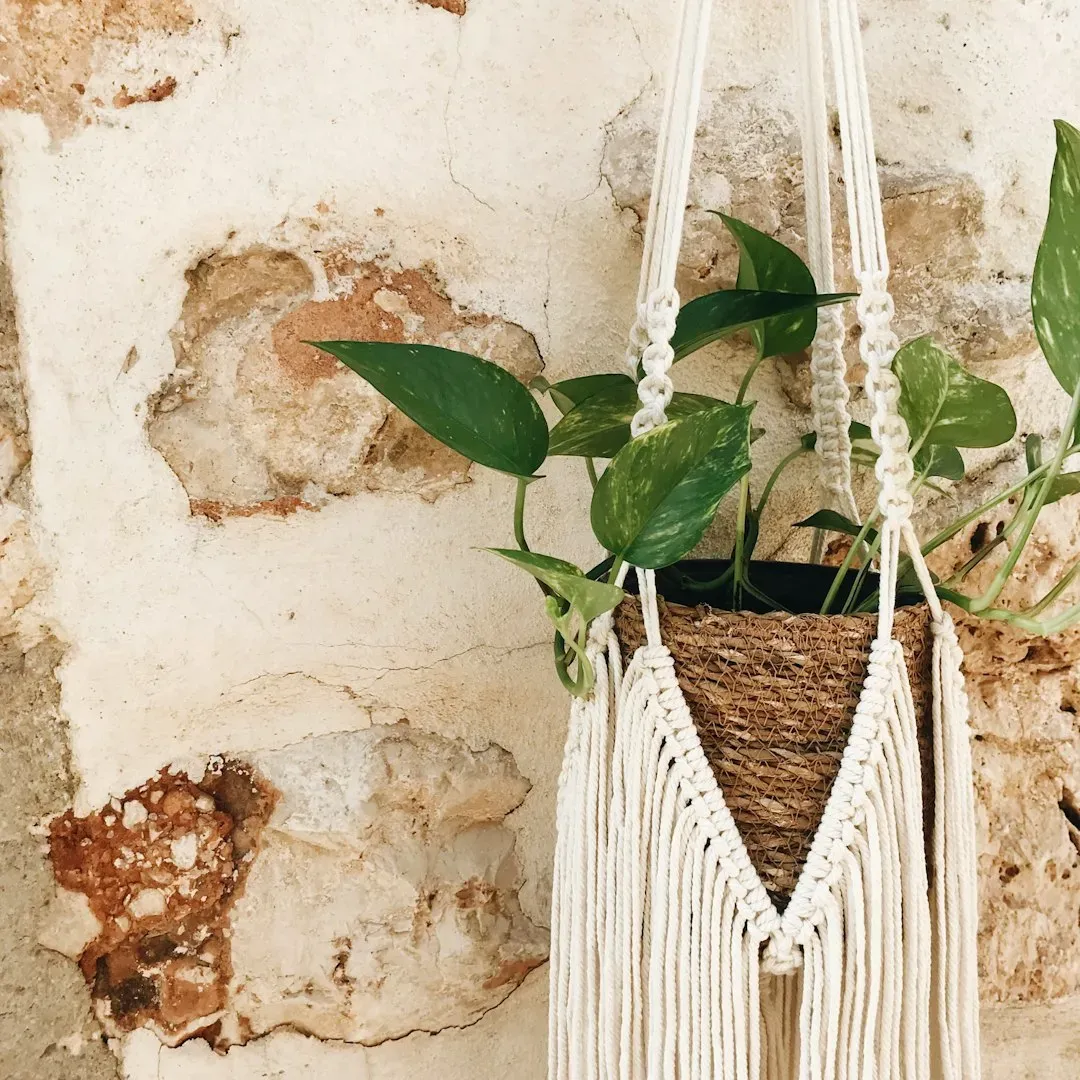
Knotted macramé hangers held potted plants from the ceiling, adding a handmade, bohemian touch to living rooms and porches. Craft books of the period taught readers the basic knots, and many people made their own.
The look fell out of fashion for years but has returned in recent home decor. Today’s versions often use cotton rope in neutral colors, and houseplant fans have helped keep the style alive.
Record Players and Hi-Fi Stereos
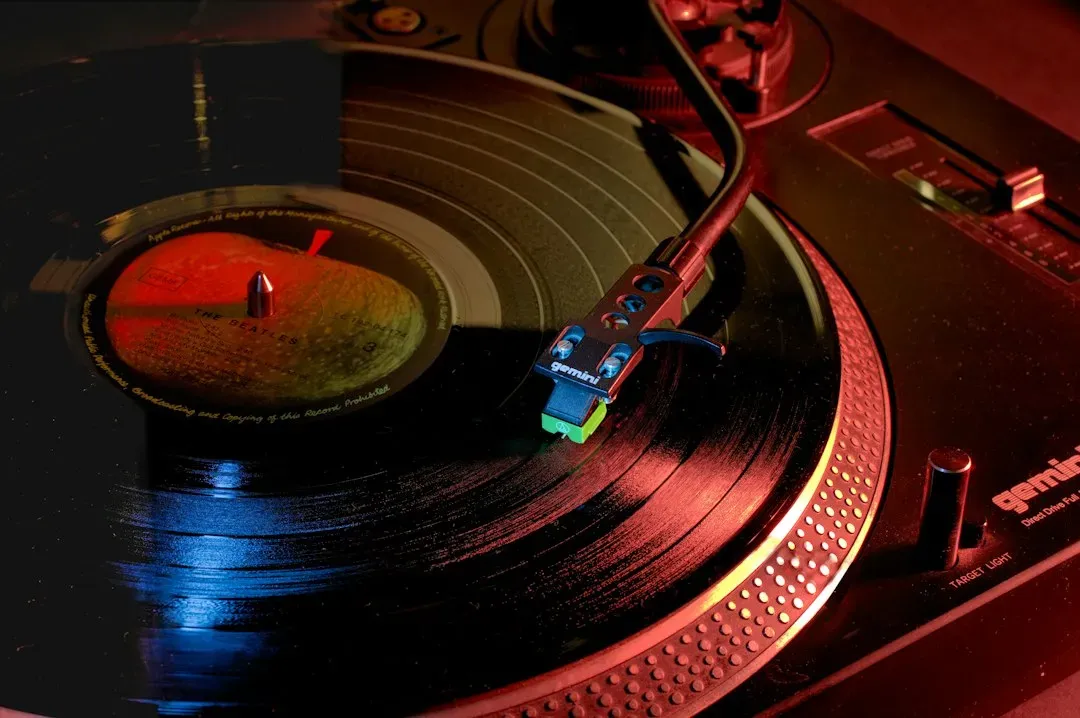
Music at home meant a turntable, often built into a large stereo cabinet with speakers on each side. Vinyl albums were the main format, and people sat down to listen to a record from start to finish.
Cassette tapes and eight-track players were also in the mix, but the record player remained a centerpiece. Vinyl has seen a notable revival in recent years, and turntables are once again a common sight in homes.