Every generation has a song they thought they knew word for word, only to find out later that the chorus they’d been belting out in the car was never actually correct. Mishearing lyrics is such a common experience that linguists gave it a name back in the 1950s: the mondegreen. The brain, when faced with a fuzzy vocal track, a thick accent, or a mix that buries the words under guitars and drums, does something remarkable. It fills in the blanks with whatever makes sense, even if what makes sense is completely wrong.
What follows are ten cases where that instinct led millions of listeners astray for years, sometimes decades, before the truth caught up with the myth.
1. Jimi Hendrix, “Purple Haze” (Image Credits: Pexels)
For decades, listeners spinning Jimi Hendrix’s 1967 classic swore he was singing about kissing another man, a line that would have been strikingly bold for mainstream rock radio at the time. The actual lyric has nothing to do with romance between men at all. Hendrix was describing a hazy, disorienting experience and directing his gesture skyward rather than toward anyone in particular.
The mishearing became so widespread that it eventually earned its own place in pop culture trivia lists and misheard-lyrics compilations. Hendrix reportedly found the whole mix-up amusing rather than frustrating, and the misunderstanding has followed the song through generations of classic rock radio play. It remains one of the most cited examples whenever writers or fans compile lists of the most confused lyrics in rock history, as noted in a roundup of classic rock mishearings.
2. Creedence Clearwater Revival, “Bad Moon Rising” (Image Credits: Pexels)
John Fogerty’s 1969 hit warns of an approaching apocalypse through ominous weather imagery, but for half a century, casual listeners have insisted the chorus is actually giving directions to a restroom. This song contains a classic misheard lyric, where the line about a bad moon on the rise is often heard as a line about a bathroom location. The confusion has become so entrenched that it functions almost like an inside joke among fans of the band.
What makes this one unusual is that Fogerty himself has leaned into the mistake rather than correcting it. Fogerty has sung the misheard version during at least one live performance and would often point toward a nearby bathroom on stage when reaching that part of the song. Fans who grew up singing the wrong words have passed the mistake down through families, with parents sometimes letting children keep singing it that way simply because it was funnier.
3. Manfred Mann’s Earth Band, “Blinded by the Light”
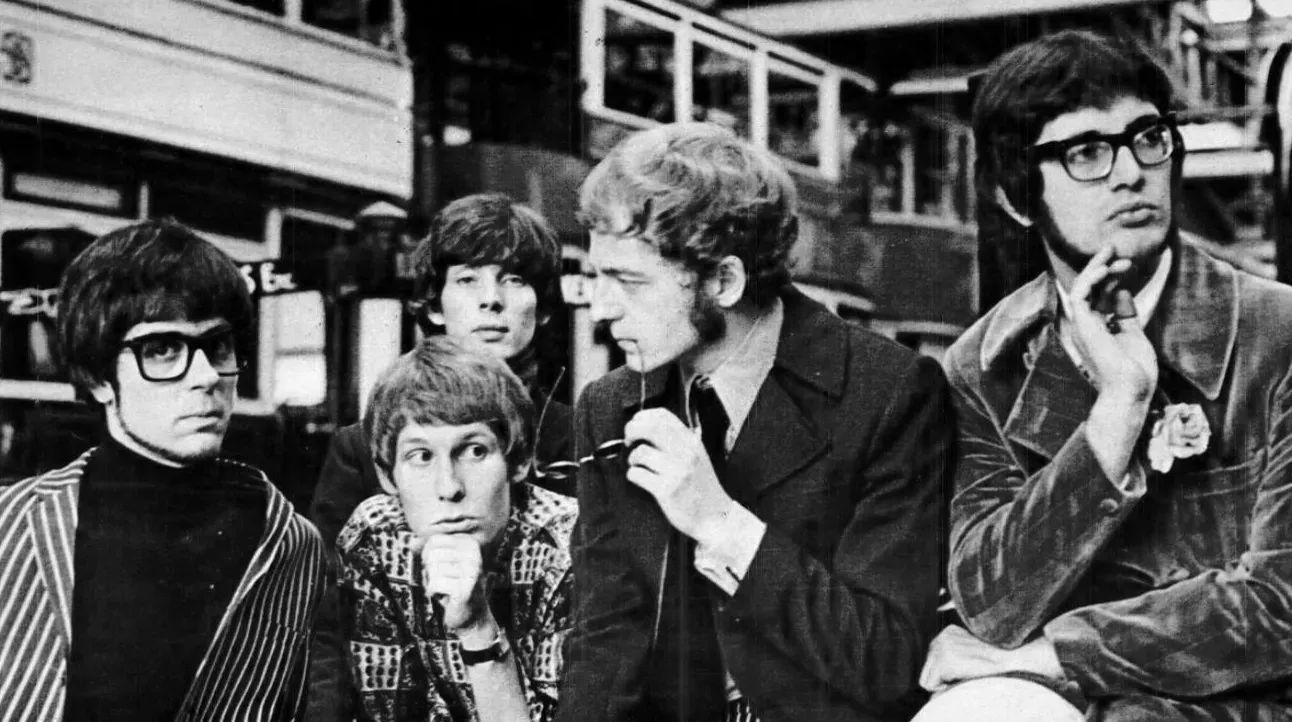
3. Manfred Mann’s Earth Band, “Blinded by the Light” (Image Credits: Wikimedia)
Few misheard lyrics have caused as much genuine confusion as this 1976 cover of a Bruce Springsteen song. The line was meant to reference a vintage hot rod known among car enthusiasts, but a recording glitch during production distorted the key word just enough that it came out sounding like something entirely unrelated and considerably more embarrassing. The widespread belief in an alternate, cruder version of the line comes from a tape machine calibration error during recording, which distorted the original word on Manfred Mann’s hit version.
Singer Chris Thompson later admitted the mix-up was partly his own doing. He told Record Collector in 2006 that it wasn’t written that way and that he screwed it up completely, noting that a faulty azimuth from the tape heads meant the track could not be remixed. Springsteen himself has joked for years about how the misheard version, ironically, may have helped the cover become a chart-topping hit in a way his original recording never was.
4. The Kingsmen, “Louie Louie”
4. The Kingsmen, “Louie Louie” (Image Credits: Pexels)
This 1963 garage rock staple holds a strange distinction: its lyrics were so mumbled that the actual content became a matter of federal investigation. The song is best known for its unintelligible lyrics that caused such a stir the FBI launched an investigation on the suspicion that the track contained dirty lyrics. The song is really a fairly innocent tale about a sailor longing to get home to his girlfriend.
Lead singer Jack Ely’s mumbled delivery had a mundane explanation. His mumbled words on the track were partly due to his wearing braces while the band was recording the song, and he was also singing at a distance from the microphone, which may have caused the blurred sound. The FBI’s two year inquiry, prompted by a parent’s complaint about the supposedly filthy lyrics, ultimately turned up nothing, but the myth of hidden obscenity has outlived the investigation itself by more than sixty years.
5. Elton John, “Tiny Dancer”
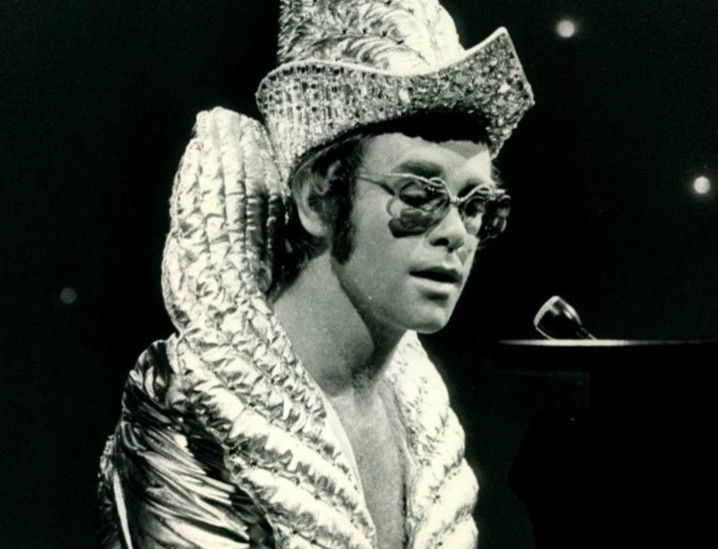
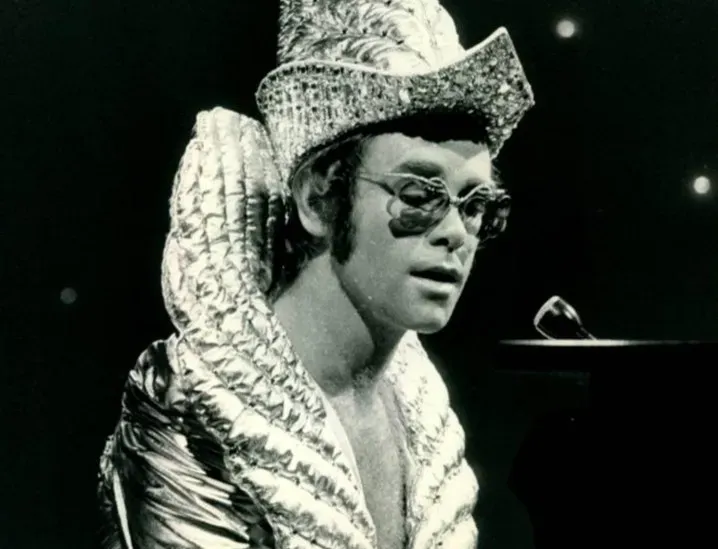
5. Elton John, “Tiny Dancer” (Image Credits: Wikimedia)
Released in 1971, this ballad has long been misheard in a way that swaps a poetic image for a reference to a television sitcom actor entirely unconnected to the song. The mishearing gained new life decades after the song’s release, partly credited to a television moment that reinforced the mistake for a younger audience. It stuck around long enough to become one of the most frequently cited examples on lists of famous misheard lyrics.
The real line has nothing to do with any actor and instead continues the song’s tender, wistful imagery about a woman being held close. Because the actual wording and the misheard version share a similar rhythm and a couple of matching syllables, the mistake has proven remarkably durable across generations of fans discovering the song for the first time on classic rock radio or streaming playlists.
6. R.E.M., “Losing My Religion”
6. R.E.M., “Losing My Religion” (Image Credits: Wikimedia)
Michael Stipe’s mumbling vocal style, which he has described as a byproduct of shyness early in his career, made R.E.M. one of the most frequently misheard bands of the alternative rock era. The R.E.M. frontman began his career with a mumbling vocal delivery, an unintended side effect of his shyness and introversion. On this 1991 hit, one section of the chorus has been misheard by fans in wildly different ways over the years, with some hearing something about escaping through trenches instead of the actual phrase describing a departure.
Stipe later revealed that one key line in the song wasn’t originally what listeners assumed either, though for different reasons. Instead of the familiar line about being in the corner and in the spotlight, the earlier draft referenced being in the corner and in the kitchen, Stipe recalled. That change was intentional rather than a mishearing, but it shows how even the songwriter was actively shaping ambiguity into a song already prone to confusion.
7. Nirvana, “Smells Like Teen Spirit”
7. Nirvana, “Smells Like Teen Spirit” (Image Credits: Flickr)
Kurt Cobain’s vocal delivery on this 1991 anthem was famously buried under distortion and a thick, deliberately murky mix, which left plenty of room for listeners to fill in gaps with their own guesses. The song became a defining anthem of a generation, yet many fans who shouted along at concerts and in bedrooms were, by their own later admission, only approximating the actual words. The chorus in particular invited wildly different interpretations because the vocal melody emphasized rhythm and energy over clear enunciation.
This particular mishearing phenomenon became something of a running joke within grunge and alternative rock fandom throughout the 1990s. Because Nirvana rarely printed full lyric sheets with early releases, fans were often left piecing together meaning from bootleg transcriptions and radio DJs’ best guesses, which only multiplied the number of competing misheard versions circulating at the time.
8. Taylor Swift, “Blank Space”
8. Taylor Swift, “Blank Space” (Image Credits: Unsplash)
When this 2014 single from the album 1989 hit radio, a huge portion of listeners became convinced Swift was referencing a specific coffee chain in the chorus. In 2019, listeners misheard the lyric about a long list of ex-lovers as a reference to lonely coffee shop patrons instead. The confusion became such a phenomenon that even Swift’s own mother admitted to hearing it the same way.
The singer addressed the mix-up directly on social media at the time, sharing that her mother had laughed and confirmed the mishearing sounded exactly like the coffee chain reference. Swift tweeted that her mom had said it really did sound like that, adding that her mother was supposed to be on her side. The coffee company itself later embraced the joke, even curating a themed playlist years afterward that referenced the beloved mix-up directly.
9. Eagles, “Hotel California”
9. Eagles, “Hotel California” (Image Credits: Wikimedia)
This 1976 song is packed with evocative, somewhat unusual imagery, including a specific plant reference early in the first verse that many American listeners had never encountered in everyday conversation. Because the word was unfamiliar to much of the song’s audience outside the Southwest, generations of fans simply substituted whatever sounded close enough, turning an evocative botanical detail into something that made considerably less sense. The obscurity of the term made it a prime candidate for creative reinterpretation over the decades.
The band has never seemed particularly bothered by the confusion, and the song’s broader mysteries, including endless debate over what the lyrics symbolically represent, have arguably overshadowed this smaller mishearing anyway. Cover versions and karaoke tracks have occasionally printed the wrong word outright, which only reinforced the mistake for listeners who learned the song secondhand rather than from the original recording.
10. Toto, “Africa”
10. Toto, “Africa” (Image Credits: Unsplash)
Released in 1982 and experiencing a notable streaming revival in recent years, this song’s opening line has tripped up listeners almost since it first hit the radio. The verb describing the singer’s feelings about rainfall in Africa gets swapped by many listeners for a completely different, more casual sounding word that changes the tone of the line considerably. Because the actual phrasing uses slightly formal, almost biblical language, it doesn’t always match the conversational rhythm listeners expect from a pop chorus.
The mishearing has persisted well into the song’s second life as a streaming era favorite, particularly after it resurfaced through memes and covers in the late 2010s and early 2020s. Younger listeners discovering the track for the first time on playlists have continued to misinterpret the same line, proving that a good mondegreen can survive not just decades but entirely new listening formats.
The common thread running through all ten of these songs is not carelessness on the part of the listener, but the ordinary limits of human hearing when it meets a mumbled vocal, a compressed mix, or a printing error that never got corrected. Some of these mishearings were shaped by tape machines and studio accidents, others by regional accents or unfamiliar vocabulary, and a few by nothing more than a catchy rhythm that made the wrong words simply feel right. Decades later, many fans still catch themselves singing the version they grew up with, even after learning the truth.
Partner offer
Partner offer
Planning a trip to Vegas?
Compare hotel rates and show tickets on VEGAS.com.