Hollywood loves a comeback story, but not every bruised experience ends with a triumphant return. Sometimes an actor takes one look at the finished film, or remembers the misery of the shoot itself, and simply decides that particular corner of the business is closed for business. These are not petty grudges. They are the kind of quiet, hard-earned boundaries that come from getting burned once and refusing to get burned twice. What follows is a collection of actors who, after one rough encounter with a specific genre, walked away and meant it. Some of these stories are funny in hindsight. A few are genuinely uncomfortable to read. All of them say something about what it actually costs to make the kind of movies audiences remember.
Shelley Duvall and the horror shoot that never really ended
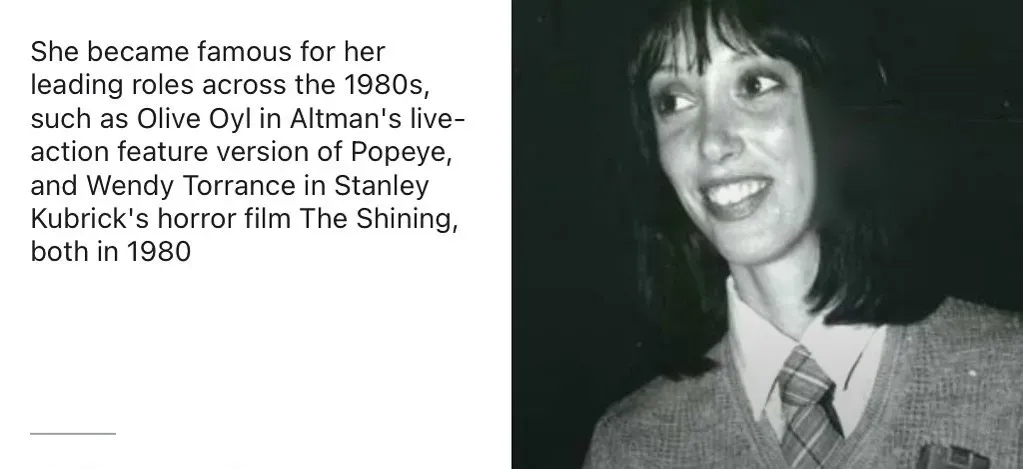
Shelley Duvall’s turn in Stanley Kubrick’s 1980 psychological horror film left a mark that outlasted the production itself. Duvall appeared alongside a crazed Jack Nicholson in 1980’s The Shining and the actress called the experience “almost unbearable.” She later described the director’s relentless demands during filming, saying he pushed her further than she had ever been pushed on a set before.
The toll was not just emotional. The stress for Duvall was so bad that her hair even started to fall out. Duvall largely stepped back from big-studio filmmaking in the years that followed, and she rarely returned to the kind of grueling, director-driven horror production that defined that shoot, choosing smaller, gentler projects for most of the rest of her career.
George Clooney and the rubber suit that ended his superhero career
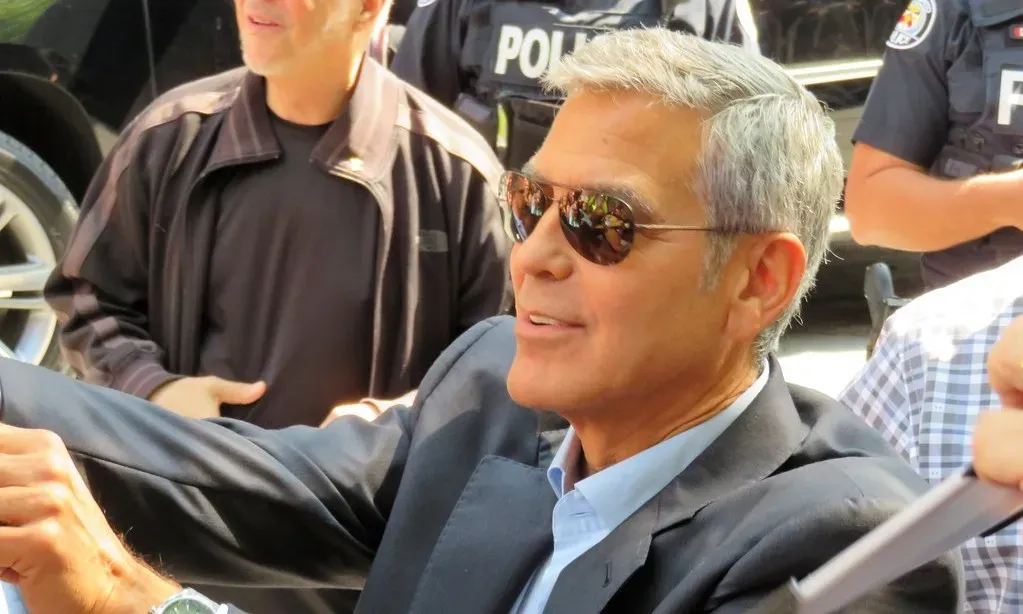
George Clooney’s single outing as Batman in 1997’s Batman & Robin became a punchline he never stopped telling, but the aftermath was more instructive than funny. In 2020, he explained to The Guardian that the disastrous experience had taught him a career lesson. Clooney admitted that his disastrous experience with Batman & Robin had taught him to “pick better films,” saying he learned that if you’re going to be held responsible for a film, instead of just being an actor in it, you had better pick better films.
He never went back, even when the offers kept coming decades later. “I don’t think there are enough drugs in the world for me to go back again,” Clooney told Entertainment Tonight when asked about reprising the role beyond a brief cameo. He was so committed to steering friends away from the same fate that in 2019, Clooney said he actually warned his pal Ben Affleck not to take on the job in the 2016 film “Batman v Superman: Dawn of Justice.”
Val Kilmer and the Batsuit that crushed a childhood dream
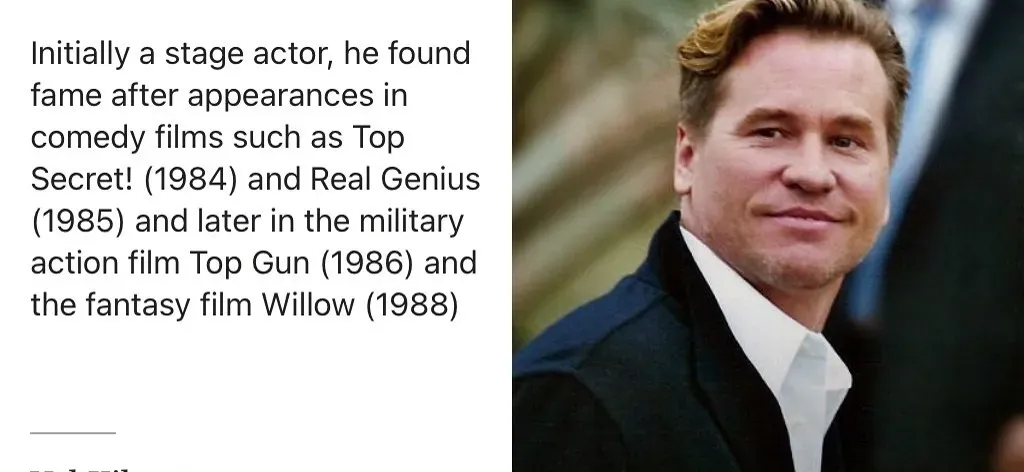
Val Kilmer grew up wanting to be Batman, which made his single film in the cape and cowl especially painful. In his 2021 documentary Val, he explained exactly where the excitement disappeared. “Whatever boyhood excitement I had was crushed by the reality of the Batsuit,” he said in Val.
The rigid rubber suit restricted his hearing and his movement so severely that the role stopped feeling like acting and started feeling like an obstacle course. He never returned as the character, later reflecting to The New York Times that the specific actor almost did not matter to fans anyway. “That’s why it’s so easy to have five or six Batmans,” the Top Gun star said. “It’s not about Batman. There is no Batman.”
Halle Berry and her one and only comic book villain
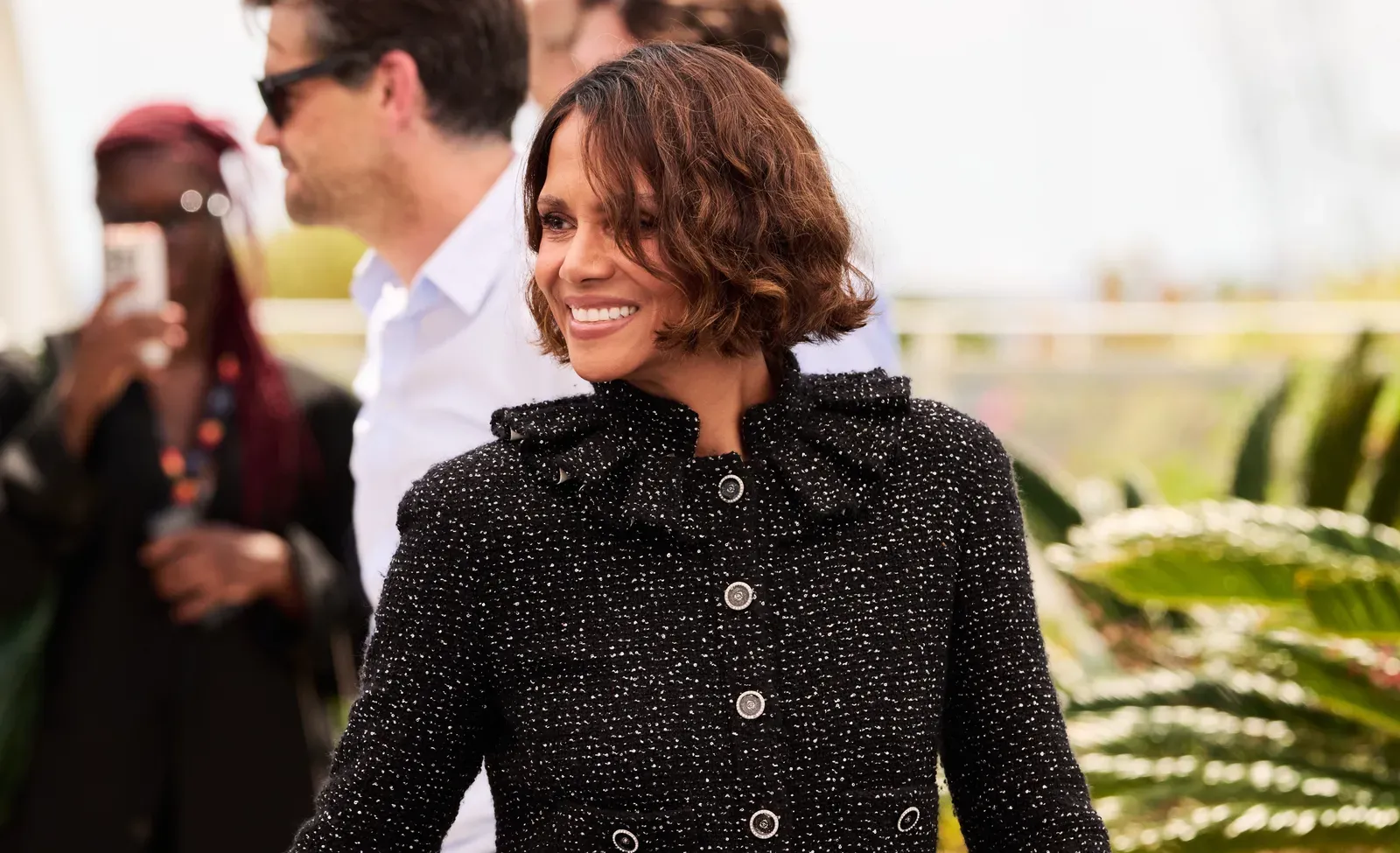
Halle Berry arrived at 2004’s Catwoman fresh off an Oscar win, and the film’s failure was swift and merciless, earning her a Worst Actress Razzie that she accepted in person while still holding her Academy Award. The experience did not leave her bitter exactly, but it did leave her decisive. When asked years later about ever playing a comic book character again, she was blunt.
“No, no … You guys didn’t like Catwoman the first time, and I’m not a masochist … I make movies for people, and if people don’t really want to see that, then I wouldn’t make the same mistake twice, obviously,” she said in a press junket. The point was not lost on entertainment writers covering the comments at the time, one of whom noted plainly that between Storm fizzling out and Catwoman stuck in the kennel, audiences would not be seeing Halle Berry in any more comic book movies.
Jamie Lee Curtis and the sci-fi disaster she saw coming
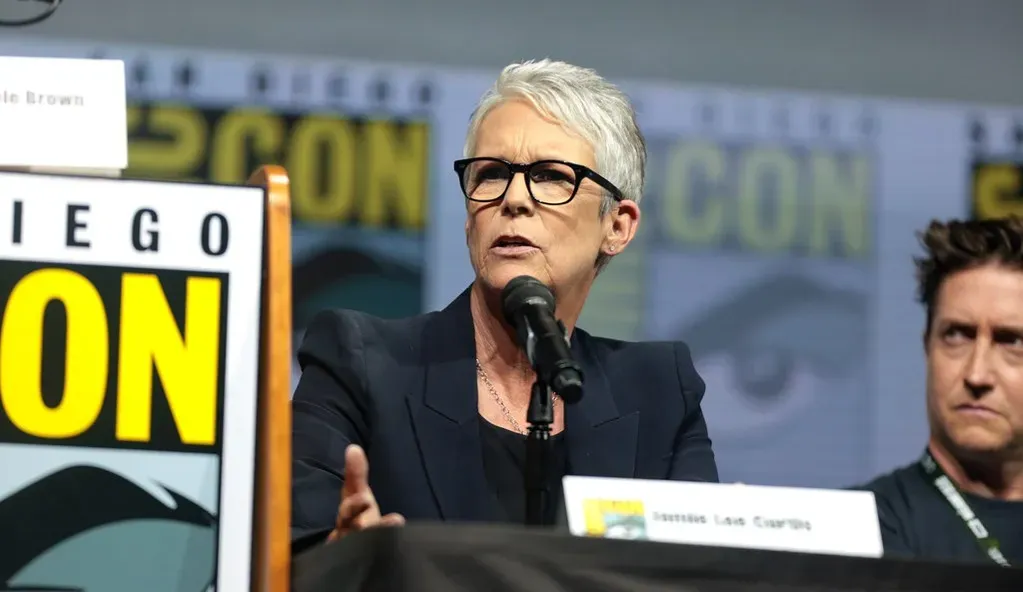
Jamie Lee Curtis built a career on horror, but 1999’s Virus, a sci-fi creature feature about a Russian ship overtaken by an alien entity, tested even her patience with the genre’s rougher edges. The film cost far more than it earned back and was torn apart by critics on release. Curtis herself never softened her opinion of it in later interviews.
Partner offer
Curtis dismissed “Virus” as an “all time piece of s***” in one interview, and in another remarked that it was the rare occasion where she knew, even during production, that the project was heading toward disaster. Curtis has been understandably sanguine with her feelings surrounding the movie, remarking it was the only time she knew a project she was in was going to be a disaster. She stuck to slasher horror she trusted after that and steered clear of big, expensive sci-fi creature films going forward.
Robert Pattinson and the horror movies he can no longer watch
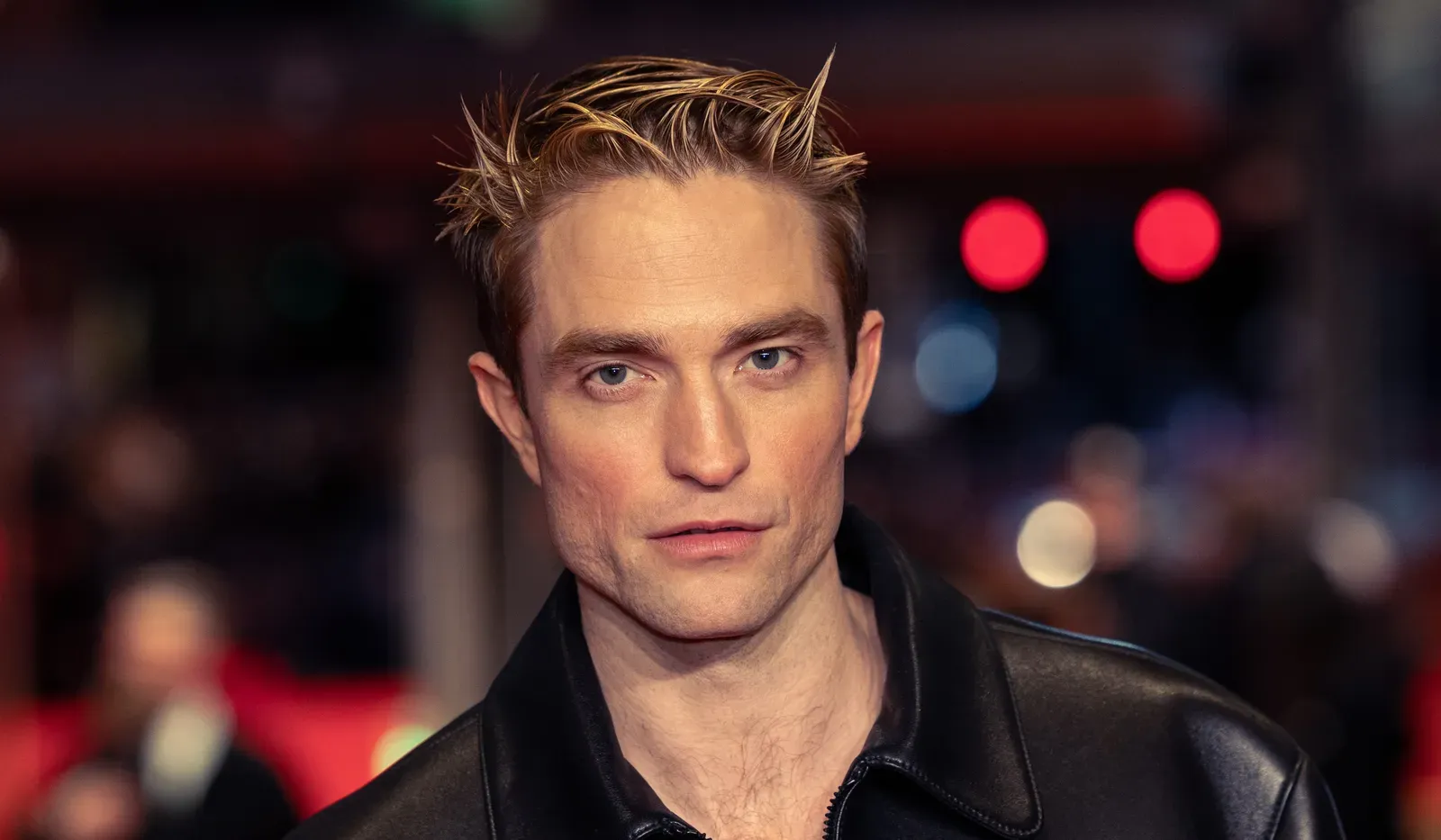
Robert Pattinson’s relationship with horror took an unusual turn as he got older. Rather than growing numb to scares the way most people do, he told GQ the opposite happened to him. He revealed that he’s become “too sensitive” to horror movies as an adult during an interview alongside his Mickey 17 director Bong Joon Ho.
The breaking point came when a director required him to watch a horror film before a meeting, and the aftermath was almost comedic in its intensity. The actor was recently required to watch a horror movie before meeting a director for a new project, and it resulted in Pattinson sleeping with knives because he was so scared of a home invasion. His own conclusion was simple and final. “I can’t watch horror movies anymore,” Pattinson said.
Katherine Heigl and the raunchy comedy that changed her career path

Katherine Heigl’s breakout came through 2007’s Knocked Up, a broad, gross-out romantic comedy from Judd Apatow that made her a star practically overnight. Yet Heigl walked away from the experience uneasy about the genre’s treatment of women, and she said so publicly in a Vanity Fair interview that became infamous. She said she believed the film was “a little sexist” and explained: “It paints the women as shrews, as humourless and uptight, and it paints the men as lovable, goofy, fun-loving guys.”
The comments strained her relationships with Apatow and costar Seth Rogen for years, and Heigl largely pivoted away from that particular style of raunchy studio comedy in the years that followed, gravitating instead toward television dramas and gentler romantic films. She eventually apologized for how the remarks were received, telling Howard Stern that she liked the movie a lot but simply did not like herself in it. Even so, she never worked with Apatow again, and roughly two decades later that particular brand of ensemble sex comedy remains absent from her filmography.
Bill Murray and the family comedy misunderstanding he could not shake
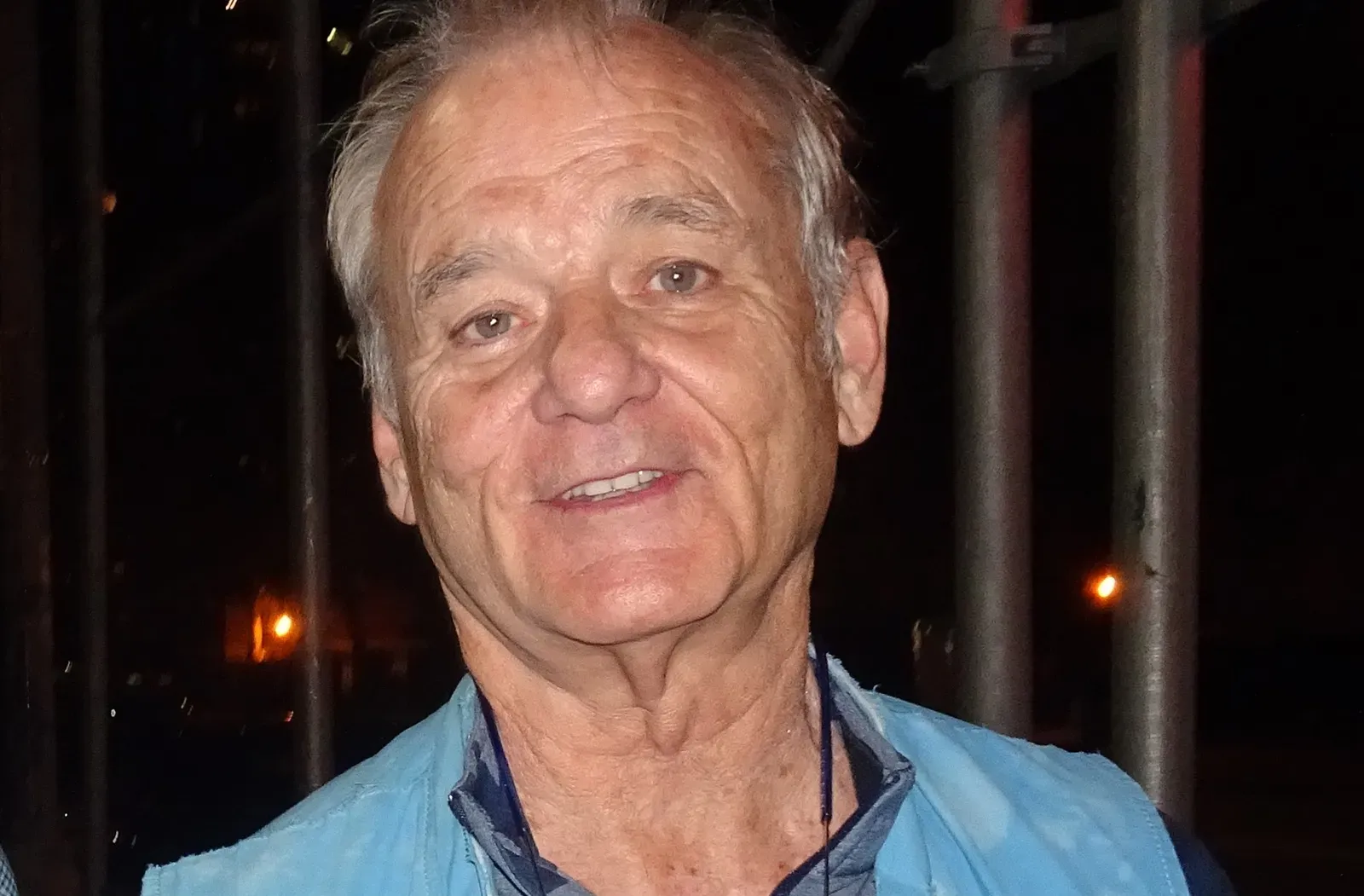
Bill Murray has told the story often enough that it has become part of Hollywood folklore. He agreed to voice the title character in 2004’s Garfield after reportedly believing the script had been written by one of the Coen brothers, only to discover the credited writer was a different person entirely with a similarly spelled name. By the time he realized the mistake, he was already contractually committed to the film.
The finished product was a critical disappointment, and Murray has spoken candidly in interviews over the years about how much he regretted the whole affair, treating it as a cautionary tale about reading scripts more carefully rather than trusting a name on a page. He has been notably choosier about broad, effects-heavy family comedies and voice work ever since, favoring smaller, more idiosyncratic projects instead. It remains one of the more widely retold examples of an actor being burned by a single misunderstanding rather than a difficult set or a poor performance.
Sean Connery and the spy franchise he kept trying to quit
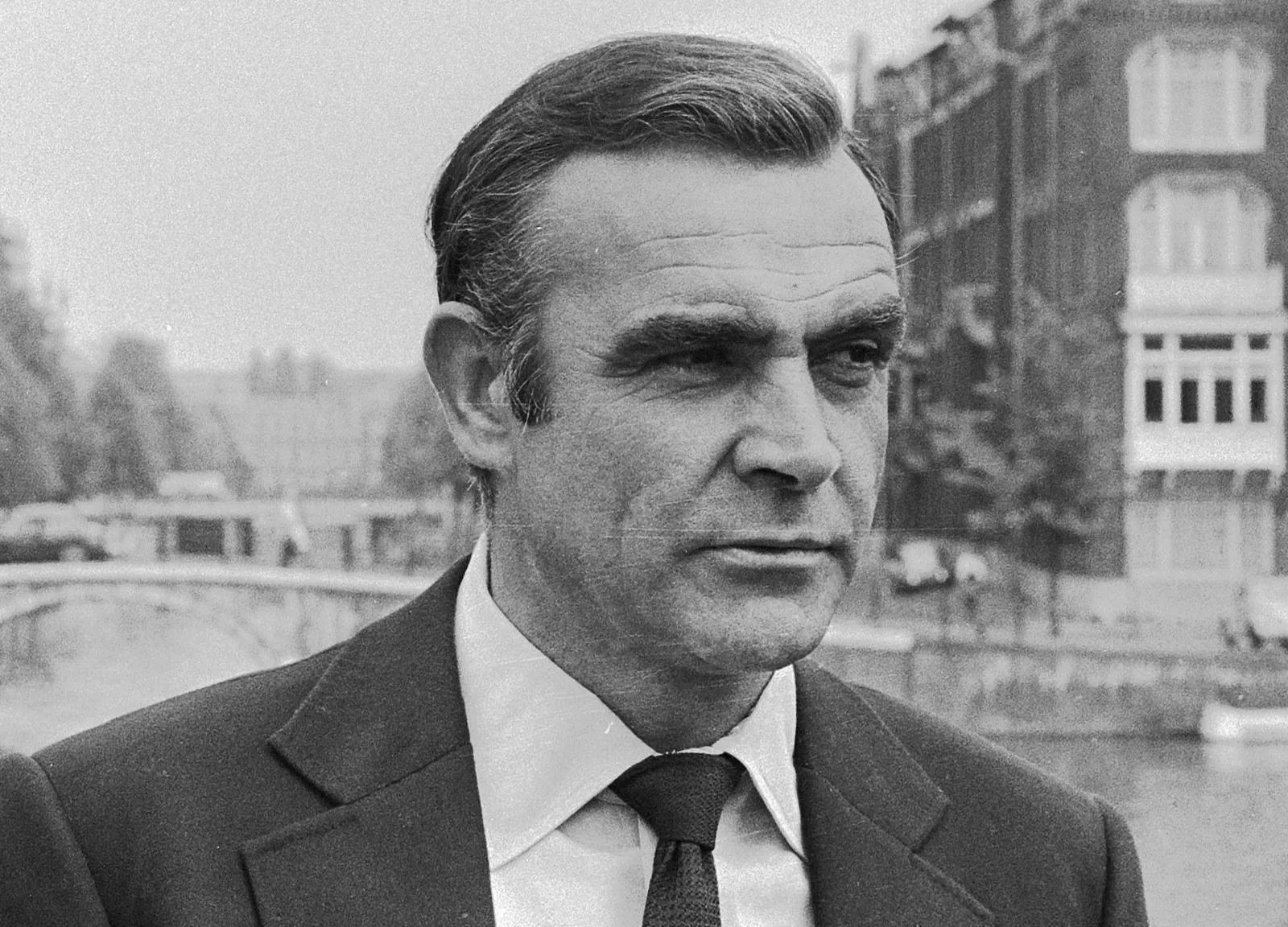
Sean Connery’s history with James Bond is famous precisely because he tried to walk away from it more than once. After growing weary of being typecast as the character in the 1960s, he stepped away following You Only Live Twice, returned briefly for a large payday in Diamonds Are Forever, and then took one final turn in the unofficial 1983 film Never Say Never Again, a title that now reads as almost too fitting.
By the time that film wrapped, Connery had made his peace with leaving the tuxedo and the gadgets behind for good, spending the rest of his career building a body of work that had little to do with spy franchises at all. He went on to win an Oscar for The Untouchables and took on roles ranging from historical epics to adventure films, rarely if ever revisiting the genre that made him famous in the first place. The irony of a film literally titled Never Say Never Again marking his true, permanent exit from the role has not been lost on film historians since.
What these stories have in common

Partner offer
Planning a trip to Vegas?
Compare hotel rates and show tickets on VEGAS.com.