Adapting a novel means making choices, and the last few minutes are where those choices show most. Some filmmakers stay loyal to every page. Others look at the final chapter, decide it won’t work on screen, and rebuild it.
Opinion on any ending is subjective, and almost none of these changes is praised by everyone. Still, in each case below, critics and viewers have often argued that the film found a stronger, clearer, or more fitting conclusion than the source material.
The Shawshank Redemption (1994)

Stephen King’s novella ends quietly. Red is on a bus toward Mexico, hoping to find Andy Dufresne, and the reader never learns whether he does. It’s a restrained, uncertain note.
Frank Darabont’s film gives the audience the reunion on the beach at Zihuatanejo. Many critics have called that choice emotionally earned, and it’s often cited as one reason the film became so beloved over the years. The adaptation turns hope into payoff rather than leaving it hanging.
Jaws (1975)

In Peter Benchley’s novel, the shark’s death is almost anticlimactic. The animal dies of accumulated wounds and exhaustion, and Hooper has already been killed by then. Chief Brody is left a rather grim survivor.
Spielberg’s film keeps both Brody and Hooper alive, and it ends with Brody blowing up the shark with a pressurized air tank. It’s a clean, cinematic climax that audiences remember vividly. Critics have long pointed to the film’s tighter focus as a main reason it works better than the book’s sprawling subplots.
The Mist (2007)
King’s novella ends on an uncertain note, with survivors driving into a fog with a faint hint of hope. It suits the story’s slow dread, but it feels open and unresolved.
Darabont wrote a far bleaker finale for the film, one that turns the main character’s choices into devastating irony. Reviewers frequently describe it as one of the most shocking endings in horror cinema. King himself has spoken favorably of it, which is not something he says about every adaptation of his work.
Fight Club (1999)
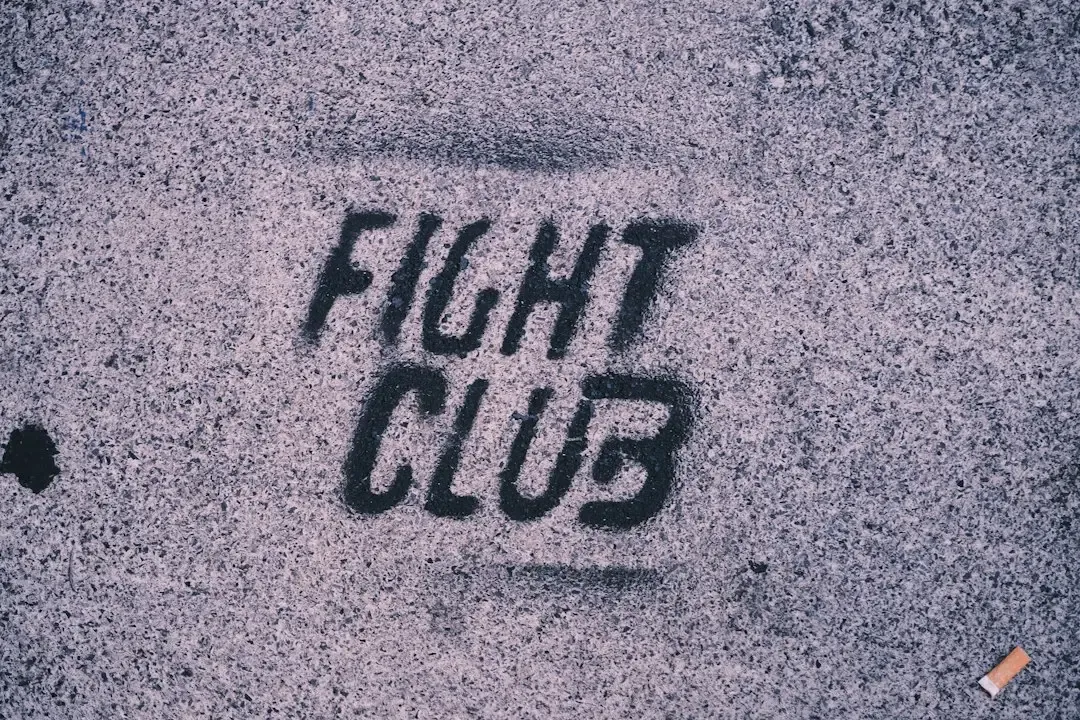
Chuck Palahniuk’s novel ends with the narrator shooting himself and waking up in what he takes to be an afterlife, which is actually a mental hospital. The film instead has him shoot himself, survive, and watch buildings collapse while he holds Marla’s hand.
Plenty of readers love the book’s darkly comic finish, so this one is contested. Even so, many critics have argued that David Fincher’s closing image is more striking and gives the story a stronger sense of release. It’s a more visual, more cinematic payoff, which is exactly what a film needs.
Planet of the Apes (1968)
Pierre Boulle’s novel ends with a twist set in Paris. After escaping the ape planet, the narrator returns to Earth and discovers that apes rule there too. It’s clever, though it plays more like a final turn of the page than a gut punch.
The film replaces that with the buried Statue of Liberty on a beach, revealing that the ape planet was Earth all along. The image is regularly named among the great twist endings in movie history. It works because the audience sees the truth at the same moment the hero does.
The Silence of the Lambs (1991)
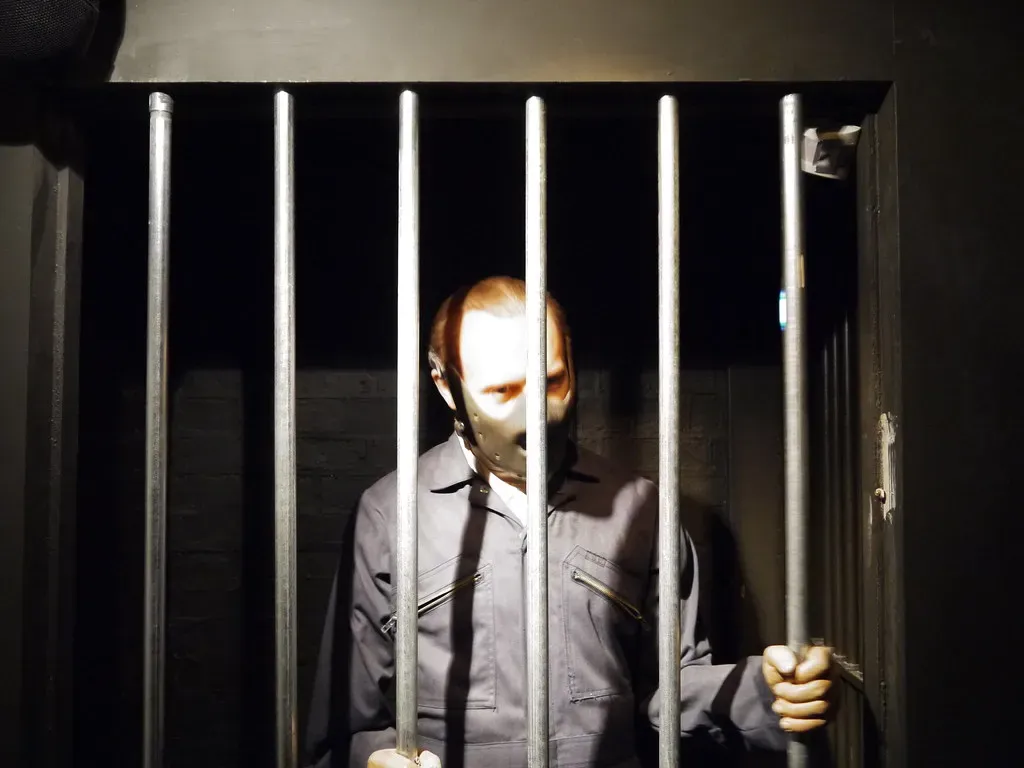
Thomas Harris’s novel closes with Clarice Starling finally sleeping peacefully, after Hannibal Lecter has slipped away and sent her a letter. It offers some emotional resolution for the heroine.
Jonathan Demme’s film ends instead on Lecter’s phone call and his remark about an old friend for dinner, then follows him into a crowd as he stalks Dr. Chilton. Critics have often found this sinister, darkly funny note more memorable than the book’s quiet close. It leaves the audience unsettled, which suits the material.
Jurassic Park (1993)
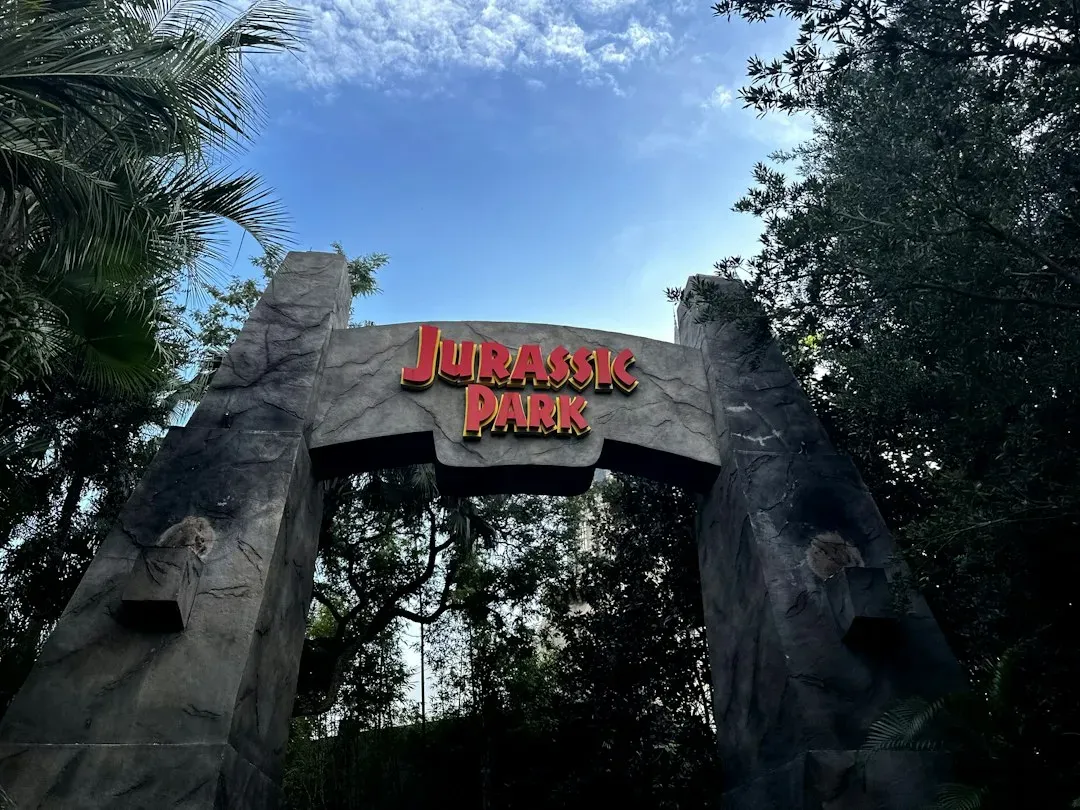
Michael Crichton’s novel ends with the island facing a military bombing, and a lingering worry that some animals may have escaped to the mainland. It’s a bleak, cautionary aftertaste that fits the book’s science warnings.
Spielberg’s film finishes in the visitor center, where a Tyrannosaurus rex arrives at the last second and the survivors flee by helicopter. Many reviewers have praised the sequence as a perfect blend of spectacle and payoff. It gives the story a clear, thrilling resolution without losing the sense of awe.
A Clockwork Orange (1971)

The American edition of Anthony Burgess’s novel dropped its final chapter, in which Alex grows tired of violence and matures. Stanley Kubrick worked from that version, and his film ends with Alex restored to his old self, as sinister as before.
Burgess preferred his original ending, so this is a case where the author and the film disagreed. Even so, many critics have argued that Kubrick’s colder finish is sharper and more provocative. It leaves viewers troubled rather than comforted, which suits the story’s themes.
The Lord of the Rings: The Return of the King (2003)
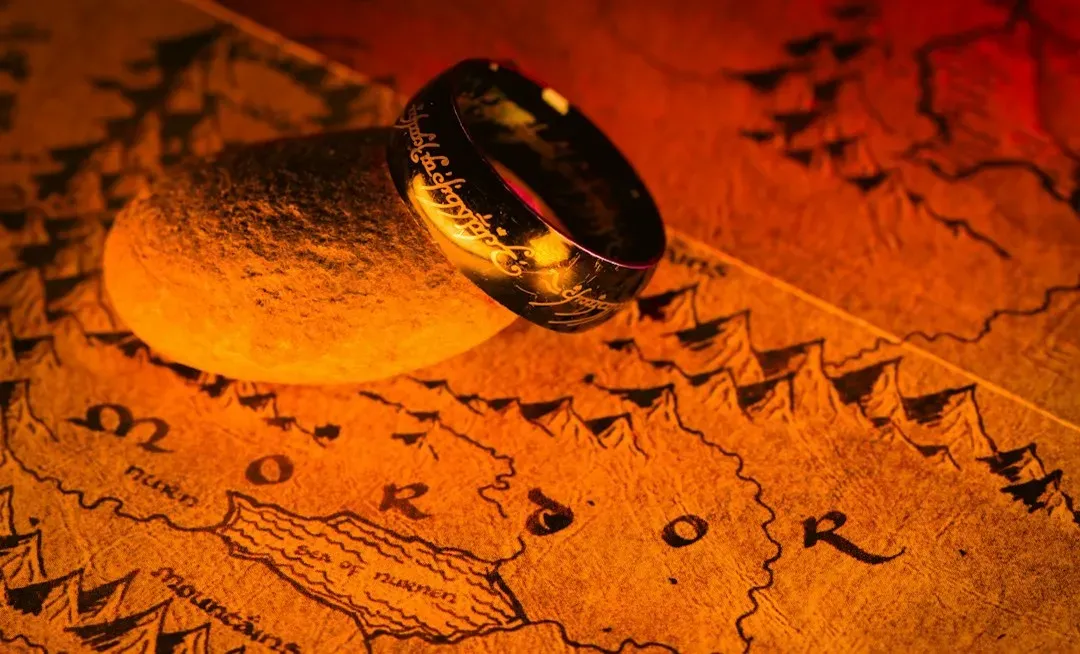
Tolkien’s book continues after the destruction of the Ring with the Scouring of the Shire, in which the hobbits return home and confront troubles there. It’s thoughtful, but it adds a long stretch after the main climax.
Peter Jackson left that sequence out and let the film close on the farewells at the Grey Havens. Critics have often said the cut kept the emotional momentum intact, even though the film’s ending is still famously long. Many fans of the book still miss the Scouring, but the film’s version is widely seen as cleaner for the screen.
Dune: Part Two (2024)

In Frank Herbert’s novel, Paul defeats the Emperor, takes the throne, and agrees to marry Princess Irulan, while Chani stays at his side. The book treats this as a bittersweet triumph.
Denis Villeneuve’s 2024 film has Chani reject Paul’s path, ending with her riding a sandworm away from him as the war begins. Many critics welcomed the change because it makes the story’s warning about messianic power feel sharper. It also gives Chani a clearer voice than she has at the end of the novel.