Great books attract legends the way old houses attract ghost stories. Someone tells a tidy anecdote at a dinner party, someone else repeats it in a classroom, and soon it appears in listicles and captions as settled fact.
Many of these tales survive because they’re more satisfying than the truth. The records tell a messier story, and in several cases a more interesting one. Here are seven popular claims about well known novels, along with what the evidence supports.
Frankenstein Is the Name of the Monster
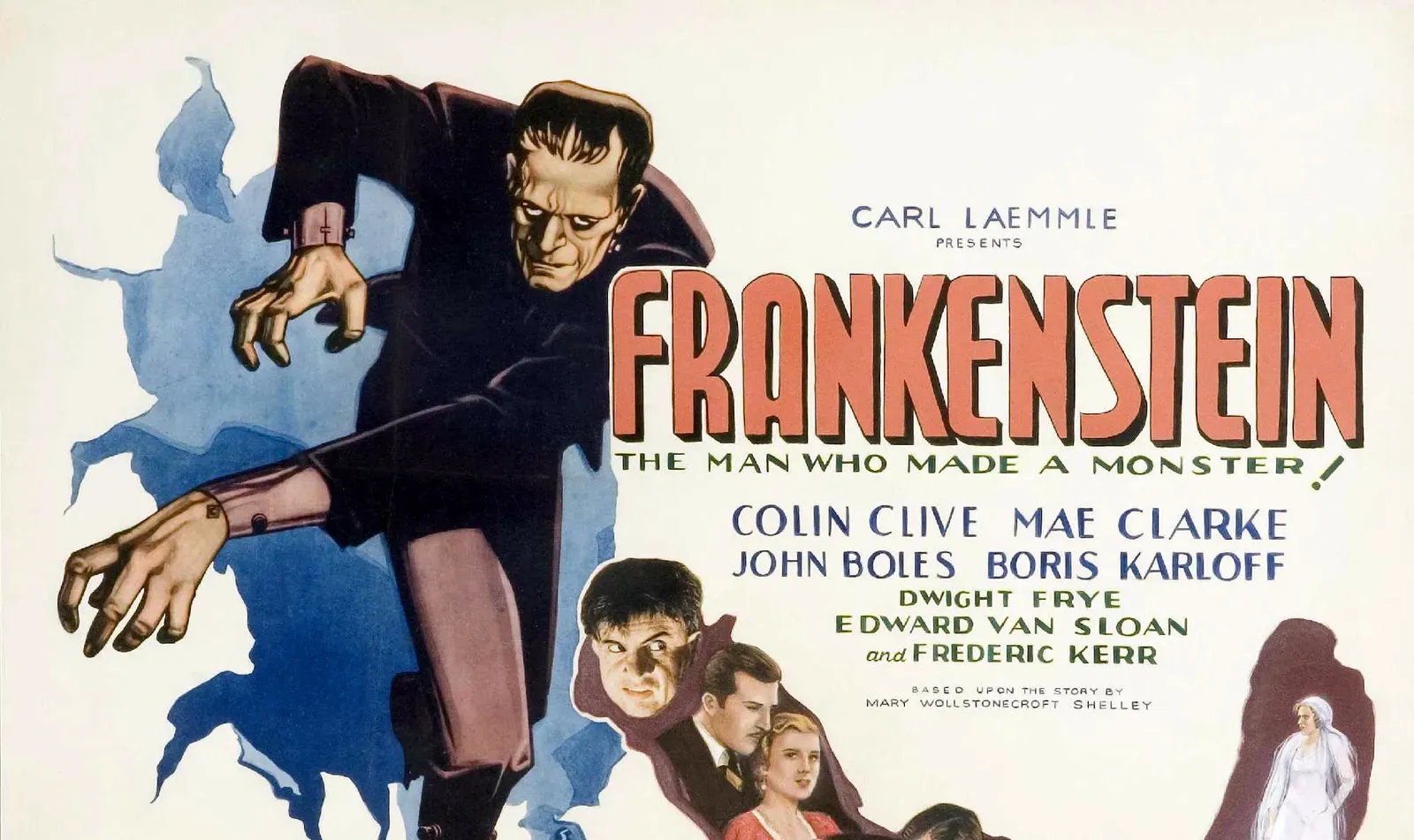
Ask most people to describe Frankenstein and they’ll picture a flat headed, green skinned creature with bolts in his neck. In Mary Shelley’s novel, first published anonymously in 1818, Frankenstein is the surname of the scientist, Victor. The creature never receives a name at all, which is part of the book’s point about neglect and responsibility.
The familiar look comes largely from the 1931 Universal film starring Boris Karloff, with makeup designed by Jack Pierce. The book’s creature is also far more articulate than the movie version, and he teaches himself to read and speak. If you’ve only seen the films, the novel can feel like a different story entirely.
Jack Kerouac Dashed Off On the Road in Three Weeks
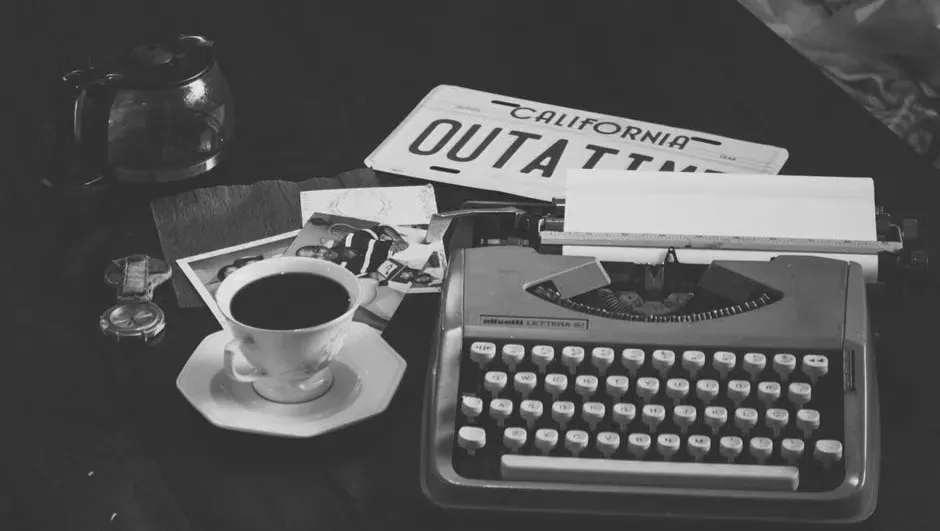
The legend says Kerouac fed a long roll of paper into his typewriter and produced the whole novel in one caffeinated burst. There’s a real kernel here. In April 1951 he typed a famous continuous scroll draft in roughly three weeks.
That scroll, however, followed years of road trips, journal entries and notebook planning. The book did not reach print until 1957, after substantial editing and revision for publication, including work involving the Viking Press editor Malcolm Cowley. The three week sprint was one stage in a long process, not the whole of it.
Moby-Dick Was a Total Flop That Buried Melville

It’s often said that Moby-Dick, published in 1851, was universally ignored and that Herman Melville died in complete obscurity. The reality is more mixed. Reviews were divided, with some critics praising its ambition and others finding it baffling, and sales were modest, amounting to only a few thousand copies during his lifetime.
Melville kept writing and publishing, and he later worked for nearly two decades as a customs inspector in New York. His reputation did fall sharply, and the major revival came in the early twentieth century, as critics and biographers rediscovered his work. So the book was a commercial disappointment, but it wasn’t dropped into total silence.
The Lord of the Rings Is an Allegory for World War II
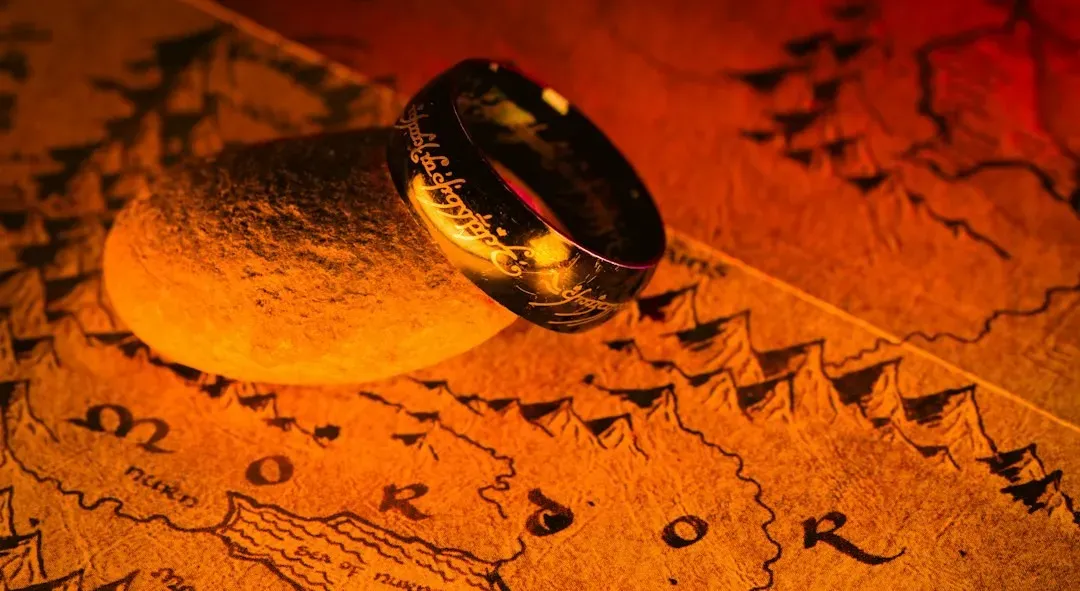
Readers have long tried to map the One Ring onto the atomic bomb and Sauron onto Hitler or Stalin. J.R.R. Tolkien himself rejected this reading directly. In the foreword to the second edition in 1966, he said he disliked allegory and preferred history, whether true or invented, that readers could apply to their own times as they saw fit.
The timeline doesn’t support the neat comparison either. He began the story in the late 1930s as a sequel to The Hobbit, and the work took many years to finish, with publication in 1954 and 1955. His experience of the First World War shaped him far more than later events, and that influence is felt in the tone rather than in any coded plot.
Truman Capote Secretly Wrote To Kill a Mockingbird

This rumor has circulated since the book appeared in 1960, helped along by Capote’s flair for gossip. Harper Lee and Capote were childhood neighbors in Monroeville, Alabama, and the character Dill is widely understood to be modeled on him. That friendship made the authorship rumor feel plausible to some people.
There is no credible evidence that Capote wrote the novel. Lee developed the manuscript with her editor Tay Hohoff at Lippincott, and the reverse help is documented, since she assisted Capote with research in Kansas for In Cold Blood. The 2015 publication of Go Set a Watchman, her earlier draft, also showed the same voice and concerns.
Bram Stoker Invented the Vampire

Dracula, published in 1897, so thoroughly defined the vampire in popular imagination that many assume Stoker created the whole idea. In fact, vampire folklore stretches back centuries across Europe. In English literature, John Polidori’s The Vampyre appeared in 1819, and Sheridan Le Fanu’s Carmilla followed in 1872, both well before Stoker’s novel.
Stoker did shape the modern template, with the aristocratic count, the castle and the epistolary storytelling. A related claim holds that the character is a straightforward portrait of Vlad the Impaler. Scholars dispute how much Stoker actually knew about the historical figure, and the connection is thinner than popular retellings suggest.
Charles Dickens Padded His Novels Because He Was Paid by the Word
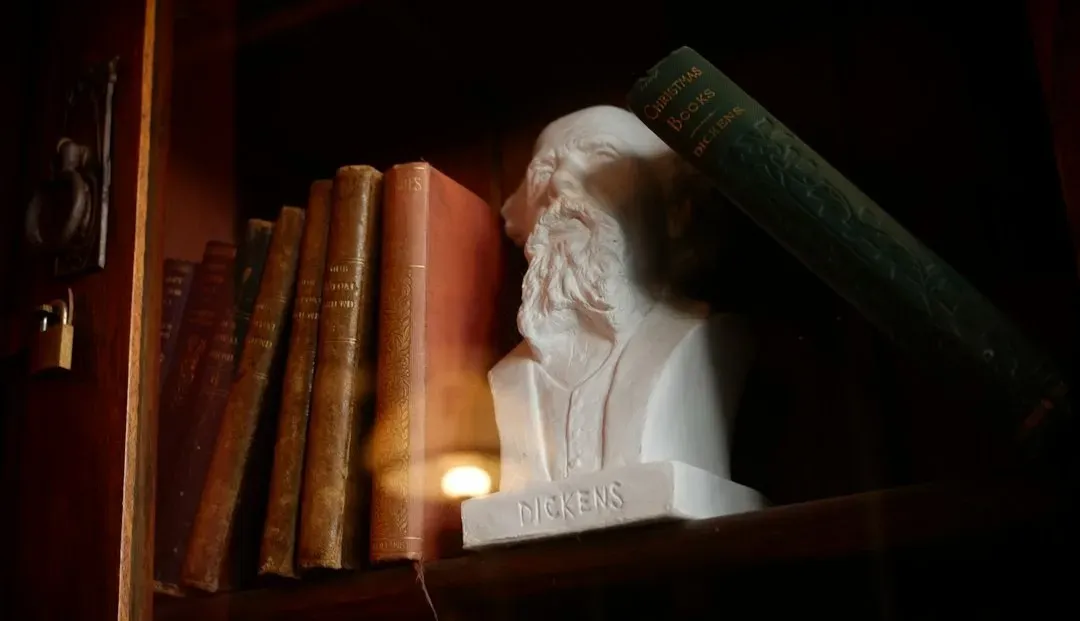
The idea is often used to explain why Dickens novels run so long. His books, including The Pickwick Papers, appeared first in serial installments, usually in monthly or weekly parts. Publishers paid under contracts tied to those installments and to publication arrangements, not to a per word rate.
Serialization did shape his style, because each part needed a set length and a reason for readers to return. Cliffhangers, recurring characters and sprawling plots suited that format. The length came from the demands of the form and his own storytelling habits, not from counting words for cash.