Some films leave their sets behind once the cameras stop rolling. Others borrow the real world so convincingly that the line between fiction and geography blurs for good. For travelers, that blurring is a gift: a chance to stand in the exact spot where a scene unfolded, without needing a movie studio pass or a plane ticket to a soundstage. The ten locations below are not replicas or theme park recreations. They are real places, some ancient, some remote, that happened to catch a director’s eye and ended up on screen. Most are still open to the public in 2026, often with far more visitor infrastructure than they had when filming wrapped.
1. Dubrovnik, Croatia – Game of Thrones
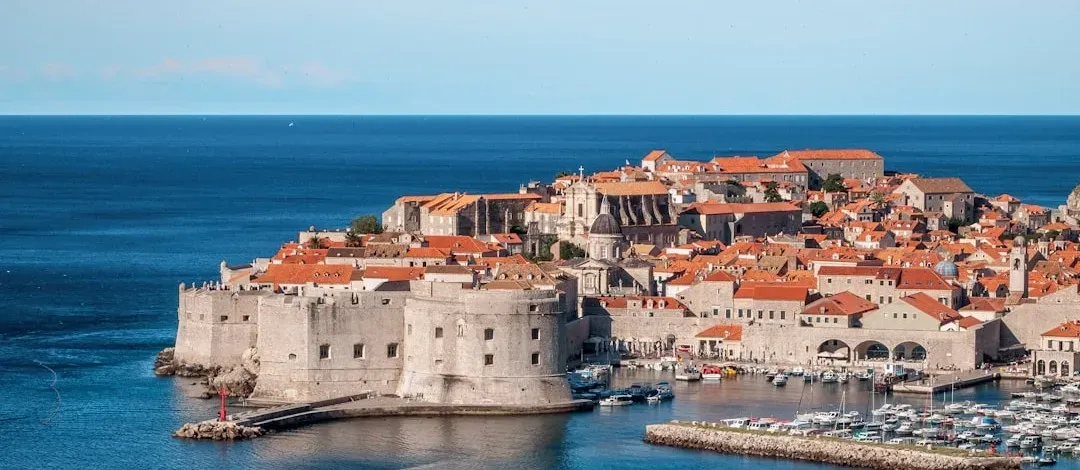
Dubrovnik’s walled Old Town became King’s Landing starting in the show’s second season, and the fit was so natural that almost no set dressing was required. The UNESCO-listed Old Town, with its intact medieval walls, sea-facing fortifications, and limestone streets, required almost no set dressing to become King’s Landing, the capital of the Seven Kingdoms. Fort Lovrijenac, perched just outside the western wall, served as the visual stand-in for the Red Keep.
Walk the Jesuit Stairs today and you’re on the exact steps used for Cersei’s Walk of Shame in season five. The most iconic scene in season five, the Walk of Shame, in which Cersei Lannister is forced to walk naked through the streets of King’s Landing, begins at the top of the Jesuit Staircase, located on the south side of Gundulic Square. Guided walking tours now trace the entire route, though the sites themselves remain open streets and public fortifications rather than gated attractions.
2. Glen Etive, Scotland – Skyfall
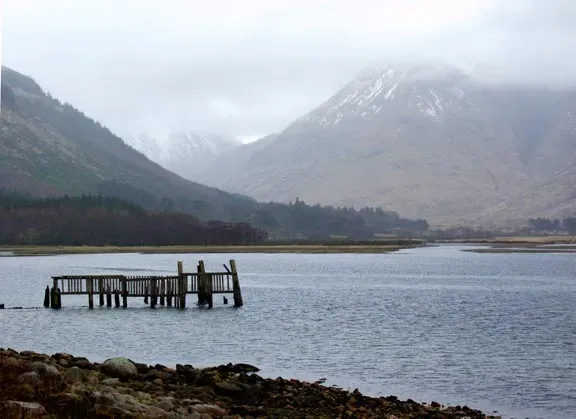
The Scottish Highlands doubled as Bond’s ancestral homeland in the 2012 film, and the drive there is every bit as dramatic on foot as it was on screen. The drive takes Bond and M along the A82, framed by the impressive peaks of Buachaille Etive Mor and Buachaille Etive Beag in Glen Coe, before the duo seeks refuge at Bond’s family home, located in the neighboring Glen Etive. The lodge itself never existed outside the studio, but the landscape around it is entirely real.
Interestingly, the choice of location wasn’t random. Fleming’s family had owned a lodge in Glen Etive, which neighbors Glen Coe, adding a layer of real-world connection to the film. The single-track road into the glen is still open to drivers, though it remains narrow and largely unsigned, which keeps it quieter than most Bond-adjacent attractions.
3. Hobbiton, Matamata, New Zealand – The Lord of the Rings and The Hobbit
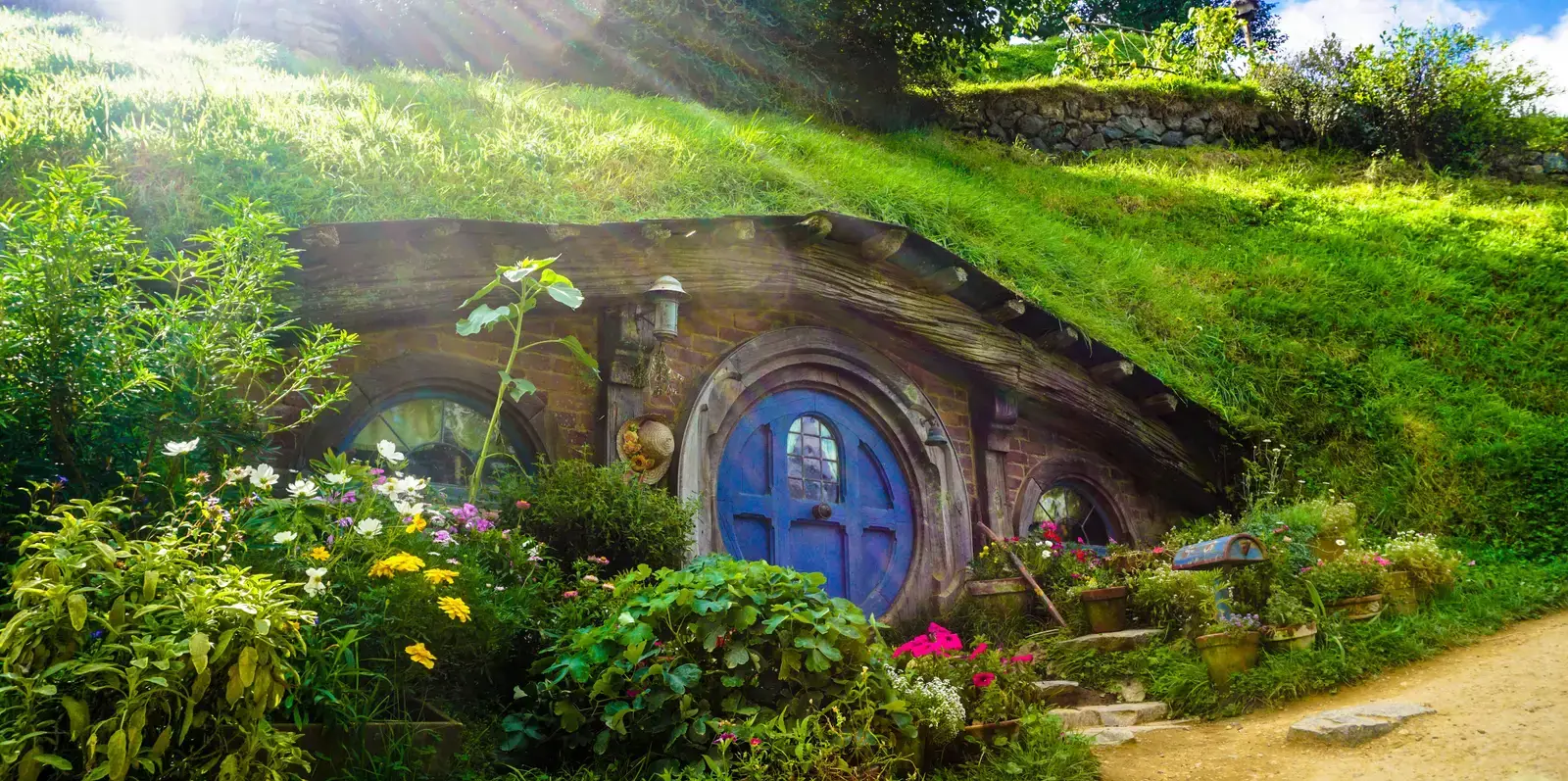
Unlike most entries on this list, Hobbiton was built specifically for filming and then left standing, turning it into a permanent, ticketed attraction. The rolling green hills of the Waikato region became the Shire, and Peter Jackson’s crew constructed dozens of hobbit holes into the actual hillside rather than relying on visual effects. After the original Lord of the Rings trilogy wrapped, the sets were rebuilt more permanently for The Hobbit films, using durable materials instead of temporary facades.
Today, guided tours run daily through the movie set, ending at the Green Dragon Inn, which serves the same style of ale featured in the films. It remains one of the most visited film tourism sites in the Southern Hemisphere, drawing visitors who have never read a page of Tolkien but recognize the round doors instantly.
4. Antelope Canyon, Arizona – Various Films and Music Videos
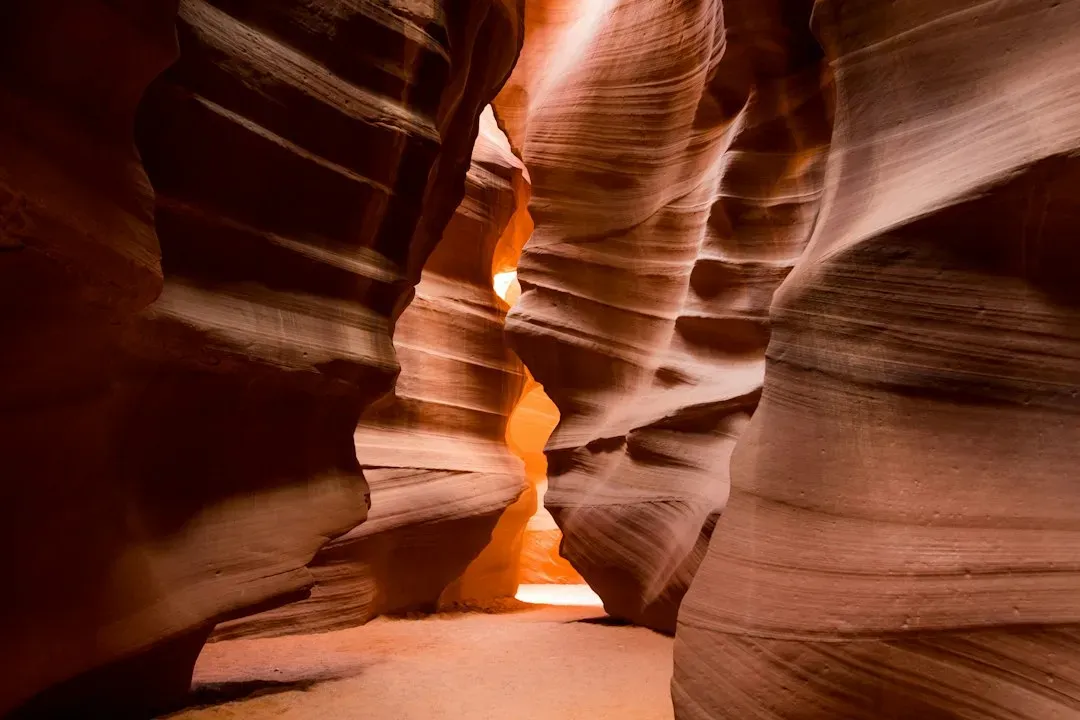
The narrow, wave-like sandstone corridors of Antelope Canyon, located on Navajo land near Page, Arizona, have appeared in numerous productions thanks to their otherworldly light and color. The canyon’s slot formations, carved over centuries by flash flooding, create the kind of natural visual drama that filmmakers otherwise have to build digitally. Its appearances in commercials, documentaries, and feature film backdrops have made it one of the most photographed natural formations in the American Southwest.
Access is tightly controlled by the Navajo Nation, and visitors must book guided tours rather than wandering in independently. This isn’t a case of a location being discovered by Hollywood and then abandoned. It remains a working part of Navajo tourism, with guides who know exactly which time of day produces the light beams visitors are chasing.
5. Alnwick Castle, England – Harry Potter and the Philosopher’s Stone
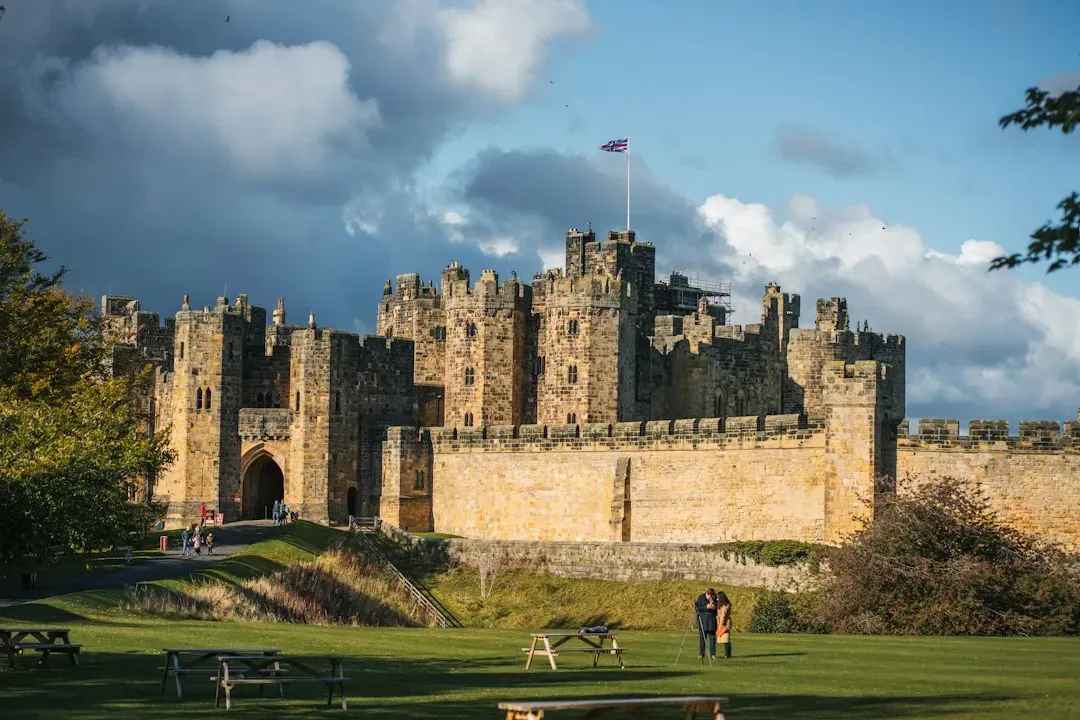
Long before it became Hogwarts’ flying lesson courtyard, Alnwick Castle in Northumberland was already one of England’s largest inhabited castles, home to the Percy family for centuries. Its outer bailey was used for the broomstick training scenes in the first Harry Potter film, giving fans a very literal reason to visit alongside the usual castle tourists. The castle’s working portcullis and medieval towers required little alteration to look convincing on screen. Today it operates as both a historic estate and a deliberate draw for Potter fans, offering broomstick lessons run by costumed instructors on the same lawns used in the film. It’s a rare case where a stately home embraced its film fame rather than downplaying it, and the crowds during school holidays reflect that.
6. Monument Valley, Utah/Arizona – Forrest Gump and Countless Westerns
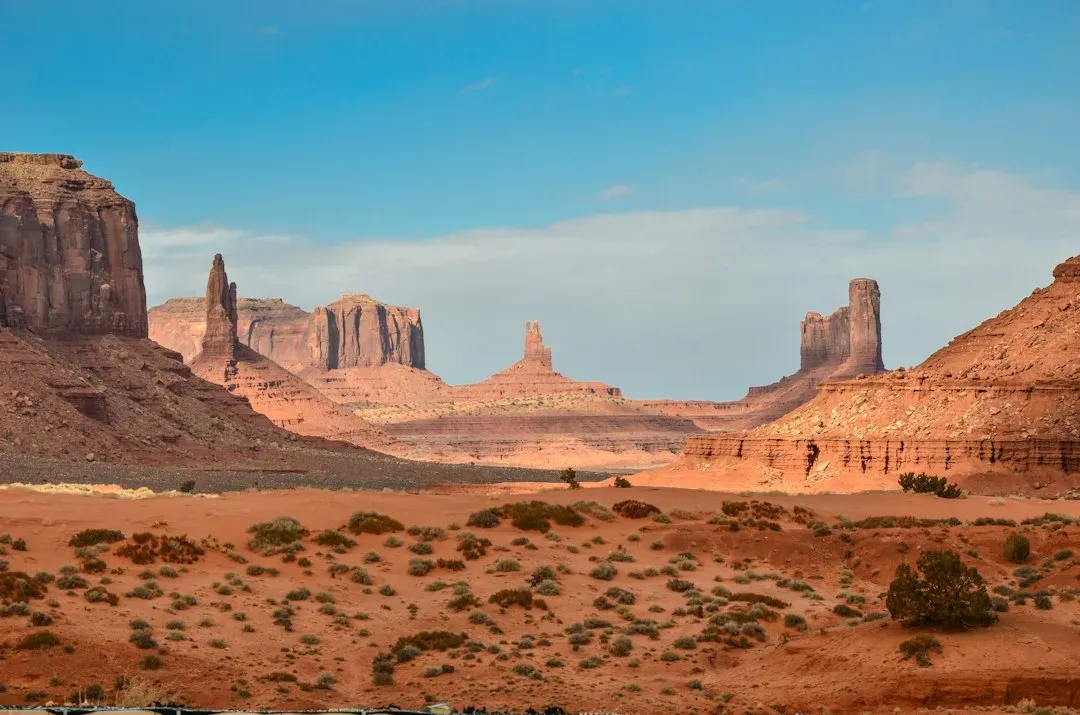
The sandstone buttes of Monument Valley, straddling the Arizona-Utah border on Navajo Nation land, have been a fixture of American cinema since John Ford’s westerns in the 1930s. The location’s most famous modern moment came in Forrest Gump, when the title character stops running along Highway 163, with the buttes framed perfectly behind him. That stretch of road is now informally known among travelers as “Forrest Gump Point.”
The highway is a public road, and the exact spot where the scene was filmed is marked, if unofficially, by a steady stream of tourists pulling over to take the same photo. Monument Valley itself is managed as a Navajo Tribal Park, with a visitor center and guided jeep tours into the deeper backcountry. Unlike many of the more remote entries here, this one requires little more than a rental car and a sense of timing to avoid other tourists’ cars in the frame.
7. Kuang Si Falls, Laos – The Beach and Other Southeast Asian Productions
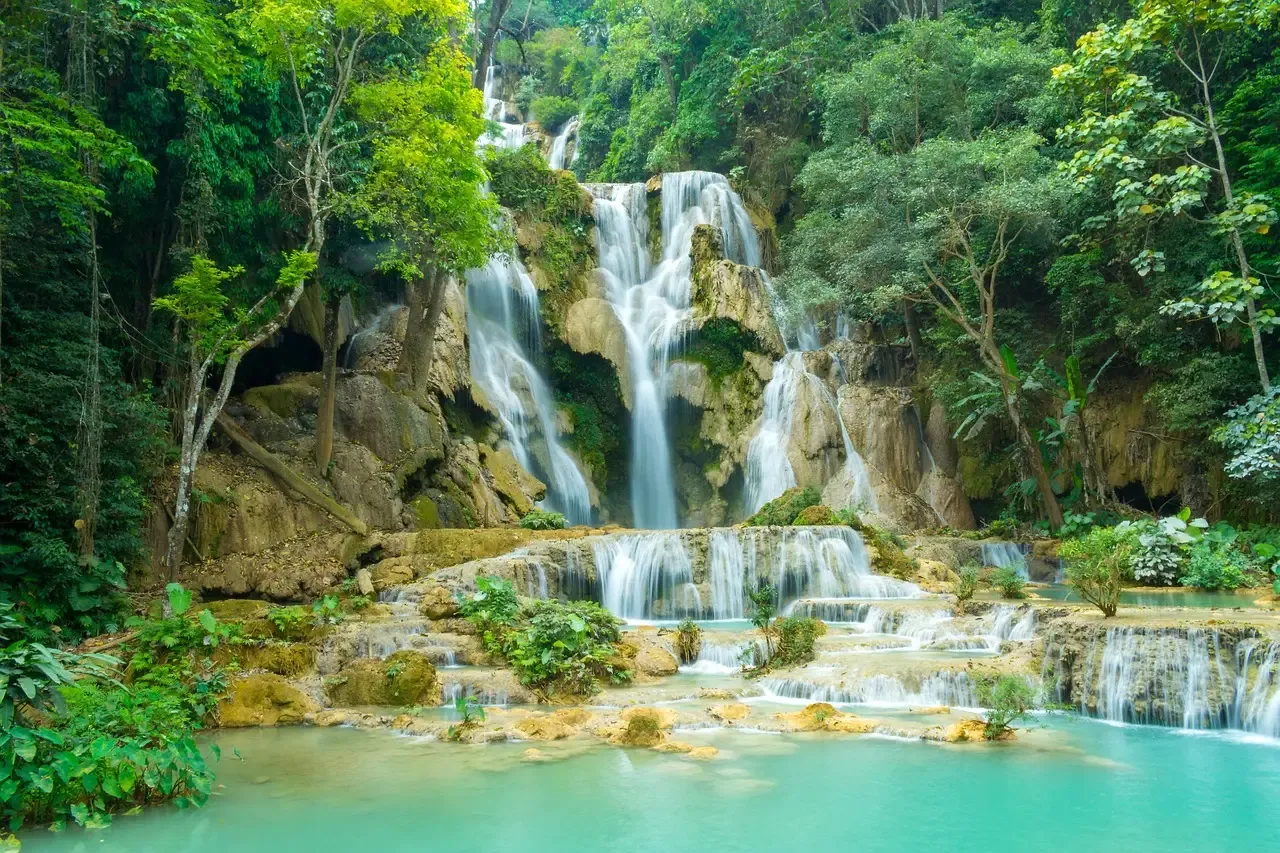
While the most famous scenes of The Beach were filmed on Thailand’s Maya Bay, that beach has since faced serious ecological restrictions due to tourism damage, closing periodically to allow the ecosystem to recover. Kuang Si Falls in Laos, a multi-tiered turquoise waterfall near Luang Prabang, has become an alternative for travelers chasing a similar visual without contributing to the pressure on Maya Bay. It has appeared in smaller regional productions and travel documentaries capturing the same tropical, cinematic quality.
The falls remain fully open to visitors, with swimming allowed in several of the lower turquoise pools. It’s a gentler, more sustainable version of the “paradise beach” fantasy that made The Beach famous in the first place, and one that doesn’t come with the same environmental controversy.
8. Chateau de Chambord, France – Various Period Films and Documentaries
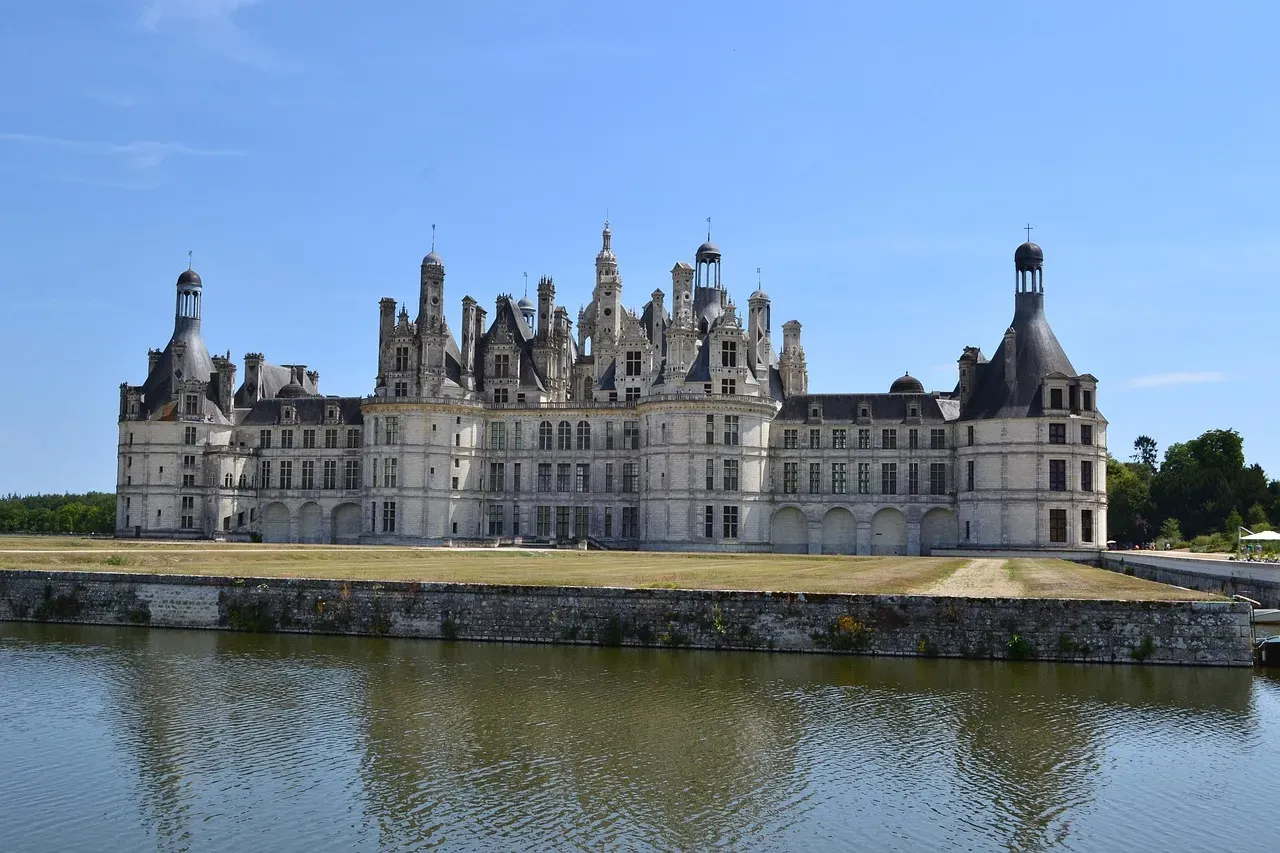
This Renaissance château in the Loire Valley has served as a backdrop for numerous period productions thanks to its double-helix staircase and famously theatrical rooftop, designed with input traditionally attributed to Leonardo da Vinci. Its scale and ornamentation make it an easy stand-in for royal French settings without needing extensive set construction. The building’s symmetry and sprawling grounds also make it a favorite for aerial shots in documentaries covering French history.
Partner offer
Chambord remains open year-round as a national monument, with the interior largely unfurnished, which oddly makes it easier for visitors to imagine it mid-film shoot. The rooftop terraces, the most photographed part of the château on screen, are accessible to the public and offer views over the surrounding hunting park that look much the same as they did centuries ago.
9. Wadi Rum, Jordan – Lawrence of Arabia and The Martian
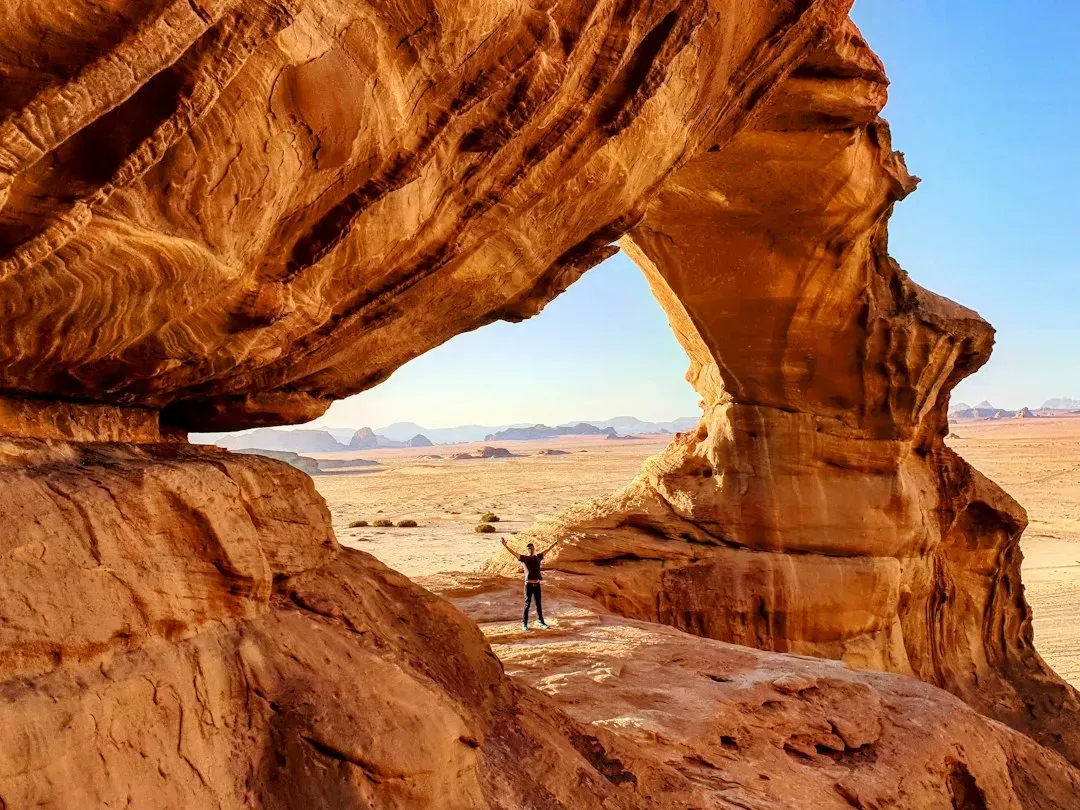
Wadi Rum’s red sandstone desert has done double duty as both Arabia and Mars, a testament to how alien its landscape can look under the right light. David Lean used it extensively for Lawrence of Arabia in 1962, and decades later Ridley Scott returned to the same terrain to shoot much of The Martian, swapping camels for rovers. The desert’s dramatic rock formations and shifting dune colors give it a visual range few other locations can match.
Today, Wadi Rum is a protected area and UNESCO World Heritage Site, accessible primarily through licensed Bedouin guides who run jeep tours and overnight camps among the dunes. Visitors can sleep in traditional-style tented camps not far from where Peter O’Toole once rode across the same sand. The area’s remoteness has helped it stay relatively unchanged despite decades of film crews passing through.
10. Central Park, New York City – Countless Films Including When Harry Met Sally
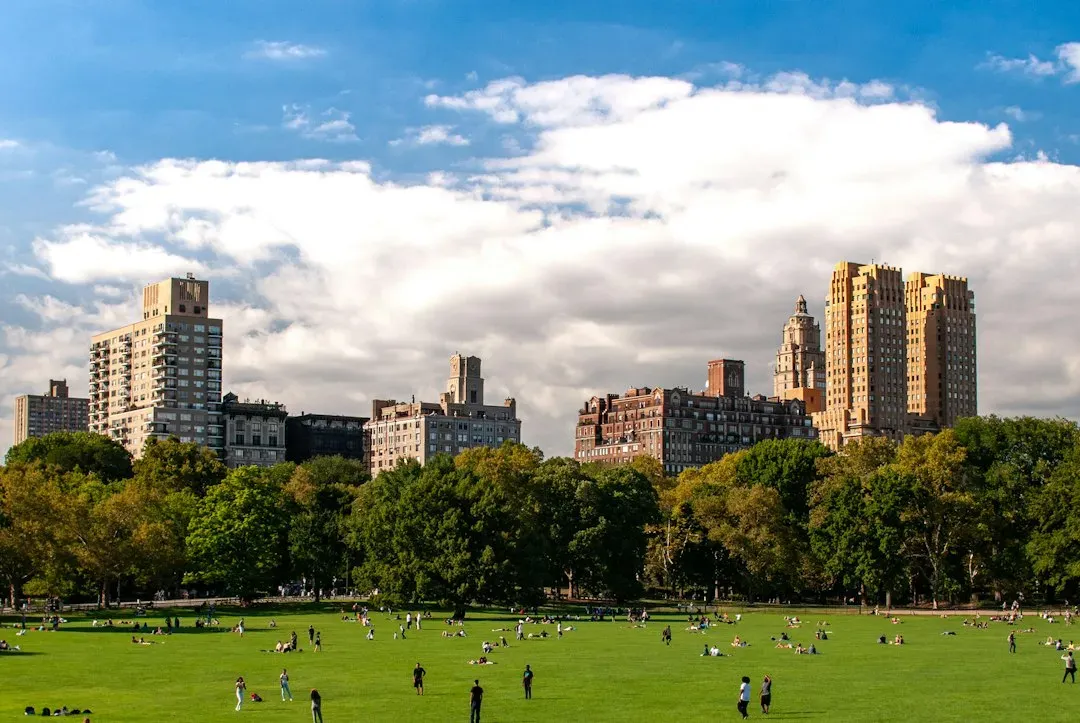
No list of filmable real locations would be complete without New York’s Central Park, arguably the most filmed public park on Earth. Its ice-skating rink, boathouse, and winding paths appear in dozens of romantic comedies, including the iconic diner and park scenes tied to When Harry Met Sally, much of which relied on real park backdrops rather than studio recreations. The park’s varied landscape, from formal gardens to wooded paths, gives filmmakers an entire city’s worth of settings within 843 acres.
Unlike more remote entries on this list, Central Park requires no tour booking or permit to visit. It’s simply there, free and open daily, drawing both film tourists retracing familiar scenes and locals who have no idea they’re walking through decades of cinematic history. That everyday accessibility is part of what makes it such a durable filming location in the first place. These places share something beyond their screen credits. Each survived its moment of fame largely intact, whether through careful tourism management, protective land status, or simply because a park or castle or canyon doesn’t need Hollywood’s permission to keep existing. Visiting them means seeing the raw material directors worked with, before editing, lighting, and sound turned a real place into a fictional one.
Partner offer
Planning a trip to Vegas?
Compare hotel rates and show tickets on VEGAS.com.