Most festivals that pop up today will not see their tenth anniversary, let alone their fortieth. Weather, funding, land disputes, and shifting tastes tend to wear these events down long before they become institutions. Yet a small handful of festivals have managed something rare: decade after decade of showing up, adapting, and pulling in new generations of fans without losing the thread that started them in the first place. What follows is a look at ten of these long-haul survivors, spanning folk, jazz, and rock, scattered across three continents. Some have run without interruption since their first note was played. Others paused for a few years and came roaring back. All of them offer a kind of living history that a brand-new festival simply cannot fake.
1. Newport Jazz Festival (USA, since 1954)
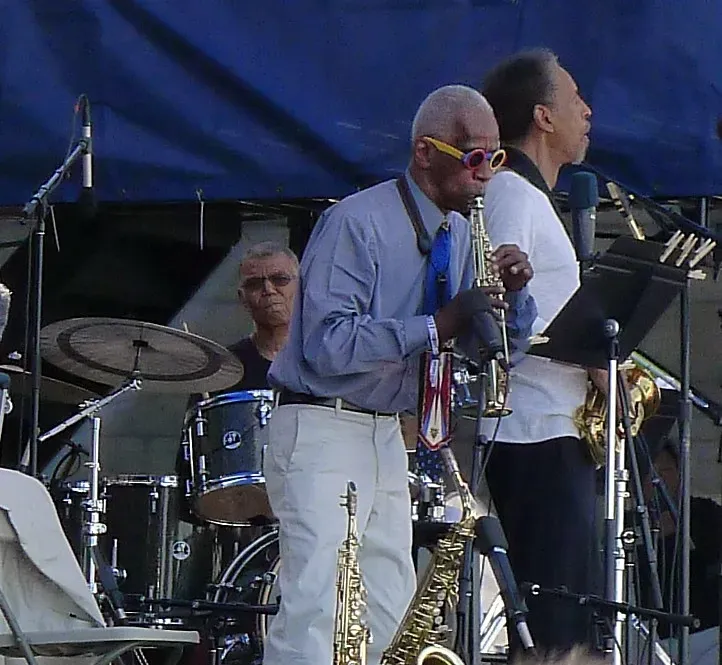
Newport Jazz is often cited as the festival that started the modern outdoor music festival tradition in America. It was established in 1954 by socialite Elaine Lorillard, and it quickly became the template that countless other events would copy. Held in Newport, Rhode Island, it built its reputation on booking the biggest names in jazz at a time when the genre still dominated popular music.
The festival did not stay locked into one sound forever. While initially focused on acoustic jazz, the festival’s 1969 program was an experiment in fusing jazz, soul and rock music and audiences. That willingness to bend without breaking is part of why, more than seventy years later, Newport Jazz still draws serious crowds every summer.
2. Reading Festival (UK, since 1961)
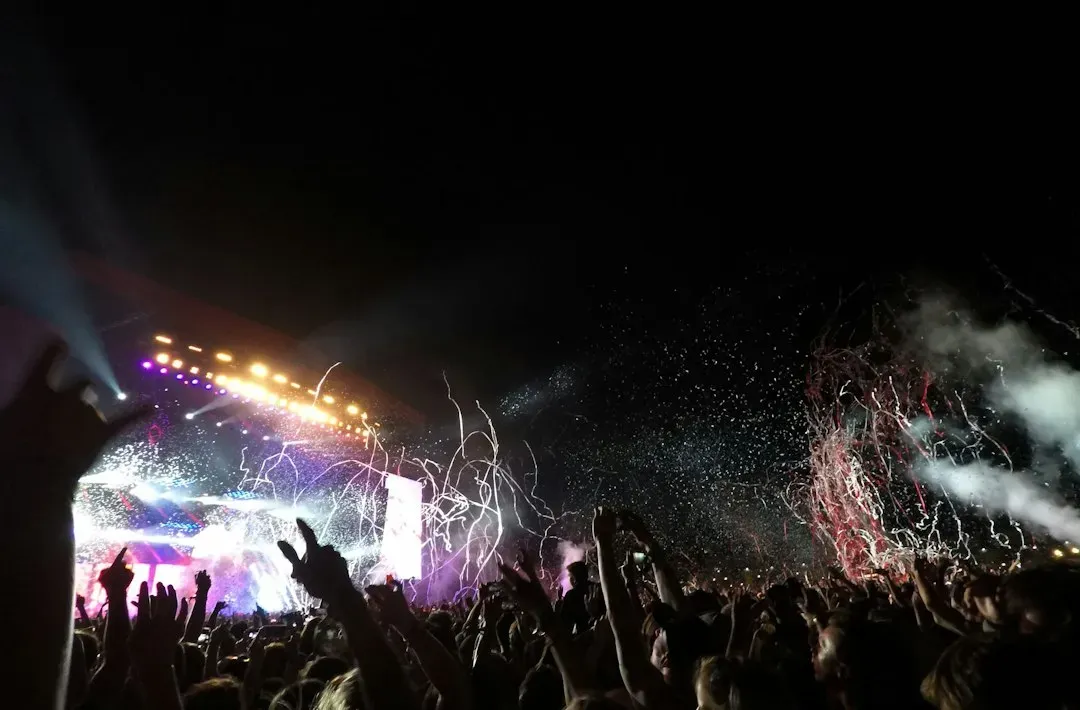
Reading Festival holds a genuinely rare title. The UK’s Reading Festival, which started out as the nomadic National Jazz (& Blues) Festival before moving to its permanent home in Reading in 1971, is the oldest annual popular music festival still in existence. It began in a very different form than the one fans know today, with roots firmly planted in jazz rather than rock.
Its earliest lineups reflected that origin. The first festivals featured renowned jazz stars like Chris Barber, Ken Colyer, Mike Cotton, Johnny Dankworth and Terry Lightfoot, before the booking shifted hard toward rock and, eventually, whatever genre happened to be dominating the charts. Along the way it has hosted era-defining sets, including headline acts such as The Rolling Stones (1963-64), Pink Floyd (1969), Black Sabbath (1983) and Nirvana (1992). The festival did face a real interruption though, as in 1984 and 1985, the local council reclaimed the festival site in Reading for development and the event had to be cancelled when an alternative venue could not be found, before it settled permanently onto the grounds it uses now.
3. Newport Folk Festival (USA, since 1959)
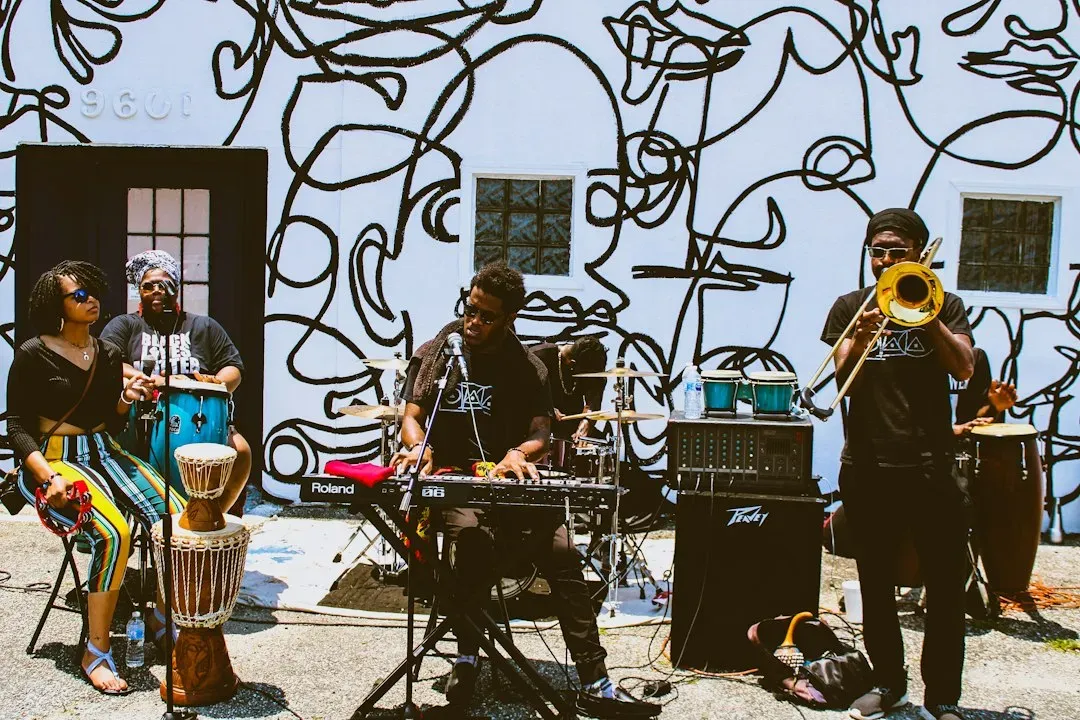
Born as a sibling event to Newport Jazz, the Folk Festival quickly carved out its own identity and its own legend. Founded in 1959 by George Wein, Albert Grossman, and several singer-songwriters, the festival aimed to showcase the diversity of American folk music, from rural traditions to urban popular styles. That first gathering was modest by today’s standards but historically loaded, since the inaugural event featured Pete Seeger, the Kingston Trio, and Joan Baez and drew around 13,000 people.
The festival’s most famous moment came a few years later, when Bob Dylan was introduced to the festival crowd in 1963 and, in 1965, was famously booed for playing electric music, which altered the course of folk music in the United States. Financial troubles forced a hiatus, but the event came back stronger. After financial difficulties in the late 1960s, the festival was revived in 1985 as a for-profit venture at Fort Adams State Park, where it still takes place every summer.
4. Montreux Jazz Festival (Switzerland, since 1967)
Set on the shores of Lake Geneva, Montreux has grown from a niche gathering into one of the most respected festivals in the world. Founded in 1967 by Claude Nobs, the Montreux Jazz Festival has become over the years an unmissable event, generating fantastic stories and performances. Its very first edition was tiny by modern standards, as the Montreux Jazz Festival has grown from staging just three artists in 1967, Charles Lloyd, Keith Jarrett, and Jack DeJohnette, to nearly 80, with about 250,000 attendees in recent years.
Montreux also has a curious brush with rock history. Deep Purple immortalised him as “Funky Claude” in “Smoke on the Water,” written after the 1971 Montreux Casino fire, an event that forced the festival to relocate temporarily before returning to a rebuilt venue. In 2026 the festival marked a major milestone, since the montreux jazz festival 2026 marks the event’s 60th edition, running from 3 to 18 July 2026 across 16 days of paid and free programming.
5. New Orleans Jazz & Heritage Festival (USA, since 1970)
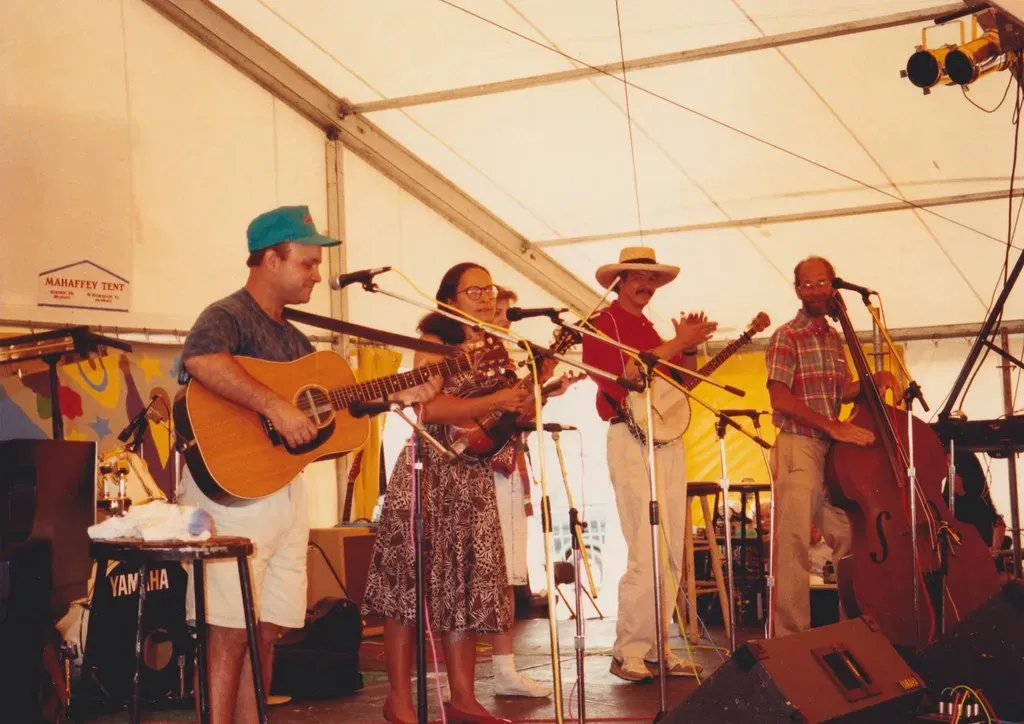
Better known simply as Jazz Fest, this event grew out of the same festival empire that produced Newport Jazz and Folk. In 1970, George Wein, jazz impresario behind the Newport Jazz Festival and the Newport Folk Festival, was hired to design and produce a unique festival for New Orleans. The very first edition was strikingly small, since the first Jazz Fest took place between April 22 and 26, 1970, in Congo Square, then known as Beauregard Square, in Louis Armstrong Park, drawing only a few hundred people.
The festival soon outgrew that space and relocated. In 1972, after relocating to the infield of the Fair Grounds Race Course, Jazz Fest expanded by utilizing the entire 145-acre (59 ha) site. It has since become a defining cultural event for the city, blending jazz with the full spectrum of Louisiana music and food traditions, and by 2001 it had grown into one of the largest festivals in the United States, with a record attendance of 650,000 visitors over the course of seven days.
6. Pinkpop Festival (Netherlands, since 1970)
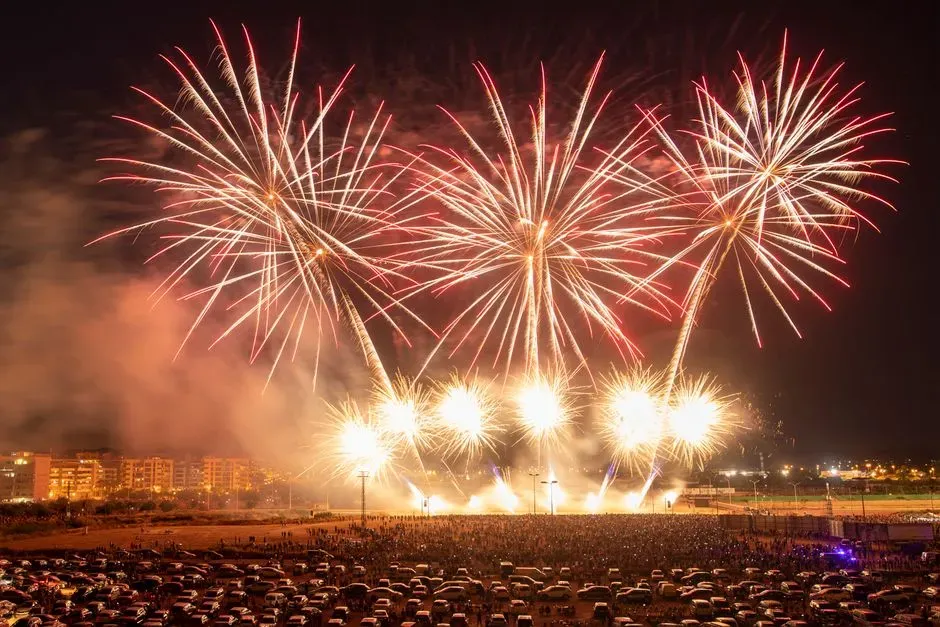
Pinkpop is often mentioned by record keepers as one of the most consistent festivals in Europe. In terms of continuous existence, i.e., no break since inauguration, the Pinkpop Festival has been held for 46 consecutive years (1970 to 2015) in the province of Limburg, the Netherlands, a run that has only lengthened in the years since. That unbroken streak is genuinely unusual among festivals of this age, most of which have had at least one gap year forced by money troubles, venue disputes, or global events.
Partner offer
The festival’s growth over five decades has been steady rather than explosive. Attracting more than two million unique visitors and 650 different acts since 1970, Pinkpop has grown from a one-day festival in the city of Geleen to a three-day event in the town of Schaesberg, with an average annual attendance of almost 50,000. It remains one of the clearest examples of a festival that simply kept its promise to show up every year, decade after decade.
7. Kerrville Folk Festival (USA, since 1972)
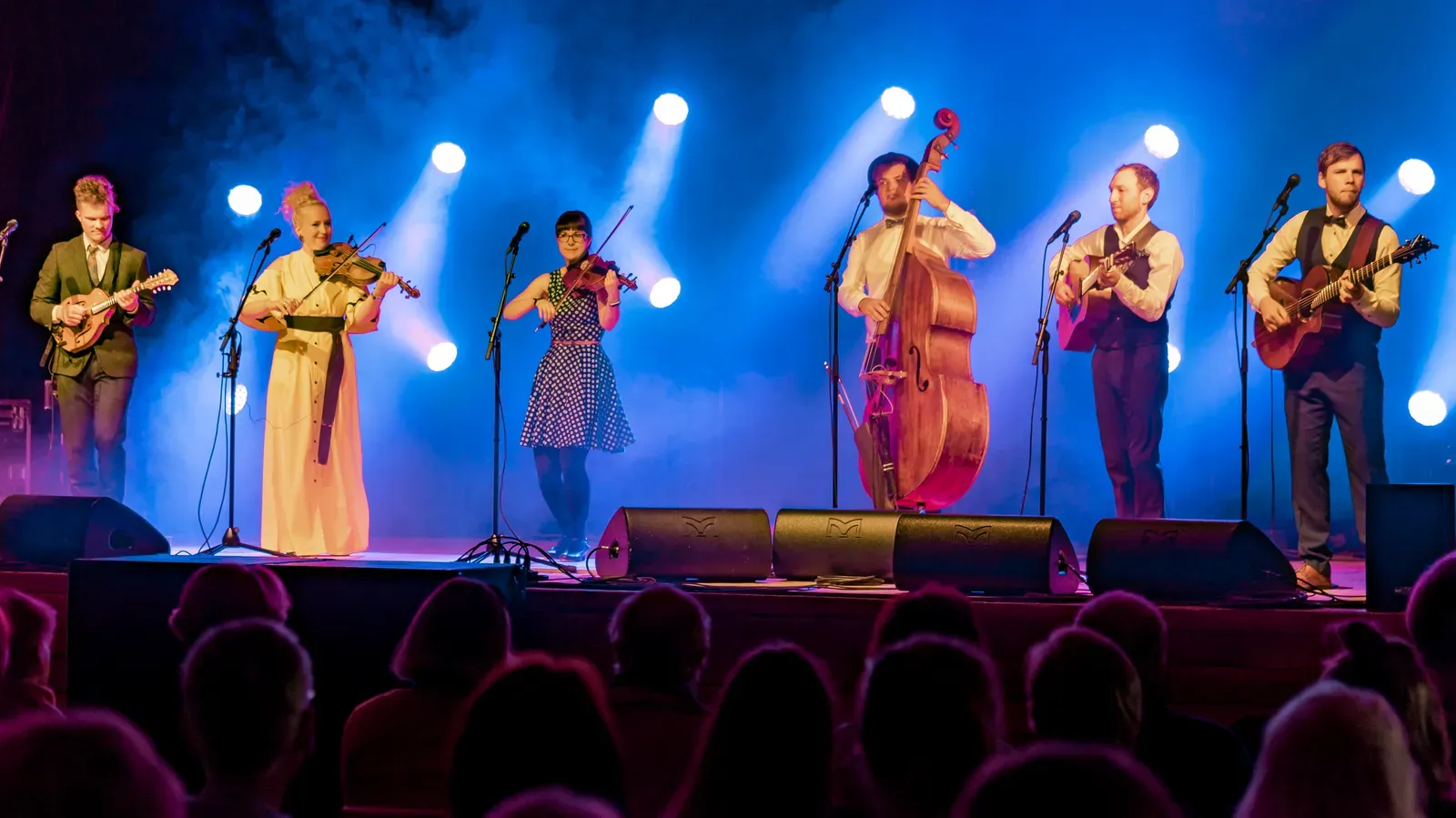
Tucked into the Texas Hill Country rather than a major city, Kerrville built its reputation on singer-songwriter culture rather than big headline names. The Kerrville Folk Festival was founded by Rod Kennedy in 1972, and it’s still going strong. Its first edition was intimate, as the first Kerrville Folk Festival was held June 1 through 3, 1972, in the 1,200-seat Kerrville Municipal Auditorium.
What makes Kerrville stand out today is sheer duration paired with format. It now runs as an eighteen-day event, described as an 18-day-long music fest which touts itself as being the oldest music festival in Texas, established 53 years ago in Austin’s backyard. That marathon length, unusual for any festival, has become part of its identity rather than a burden.
8. Miramichi Folksong Festival (Canada, since 1958)
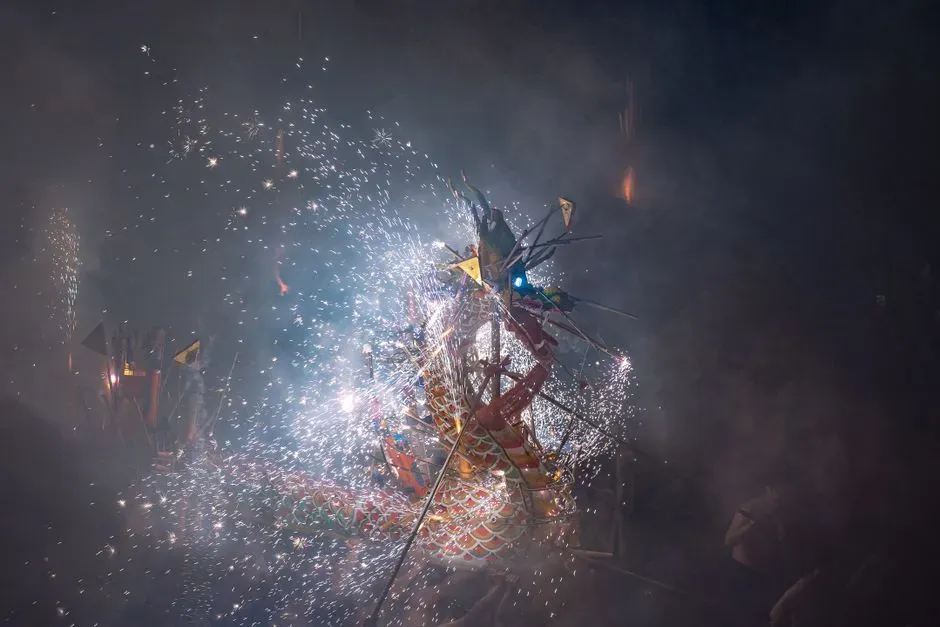
North of the border, in New Brunswick, sits one of the oldest folk gatherings on the continent. The Miramichi Folksong Festival is the oldest folk music festival in Canada, and its origins trace back to a very specific personal mission. It was established by folklorist and historian Louise Manny in response to a request from British politician and newspaperman Lord Beaverbrook that she document the traditional songs of his boyhood home.
That documentary impulse gave the festival a scholarly backbone that many pop-up events never had. It is the longest continuous event of its kind in Canada and one of the longest in North America. It began small, with the first festival held in September 1958 at the Beaverbrook Town Hall and Theatre in Newcastle, New Brunswick, and it has continued largely unbroken since.
9. Three Choirs Festival (UK, since 1719)
Stepping outside the rock and pop world entirely, this classical festival predates every other entry on this list by centuries. It features the choirs of Hereford, Gloucester, and Worcester cathedrals rotating host duties each year, and it is frequently cited as one of the oldest music festivals still functioning anywhere in the world. There are older music festivals in existence, notably the Worcester Music Festival (USA, 1858-present), the Three Choirs Festival (UK, 1719-present) and the Cheltenham Music Festival (UK, 1945-present), though none of these fit the popular music mold that most festival lists focus on.
What keeps Three Choirs relevant is precisely its refusal to chase trends. It has stayed devoted to English choral and orchestral traditions for more than three centuries, surviving wars, funding crunches, and shifts in taste that would have ended almost any other event. Its longevity is less about spectacle and more about a community that has simply kept turning up.
10. Cheltenham Music Festival (UK, since 1945)
Rounding out the list is another British classical mainstay, one that emerged from the rubble of the Second World War rather than the counterculture of the 1960s. The Cheltenham Music Festival has run since 1945, making it one of the steadiest cultural fixtures to come out of postwar Britain. It was built around commissioning and premiering new orchestral and chamber works, a mission that distinguishes it sharply from the rock and folk gatherings elsewhere on this list.
Across eight decades, Cheltenham has become a proving ground for contemporary British composers, giving first performances to works that might otherwise have struggled to find a stage. Its survival says something about audiences too: there has always been a steady, if smaller, appetite for serious new music performed with care. That quieter kind of endurance is just as remarkable as the stadium-filling kind.
Longevity in the festival world rarely comes down to luck alone. Every event on this list survived by adapting its lineup, its venue, or its format at some point, while holding onto whatever made it distinct in the first place. Newport Folk bent toward rock and then folded back into Americana. Reading shifted from jazz clubs to muddy fields of guitar bands. Montreux widened from a handful of jazz acts to a genre-spanning marathon. What ties them together is not a formula so much as a willingness to keep changing just enough to stay alive, while never quite losing sight of why people showed up in the first place.Partner offer
Planning a trip to Vegas?
Compare hotel rates and show tickets on VEGAS.com.