Landing one massive hit song is often treated like a cruel joke in the music business. The check clears, the fame peaks, and then the phone stops ringing. Yet a handful of artists who never repeated their chart-topping moment figured out something most flash-in-the-pan stars never grasped: the real money isn’t in the second hit, it’s in what you do with the first one.
From real estate empires to venture capital bets on companies that later sold for hundreds of millions, these ten one-hit wonders quietly turned a single burst of fame into lasting financial security. Some leaned on royalties and licensing deals that never stopped paying. Others took their windfall and invested it somewhere completely unrelated to music. Here’s how each of them made the most of their fifteen minutes.
1. Vanilla Ice Turned “Ice Ice Baby” Into a Real Estate Empire

Robert Van Winkle’s rap career famously cratered not long after “Ice Ice Baby” became a global sensation, but he did something smarter than chase a follow-up single. As co-writer of Ice Ice Baby, the one-hit wonder has made millions of dollars in royalties from the track over the years, and his career has branched out into other lucrative directions, including as a property renovator on his long-running The Vanilla Ice Project show. That show, which aired on the DIY Network, became a second income stream that reinforced the first.
The real fortune, though, came from buying, renovating, and flipping houses. The track was successful enough to help him accumulate a large portfolio of real estate, buying homes “all over the country” that he “never used,” and when he decided to offload his properties, he was surprised by how lucrative the investments had been. He put it bluntly: “They sold really quick and I made millions for doing nothing!” Combined with television contracts and continued music royalties, that real estate instinct is what actually built his fortune.
2. Right Said Fred Kept “I’m Too Sexy” Working for Decades
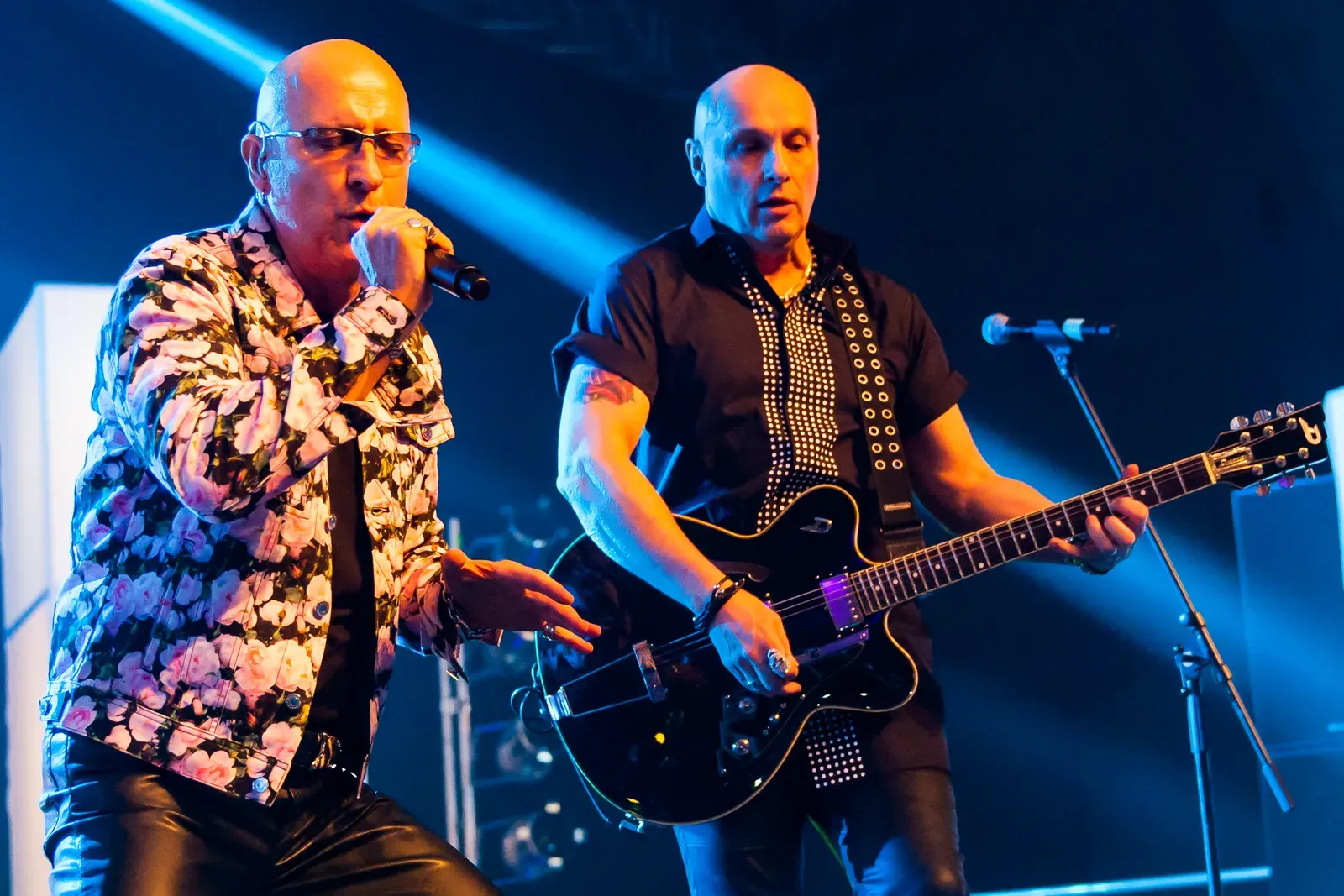
Fred and Richard Fairbrass wrote “I’m Too Sexy” almost as a joke while running a London gym, and it went on to become one of the most licensed novelty songs of the era. The brothers shot to instant international fame in 1991 with their cheeky co-written anthem, which topped the charts in seven countries, including the US, where it went platinum. That kind of global reach gave the publishing rights enormous long-term value.
Decades later, the song kept generating fresh income without the band lifting a finger in the studio. When Taylor Swift’s “Look What You Made Me Do” borrowed its rhythmic hook, the parties settled prior to release, with the writers and publishers of I’m Too Sexy receiving a share of publishing royalties from Taylor Swift’s song. It was a reminder that owning a piece of a memorable hook can pay dividends for generations, especially when younger artists keep sampling or interpolating it.
3. Norman Greenbaum Let “Spirit in the Sky” Pay Him for Life

Norman Greenbaum wrote “Spirit in the Sky” in about fifteen minutes back in 1969, then spent years running a farm rather than chasing stardom. He didn’t need to chase anything, because the song kept finding new audiences through film and advertising placements. Since its release, Spirit in the Sky has been used in over 30 commercials, 65 movies, and numerous TV shows, firmly embedding it in pop culture history.
That steady stream of sync licensing turned into a genuinely comfortable retirement plan. He was drawn back into the spotlight periodically by the song’s increasing use in films including Apollo 13 and Ocean’s Eleven, and in commercials for products like Gatorade and Kellogg’s Bran Flakes. As Greenbaum himself put it about the arrangement, “Because of ‘Spirit in the Sky,’ I don’t have to work. So in that sense, it’s a comfortable living.”
4. Dieter Meier Reinvested “Oh Yeah” Royalties Into a Business Empire

Yello frontman Dieter Meier co-wrote “Oh Yeah” in 1985, and its placement in “Ferris Bueller’s Day Off” turned it into a licensing machine that outlived the song’s original chart run. The synth track’s appearance in the film turned it into a global licensing goldmine, with the song later cropping up in everything from The Secret of My Success to South Park, Glee, SNL, The Simpsons, and major ad campaigns. Most artists would have simply banked those checks and moved on.
Meier did something far more ambitious with the money. The royalties from Oh Yeah became the seed money for his real fortune, as he poured the income into investments spanning transport, currency firms, vineyards, fine foods, and art projects, amassing wealth pegged at $175 million back in 2019 and likely higher today. Rather than staying tied to the music industry, he diversified into entirely unrelated sectors, which is exactly why his wealth kept growing long after the song faded from the charts.
5. Harold Faltermeyer Lived Off “Axel F” Sync Fees for Decades

German composer Harold Faltermeyer scored one of the most recognizable instrumental themes of the 1980s with “Axel F” from “Beverly Hills Cop.” It became a global synth smash that has earned him a fortune in royalties ever since, making him one of the most emblematic instrumentalists of the decade. Unlike a vocal pop hit, an instrumental theme tends to get licensed constantly for film trailers, sports broadcasts, and commercials, which kept the royalty checks flowing.
Faltermeyer also had other composing credits to lean on, but “Axel F” remained his signature financial anchor. A protégé of Giorgio Moroder, he also created the Top Gun Anthem and co-wrote hits such as The Heat Is On, though Axel F remains his one major success as a charting artist, making him a rare behind-the-scenes one-hit wonder whose legacy vastly outstrips his chart history. That combination of film scoring work and a perennially licensed theme song is what kept his finances stable for decades.
6. Chamillionaire Turned “Ridin'” Royalties Into Tech Fortune

Houston rapper Chamillionaire scored his massive breakout with “Ridin'” in 2006, and instead of trying to chase another platinum single, he pivoted hard into technology investing. Among his early investments was self-driving startup Cruise, which Forbes reported was acquired by General Motors for $1 billion. That single bet alone dwarfed what most musicians ever see from touring or streaming.
His timing on another early investment was even better. Chamillionaire made a $1.5 million investment in Maker Studios, a digital content company catering to YouTube producers, in 2009, and when Disney purchased Maker for roughly $500 million in 2014, his intuition paid off with a huge return. He has since built an estimated net worth of $50 million after investing in more than 60 companies, proving that the smartest financial move a one-hit rapper can make is treating music money like seed capital rather than spending cash.
7. Sir Mix-a-Lot Let “Baby Got Back” Keep Paying Royalties

Sir Mix-a-Lot’s 1992 novelty rap anthem “Baby Got Back” became one of the biggest and most enduring songs of its era. His Baby Got Back song barrelled to the number one spot in the US, where it went double-platinum, a commercial peak few one-hit wonders ever reach. That kind of sales performance created a royalty base that has continued paying out for more than three decades.
Because he wrote the song himself, every radio spin, streaming play, and film or TV placement since then has continued generating songwriting royalties on top of the original sales income. The track’s status as an inescapable pop culture reference, still turning up in commercials, movies, and sports arenas decades after release, means the checks never really stopped. It’s a case where simply writing your own biggest hit, rather than performing someone else’s song, made all the financial difference over time.
8. Nena Stayed a Star at Home After “99 Luftballons”

German singer Nena, born Gabriele Kerner, became a worldwide phenomenon in 1983 with “99 Luftballons.” The song topped charts across Europe and Australia and hit number two in the US, while its English remake, 99 Red Balloons, also soared to number one in the UK and Canada. That kind of multi-market success generated a royalty base that few artists from that era can match.
Rather than trying to repeat that global crossover, Nena wisely leaned into the German-speaking market where her fame never faded. Although she never matched that worldwide impact again, she has remained an A-list star in Germany, Austria, and Switzerland, scoring many local hits and branching out into acting and reality TV, including coaching on The Voice of Germany. That regional focus kept her income steady and diversified across music, television, and touring for decades.
9. Edie Brickell Built a Quiet, Diversified Fortune After “What I Am”

Edie Brickell and New Bohemians charmed listeners in 1988 with “What I Am.” The folky alt-pop song topped the charts in Canada, hit number seven in the US, and cracked the UK top 20, giving her an early financial cushion most new artists never get. She never landed another song with that same global reach, but she didn’t need to.
Instead, Brickell built a career around variety rather than repetition. She went on to release solo albums, form new bands, and win plaudits for her collaborations with comic Steve Martin, with her net worth reflecting decades of touring, songwriting, and her long marriage to Paul Simon. Spreading her career across multiple creative partnerships, rather than trying to chase the exact formula of her one big hit, turned out to be the more sustainable path.
10. Afroman Turned “Because I Got High” Into a Modern Digital Income Stream

Afroman’s 2001 hit “Because I Got High” made him a household name almost overnight, but the smartest financial move came years later, when he adapted the song’s legacy to the streaming era. His music video for the song has drawn more than 266 million views on YouTube alone, and using the platform’s average payout range, that single video is estimated to have earned him somewhere between roughly half a million and 2.6 million dollars. He also found financial success on Spotify, where his songs have racked up a total of 670 million streams, putting his total earnings from the platform at an estimated 2.6 to 3.3 million dollars.
Afroman also proved unusually savvy at turning setbacks into revenue. After law enforcement raided his home in 2022 without filing charges, he released music and merchandise referencing the incident rather than staying quiet. When a jury ruled in his favor in the resulting lawsuit in March 2026, he saw a 500% increase in streaming afterward, turning a legal ordeal into another spike in income. It’s an unconventional example, but it shows the same instinct as everyone else on this list: recognizing an opportunity and monetizing it quickly, rather than waiting passively for a second hit that might never come.
What separates these ten artists from the long list of forgotten one-hit wonders isn’t luck. It’s the decision, made early and followed through consistently, to treat a single burst of fame as capital rather than a paycheck to be spent. Whether that meant flipping houses, buying into a self-driving car startup, or simply refusing to let a song’s licensing potential go untapped, each of them found a way to make one moment in the spotlight last a lifetime. Fame is fleeting by nature, but as these stories show, the smart money never really stops working.