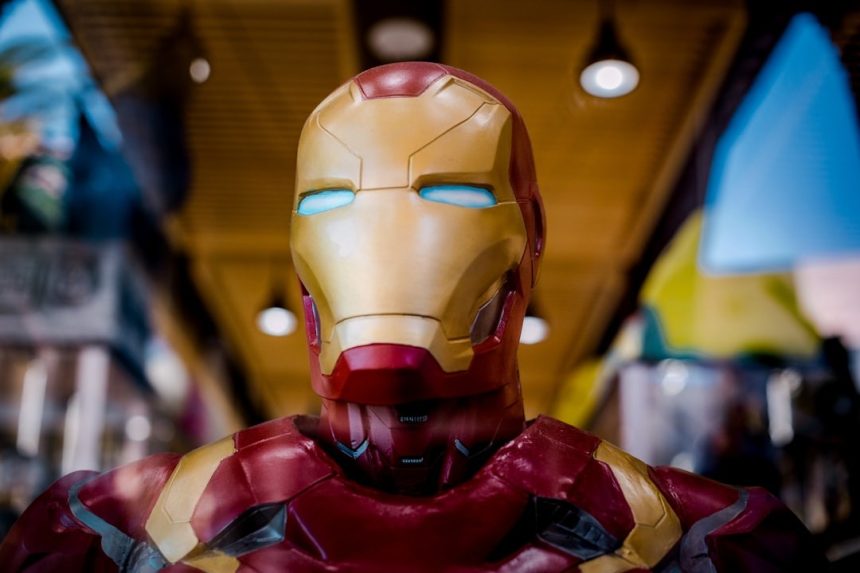
A great movie can survive almost anything except a moment that makes the audience stop and ask “wait, how did that work?” Even beloved films, the ones we rewatch every year and quote at parties, sometimes have a crack in the foundation that never quite gets patched. Once you notice it, you cannot unsee it, and it tends to color every future viewing. What follows is a rundown of ten widely discussed plot holes from films that are otherwise considered classics or near classics. These are not nitpicks about costume continuity or background extras. They are logical gaps big enough that critics, fans, and film scholars have spent years arguing about them.
1. Jurassic Park and the raptors that outsmart the fences
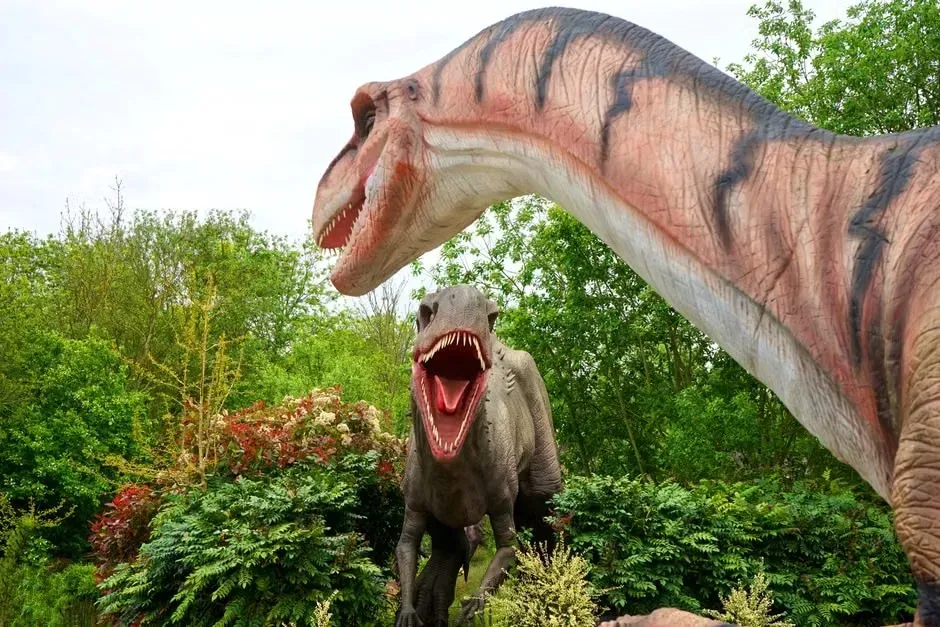
Jurassic Park gave us one of the most thrilling creature features ever made, but the velociraptors’ behavior stretches believability past its limit. Early in the film, we are told the raptors are testing the electric fences for weaknesses, systematically probing the perimeter like engineers. That is a clever setup, except the fences never actually fail because the raptors figured them out. They fail because a human turns the power off for unrelated reasons.
The idea that a group of animals could develop coordinated problem solving sophisticated enough to test infrastructure, yet the film never circles back to show that intelligence paying off, leaves a strange loose thread. It sets up a payoff that never arrives, and audiences noticed. The raptors are terrifying because they are fast and strong, not because of the systematic engineering intellect the dialogue implies.
2. Signs and the aliens allergic to Earth’s most common substance

M. Night Shyamalan’s Signs builds toward a reveal that the invading aliens are lethally vulnerable to water, and the family survives by exploiting that weakness. The problem is one that has been picked apart by critics for over two decades now. The aliens’ severe weakness is water, and it raises the question of why an alien race advanced enough for interstellar travel would come to a planet composed of almost 70 percent water if they are weakened by it.
Defenders of the film argue the aliens simply did not know Earth’s composition before arriving, but that explanation creates its own problems. Water is in the very air, making it nearly impossible for the aliens to have avoided contact with it throughout their time on Earth. It is the kind of twist that works emotionally in the moment and completely falls apart the second you think about it on the drive home.
3. The Dark Knight Rises and Bruce Wayne’s impossible trip home

Christopher Nolan’s Batman trilogy prided itself on grounded realism, which makes this particular gap sting a bit more than it might in a lighter film. Bruce Wayne escapes an underground prison believed to be somewhere in the Middle East or Central Asia, penniless, injured, and with his identity as a disgraced billionaire well known. How Bruce Wayne got from that prison to Gotham City with no money to his name became known as the loop hole of the summer when the film released.
The film simply cuts from the escape to Bruce standing in Gotham, skipping over what should have been a genuinely difficult logistical problem. Fans have spent years proposing solutions involving old contacts, forged papers, or sympathetic strangers, but the movie itself offers nothing. Given that Bruce was trained by the League of Shadows and remains a billionaire and Batman, it is reasonable to assume he could manage the trip, yet the film never bothers to show how.
4. Titanic and the door that could have saved two lives
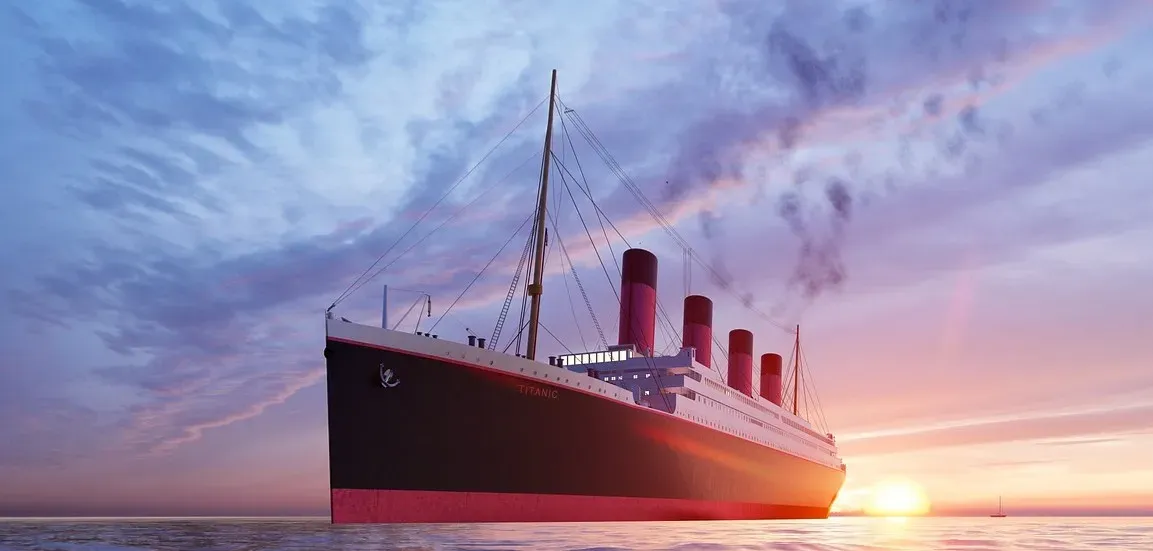
James Cameron’s Titanic ends with Jack sacrificing himself in the freezing Atlantic while Rose floats on a wooden door, and generations of viewers have wondered why they could not have shared the space. The door in question appears large enough in the film to support additional weight, at least based on how it behaves on screen. Cameron has addressed this criticism in interviews over the years, arguing that the physics of buoyancy and hypothermia made the door a poor lifeboat for two.
Even with that explanation, the scene remains one of the most argued about moments in modern cinema. It does not ruin the emotional weight of the ending for most viewers, but it has become a running joke and a genuine point of frustration for anyone who pauses to think about basic physics. The door has, unfairly or not, become shorthand for movie logic that prioritizes tragedy over practicality.
5. Home Alone and the parents who forget their son exists

The entire premise of Home Alone hinges on the McCallister family leaving for Paris without noticing that eight year old Kevin is missing. This requires not just one adult but an entire household of parents, siblings, aunts, uncles, and cousins to overlook a child during a frantic morning departure. The film plays it for laughs, and it works in the moment, but the setup demands a level of collective negligence that borders on implausible even for a chaotic family comedy.
What makes the gap more noticeable on rewatch is how quickly the parents realize their mistake once they land in Paris. If the oversight is so glaring that it hits everyone at once mid flight, it raises the question of how nobody caught it during the count heads scramble before leaving the house. It is a premise built entirely on a stretch, one audiences accept because the rest of the film earns so much goodwill.
Partner offer
6. The Force Awakens and Rey’s unexplained mastery of everything

Star Wars: The Force Awakens introduced Rey as a scavenger with no known Force training, yet within the same film she pilots the Millennium Falcon with expert precision, resists a trained interrogator using the Force, and eventually bests a partially trained Kylo Ren in a lightsaber duel. Luke Skywalker, by contrast, spent an entire trilogy building his skills gradually before facing comparable challenges. The speed of Rey’s competence became one of the most debated aspects of the sequel trilogy’s opening chapter.
Later films attempted to address the gap by revealing her lineage, suggesting inherited ability explained the jump. That answer arrived years after the original film left audiences wondering, and it did not fully satisfy critics who felt the shortcut undercut the tension of her early scenes. The plot hole is less about a single broken rule and more about pacing that skipped the groundwork other Star Wars heroes were given.
7. The Matrix and the baffling logic of human batteries

The Matrix presents a chilling premise where machines keep humans alive in pods to harvest their bioelectric energy as a power source. It is a memorable piece of world building, but it does not hold up under basic thermodynamic scrutiny. Human bodies consume far more energy than they could ever generate, meaning the machines would need to feed and maintain the humans using more power than they extract in return.
The Wachowskis have acknowledged in past interviews that an earlier draft involved humans serving as processing power rather than batteries, a detail reportedly changed for clarity during production. That change may have made the concept easier to explain in a single line of dialogue, but it introduced a scientific inconsistency that has bothered physics minded viewers ever since. It remains one of the most cited examples of a sci fi premise that sounds compelling until you do the math.
8. Avengers: Endgame and the time travel rules that contradict themselves
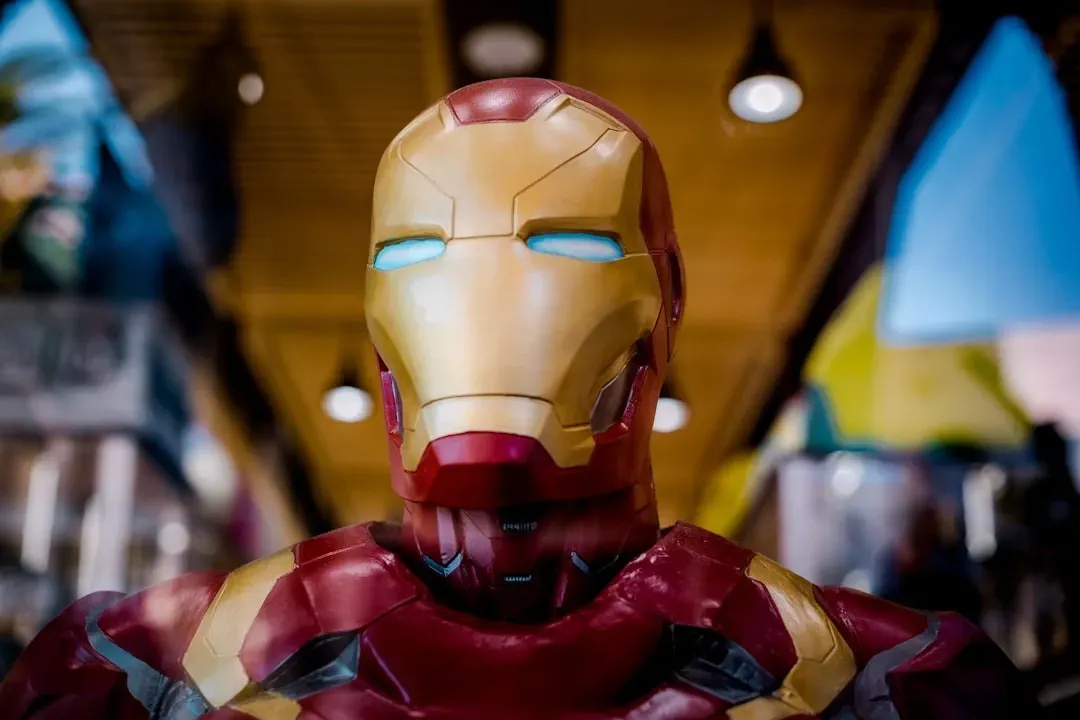
Avengers: Endgame spends real screen time explaining that its version of time travel does not work like typical movies, insisting that changing the past creates branching alternate realities rather than altering the present timeline. That rule is stated clearly and repeatedly by the characters themselves. Yet the film’s climax still relies on the original timeline being restored once Iron Man snaps his fingers, and the heroes return the Infinity Stones as if doing so repairs any damage caused by their trip.
If every visit to the past truly spins off a new branching timeline, as the film insists, then returning stones to those branches should not affect the primary timeline the Avengers came from at all. Fans and even some cast members have openly acknowledged the confusion this creates, since the rules set up in the first act do not match the resolution in the third. It is a case of a film explaining its own logic so thoroughly that the explanation ends up contradicting the ending.
9. Interstellar and the docking sequence that defies its own science
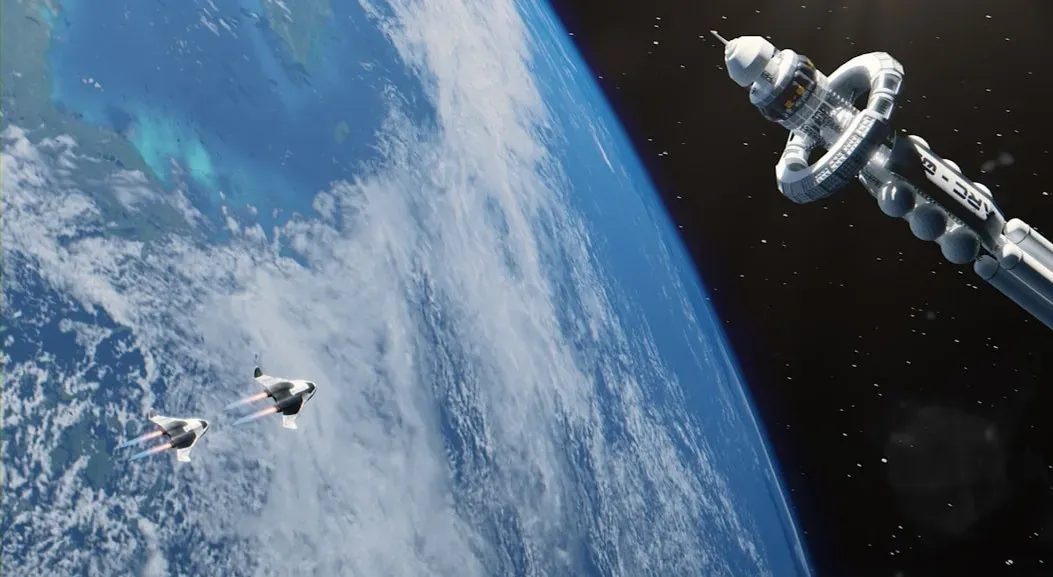
Interstellar built its reputation partly on scientific rigor, working with physicist Kip Thorne to render black holes and relativity with unusual accuracy for a mainstream film. That reputation makes the tense docking sequence involving the spinning Endurance station stand out as an odd departure. The spacecraft is shown tumbling and spinning at a rate that, according to several physicists who reviewed the scene after release, would generate forces likely to kill or seriously injure the crew rather than merely rattle them.
The film generally earns credit for taking real physics seriously in its depiction of time dilation and gravitational effects near the black hole Gargantua. That makes the docking scene feel more like a deliberate concession to action movie tension than an oversight born of ignorance. Still, for a film built on its scientific credibility, the moment stands out precisely because the rest of the movie set such a high bar.
10. Iron Man and the cave that produced better tech than a lab
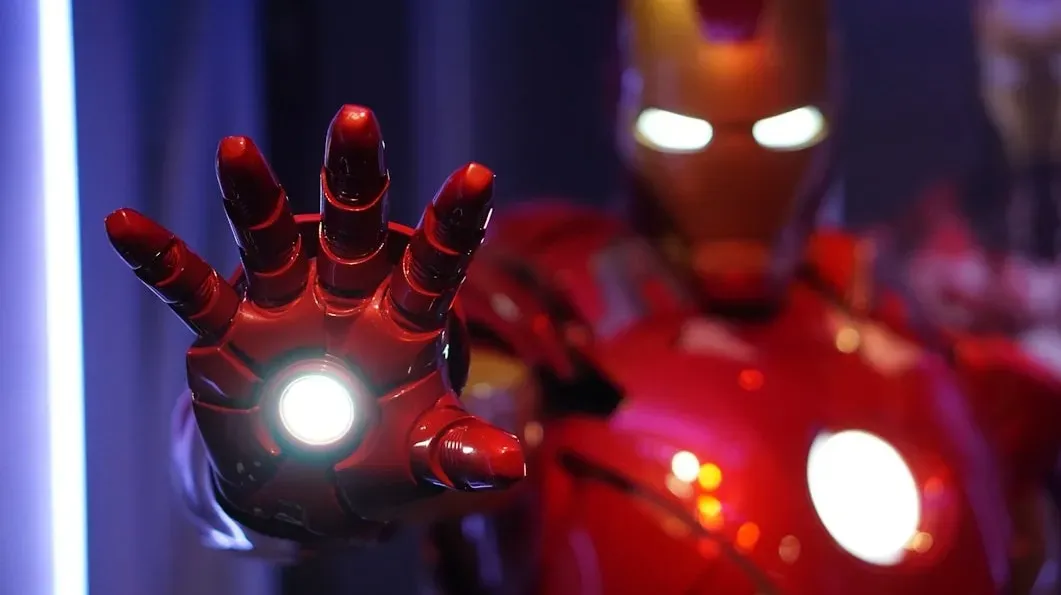
Iron Man’s origin story hinges on Tony Stark building the first Mark I suit while held captive in a cave with a box of scraps and the help of a fellow prisoner. It is a great character beat, showing Stark’s ingenuity under pressure, but the technology on display, including a functioning miniaturized arc reactor, exceeds what his own state of the art company labs produce later using unlimited resources and time. The gap between improvised cave engineering and corporate research and development never gets addressed within the film.
Stark does eventually build sleeker suits back home, which makes narrative sense, but the film never explains why the original cave built reactor and repulsor technology worked so well on the first attempt under such primitive conditions. It is easy to overlook because the origin sequence is so well executed dramatically. Still, taken as a piece of internal logic, it asks audiences to accept that desperation produces better engineering than a fully funded lab, which is a stretch even for a superhero film.
Every one of these films remains widely watched and, in most cases, genuinely well regarded despite the gap in its logic. Plot holes tend to matter less when the emotional core of a story is strong enough to carry viewers past the inconsistency. That is likely why audiences keep returning to these films even after the flaw has been pointed out to them a hundred times online.Partner offer
Planning a trip to Vegas?
Compare hotel rates and show tickets on VEGAS.com.