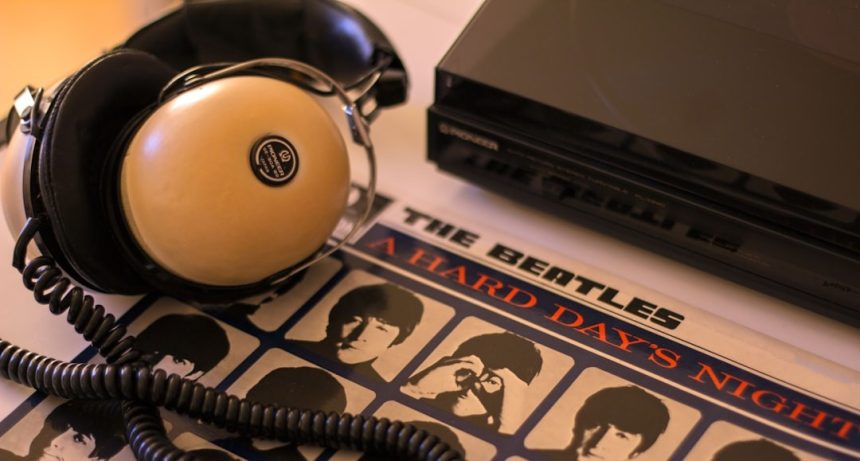
There’s a strange irony built into the history of popular music: some of the biggest hits of all time almost never made it to the airwaves. Program directors, network censors, and entire broadcasting corporations decided certain songs were too dangerous, too suggestive, or too political for public consumption. Yet in nearly every case, the attempt to silence the music did the opposite of what was intended. What follows are ten songs that faced real bans or blacklisting from radio stations, only to turn into some of the most recognizable and career-defining records in music history. The reasons behind the bans range from sexual content to political provocation, and the stories behind each one say almost as much about the era as they do about the artists themselves.
1. “God Save the Queen” by Sex Pistols

Released in 1977 to coincide with Queen Elizabeth II’s Silver Jubilee, this song was about as provocative as punk rock ever got. Many record stores refused to sell the album, and BBC Radio 1 refused to play it during the day. The lyrics comparing the monarchy to a fascist regime were simply too much for the era’s broadcasters to stomach.
Despite the total blackout, the song sold in staggering numbers. The single ended up selling nearly 150,000 copies in its first week on the shelves alone. It became the defining anthem of British punk, and its legend only grew when it was reissued decades later during the Platinum Jubilee, immediately shooting back to the top of the charts.
2. “Relax” by Frankie Goes to Hollywood
This 1983 debut single from the Liverpool synth-pop group started slowly on the UK charts before a BBC radio host publicly objected to its content. Its big day out came the following week, when BBC Radio DJ Mike Read declared his disgust over the airwaves, and “Relax” was banned. The sexually charged lyrics and suggestive imagery made it an easy target for outrage.
The ban did nothing to slow the song down. If anything, it accelerated its climb, and “Relax” became one of the defining British pop records of the 1980s. The BBC eventually removed it from many of its broadcasts, and the decision created enormous publicity around the recording. The controversy turned Frankie Goes to Hollywood into overnight stars.
3. “My Generation” by The Who

Few bans in music history are as strange as this one. “My Generation” was banned from the radio for a reason unrelated to its lyrical content, because the song featured vocals that resembled stuttering, and the BBC prohibited the song from receiving airplay for fear of offending people with actual stuttering problems. It had nothing to do with rebellion or sex, just a vocal delivery choice.
The ban proved short-lived once the numbers came in. Pirate radio stations took over, blasting the song to the people, and even while banned, “My Generation” climbed the charts and sold 300,000 copies, causing BBC Radio to lift the ban. It went on to become one of the defining anthems of 1960s youth culture and remains The Who’s signature song.
4. “The Pill” by Loretta Lynn

Loretta Lynn built a career on saying what other country singers wouldn’t touch, and this 1975 single about birth control was one of her boldest moves. Upon its release in 1975, radio stations refused to give Loretta Lynn’s song “The Pill” airplay because of its content regarding birth control, which was widely looked down upon at the time. Conservative country stations across the South simply pulled it from rotation.
Even so, the song found its audience through word of mouth and jukebox play in bars and diners where radio programmers had no say. It became one of Lynn’s most talked about singles and helped cement her reputation as an artist unafraid of controversy. Decades later, “The Pill” is still cited as a landmark moment for women’s voices in country music.
5. “Physical” by Olivia Newton-John

Released in 1981, this title track leaned into innuendo that some stations found impossible to ignore. “Physical” became one of the pop crowd-pleasers outright banned from radio play for a wide variety of reasons, from sexual suggestiveness to taboo subject matter. Certain lines were considered too explicit for daytime rotation on conservative stations.
None of that stopped the song from becoming a phenomenon. It spent an extended run at the top of the Billboard Hot 100 and became one of the best-selling singles of the entire decade. For Newton-John, an artist previously known for wholesome ballads, “Physical” marked a dramatic and successful reinvention.
Partner offer
6. “(I Can’t Get No) Satisfaction” by The Rolling Stones
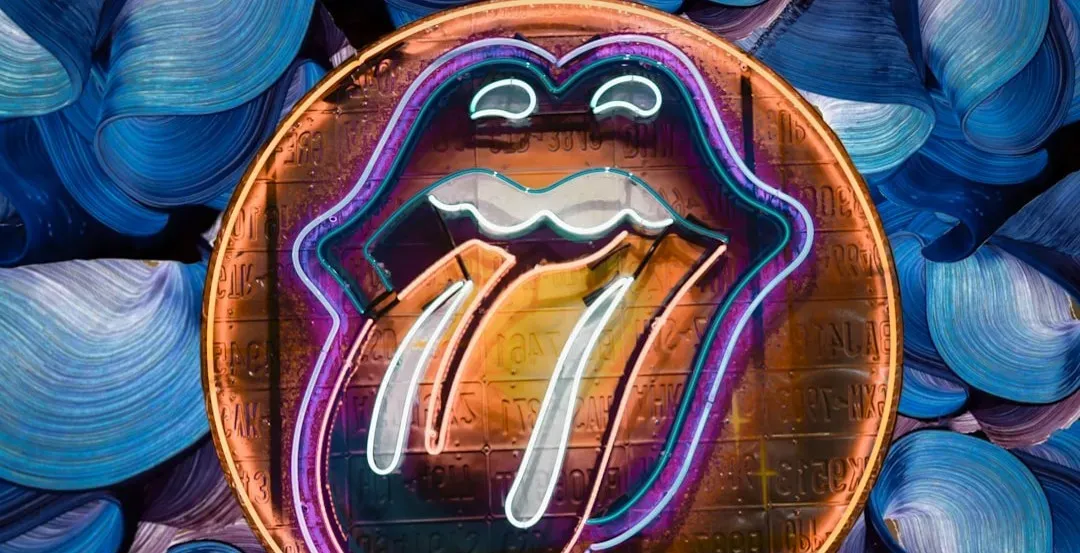
By 1965, the Rolling Stones were already building a reputation as the rougher counterpart to the Beatles, and this single confirmed it. On release, the song was not enthusiastically embraced by radio stations, many of whom refused to play it due to the strong sexual overtones of the lyrics. The suggestive tone was considered risky for mainstream audiences at the time.
The pushback did little to dent its momentum. It became the band’s first American number one single and is widely regarded today as one of the greatest rock songs ever recorded. The controversy only reinforced the Stones’ image as rock and roll’s rebellious alternative to their more polished peers.
7. “Strange Fruit” by Billie Holiday

Few songs carried the weight of this 1939 recording, which addressed the horror of lynching in the American South with unflinching directness. The recording was widely banned by radio stations stateside and abroad, and even Holiday’s own label, Columbia Records, refused to put it out. Its subject matter was considered too disturbing for mass broadcast.
Holiday recorded it instead for the independent label Commodore, and the song slowly built a reputation as one of the most powerful protest recordings ever made. It became inseparable from her legacy and is still studied today as an early and courageous piece of civil rights era art. The refusal of mainstream radio to touch it only deepened its cultural significance over time.
8. “Will You Love Me Tomorrow” by The Shirelles

This 1960 single carried lyrics about a one-night stand that many stations considered inappropriate for a young female vocal group. Will You Love Me Tomorrow was banned by many radio stations, as its lyrics, which describe a one-night stand, were considered too sexual. The subject matter was unusually frank for the era.
Despite the resistance, the song made history. The Shirelles became the first Black girl group to reach number one on the Billboard Hot 100, opening doors for the girl group sound that would dominate much of the decade. Its success helped establish a template that groups like The Supremes would later follow.
9. “Lucy in the Sky with Diamonds” by The Beatles
The 1967 track from Sgt. Pepper’s Lonely Hearts Club Band drew attention almost immediately after release for reasons the band always denied. “Lucy in the Sky with Diamonds,” released in 1967, attracted attention because the initial letters of the title form the acronym LSD. Several radio stations pulled it or restricted its play over suspected drug references.
The band insisted the title came from a children’s drawing by John Lennon’s young son, but the controversy stuck regardless. The song remained one of the most celebrated tracks on an album widely considered one of the greatest ever recorded. Its psychedelic imagery and layered production have kept it a fan favorite for generations.
10. “Eve of Destruction” by Barry McGuire

This 1965 protest song tackled war, racial injustice, and nuclear anxiety head on, making plenty of stations nervous about airing it. The No. 1 song “Eve of Destruction” was once banned from the radio, with broadcasters worried that its content might offend and alienate listeners. Its blunt political commentary was considered too heavy for casual listening at the height of the Cold War.
Despite resistance from cautious programmers, the song shot to the top of the American charts within weeks of release. It became one of the defining protest anthems of the mid-1960s and helped open the door for more politically charged music on mainstream radio. For McGuire, it remains the song most associated with his career.
Looking across these ten cases, a pattern becomes clear. Radio bans rarely killed a song’s momentum, and in most instances they did the opposite by generating curiosity that no marketing budget could buy. Listeners sought out banned records through jukeboxes, pirate stations, or word of mouth, turning controversy into a kind of free promotion that record labels could never have engineered on their own.Partner offer
Planning a trip to Vegas?
Compare hotel rates and show tickets on VEGAS.com.