Most people carry at least one memory of sitting through a school activity and wondering why it felt so pointless. Not every student broadcasts that feeling, though. Plenty just go through the motions, do what’s required, and keep their honest reaction to themselves. The gap between what students perform and what they actually feel is wider than most teachers realize.
In a nationwide survey of over 21,000 U.S. high school students, researchers from the Yale Center for Emotional Intelligence found that nearly three quarters of students’ self-reported feelings related to school were negative. That’s a striking number, and it points to something real: many standard school activities simply don’t land the way educators intend. Here are eleven of them.
1. Mandatory Physical Education Class
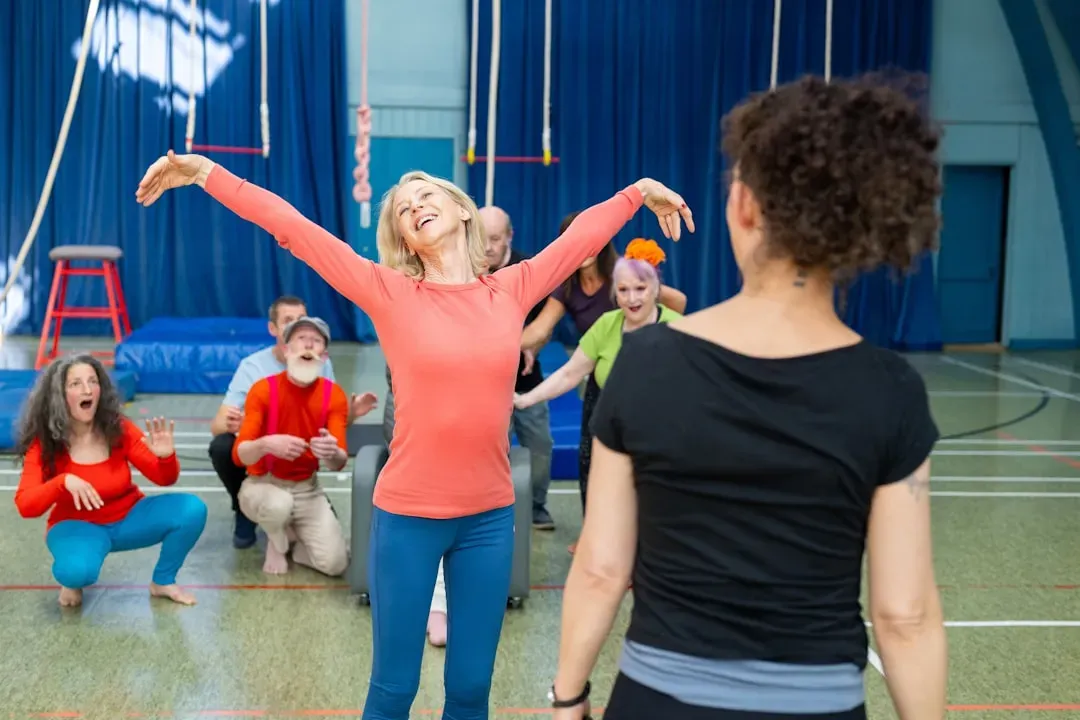
For many students, gym class is a difficult part of the school day. As carefree recess and unstructured play are replaced in higher grades with required physical education and structured competitive team sports, kids can develop strong negative feelings about exercise. The shift from freedom of movement to graded performance changes the whole emotional tone of being active.
Some students regularly experience incidents of devaluation, humiliation, or social exclusion during PE that can be quite harmful and lead to reduced engagement in physical activity long after school ends. Not all people are competitive by nature, and setting non-competitive students against their competitive peers in a PE class causes self-consciousness, intimidation, and anxiety.
2. Standing Up to Give an Oral Presentation

Ask a room full of adults which school moment they’d least like to relive, and public speaking in front of the class tends to come up fast. The stakes feel enormous when you’re twelve and every pair of eyes is on you. Even students who weren’t shy in other settings often dreaded that particular moment of exposure.
Perceived barriers students commonly report include lack of confidence and fear of judgment, both of which are especially pronounced in performance-based classroom activities. The problem isn’t really about the skill of speaking. It’s about being evaluated publicly by people your own age, which feels categorically different from any other kind of schoolwork.
3. Standardized Test Days

The pressure to perform well academically can be overwhelming for many students. High expectations from parents, teachers, and the students themselves can lead to stress and anxiety, and this pressure often results in a fear of failure, making school a source of constant worry rather than a place of learning and growth. Standardized tests concentrate all of that pressure into a single sitting.
Students frequently describe test days as some of the most dread-filled mornings of the school year. There’s the silence, the ticking clock, and the awareness that one performance will be used to define something about you. When asked whether their schoolwork challenges them in a good way, just under half of middle and high school students agree, with only about one in seven agreeing strongly – a sign that much of the pressure around tests doesn’t feel productive or motivating to students.
4. Math Class

In a national survey of high school student engagement, math ranked as the least favorite subject among students, with roughly a third naming it their most disliked class. It’s a consistent finding across surveys from different decades and different countries. Research published in Psychology Research and Behavior Management found that around seventeen percent of the U.S. population experiences math anxiety.
One of the key factors influencing students’ dislike of certain subjects is the perceived difficulty and anxiety associated with them. Subjects like mathematics are often considered deeply challenging and can evoke feelings of anxiety, leading to a lack of interest and motivation to engage with the material. Many students who quietly disliked math weren’t bad at it – they were simply never given a reason to feel confident in it.
5. Reading Aloud in Class
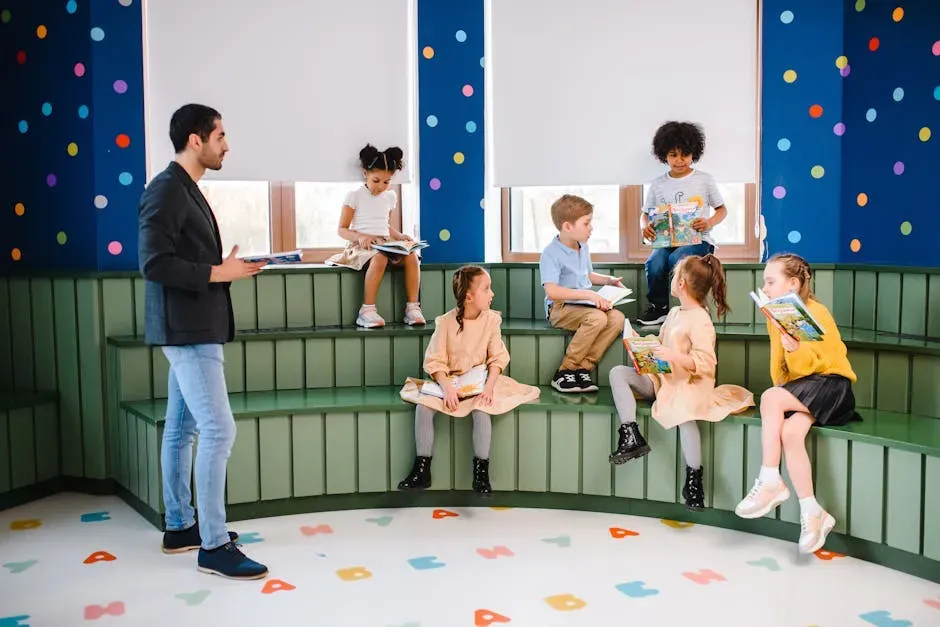
Few classroom activities generate as much quiet dread as being called on to read aloud. Students count paragraphs ahead to figure out which section will land on them. The activity is meant to build literacy and participation, but for students who read slowly, struggle with pronunciation, or simply hate being in the spotlight, it can feel genuinely painful.
Children dealing with social or emotional challenges, including social anxiety, may find it nearly impossible to focus in school. These students often struggle to concentrate or participate in class activities, making the school experience feel more daunting than engaging. Reading aloud is one of those activities where the format itself, rather than the content, becomes the obstacle.
6. Foreign Language Classes

Foreign languages consistently appear on student surveys as a least-favorite subject. Part of the issue is pacing. The early stages of language learning involve a lot of repetition, drills, and memorized phrases that feel far removed from actual communication. For students who don’t see an obvious personal connection to the language, motivation is hard to sustain.
Partner offer
Another factor that shapes students’ dislike of certain subjects is the limited choice and flexibility in selecting their courses. When students are not given the opportunity to choose subjects that align with their interests and strengths, they may feel disengaged and unmotivated. Mandatory language requirements, where students have no say in which language to study, can amplify that disconnect considerably.
7. Group Projects
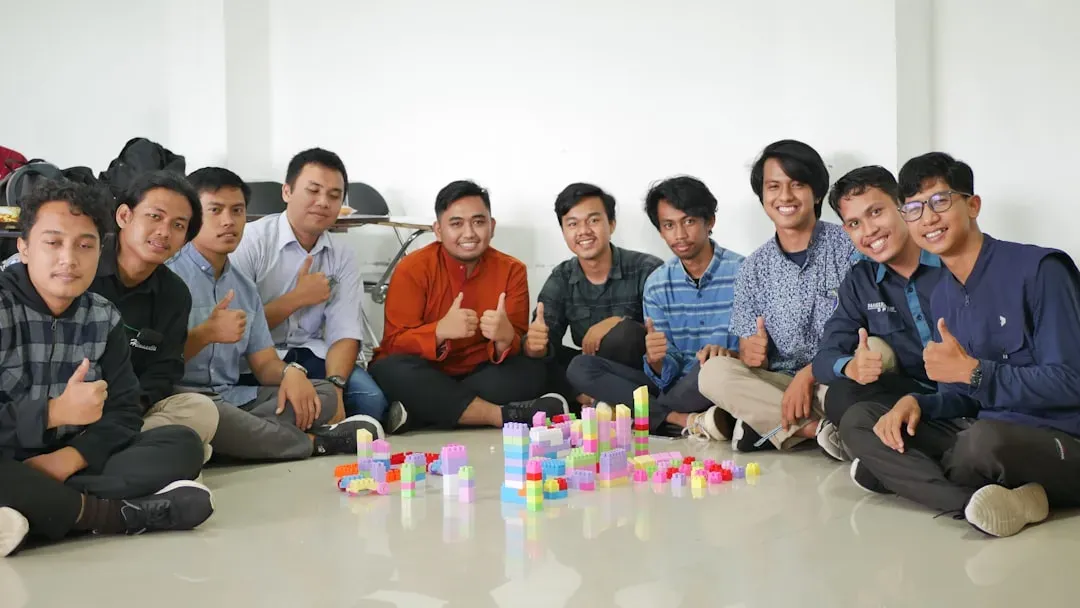
Group projects have a well-earned reputation among students for being exhausting in ways that have little to do with learning. The person who does most of the work, the person who does almost none, and the awkward negotiation in between – it’s a dynamic that plays out predictably enough that most students could map it out before the project even starts.
Students who show up and participate behaviorally tend to see the strongest academic gains, but students can go through the motions, do what they must to get by, and still not be truly engaged. Group projects often create exactly this situation, where the effort required to manage group dynamics crowds out the actual intellectual work the assignment was designed to produce.
8. Physical Fitness Testing
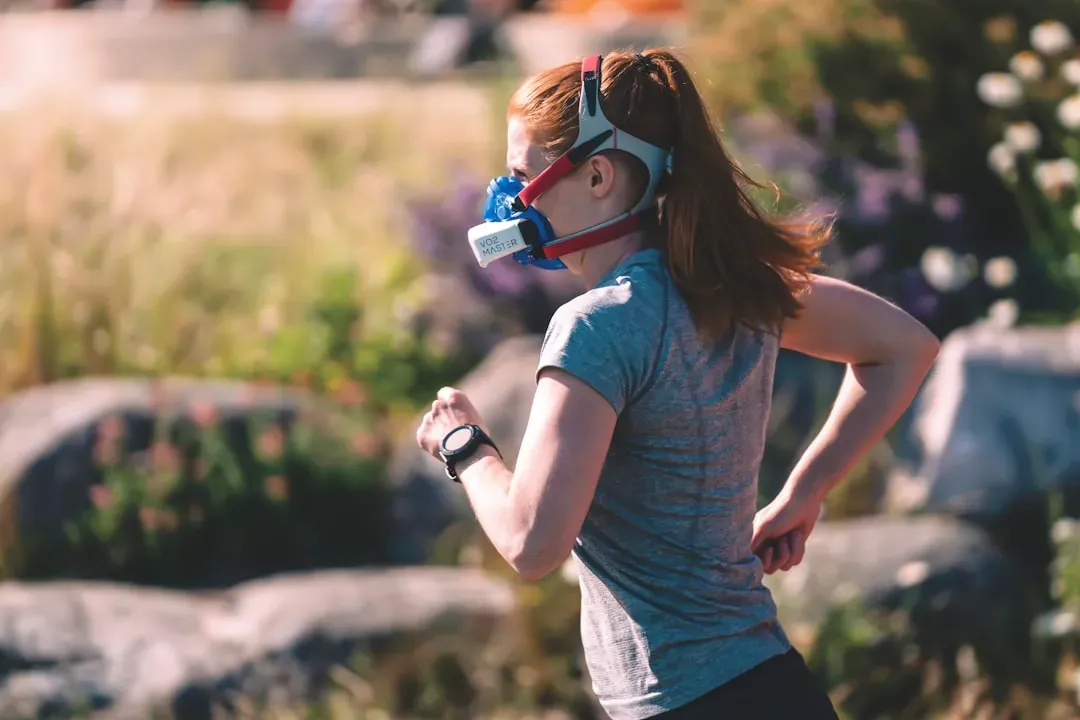
An Adelphi University researcher found that attitudes formed toward physical education by students as early as elementary school may have long-term implications for their health as adults. Much of that early attitude formation happens during fitness tests. The timed mile run, the sit-and-reach, the pull-up bar – these public benchmarks can feel more like judgment than education.
Research with fourth and fifth graders over time showed that good fitness testing scores resulted in positive perceived competence, but the reverse is also true. While better scores may create a brief lift in positive feelings about physical education, attitudes developed over time rather than in the moment. Students who consistently score low on fitness tests often carry that self-perception long after the tests themselves are forgotten.
9. History and Social Studies Through Rote Memorization

A survey of sixth and twelfth grade students in a Midwest school district revealed largely indifferent or negative attitudes toward social studies subjects. That finding holds across many settings. When history class becomes a series of dates, names, and events to memorize rather than a story to understand, students tune out quickly. The subject itself rarely bores people – it’s the delivery that does the damage.
Research shows that the disrespect for students’ own pedagogical preferences and contributions, demonstrated through boring and sterile learning environments, may lead to student disengagement from education. History taught as a list of facts to recall on a Friday quiz rarely sparks the curiosity the subject is fully capable of generating. Students know the difference, and they remember it.
10. Science Labs with Overly Scripted Procedures

Science courses, especially physics and chemistry, are often ranked among the least favorite subjects by students. The heavy emphasis on memorizing scientific facts and conducting experiments can be tedious, and the complex theories and intricate concepts can be difficult to understand. The lab format, which should be one of the more engaging parts of science education, often feels just as constrained as a lecture when students are handed a rigid protocol and told to confirm a predetermined result.
A sweeping 2024 review covering more than 158,000 students confirmed what educators have long suspected: engaged students do better academically, and the type of engagement is a big deal. Students who participate both behaviorally and intellectually tend to see the strongest academic gains. Scripted labs, where the outcome is already known and the student’s job is simply to follow steps, don’t really invite either kind of engagement.
11. Homework Load During Exam Periods

In a nationwide survey of over 21,000 U.S. high school students, researchers found that most of their days are spent feeling tired, stressed, and bored, with nearly three quarters of students’ self-reported feelings related to school being negative. Exam periods, when homework doesn’t ease up despite added test pressure, tend to push those feelings to their peak.
Students say they feel much less engaged in school than they did even a year prior, according to Gallup’s Gen Z research, and heavy homework loads during already stressful periods may be part of that erosion. Persistent negative feelings about school can affect a student’s overall well-being, with consistent difficulties potentially leading to feelings of hopelessness and a general lack of interest in activities. The homework pile during finals week is rarely remembered fondly – and rarely needs to be as large as it is.
What makes this list worth paying attention to isn’t the complaining – students have always pushed back against school. It’s that many of these reactions are quiet, polite, and invisible to the people designing the activities. The student who does exactly what’s asked but walks away having felt nothing is a harder problem to solve than the one who acts out. The discomfort tends to surface only years later, in conversation, when someone finally asks.
Partner offer
Planning a trip to Vegas?
Compare hotel rates and show tickets on VEGAS.com.