Some songs get written for a moment. Others get written for no particular moment at all, and then history hands them one anyway. Stadiums, protests, weddings, and locker rooms have a strange way of adopting music that was never meant to carry that kind of weight, turning personal lyrics into collective ones almost by accident. What follows are eleven songs that took on a second life their writers never planned for. None of them set out to become a rallying cry. All of them ended up as one.
1. “Sweet Caroline” by Neil Diamond

Neil Diamond wrote this one in 1969, reportedly inspired by a young Caroline Kennedy, and for decades it was just a warm, catchy pop tune with no connection to sports at all. That changed at Fenway Park, where the tradition dates to 1997, when team employee Amy Tobey played “Sweet Caroline” in Fenway Park, since she knew someone who had recently given birth to a baby named Caroline.
For a few years it stayed occasional. Then executive Charles Steinberg pushed for it to become a fixture, and by the early 2000s it had become inseparable from the Red Sox experience, a staple of Fenway Park since 1997, and of the eighth inning stretch at Fenway Park since 2002. A song about a specific person became a stadium-wide singalong about nothing in particular except togetherness.
2. “Don’t Stop Believin'” by Journey

Journey wrote this 1981 track as a story song about small-town dreamers heading to the city, with no thought that it would end up as a stadium fixture decades later. Its second life took off gradually through movies, television finales, and karaoke bars, until it became the default song for underdog moments in sports and beyond.
By the 2010s it had become a fixture at graduations, weddings, and championship celebrations across the country, sung by crowds who often know only the chorus. The lyrics were never about victory or unity in any literal sense, yet that is exactly how it gets used now, as shorthand for hope against the odds.
3. “We Are the Champions” by Queen
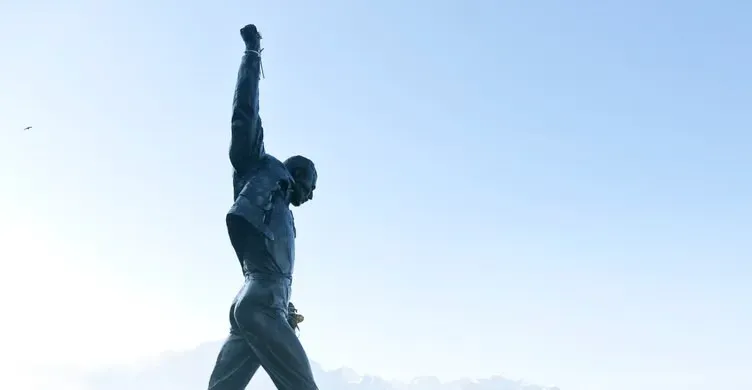
Freddie Mercury wrote this 1977 song as a defiant, almost personal statement about the band’s own journey through struggle and success. It was never intended as a sports song, yet its soaring chorus made it an obvious fit for celebrations, and it slowly became the default victory anthem at stadiums worldwide.
Today it gets played after championship wins across nearly every sport, from football finals to Olympic medal ceremonies. The irony is that Queen wrote a song about their own band’s story, and the world turned it into everyone’s story of winning.
4. “Seven Nation Army” by The White Stripes
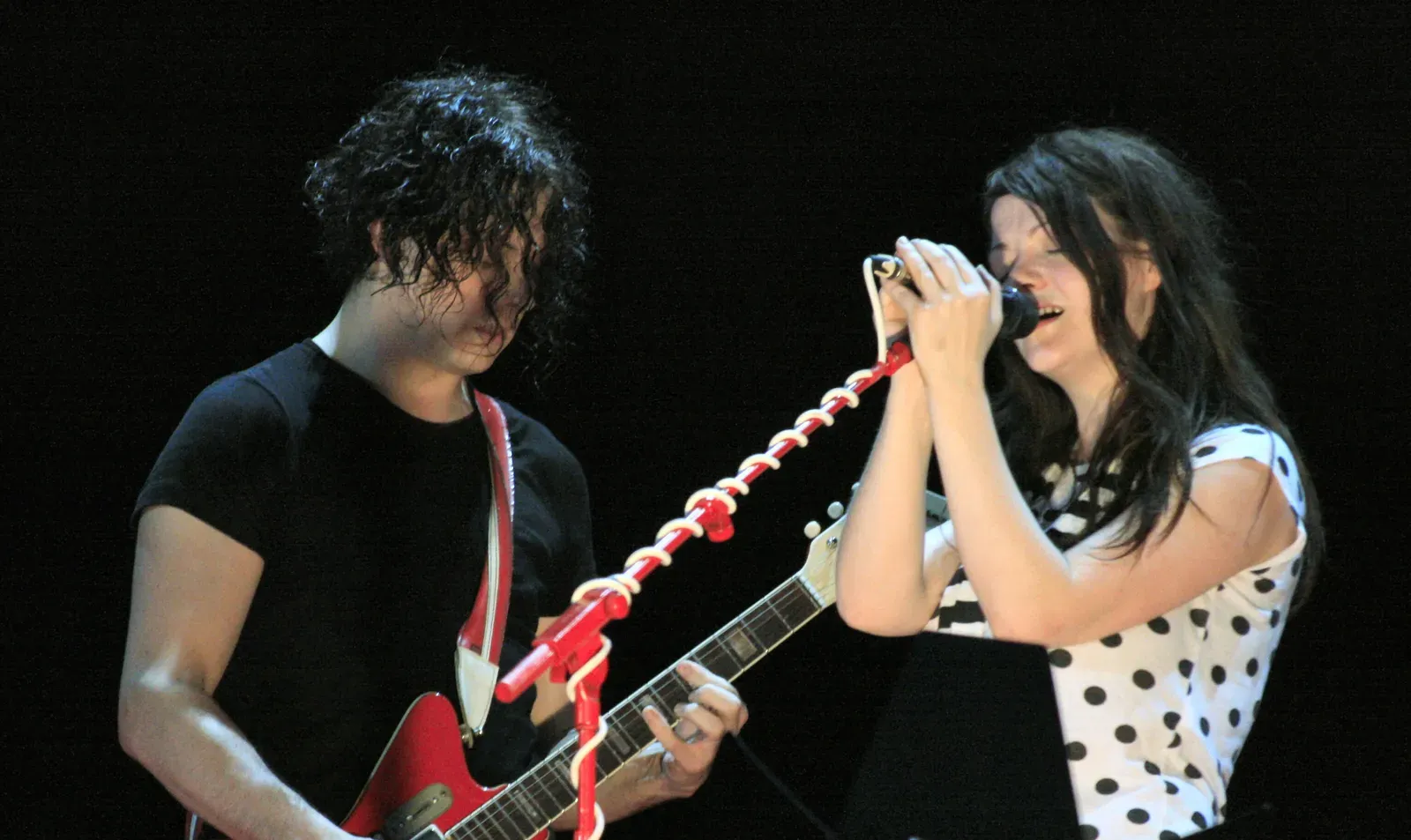
Jack White wrote the song’s iconic riff and lyrics about something deeply personal, gossip and scrutiny surrounding his relationship with bandmate Meg White, with the attention surrounding his relationship with drummer Meg White, who was by this point his ex-wife… “The song’s about gossip. It’s about me, Meg and the people we’re dating,” said the frontman. There was no chorus in the traditional sense, which White later said was intentional.
Its second life began far from Detroit. How and why “Seven Nation Army” became the anthemic chant across multiple sports worldwide can be traced back to the Champions League soccer match between AC Milan (Italy) and Club Brugge KV (Belgium) in October 2003. From there it spread to Italy’s 2006 World Cup victory and eventually became a fixture at stadiums on every continent, chanted by crowds who often have no idea the song has actual lyrics at all.
5. “I Will Survive” by Gloria Gaynor
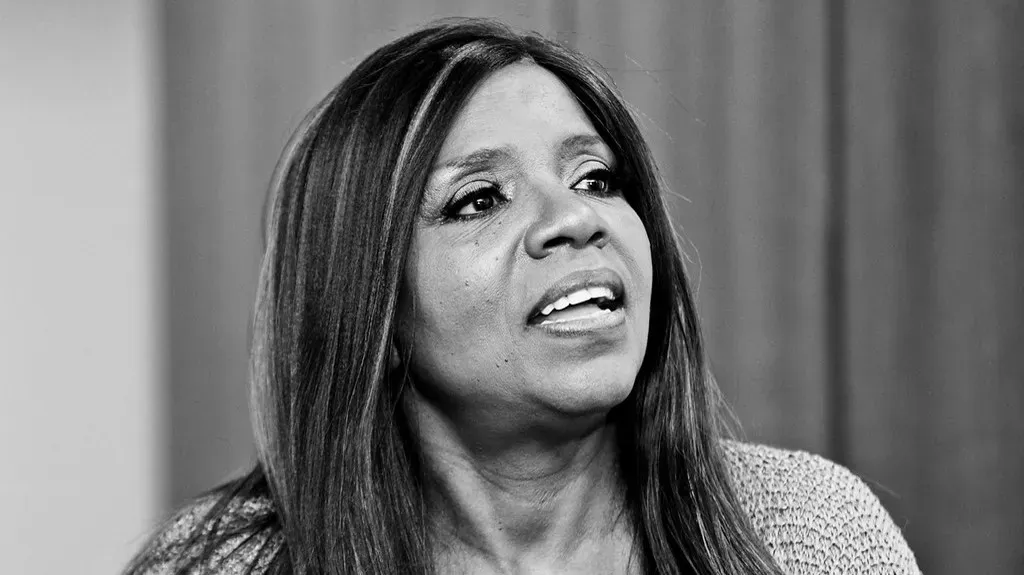
Gaynor recorded this disco classic in 1978 as a straightforward breakup song, a woman singing about getting over an ex and reclaiming her independence. It topped charts on its own merits, without any built-in symbolism beyond personal resilience.
Over the following decades it was embraced by the LGBTQ community as an anthem of survival and pride, sung at pride parades and used as a rallying cry through the AIDS crisis and beyond. Gaynor herself has spoken about being moved by how the song found a second, deeper meaning she never wrote into it.
6. “Y.M.C.A.” by Village People
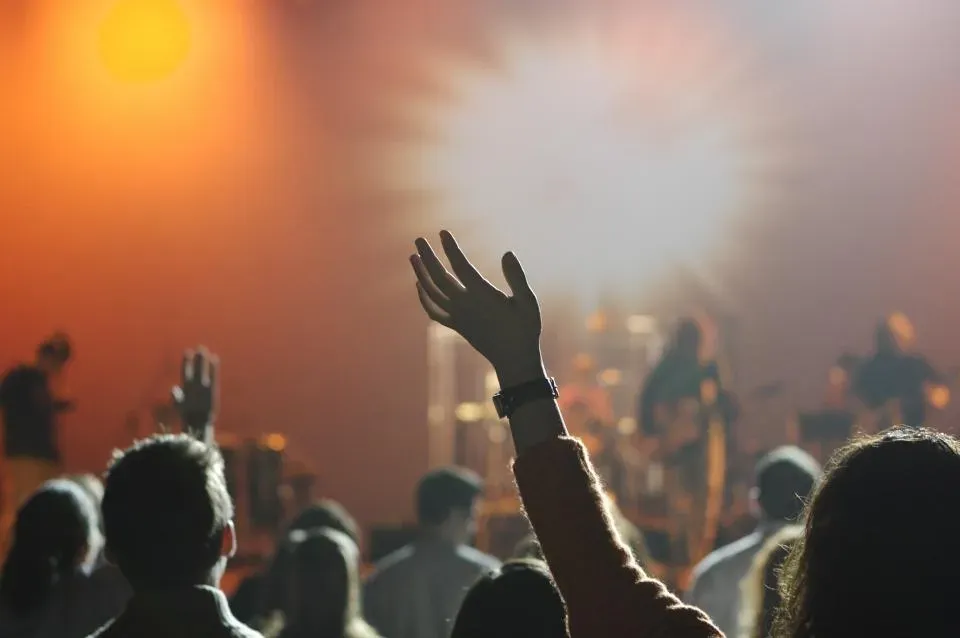
Released in 1978, this disco hit was written as an upbeat celebration of the YMCA as a place for young men to find community, complete with playful subtext about gay life in American cities. It was catchy, danceable, and largely apolitical on its surface.
Partner offer
It later became a staple at weddings, sporting events, and family gatherings worldwide, complete with its now-famous arm-spelling dance move that virtually nobody was taught but everyone somehow knows. The song’s original layered meaning mostly faded from public consciousness, replaced by its role as pure, universal party music.
7. “Livin’ on a Prayer” by Bon Jovi
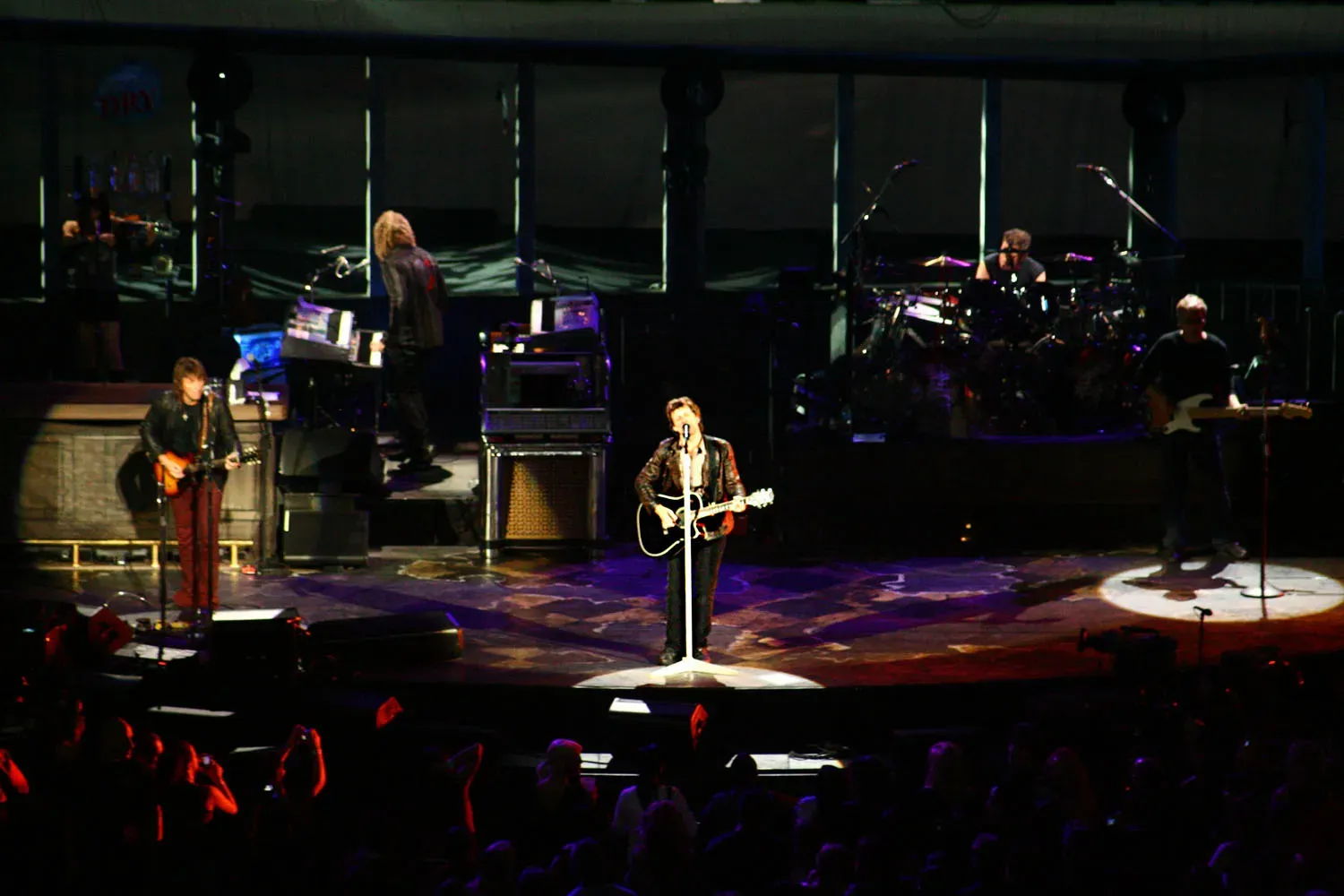
Jon Bon Jovi and Richie Sambora wrote this 1986 track as a narrative about two struggling characters, Tommy and Gina, scraping by on hope alone. It was meant as a story song about working class perseverance in a specific, fictional relationship.
It gradually became one of the most universally shouted songs at bars, weddings, and sporting events, particularly for its “we’ll give it a shot” chorus that fans latch onto as a stand-in for collective determination. Few singing along at full volume are thinking about Tommy or Gina specifically. They are thinking about themselves.
8. “Born in the U.S.A.” by Bruce Springsteen
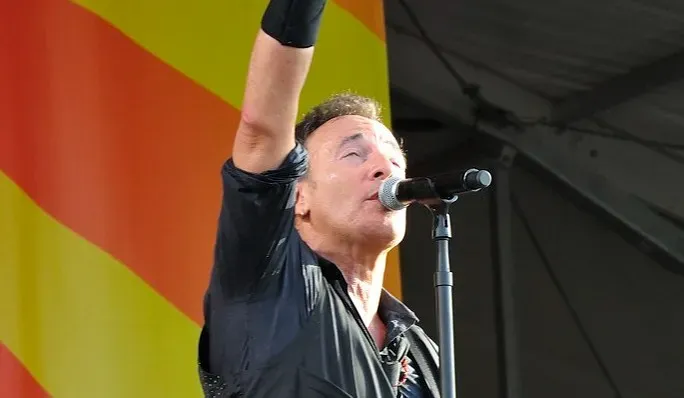
Springsteen wrote this 1984 title track as a pointed critique of how Vietnam veterans were treated upon returning home, layered with disillusionment rather than celebration. The music, however, was triumphant and stadium sized, which created a lasting mismatch between message and sound.
Politicians on both sides of the aisle have tried to co-opt it as a patriotic rallying cry over the decades, most famously during the 1984 presidential campaign, missing or ignoring the song’s actual critical tone. Springsteen has repeatedly pushed back on this misreading, yet the anthemic version of the song persists in public memory regardless of the lyrics underneath it.
9. “Fortunate Son” by Creedence Clearwater Revival
John Fogerty wrote this 1969 song as a sharp criticism of privileged Americans avoiding the burdens of the Vietnam War while working class families bore the cost. Its driving rock sound and repeated chorus made it instantly memorable, regardless of what the lyrics were actually saying.
Decades later it has been used in film trailers, sports broadcasts, and even military-adjacent contexts as a generic patriotic rock anthem, again completely inverting its original intent. Fogerty has spoken publicly about the frustration of hearing his protest song used this way, a pattern that mirrors what happened to Springsteen’s title track years later.
10. “Take Me Home, Country Roads” by John Denver
Written in 1971, this song was actually inspired more by a road in Maryland than by West Virginia specifically, a detail many fans still find surprising. Denver’s songwriting partners crafted the lyrics around a general feeling of longing for home rather than any deep regional research.
It nonetheless became deeply embedded in West Virginia’s identity, played at West Virginia University football games and treated by many residents as an unofficial state anthem, despite having no formal designation. The mismatch between the song’s actual origin and its adopted meaning has become part of its charm rather than a point of controversy.
11. “Somewhere Over the Rainbow” by Harold Arlen and E.Y. Harburg

Written for the 1939 film The Wizard of Oz, this song was composed as a simple expression of a young girl’s longing for a better, more colorful place than the one she knew. It had no connection to any social movement or cause at the time of its release.
Over the decades it was embraced by the LGBTQ community as a symbol of hope and belonging, tied loosely to the rainbow imagery and the phrase “friend of Dorothy.” Later, Israel Kamakawiwo’ole’s gentle ukulele version gave the song yet another life as a soothing, almost universal anthem of comfort, used at memorials and celebrations far removed from its original Hollywood context.
These songs share a common thread. None of their writers sat down intending to create something a crowd would chant, a community would rally around, or a stadium would erupt to. The meaning arrived later, shaped by the people who needed it, often in ways the original artist never fully anticipated and sometimes never entirely welcomed. That gap between intention and adoption is part of what makes popular music such an unpredictable, living thing.Partner offer
Planning a trip to Vegas?
Compare hotel rates and show tickets on VEGAS.com.