Ask ten critics for the best opening scene ever and you’ll probably get ten different answers. Outlets such as Collider, Screen Rant and The Independent each publish their own countdowns, and the orders rarely match. Some titles keep turning up anyway.
This gallery pulls from those recurring picks and arranges them from tenth to first. The order is a loose consensus, not an official tally. Each entry explains why critics keep returning to that scene.
10. Up (2009)
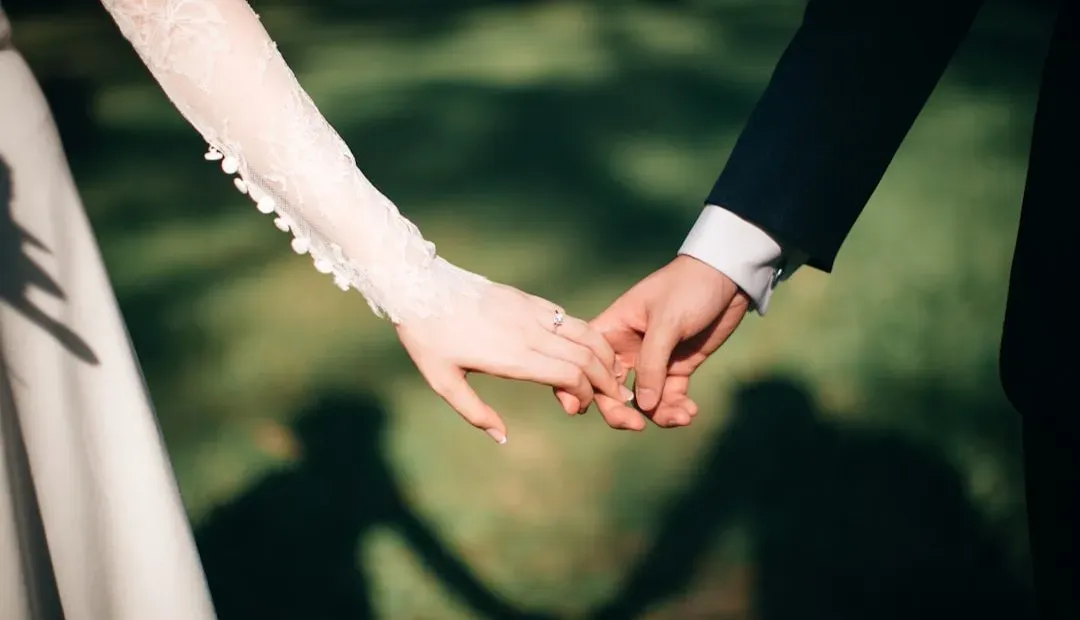
Pixar’s film tells a whole marriage in a few minutes. Boy meets girl, they fall in love, get married, learn they can’t have children, grow old together, and she dies before they can make their dream trip. Nobody needs to explain the story, because the images carry it.
Critics tend to praise it as proof that an opening doesn’t need spectacle. It’s a love story, full of tenderness and a sad ending. That emotional shorthand also makes the rest of the film land harder.
9. Vertigo (1958)
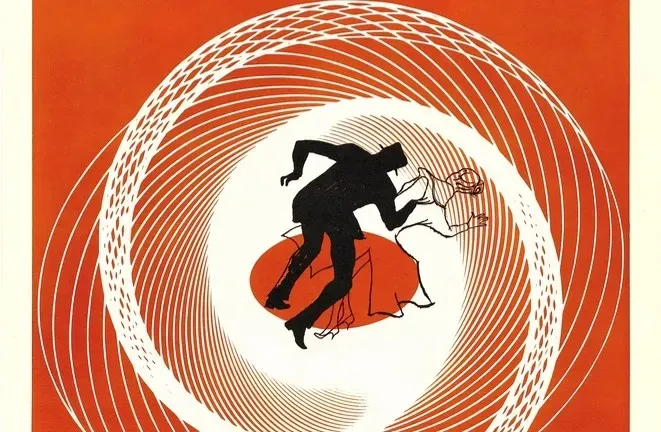
Hitchcock opens on a rooftop chase. Jimmy Stewart’s detective John “Scottie” Ferguson takes part in a pursuit that costs a fellow police officer his life. The death haunts the character for the rest of the film.
The scene also introduced a camera trick that’s still copied. It features Hitchcock’s first use of the dolly zoom, which evokes the effects of vertigo. Few opening minutes have given a film both its plot trigger and its visual signature so cleanly.
8. Casino Royale (2006)
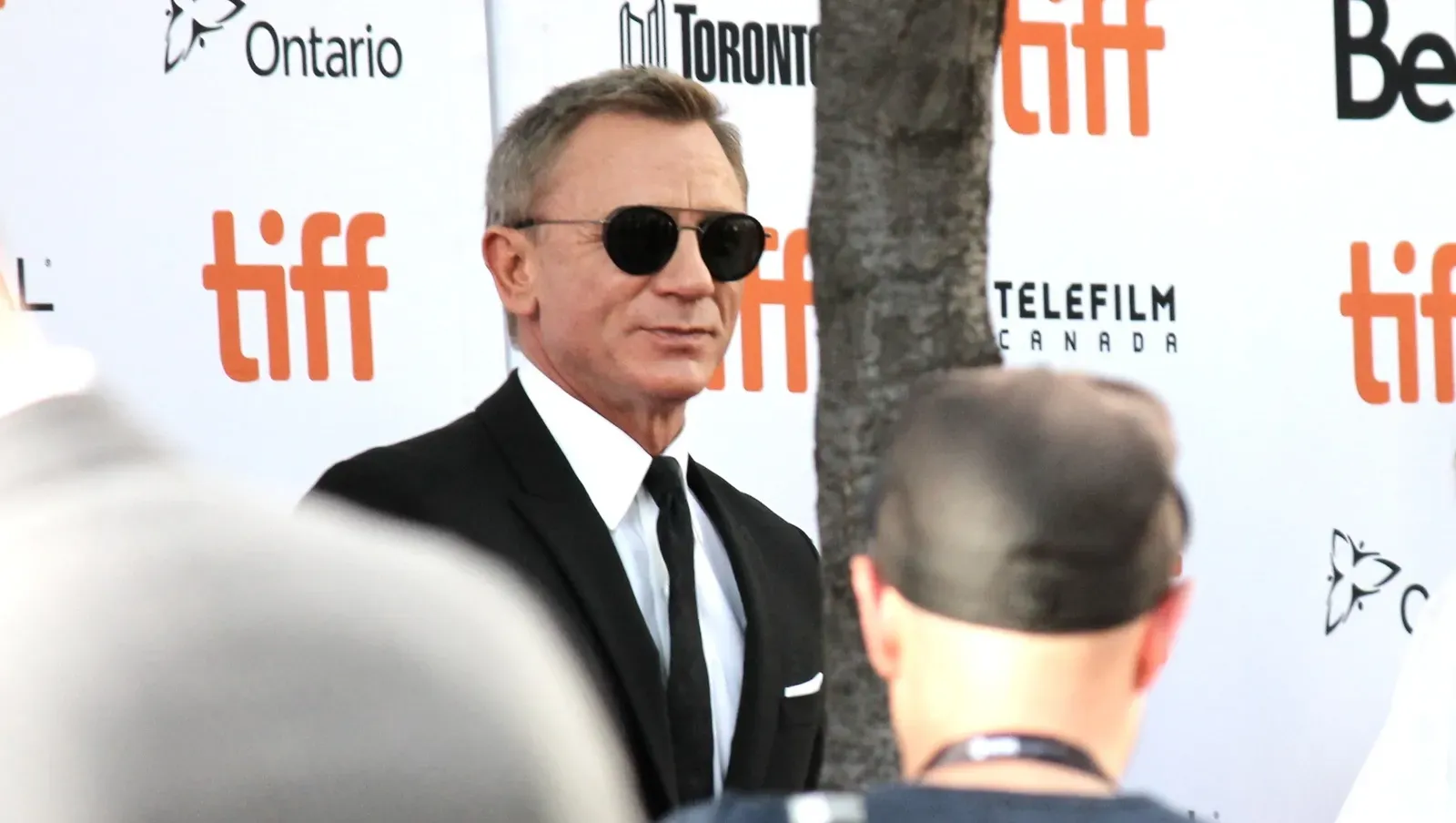
This Bond film starts in black and white and without any glamour. The opening strips away 007’s usual gloss to show the dirty work sometimes required. It’s a deliberate reset for a new actor in the role.
Critics like how little it relies on jokes. Bond completes his first two kills to earn his double zero status without any wisecracks. The tone it sets carries through the whole film.
7. The Matrix (1999)
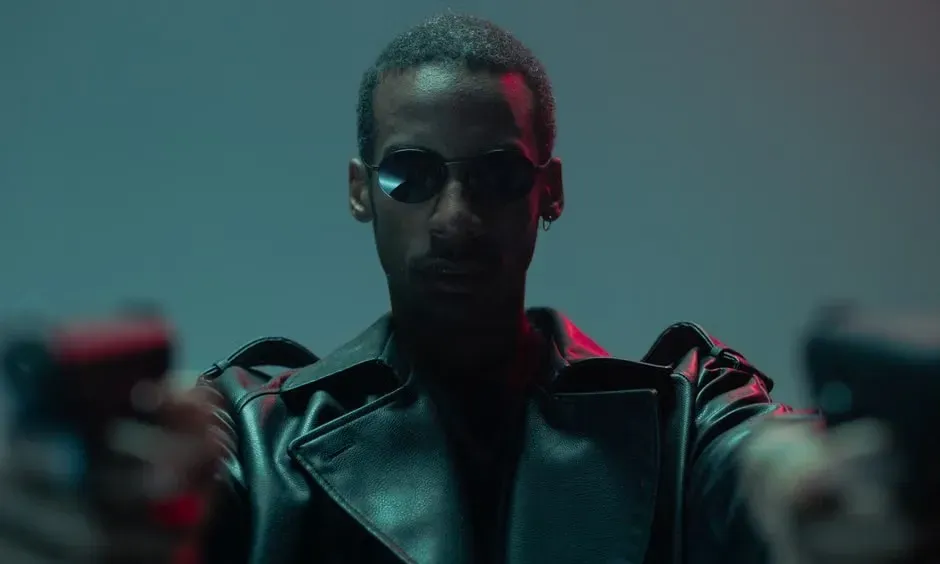
The film begins with a chase across rooftops. A police officer watches Trinity and an agent jump between buildings and calls it impossible. That reaction mirrors what audiences felt in theaters.
The scene also introduced a technique that many other films copied. Seeing the bullet time effect for the first time was mind blowing, even if the film has more memorable scenes. It works as a trailer for the film’s ambitions.
6. Scream (1996)
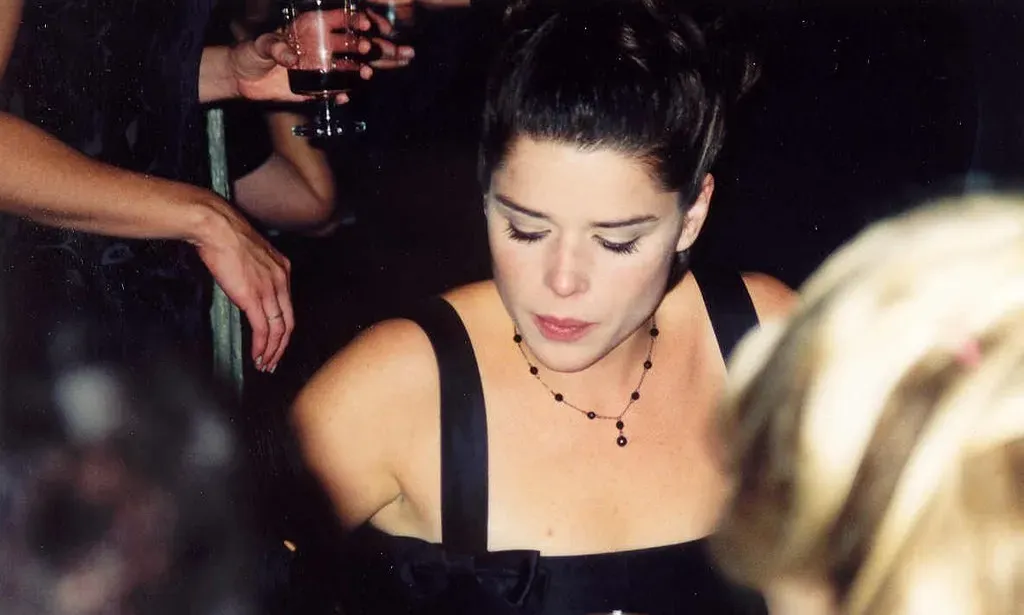
Wes Craven’s film begins with a phone call. Casey Becker, played by Drew Barrymore, gets a taunting call asking about scary movies. What looks like a prank turns sinister.
Partner offer
Critics point to the casting as much as the tension. The first Scream created the trope of killing off a character right at the start. The sequels have riffed on it ever since, but they can only imitate or subvert it.
5. The Lion King (1994)
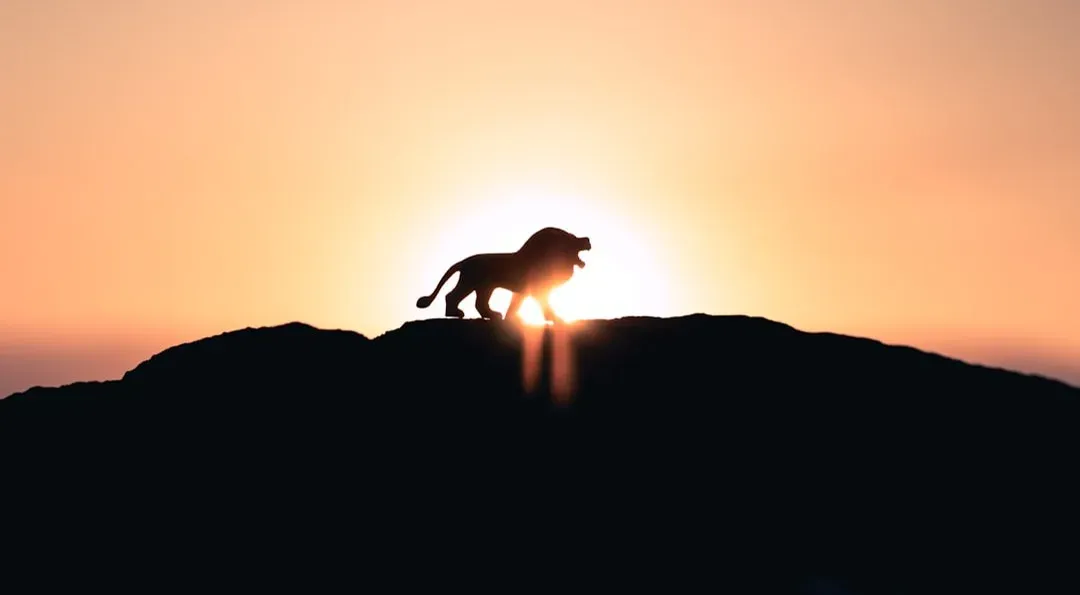
This one runs on music and images, with no dialogue at all. A great piece of music can do all the work, and the original Lion King is a prominent example. The song and the animation set the story’s scale at once.
The sequence also teaches the film’s central idea. Without a word of dialogue, it establishes the rule and strength of the Circle of Life, and it parallels the end of the film. That symmetry is part of why critics rank it so highly.
4. Touch of Evil (1958)
Orson Welles’s film is the technical benchmark on this list. The camera glides through a busy border town while following a car with a bomb hidden in its trunk. It’s one continuous shot, and it never feels showy.
The tension comes from patience. For three unbroken minutes, Welles builds tension as the car moves through crowds and across the border. Decades later, filmmakers still cite it when they discuss long takes.
3. Inglourious Basterds (2009)
Quentin Tarantino starts with a conversation, which is the opposite of most openings. SS Colonel Hans Landa talks politely with a French farmer while gradually revealing that he suspects Jews are hidden beneath the floorboards. No one raises a voice for most of it.
Collider’s ranking credits the scene with doing several jobs at once. It sets up Shoshanna’s entire arc and shows that Landa is viciously intelligent and always three steps ahead. The violence, when it comes, releases the tension rather than creating it.
2. The Dark Knight (2008)
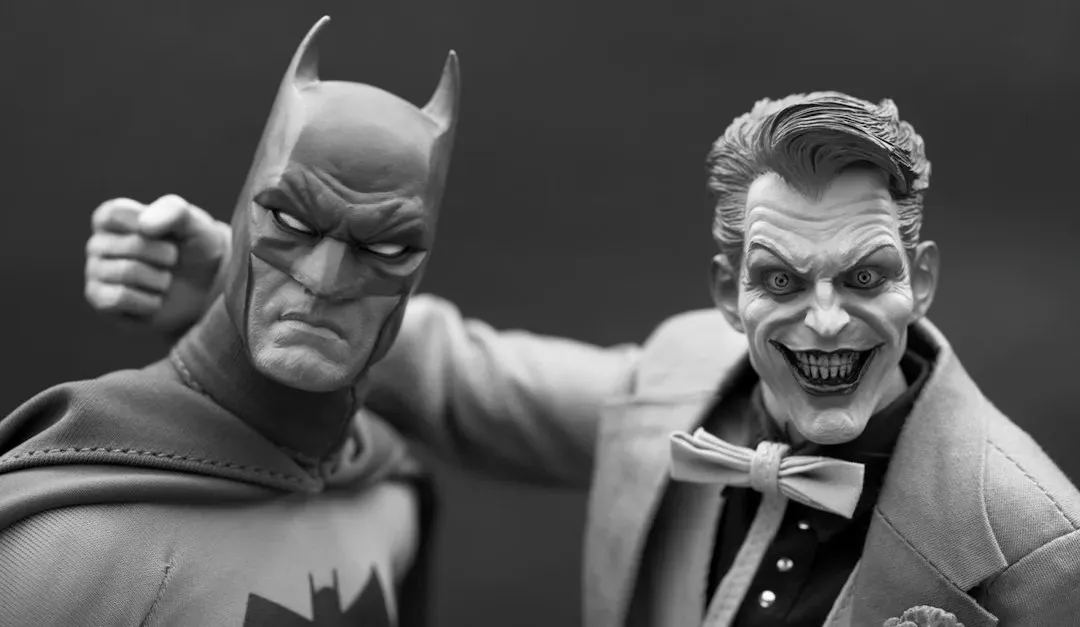
Christopher Nolan opens with a bank robbery. Shot in IMAX, it follows masked criminals who each betray the other until only the Joker is left. The heist seems familiar until the twists begin.
Critics value how fast it introduces the villain. It wastes no time plunging audiences into chaos. By the time the mask comes off, the film has shown who the Joker is without a speech.
1. Saving Private Ryan (1998)
Spielberg’s landing on Omaha Beach is the scene critics most often single out for realism. It features a large squadron of U.S. soldiers storming Omaha Beach on D Day. Collider’s list ranks it among the best ever.
One technicality is worth knowing. An IMDb list notes that the Omaha Beach scene is technically the second scene in the movie, so it wouldn’t qualify under strict rules. Most critics still treat the beach sequence as the film’s real opening.
Partner offer
Planning a trip to Vegas?
Compare hotel rates and show tickets on VEGAS.com.