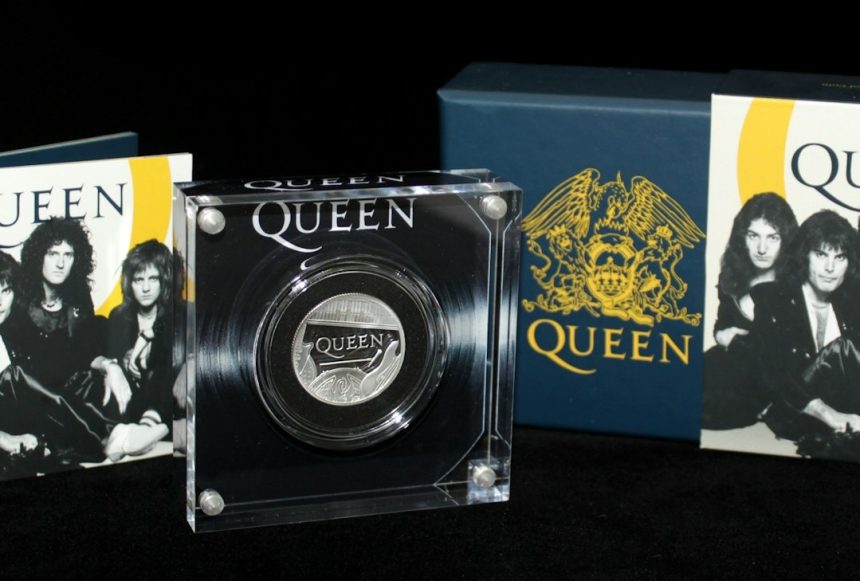
There’s a strange kind of magic in watching your mom go from calmly loading the dishwasher to belting out a chorus the second a certain song comes on the radio. She won’t miss a single word, not even the tricky bits, not even decades later. Some songs from the 1970s just wired themselves permanently into a generation’s memory, and these three are near the top of that list.
1. Dancing Queen by ABBA
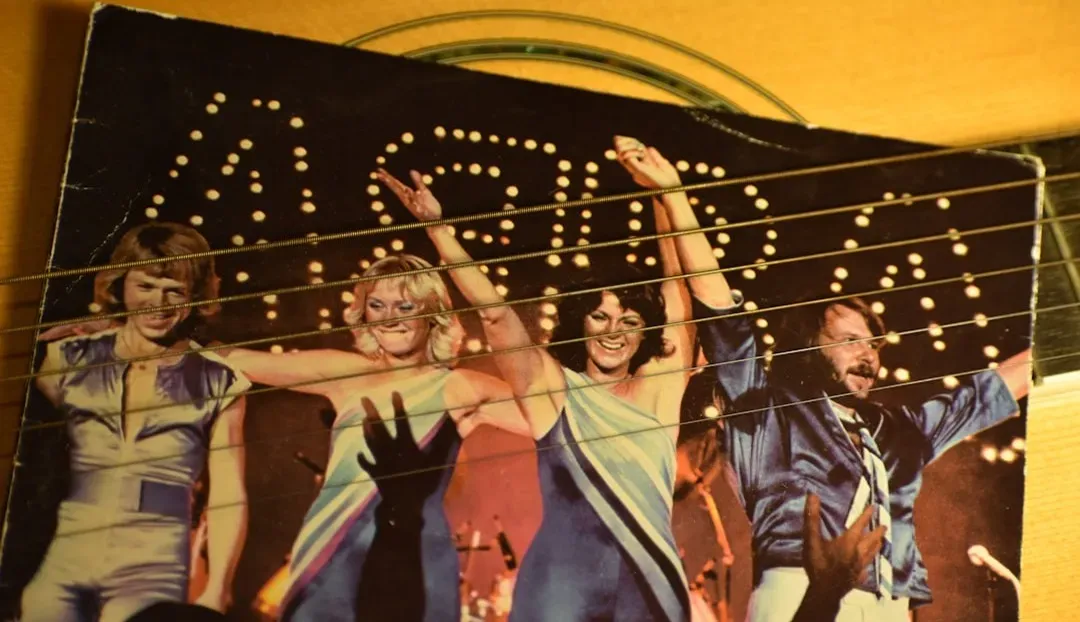
Released in the summer of 1976 as the lead single from ABBA’s album Arrival, “Dancing Queen” was released as the lead single from their fourth studio album, Arrival (1976). It became a global sensation almost immediately, and it was a worldwide No. 1 hit, topping the charts in more than a dozen countries including Sweden, Australia, Belgium, Brazil, Canada, Germany, the United Kingdom, Ireland, Mexico, the Netherlands, New Zealand, Norway, South Africa and Rhodesia. In the United States, it took its time climbing the charts but eventually became something special: it hit the top of the Billboard Hot 100, after an epic route there, on April 9, 1977, and remarkably, in the US, ABBA’s Top 10 total was four songs, just one of which topped the chart.
What makes this one stick in the memory is partly the sheer joy baked into it. Even now, it’s massively recognizable and beloved across generations, likely because the lyrics tap into that nostalgia for an era of being “young and sweet, only 17”. The song has aged into something closer to a cultural institution than a pop single, and its staying power shows in the numbers too, since it was recently found to be the second most popular wedding song of all time based on an analysis of 2,000 wedding related playlists, showing up on nearly one in five of them. If your mom was anywhere near a dance floor in the late seventies, there’s a very good chance she can still hit every “having the time of my life” without pausing to think.
2. I Will Survive by Gloria Gaynor
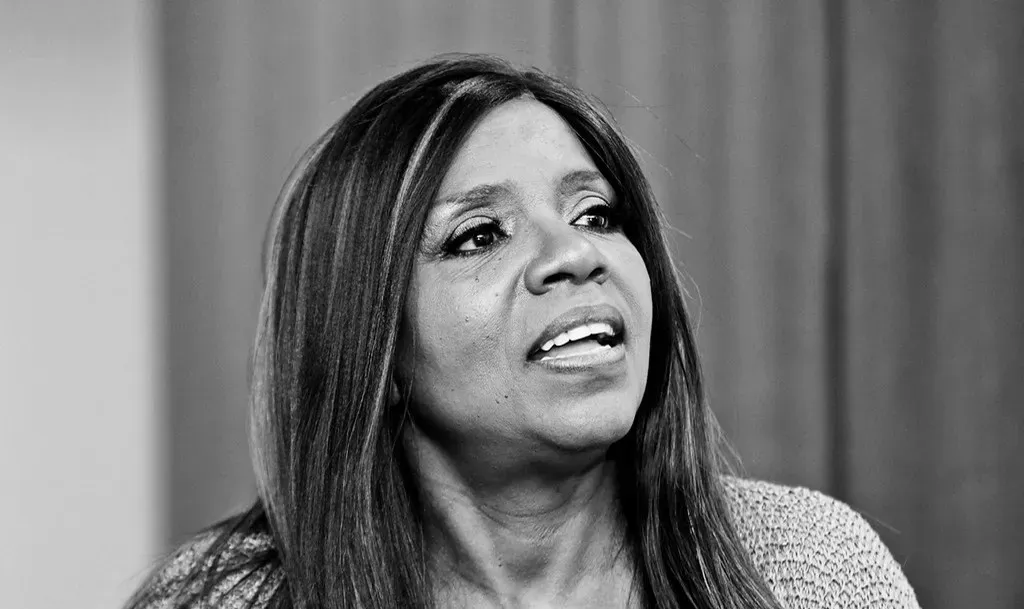
Few disco songs carry as much emotional weight as this one, partly because of the story behind it. In March 1979, Gloria Gaynor hit No. 1 in the US with the track that would become one of the era’s most anthemic songs, after being hospitalized with spinal injuries from a fall at a European concert. The song had a strange path to stardom too, since it wasn’t even meant to be the star of its own single. “I Will Survive” was originally released as a B-side to “Substitute,” but very quickly overtook the A-side in sales as it was widely embraced by the disco scene across the world.
Partner offer
Once it caught on, there was no stopping it. By March 1979, the song reached number one, where it remained for three weeks, and the momentum never really slowed. It went on to earn serious institutional recognition, since in 2016, “I Will Survive” was inducted into the National Recording Registry by the Library of Congress. The lyrics themselves practically demand to be sung at full volume, which is probably why so many moms who came of age in the disco era can still recite every line without missing a beat, especially that unmistakable opening about walking in with her head held high.
3. Bohemian Rhapsody by Queen
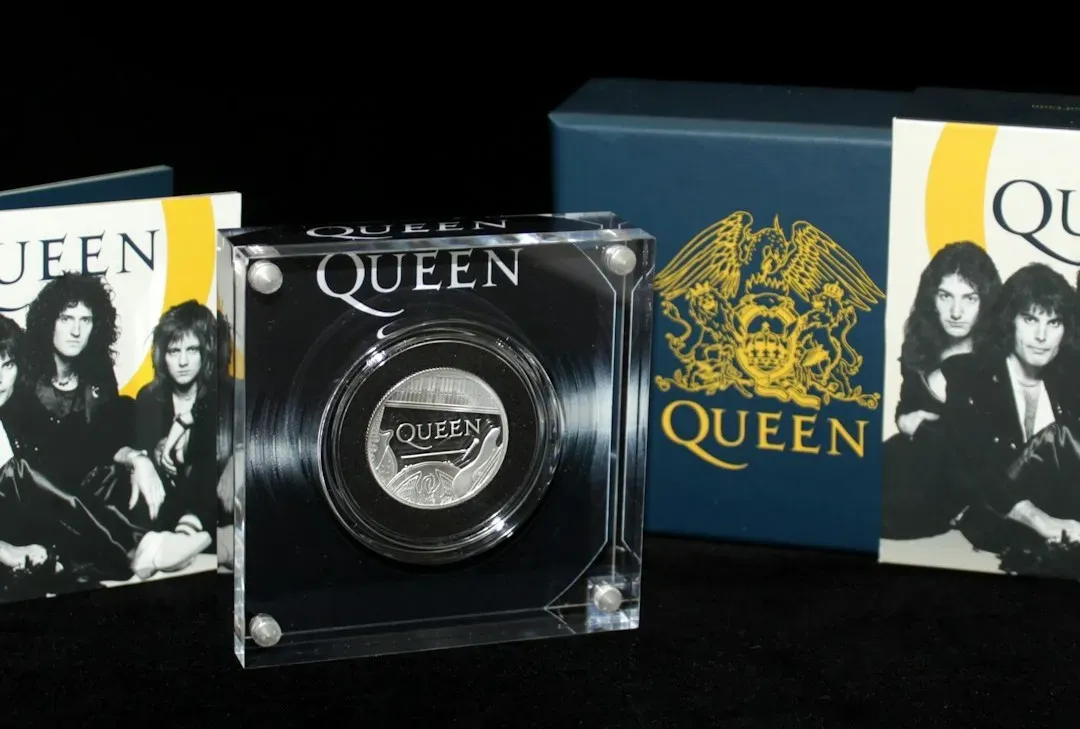
This one might be the ultimate test of whether someone truly knows a seventies song word for word, given how many sections and mood shifts it packs into under six minutes. “Bohemian Rhapsody” was released as the lead single from Queen’s fourth studio album, A Night at the Opera, in 1975. Despite doubts from record executives about its unusual length, Capital Radio DJ Kenny Everett played it fourteen times in one weekend and started the buzz that eventually pushed the single to No. 1.
Once it took hold, it simply did not let go. “Bohemian Rhapsody” topped the UK Singles Chart for nine weeks, plus another five weeks following Mercury’s death in 1991, and is the UK’s third best selling single of all time. Its cultural footprint has only grown with time, evidenced by the fact that in November 2025, Queen’s “Bohemian Rhapsody” topped the Official Singles Sales and Official Physical Singles charts in the U.K., more than 50 years after its original release, due to a vinyl re-release celebrating its 50th anniversary. If your mom can still nail the operatic section, complete with all the overlapping vocal parts, without stumbling, she’s not showing off. She just genuinely absorbed every second of it back when it first hit the airwaves. These three songs share something beyond just chart success. They were woven into everyday life at a moment when radio, record stores, and word of mouth carried music in a way that felt more communal than it does now. That’s likely why they never really faded, and why a certain generation can still recite them from memory without missing a syllable.
Partner offer
Planning a trip to Vegas?
Compare hotel rates and show tickets on VEGAS.com.