Some movies never show a monster, never spill a drop of blood, and still leave you checking the locks before bed. It’s a strange trick of filmmaking, using dread, tension, and unease as tools without ever technically crossing into the horror genre. These films borrow horror’s mood and pacing, then apply it to dramas, thrillers, or even quiet character studies, proving that fear doesn’t need fangs to work. What follows are nine films that critics and audiences alike have described as unsettling in ways that outpace their official genre labels. Some are psychological dramas, others are slow burn thrillers, but all of them tap into that same primal discomfort horror fans chase.
1. Requiem for a Dream (2000)
Darren Aronofsky’s addiction drama has no ghosts or killers, yet it’s frequently cited as one of the most disturbing viewing experiences in modern cinema. The hip hop montage editing style, paired with Clint Mansell’s now iconic score, creates a rhythm of escalating panic that mirrors the structure of a horror film far more than a typical drama.
The final act, often referred to by fans as the “descent into hell” sequence, uses body horror imagery, sound design, and rapid cross cutting that would feel at home in any horror anthology. Its lasting reputation as a film people watch once and never again speaks to how effectively it weaponizes dread without a single supernatural element.
2. Uncut Gems (2019)
The Safdie brothers built an entire film around anxiety, and it shows. Adam Sandler’s Howard Ratner spends nearly two hours making one bad decision after another, and the camera rarely lets the audience breathe, using tight framing and overlapping dialogue to create a suffocating sense of doom.
Critics at the time noted the film’s chaotic sound mixing and relentless pacing made it feel more like a horror movie than a crime thriller. There’s no killer stalking Howard, but the constant threat of violence from loan sharks and the ticking clock structure produce the same stomach churning tension horror fans know well.
3. mother! (2017)
Darren Aronofsky returns to this list with a film that critics couldn’t agree on, some calling it a masterpiece and others walking out mid screening. Jennifer Lawrence’s character is slowly stripped of control over her own home as strangers invade her space, and the home invasion setup alone borrows heavily from horror conventions.
The final forty minutes escalate into scenes of chaos and violence that pushed the film’s MPAA rating discussions, with some theaters reporting walkouts during its release. Whether read as biblical allegory or environmental parable, the visceral experience of watching it plays closer to a nightmare than a traditional drama.
4. Nightcrawler (2014)
Jake Gyllenhaal’s performance as Lou Bloom, a freelance crime journalist who becomes increasingly detached from morality, unsettles precisely because there’s nothing supernatural about him. He’s a plausible person, and that’s what makes the film’s slow reveal of his sociopathy so effective as a source of dread.
Director Dan Gilroy shoots Los Angeles at night with a cold, sickly color palette that mirrors classic horror cinematography. The film’s tension comes not from jump scares but from watching a predator hunt for footage, blurring the line between thriller and something closer to a slasher film without the slashing.
5. Whiplash (2014)
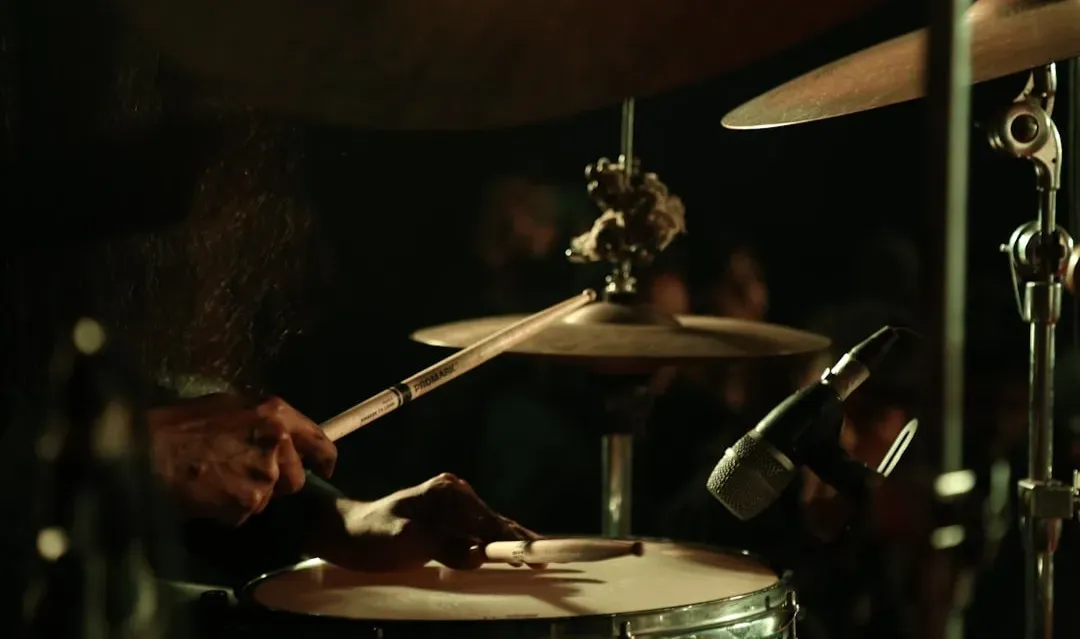
A jazz drumming drama might seem like an odd fit here, but Damien Chazelle’s breakout film uses horror movie techniques to depict the psychological abuse between a student and his instructor. J.K. Simmons’ Terence Fletcher functions almost like a slasher villain, appearing suddenly, screaming without warning, and creating dread every time he’s about to enter a scene.
Partner offer
The editing during the drumming sequences ratchets tension using the same techniques found in chase scenes, with close ups on sweat, blood, and exhausted faces. Audiences often describe a physical anxiety while watching, similar to reactions reported for actual horror films.
6. Gone Girl (2014)
David Fincher’s marriage thriller plays out like a slow motion horror story about how well we can really know another person. The film’s structure, revealing Amy’s diary entries as unreliable, creates the kind of dramatic irony that horror often relies on, where the audience knows more than the characters and dreads the reveal.
Rosamund Pike’s performance, especially in the film’s midpoint twist, has been compared by critics to classic femme fatale horror archetypes. Fincher’s clinical, cold visual style throughout amplifies the sense that something is deeply wrong beneath a seemingly normal suburban surface.
7. Prisoners (2013)
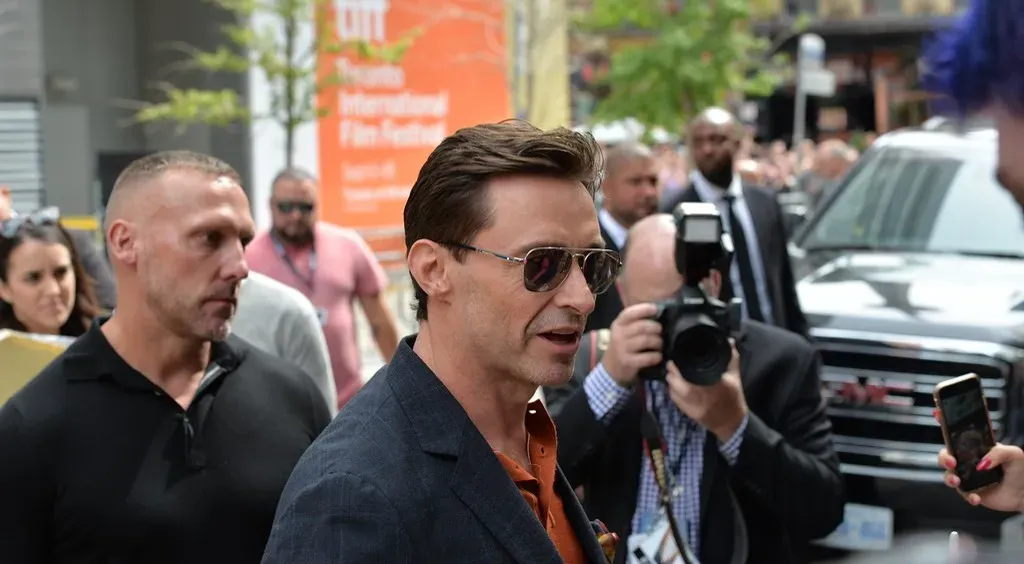
Denis Villeneuve’s crime drama about a father searching for his missing daughter carries a heavy, oppressive atmosphere that borrows directly from horror’s visual vocabulary. Roger Deakins’ cinematography drenches the film in muted grays and browns, evoking a sense of decay that mirrors the moral corrosion happening to Hugh Jackman’s character.
The scenes involving Paul Dano’s Alex Jones and later Melissa Leo’s character contain reveals structured with the same slow dread as any thriller, but the film’s willingness to sit in discomfort for extended periods pushes it into territory usually reserved for horror. Villeneuve has continued to explore similarly bleak tonal registers in later work, but Prisoners remains one of his most unsettling films to date.
8. The Lighthouse (2019)
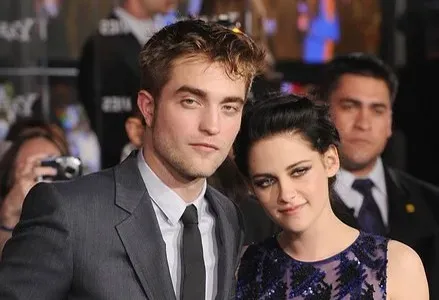
Robert Eggers followed his horror debut The Witch with a film technically classified as a psychological drama, though it’s hard to convince anyone who’s actually seen it. Two lighthouse keepers slowly lose their grip on reality in black and white, shot in a nearly square aspect ratio that makes the isolation feel physically claustrophobic.
Willem Dafoe and Robert Pattinson’s descent into madness includes hallucinations, mermaid imagery, and mounting paranoia that blur any clean line between drama and horror. Eggers has said in interviews that he wanted the film to feel like a fever dream, and critics broadly agreed the finished product plays closer to a horror fable than a straightforward period piece.
9. The Killing of a Sacred Deer (2017)
Yorgos Lanthimos took inspiration from Greek tragedy for this domestic drama about a surgeon whose family becomes cursed after a mysterious teenager enters their lives. The film contains no ghosts or demons, yet its detached, formal dialogue delivery and unnerving score create the same sense of inevitable doom found in classic horror.
Barry Keoghan’s performance as Martin has been singled out by critics for its quiet menace, delivering threats in a flat, unaffected tone that makes the horror feel more real precisely because it’s understated. The film’s slow escalation toward its violent conclusion follows a structure many reviewers compared directly to horror films built around inescapable curses.
These nine films prove that fear on screen doesn’t require a genre label to work. Dread, tension, and unease can live comfortably inside dramas, thrillers, and character studies, often becoming more effective because audiences don’t walk in expecting to be scared.Partner offer
Planning a trip to Vegas?
Compare hotel rates and show tickets on VEGAS.com.