Every industry likes to tell itself that talent always wins out eventually. Hollywood, though, has a habit of proving that timing and a chance encounter can matter just as much as raw ability. Some of the biggest names in film history did not climb a predictable ladder of auditions and callbacks. They were spotted in a bank line, overheard at a bar, or handed a role because someone happened to be in the right seat on a plane. What follows are twelve career origin stories that show how a single moment, more than any long-term plan, set an entire trajectory in motion.
Charlize Theron and the bank teller who wouldn’t cash a check

Long before Mad Max or her Oscar for Monster, Theron was a nineteen year old with very little money, trying to cash a check her mother had sent from South Africa. She later explained that she had moved to Los Angeles but couldn’t get an agent, and her mother had sent her a check to help pay the rent that she was trying to cash at a bank on Hollywood Boulevard. A clerk refused, and by her own account she “just went nuts.”
That outburst caught the attention of a stranger in line. On her way out, the man who had helped her gave her his card and said he would represent her if she was interested, and that man turned out to be the agent John Crosby, who also represented Rene Russo and John Hurt at the time. Within a few months she had landed a small, non speaking role in a horror sequel, and within a few years she was one of the most respected actresses of her generation.
Harrison Ford’s side job as a carpenter

Before Han Solo and Indiana Jones, Ford was a self taught carpenter building cabinets and studios for musicians around Los Angeles because acting work had dried up. After taking minor acting roles for Columbia and Universal, he soon fell back on a sideline career in carpentry. The popular version of the story says George Lucas discovered him mid job, but the real chain of events runs through casting agent Fred Roos.
Roos was an early champion of Ford’s and, having hired him for his carpentry skills, put him in American Graffiti as the big talking townie Bob Falfa. That bit part became the start of a film career built in earnest, and it happened to be the first major work of a young director named George Lucas. Four years later, Roos and Lucas would remember Ford again when they needed a smuggler with a fast ship.
Lana Turner and the soda fountain that wasn’t
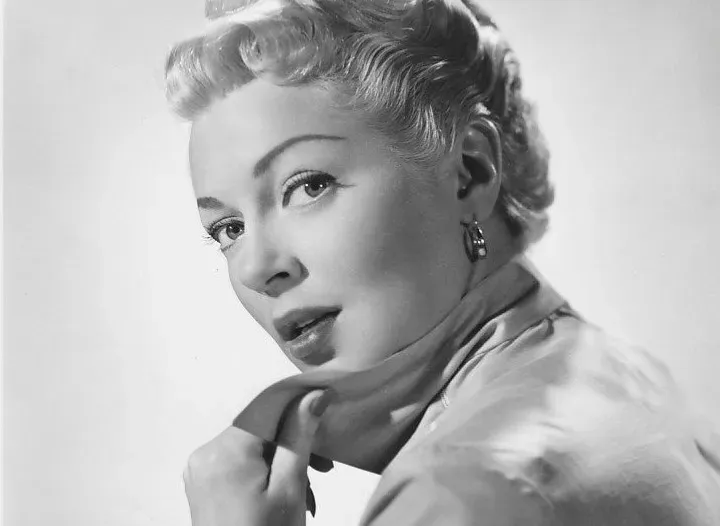
Turner’s discovery story is one of the most repeated tales in old Hollywood, and most people get the details wrong. The persistent legend says she was discovered by director Mervyn LeRoy at the soda counter of Schwab’s, but while the sixteen year old was indeed discovered at a soda counter, the location was actually the Top Hat Café further east on Sunset Boulevard.
The man who spotted her was not a director at all. Her actual discoverer was William Wilkerson, founder and publisher of The Hollywood Reporter, who did not offer her a contract on the spot but suggested introducing her to the agent Zeppo Marx. That introduction led to a studio contract within the year, and Turner went on to become one of the defining stars of the 1940s.
Marilyn Monroe’s factory floor photograph

In 1945, a young woman named Norma Jeane Dougherty was working an assembly job at the Radioplane Company in Burbank, inspecting parachutes and drone parts for the war effort. An Army photographer named David Conover had been sent to shoot women contributing to the war effort, and he noticed her immediately among the factory workers. The photos he took ended up circulating among modeling agencies, and within months she had signed with the Blue Book Modeling Agency.
That modeling work led to a screen test, and by 1946 she had her first movie contract and a new stage name. It is easy to forget that one of the most photographed faces of the twentieth century started out as a face in an assembly line, caught almost by accident in a wartime propaganda assignment. The rest of her career followed from that single afternoon at the factory.
Leonardo DiCaprio and the audition Robert De Niro insisted on

DiCaprio spent years auditioning for small television roles as a child, often losing parts because casting directors thought his acting looked too calculated for a kid his age. The turning point came when he auditioned for This Boy’s Life, a film that already had Robert De Niro attached as its lead. Studio executives reportedly favored a more experienced young actor for the supporting role, but De Niro pushed back and insisted on DiCaprio after watching him read. That single vote of confidence from one of the most respected actors in the business gave DiCaprio’s early career a credibility that no amount of commercial work could have provided. Within a couple of years he was nominated for an Academy Award for What’s Eating Gilbert Grape, and by his early twenties he was one of the most in demand young actors in the world. The break was not a chance meeting so much as one powerful person deciding to spend his credibility on an unknown teenager.
Johnny Depp and a phone call from Nicolas Cage
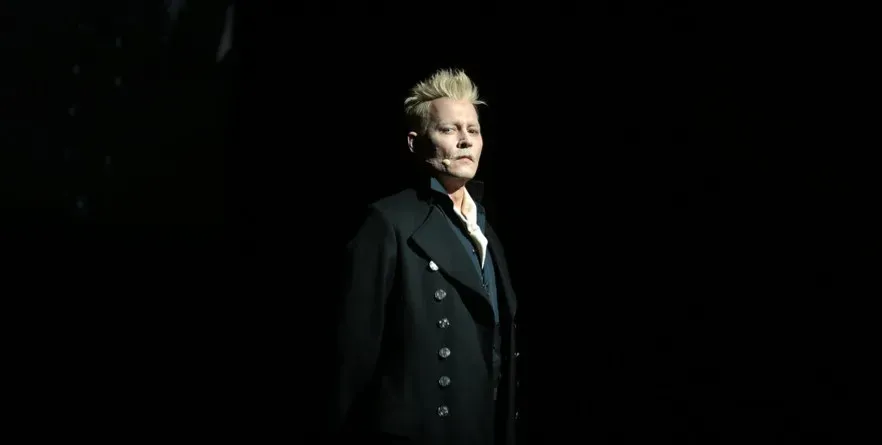
In the early 1980s, Depp was playing guitar in a struggling Florida rock band, not an aspiring actor by any real design. After moving to Los Angeles with his band and watching that plan collapse, he happened to meet Nicolas Cage, who was already an established young actor at the time. Cage liked Depp enough to suggest he try acting and put him in touch with his own agent. That single introduction led directly to an audition for A Nightmare on Elm Street, where Depp landed his first film role in 1984. It was a modest part in a horror movie, nothing that suggested a future outside the genre, but it opened the door to the television series 21 Jump Street a few years later. Without Cage’s phone call, there is a real chance Depp would have stayed in the music scene rather than the movie business.
Channing Tatum’s chance encounter with a modeling scout

Tatum spent his early twenties in Tampa, Florida, working odd jobs and unsure of what direction his life was heading in. He has described being approached by a modeling scout while out with friends, an encounter that led to his first professional bookings and eventually a move toward acting. It was not a career he had been chasing; by his own account, modeling and then acting found him rather than the other way around. That initial scouting led to work that gradually built into small film roles, and by the mid 2000s he had landed the lead in Step Up, the film that made him a recognizable name. The path from a chance meeting at a mall to a leading man career in Hollywood is unusual even by the industry’s own standards. Tatum has since built a career on the kind of self aware charm that suggests he never fully expected any of it to happen.
Kevin Costner’s conversation with Richard Burton on a plane
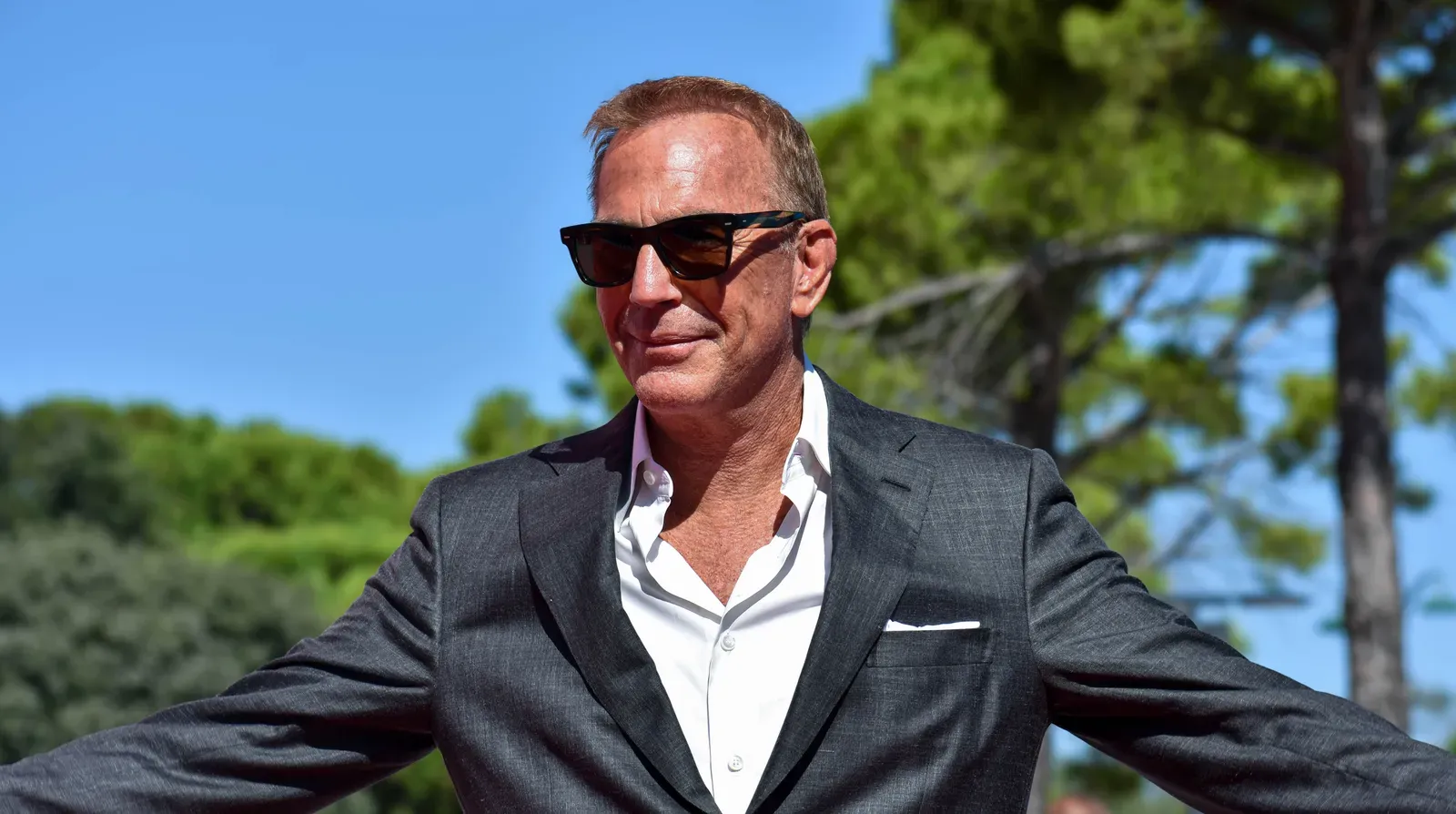
Costner has told the story for decades in interviews: as a young married man returning from his honeymoon, he found himself seated near Richard Burton on a flight and struck up a conversation. At the time, Costner was seriously considering giving up on acting altogether and taking a more conventional job to support his new family. Burton, hearing him talk about walking away, told him plainly not to quit, insisting that he had what it took to make it. Whether or not that single conversation was the deciding factor, Costner has repeatedly credited it with changing his mind at a moment when he was ready to abandon acting entirely. He stuck with it through years of small roles before breaking through in the mid 1980s. It is a rare example of a lucky break that came not from a casting decision but from a piece of blunt encouragement at exactly the right moment.
Reese Witherspoon’s discovery as a teenager in Nashville

Witherspoon grew up in Nashville with no particular plan to become an actress, but a talent scout spotted her locally while she was still in her early teens. That attention led to an audition for her first film, The Man in the Moon, released in 1991 when she was fourteen years old. She had almost no formal training at the time, just the kind of natural screen presence that made the filmmakers cast her over more experienced contenders. That first role did not turn her into a star overnight, but it gave her a foothold that most aspiring young actors never get without years of unpaid work first. She spent the rest of the 1990s building steadily toward the leading roles that would define her career. It is a reminder that being discovered young does not guarantee instant success, only an earlier starting point than most.
Jim Carrey’s tour with Rodney Dangerfield
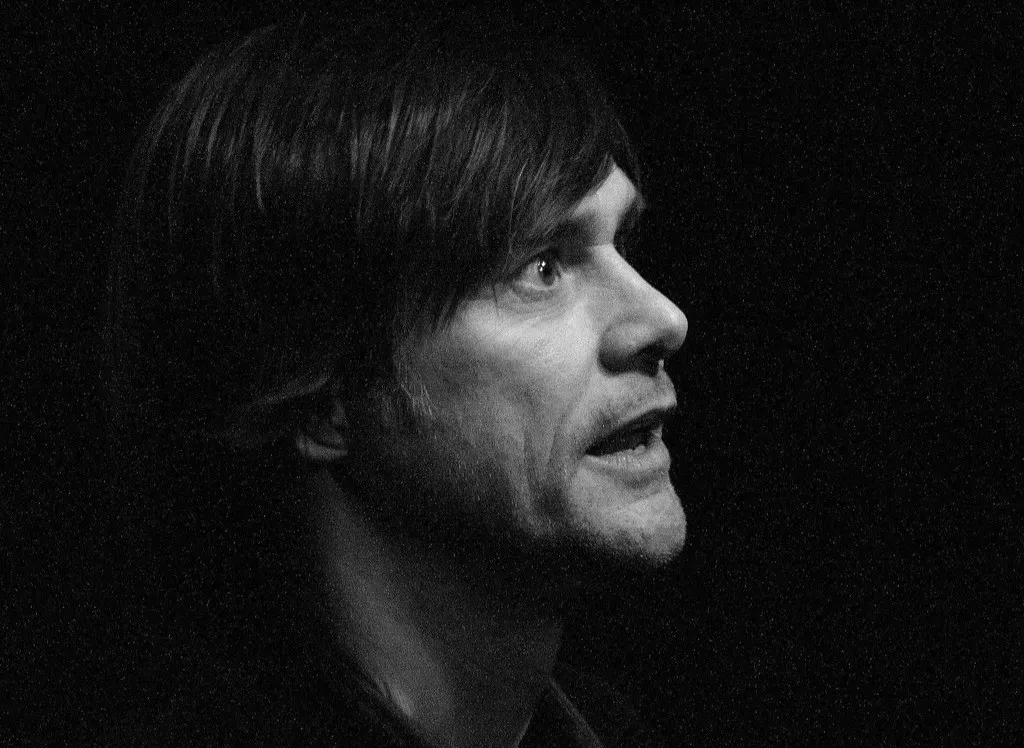
Carrey spent years grinding through stand up clubs in Toronto and Los Angeles before Rodney Dangerfield, already an established comedy star, caught one of his sets. Dangerfield liked what he saw enough to bring Carrey on as an opening act for his own national tour, exposing him to far larger audiences than he could have reached on his own. That kind of endorsement from a headliner carried real weight in the comedy world of the 1980s. The tour gave Carrey visibility that translated into television and film opportunities he would not have gotten through clubs alone. Within a few years he had a recurring spot on In Living Color, and by the early 1990s he was headlining his own comedies. Dangerfield’s decision to bring an unknown comic on the road is one of those quiet acts of generosity that rarely gets as much attention as the discovery stories built on chance encounters.
Eddie Murphy’s early nights at the Comic Strip
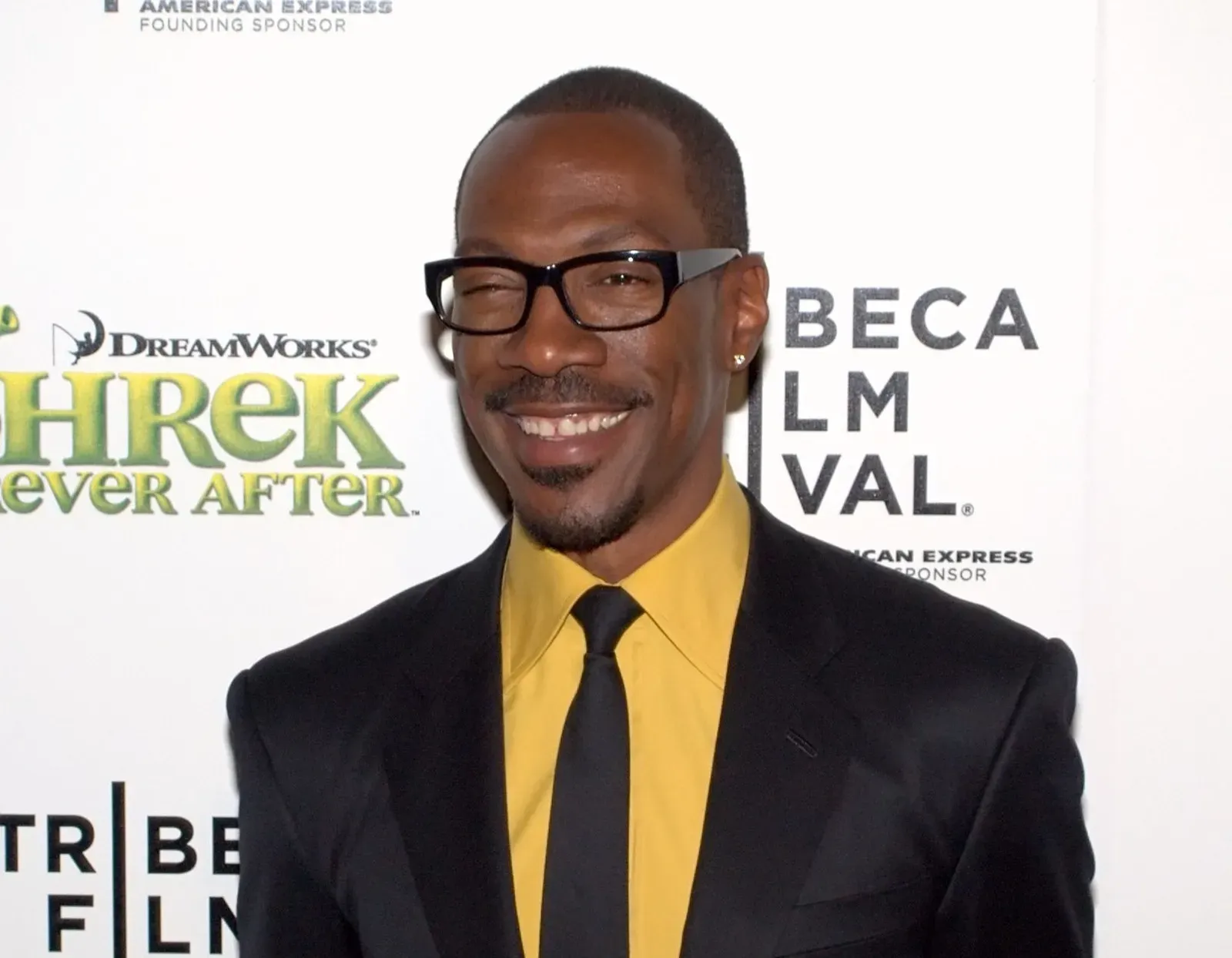
Murphy began performing stand up at New York’s Comic Strip club as a teenager, well before he was old enough to be taken seriously by most club owners. His persistence and natural timing on stage eventually caught the attention of talent scouts connected to Saturday Night Live, which was searching for new cast members during a rocky transitional period for the show. He was brought on at nineteen, making him one of the youngest cast members in the show’s history at that point. That single opportunity on SNL turned into the platform that launched his entire film career, from 48 Hrs. to Beverly Hills Cop within just a few years. Few performers have moved from unknown club comic to global movie star as quickly as Murphy did once that door opened. It remains one of the clearest examples of how a single casting decision, made under pressure and out of necessity, can end up reshaping an entire career trajectory.
Matthew McConaughey’s night at the Hyatt bar
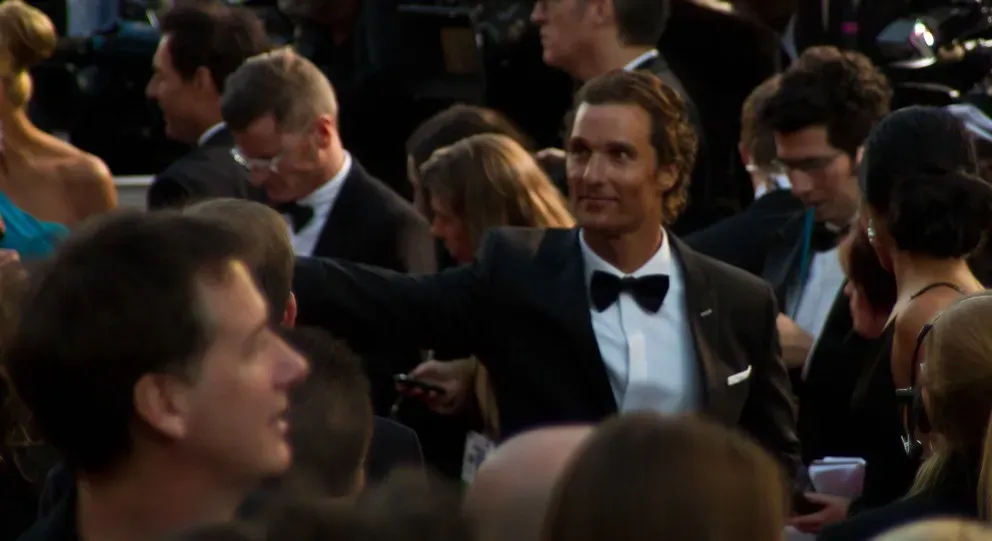
McConaughey was a twenty three year old film student in Austin who almost did not go out on the night that changed his career. According to an oral history of the film, he reluctantly gave in to his girlfriend’s push to go out for drinks, and once at the bar their bartender friend pointed out casting director Don Phillips, who had cast Sean Penn in Fast Times at Ridgemont High.
McConaughey introduced himself, and the two hit it off almost immediately over vodka tonics. Phillips was in town working on a movie, and before the night was over he had offered McConaughey a small part in the film he was casting, which turned out to be Dazed and Confused. A minor role written as three scenes eventually grew into one of the most quoted performances of the 1990s, all because a bartender decided to make an introduction.
The stories above have little in common except how they end. A discovery at a bank counter or a factory floor carries the same weight, in hindsight, as a producer walking into a bar at the right moment. What separates these performers from the thousands of equally talented people who never got that same moment is simply that someone else happened to be paying attention when it counted.