Most albums follow a fairly predictable arc. A band writes the songs, walks into the studio, and executes the plan. The result is usually fine. Occasionally it’s great. But then there are those rare moments in recording history when something breaks mid-session – an argument, a breakdown, a sudden and irrational creative conviction – and the album that comes out the other side bears almost no resemblance to the one that was originally intended. Those are often the albums that last.
The five records below each hit a turning point inside the studio. In some cases the shift was personal and forced. In others it was intellectual and deliberate. In all of them, the decision to change course rather than stay comfortable produced something that reordered the landscape of popular music entirely.
Fleetwood Mac – Rumours (1977): When Chaos Rewrote the Blueprint
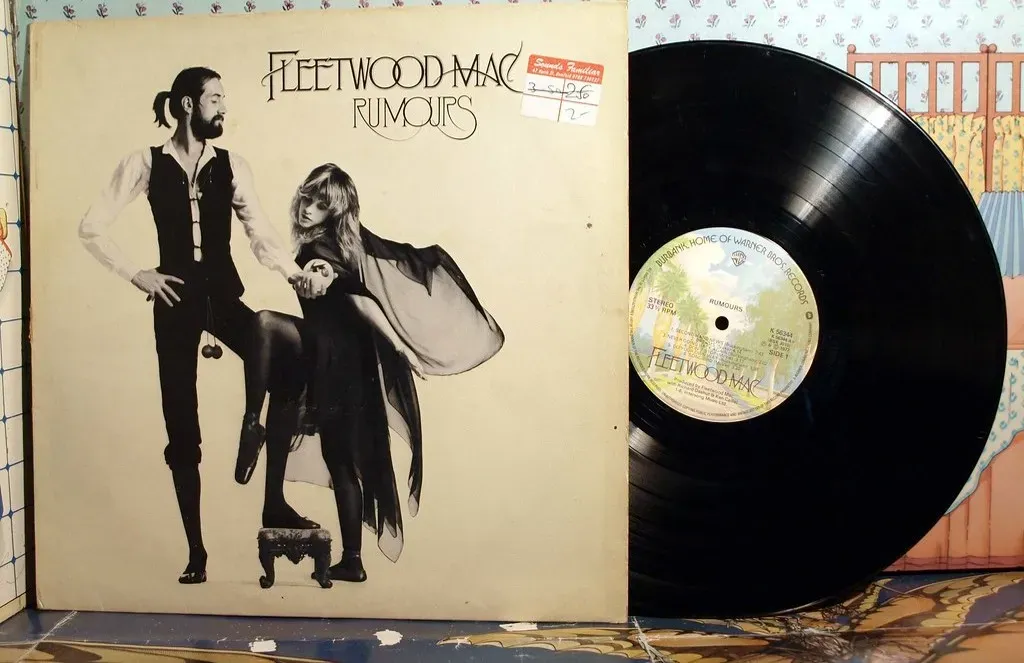
Recorded with the intention of making “a pop album” that would expand on the commercial success of their 1975 self-titled record, Rumours was supposed to be a relatively clean follow-up. What no one could have planned for was the state of the five people in the room. The recording sessions took place as the band members dealt with breakups with one another and struggled with heavy drug use, both of which shaped the album’s direction and lyrics.
Christine McVie and John McVie were legally separating while working on the album, keeping conversations minimal in the control room. Lindsey Buckingham and Stevie Nicks had recently ended their long partnership, which produced explosive arguments in hallways and quiet, pointed performances in the booth. The album that emerged from this dysfunction wasn’t just polished pop. It became something far more raw and emotionally precise. Rumours stayed atop the charts for 31 weeks, won the Grammy for Album of the Year, and became one of the biggest selling albums of all time, with more than 45 million copies sold.
The Beatles – Sgt. Pepper’s Lonely Hearts Club Band (1967): Inventing Themselves From Scratch
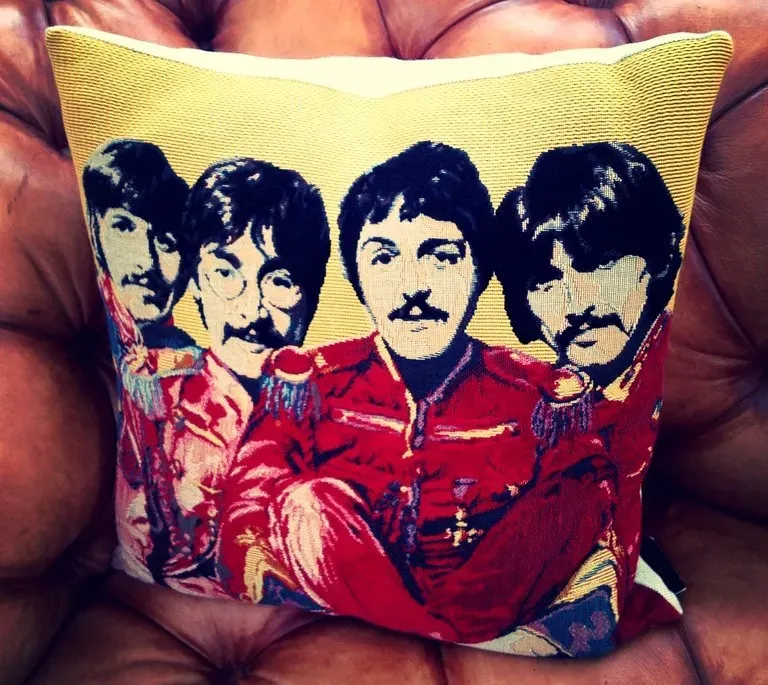
In the autumn of 1966, the Beatles wanted to call the Beatles quits. Their fame had hemmed them in, surrounded them with trouble. They had permanently stepped off the touring circuit and entered the studio with no firm concept, no identity, and no obvious road forward. Sessions began on 24 November at EMI Studios with compositions inspired by the Beatles’ youth, but after pressure from EMI, the songs “Strawberry Fields Forever” and “Penny Lane” were released as a double A-side single in February 1967 and left off the LP.
The album then pivoted entirely. McCartney suggested they invent an identity and work from inside the conceit of an alter-ego band making a record. “Everything about the album,” McCartney said, “will be imagined from the perspective of these people, so it doesn’t have to be us.” That creative fiction gave the band the permission they needed to experiment without restraint. After a record-breaking 700 hours to record the 13 songs on Sgt. Pepper’s Lonely Hearts Club Band, it quickly gained a million orders even before its release. The Beatles’ first album, by comparison, had been recorded in roughly ten hours.
Radiohead – Kid A (2000): Burning the Guitar Down
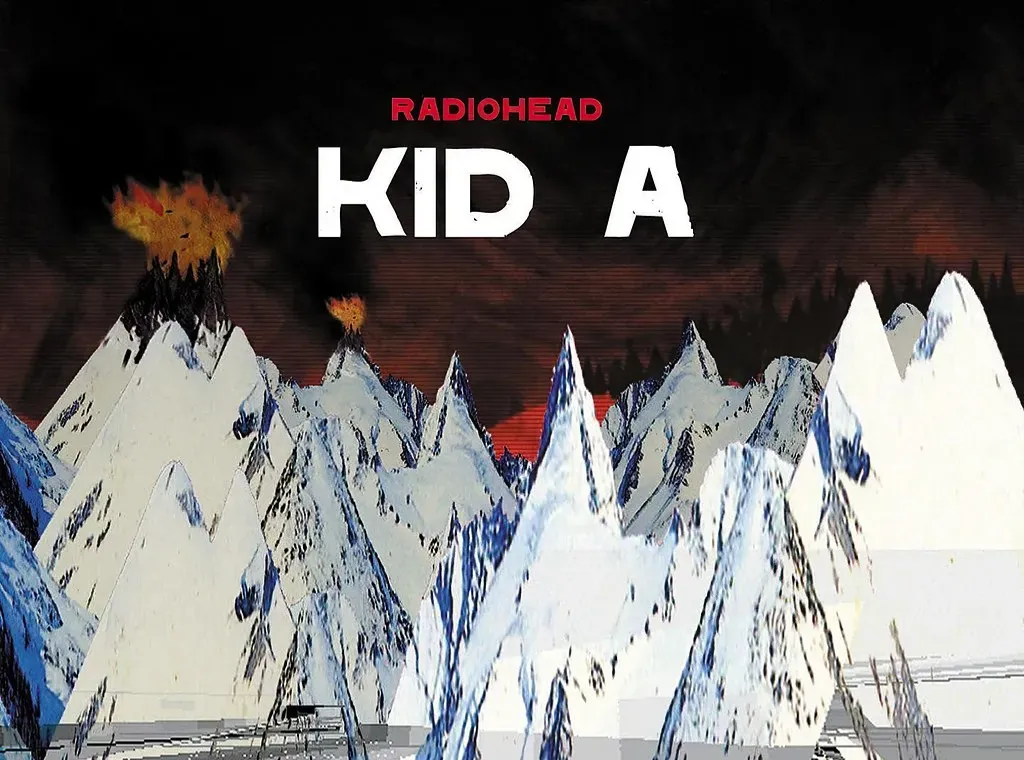
On the verge of a breakdown after promoting their 1997 album OK Computer, songwriter Thom Yorke envisioned a radical change in direction. The rest of the band expected to carry on making guitar-driven art rock. Guitarist Ed O’Brien wanted to strip the band’s style down to direct, three-minute guitar pop songs, while Yorke felt their past efforts with rock music had “missed the point.” Yorke said he had “completely had it with melody” and “just wanted rhythm.”
The early stages of recording for Kid A were a fraught time for Radiohead, which saw them abort attempts at several studios before finding their groove. Behind most of this turmoil was Yorke’s desire to subvert completely their original style in favour of a more abstract, rhythmic, electronic sound. The other band members were unsure of how to contribute, and considered leaving. In the end, patience – or perhaps necessity – won out. Kid A was both a commercial success and a critical darling. It debuted at number one on the UK Albums Chart and the US Billboard 200, an impressive feat for an album with no singles.
Nirvana – In Utero (1993): Deliberately Undoing Their Own Hit

Nirvana broke into the mainstream with Nevermind in 1991. Despite modest sales estimates, it was a major commercial success, popularizing the grunge movement and alternative rock. Nirvana expressed dissatisfaction with the sound of the album, citing its production as too polished. Kurt Cobain had no intention of repeating it. He wanted to do anything but make more pop-oriented rock music. In fact, he was so disillusioned with how popular Nirvana had become that he was dead-set on releasing a follow-up that would alienate Nirvana’s new fanbase.
Cobain chose producer Steve Albini because he had produced two of his favorite records, Surfer Rosa by the Pixies and Pod by the Breeders. Cobain wanted to use Albini’s technique of capturing the natural ambience of a room via the placement of several microphones, something previous Nirvana producers had been averse to trying. The resulting record was confrontational enough that after recording finished, rumors circulated that DGC might not release it due to Albini’s abrasive and uncommercial sound. It reached number one on the US Billboard 200 and UK Albums Chart anyway, with “Heart-Shaped Box” and “All Apologies” reaching number one on the Billboard Alternative Songs chart.
The Beatles – Sgt. Pepper’s… Wait, and Fleetwood Mac’s Original Producer Was Also Fired Mid-Session

Actually, the fifth entry here stands apart from the others precisely because the mid-recording pivot wasn’t artistic – it was operational, and it reshaped everything. Fleetwood and John McVie fired their producer Keith Olsen mid-session because he favoured a lower emphasis on the rhythm section. The band then brought in Ken Caillat and Richard Dashut, two relatively inexperienced producers, and rebuilt the recording process from the ground up. The band members were often at odds, yet this tension fueled their creativity. Producers Ken Caillat and Richard Dashut played a crucial role, guiding the band through the tumultuous process.
The structural reset coincided with the deepening personal chaos inside the band, making the two pivots – the producer change and the emotional rupture – mutually reinforcing. Rumours shaped songwriting and production approaches in pop and rock, encouraging confessional lyricism paired with polished arrangements. Artists across genres have cited the album’s tight harmonies, layered guitars, and radio-ready mixes as models for blending personal narrative with commercial appeal. The lesson embedded in that producer swap is deceptively simple: sometimes the clearest creative decision is the one nobody wants to make.
What connects all five of these records isn’t just the pivot itself – it’s what the pivot cost. In every case, someone in the room had to absorb real uncertainty, real conflict, or real fear of failure before the better album could come through. The detours weren’t incidental to the greatness. They were the mechanism of it.