Most writers dread losing a draft. A few have gone the other way and destroyed their own pages on purpose, whether in a stove, a fireplace or a coffin.
The reasons differ: religious guilt, political fear, embarrassment, grief. What they share is how the stories ended, because in several cases the writer wished the act undone, or the work turned up anyway.
Dante Gabriel Rossetti and the Poems in the Coffin
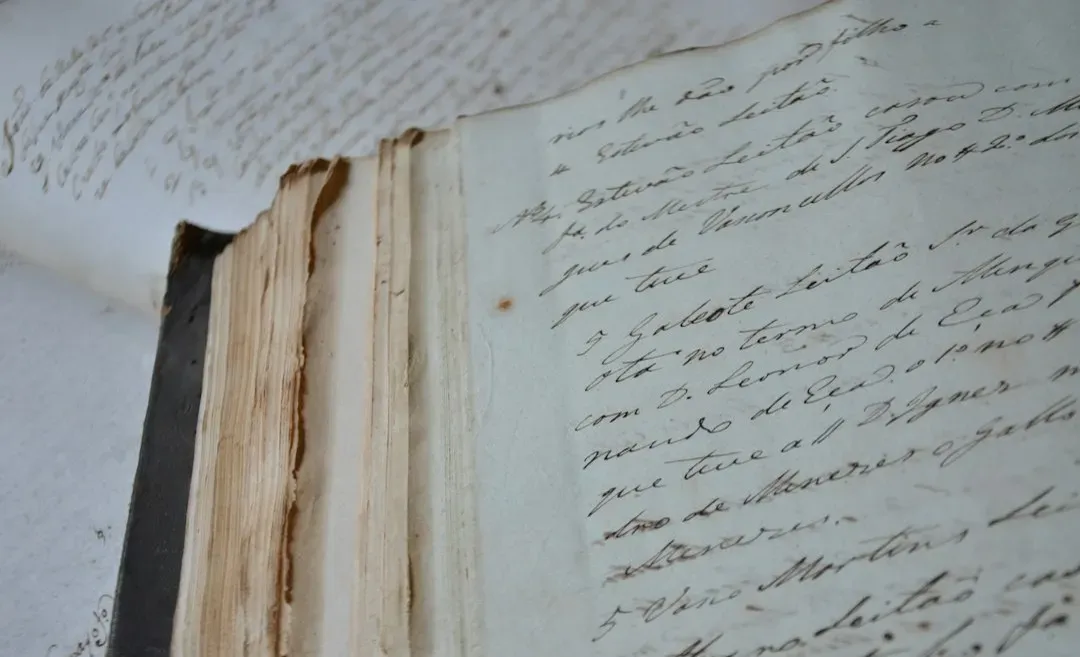
When his wife Elizabeth Siddal died of a laudanum overdose in 1862, Rossetti placed the only copy of his handwritten poems beside her in the coffin. It was a grief gesture, and he reportedly felt that poetry had been tied up with his neglect of her.
Seven years later, friends persuaded him to retrieve the manuscript. The grave was opened in October 1869, and the book was recovered and copied. His collected Poems appeared in 1870, though the episode haunted his reputation for the rest of his life.
Nikolai Gogol and the Second Half of Dead Souls
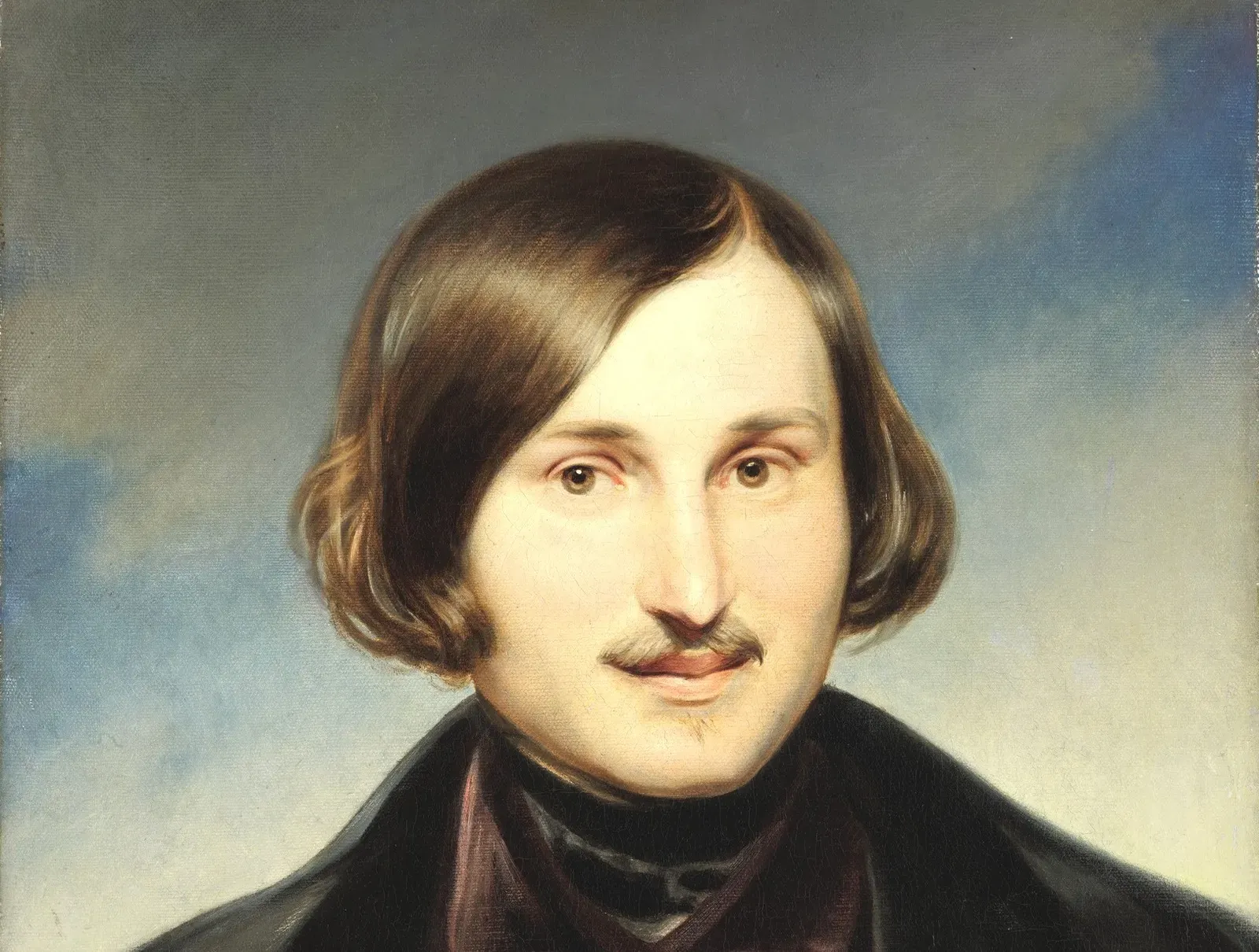
Gogol published the first part of Dead Souls in 1842, then spent years struggling with a sequel. In February 1852, in Moscow, he burned the manuscript of the second part in his fireplace.
He was in a severe religious and mental crisis at the time, under the influence of a strict confessor. He died only days later, and some pages survive only as partial drafts. Historians still debate whether he meant to burn the whole text or acted in a fit of despair.
Gerard Manley Hopkins and the Slaughter of the Innocents

In 1868, Hopkins decided to enter the Jesuit order. He burned the poems he had written up to then, believing poetry would compete with his religious vocation.
He later called the act a kind of slaughter of the innocents. Some early verses survived because he had sent copies to friends, and he returned to poetry in 1875 with The Wreck of the Deutschland. His mature work was only published in 1918, long after his death, by his friend Robert Bridges.
Nathaniel Hawthorne and the Burned Early Stories
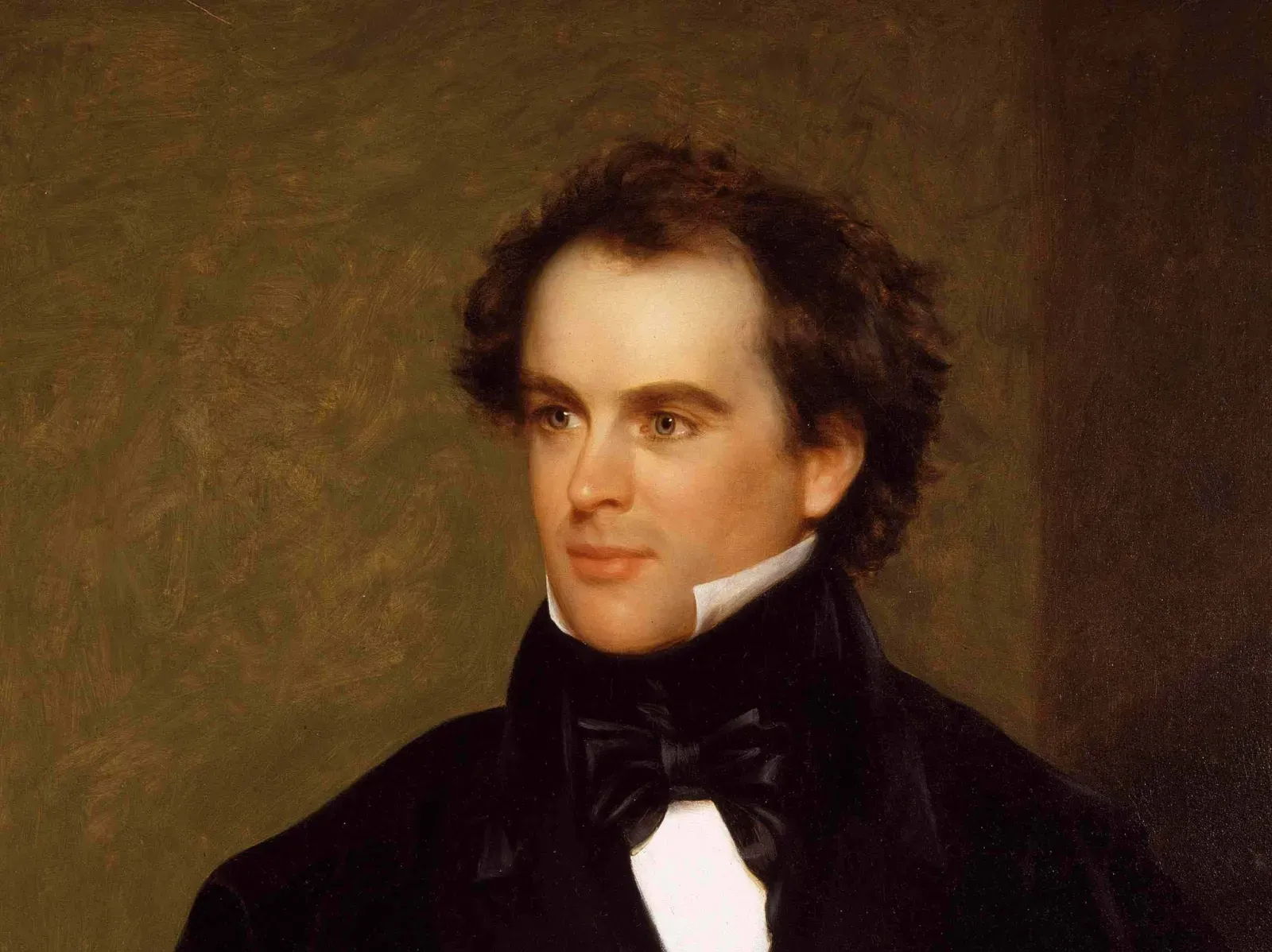
Before The Scarlet Letter, Hawthorne was a young writer with a stack of tales he judged unworthy. He is widely reported to have thrown many of them into the fire during the 1820s and 1830s.
His first novel, Fanshawe, was published anonymously in 1828 at his own expense. He grew embarrassed by it and tried to collect and destroy the copies he could find. Much of his earliest fiction is lost as a result.
Mikhail Bulgakov and the Stove in 1930
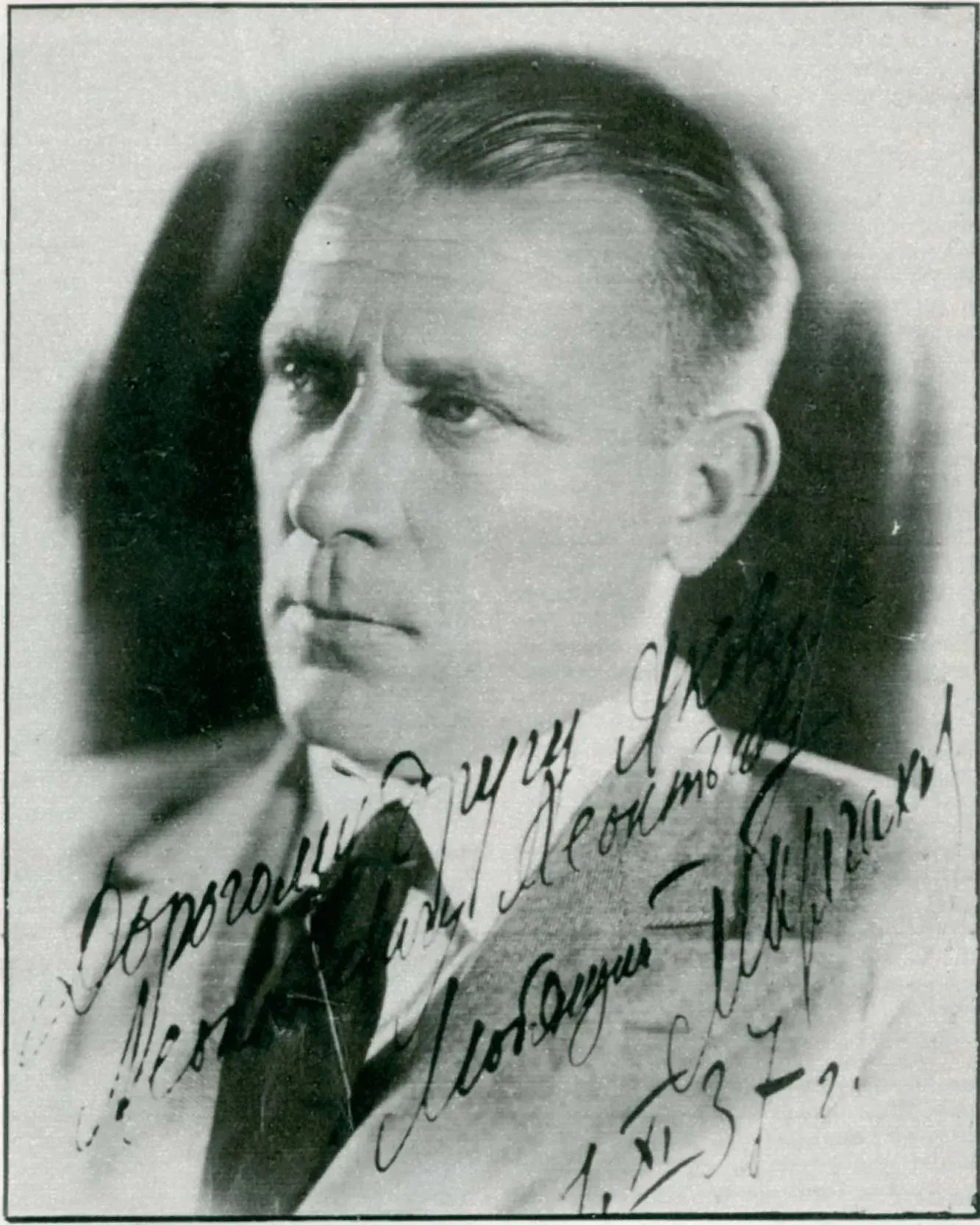
In March 1930, Bulgakov burned an early draft of the novel that became The Master and Margarita. His plays had been banned under Soviet censorship, and he feared what a search of his apartment might find.
He soon began again, and the book was reworked for roughly a decade until his death in 1940. It was first published in a censored magazine form in the mid 1960s. A line from the novel about manuscripts not burning has since become famous, which suits the history.
Franz Kafka and the Notebooks Fed to the Fire
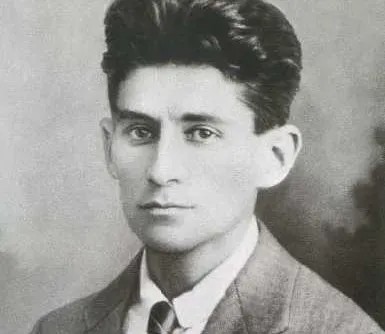
Kafka destroyed a considerable amount of his writing during his life. His companion in his final year, Dora Diamant, later said she burned some of his notebooks at his request.
He also told his friend Max Brod to burn his remaining papers after his death. Brod refused, and published The Trial in 1925, followed by The Castle and Amerika. Whether Kafka truly wanted everything destroyed remains an open argument among scholars.
What Survived
Rossetti’s poems were recovered and printed, and Hopkins’s verses reached readers through copies sent to friends. Bulgakov rebuilt his novel from memory and revision. Kafka’s work survived because Brod ignored his instructions.
Gogol’s second part of Dead Souls and Hawthorne’s earliest tales remain largely lost.