Every famous face has an origin story, but not all of them are flattering. Behind the red carpets and awards speeches, plenty of actors spent years waiting tables, taking odd jobs, or seriously weighing an exit from the business entirely. Some were told outright by agents or casting directors that it was time to move on. What separates these six performers from the countless others who did walk away is timing, stubbornness, and in a few cases, a little bit of luck landing at exactly the right moment. Here is a look at six actors who came remarkably close to giving up before the role that changed everything.
Jon Hamm: The waiter who almost gave up before Mad Men
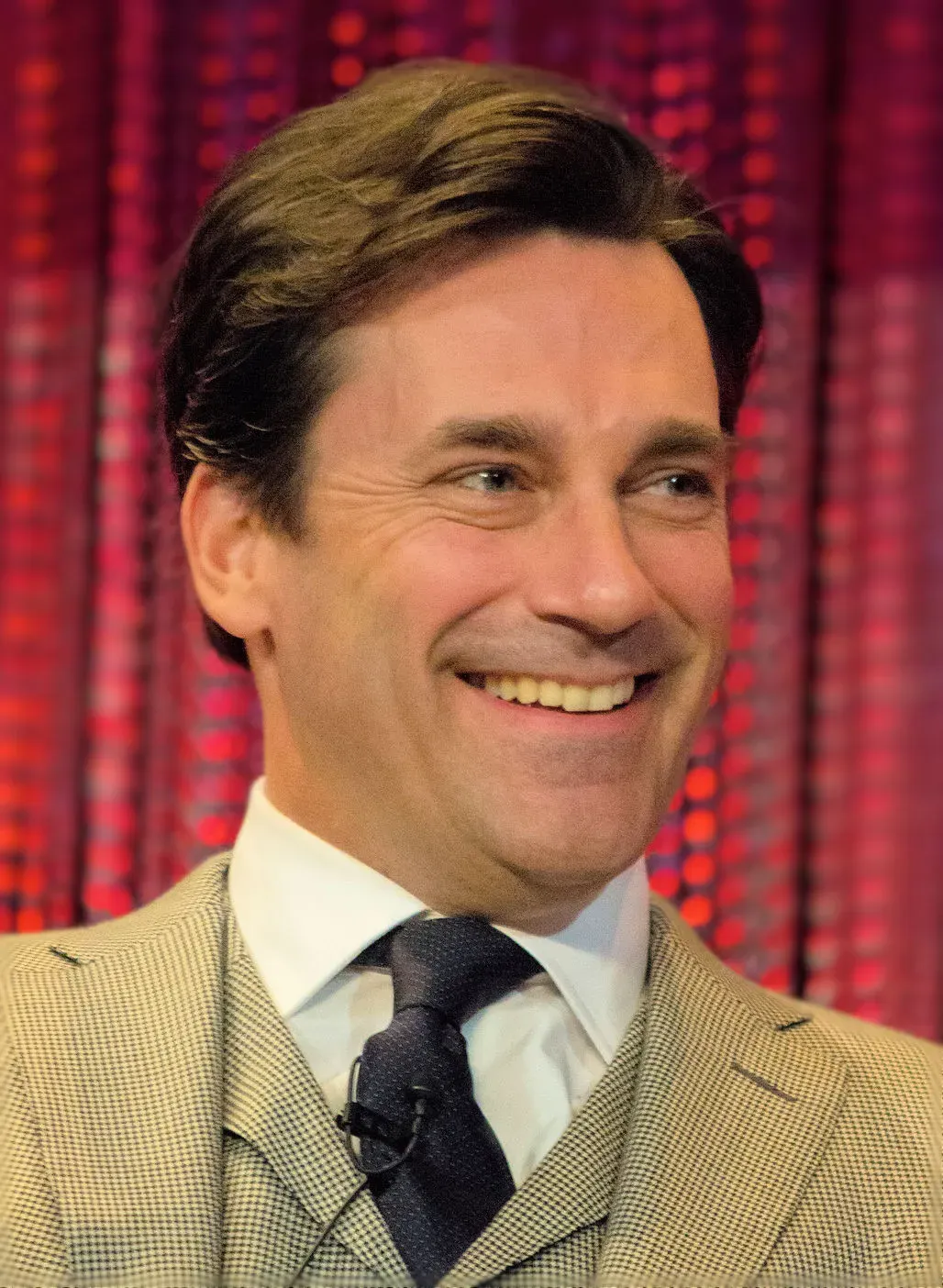
Before Don Draper made him a household name, Jon Hamm spent his twenties bouncing between odd jobs and small parts, unable to catch a break. He spent most of his 20s failing to land acting jobs, and at 25 he worked as a set dresser on a soft-core porn film before landing his first credited role as “Gorgeous Guy at Bar” on Ally McBeal. He had given himself a personal deadline to make it as an actor, and if he did not, he planned to return to teaching drama, the job he had left behind in St. Louis.
Hamm understood that becoming an actor would not be easy, so when he moved to Los Angeles in his mid-20s, he set a hard deadline for his career to take off, telling himself he did not want to still be waiting tables at 40. That deadline came right down to the wire. He gave himself until his 30th birthday, which happened to fall on the set of “We Were Soldiers,” his first big Hollywood movie, and it was finally enough money to let him quit his waiting job. Mad Men did not arrive until he was 35, proof that his patience paid off just before it ran out.
Steve Carell: When an agent said it was time to quit
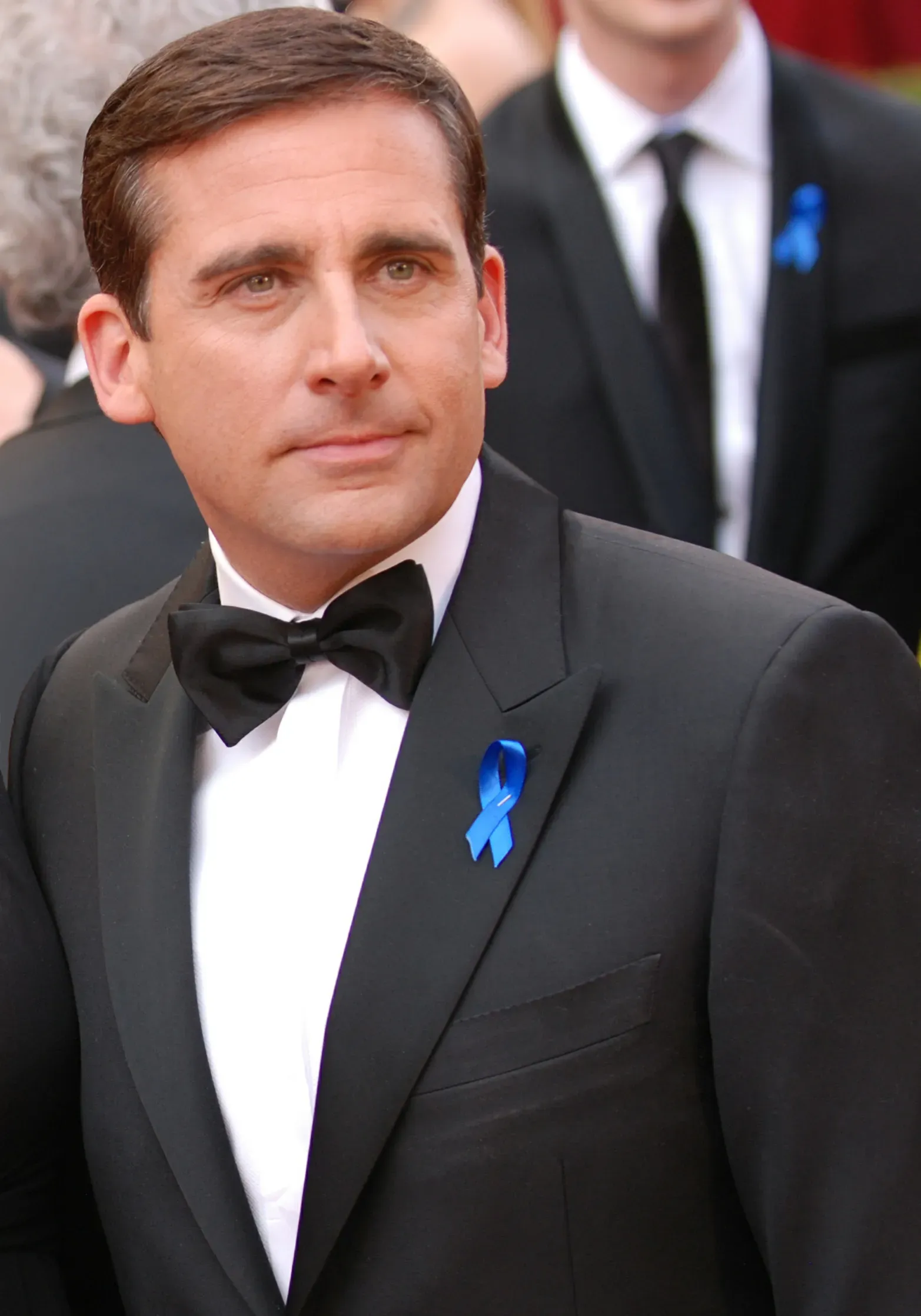
Long before Michael Scott made him a comedy icon, Steve Carell got a piece of career advice that could have ended things early. Recalling the moment on television, Carell said he had an agent before auditioning for “The Dana Carvey Show” who told him that if something did not happen soon, he should get out of the business, adding flatly, “It’s over.” That agent relationship ended shortly after, and Carell kept going anyway.
It was a pivotal moment, since that same period led him toward The Daily Show and eventually into the ensemble that became The Office. His parents played a role in keeping him on track as well. His own parents helped steer him in the right direction, and he has recalled how supportive they were when he could not decide between law school and acting, encouraging him to follow a path filled with passion rather than one meant to please others. Carell stuck it out, and the payoff arrived a few years later with a role that redefined his career.
Hugh Jackman: Nearly fired days into the role that made him famous
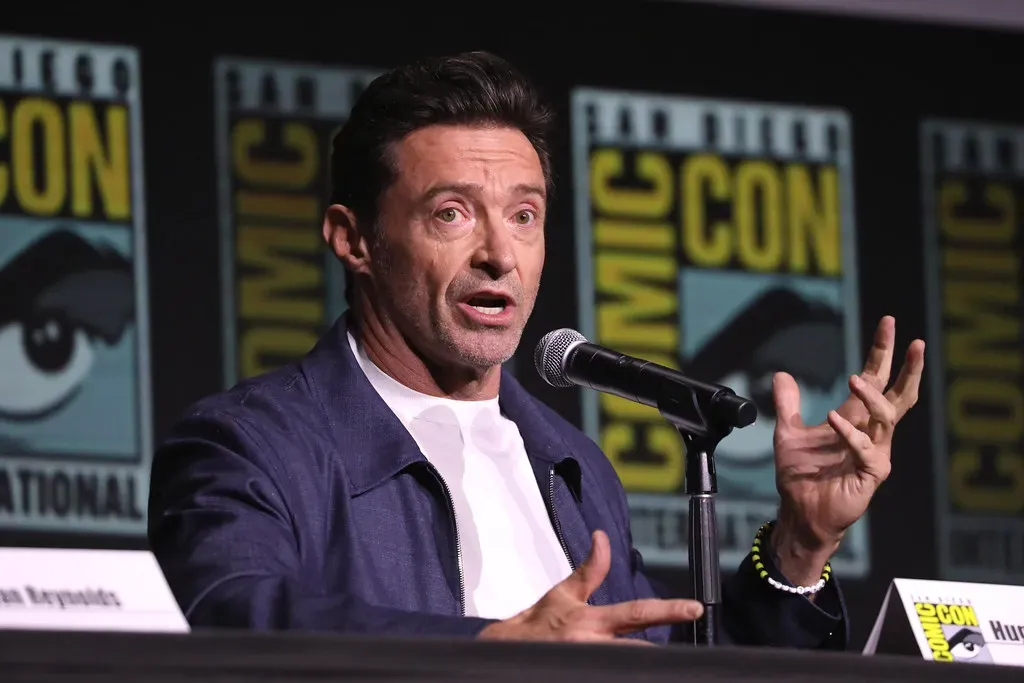
Hugh Jackman is so tied to Wolverine now that it is easy to forget how close the studio came to cutting him loose. Jackman has said that five weeks into shooting the first X-Men film, he was on the verge of getting fired. He was an unknown Australian stage actor stepping into a role originally intended for someone else entirely, and the pressure showed in the footage.
Studio executives were unimpressed with his early performance, and Jackman later described the anxiety of nearly losing the “biggest break” of his career. He said he was freaking out about his impending termination, but after going home to his wife Deborra-Lee Furness, he got the pep talk he needed and went back to work. He stayed in the role for close to two decades, turning a near-firing into one of the most durable franchise careers in modern film.
Partner offer
Sylvester Stallone: Broke, hungry, and one script away from walking out
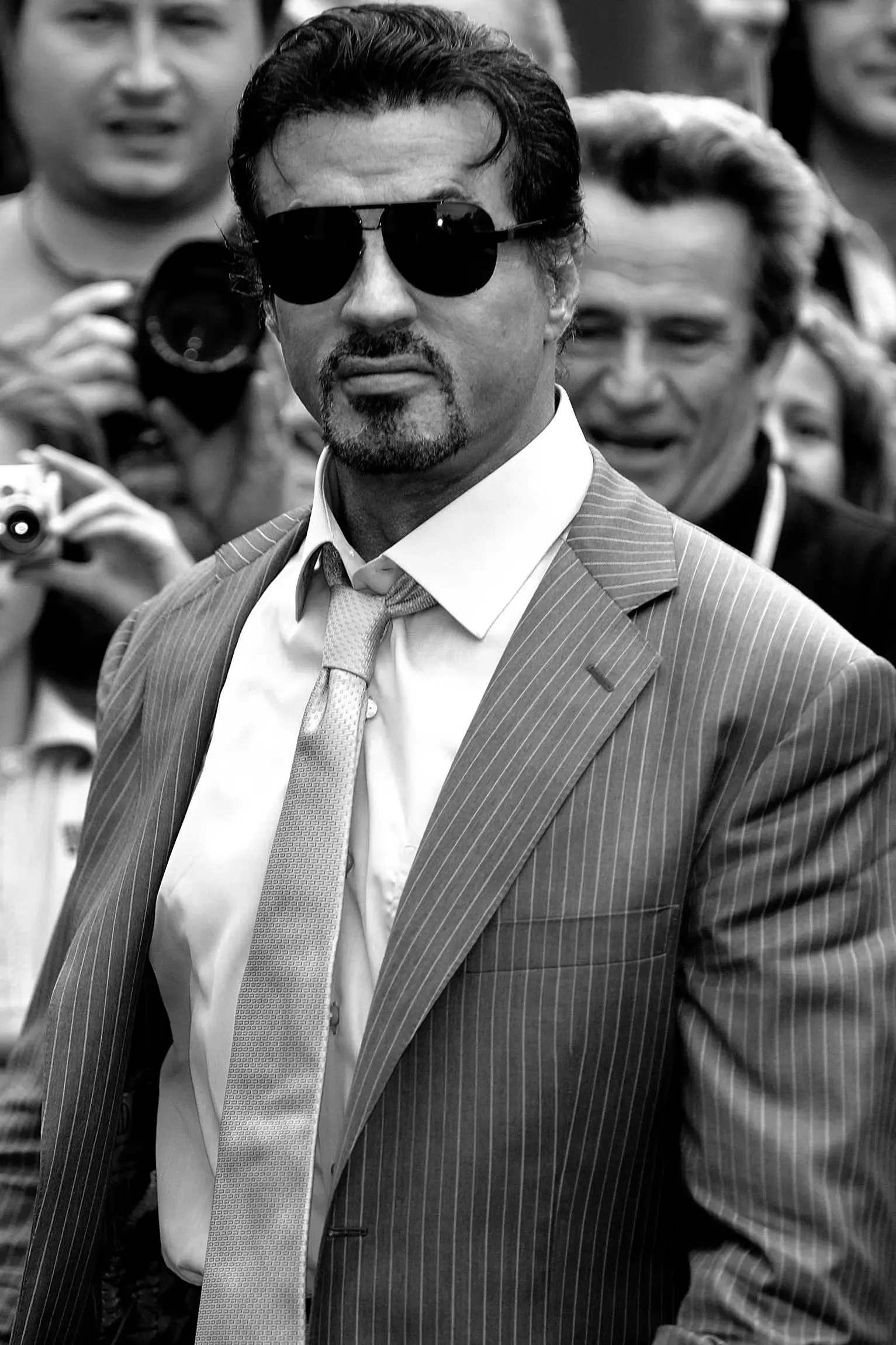
Sylvester Stallone’s story is less about quitting acting outright and more about how close poverty came to forcing his hand. In the early 1970s he was cleaning animal cages at the Central Park Zoo and struggling through years of rejection for roles. Having moved to New York in 1969 to pursue acting, he worked odd jobs and appeared in low budget films just to make ends meet, including cleaning cages at the Central Park Zoo for $1.12 an hour.
By the time he wrote Rocky, Stallone was so broke that studios saw the script as valuable but him as a liability. Producers offered him $360,000 for the screenplay on the condition that he would not play Rocky himself, despite the fact that he had no car and only $106 in the bank at the time. He turned the deal down anyway, betting his entire financial future on a role nobody else wanted to give him, and it turned out to be the right call.
Morgan Freeman: Five decades of waiting for a phone call

Few actors demonstrate patience quite like Morgan Freeman, whose path to stardom stretched across more than two decades of stops and starts. He built a steady but modest career through the 1960s and 1970s, appearing in stage productions and eventually landing a recognizable role on the children’s series The Electric Company. Things changed for the worse after that period, though, as his phone stopped ringing in the 1980s and he thought his acting career was over.
The breakthrough finally came when he was already approaching fifty, an age most actors would have long since abandoned hope of a big role. In 1987, he played a violent street hustler in Street Smart alongside Christopher Reeve, a performance praised by critics that earned him an Academy Award nomination and one he later described as his breakthrough role. It arrived decades later than most careers take off, a reminder that persistence sometimes simply needs more time than expected.
Bryan Cranston: The actor who nearly traded scripts for a steady paycheck
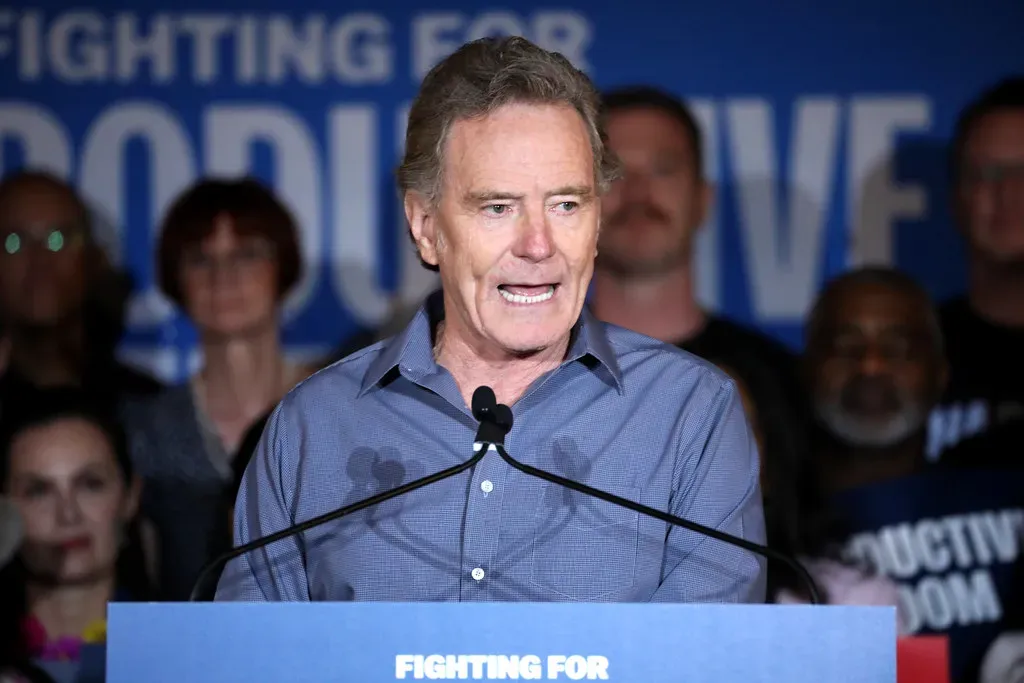
Before Walter White turned him into one of television’s most respected dramatic actors, Bryan Cranston spent years working steadily but without any real breakthrough, taking guest roles on shows like Seinfeld and voice work to pay the bills. He has spoken openly in interviews and in his memoir about long stretches where the acting income was unreliable enough that he seriously considered other lines of work to support his family. That uncertainty followed him well into his forties, an age by which many actors have either broken through or moved on entirely.
His fortunes shifted with Malcolm in the Middle, a sitcom role that finally gave him steady, recognizable work after years of scraping by in supporting parts. It took nearly another decade after that show ended for him to land Breaking Bad, the role that transformed him into an awards magnet and one of the most acclaimed dramatic actors of his generation. Cranston’s path is a reminder that a breakout does not always arrive on the first big opportunity, and sometimes it takes two.
Taken together, these six stories share a common thread: none of these actors had any guarantee their persistence would pay off. They kept working through rejection, financial strain, and blunt career advice that suggested they should stop. What eventually changed their fortunes was not a single lucky break so much as being ready, and still in the game, when that break finally showed up.Partner offer
Planning a trip to Vegas?
Compare hotel rates and show tickets on VEGAS.com.