Sequels have a reputation problem. For every beloved follow up, there are a dozen cash grabs that dilute what made the first film special. Yet every so often, a sequel comes along that doesn’t just match its predecessor, it surpasses it in nearly every measurable way, from box office to critical reception to cultural staying power. This list looks at the sequels that genuinely improved on their originals, backed by reviews, audience reception, and box office data rather than nostalgia alone. Some of these are decades old and still hold up as the gold standard. Others are recent enough that fans are still arguing about them in 2026.
The Godfather Part II (1974)
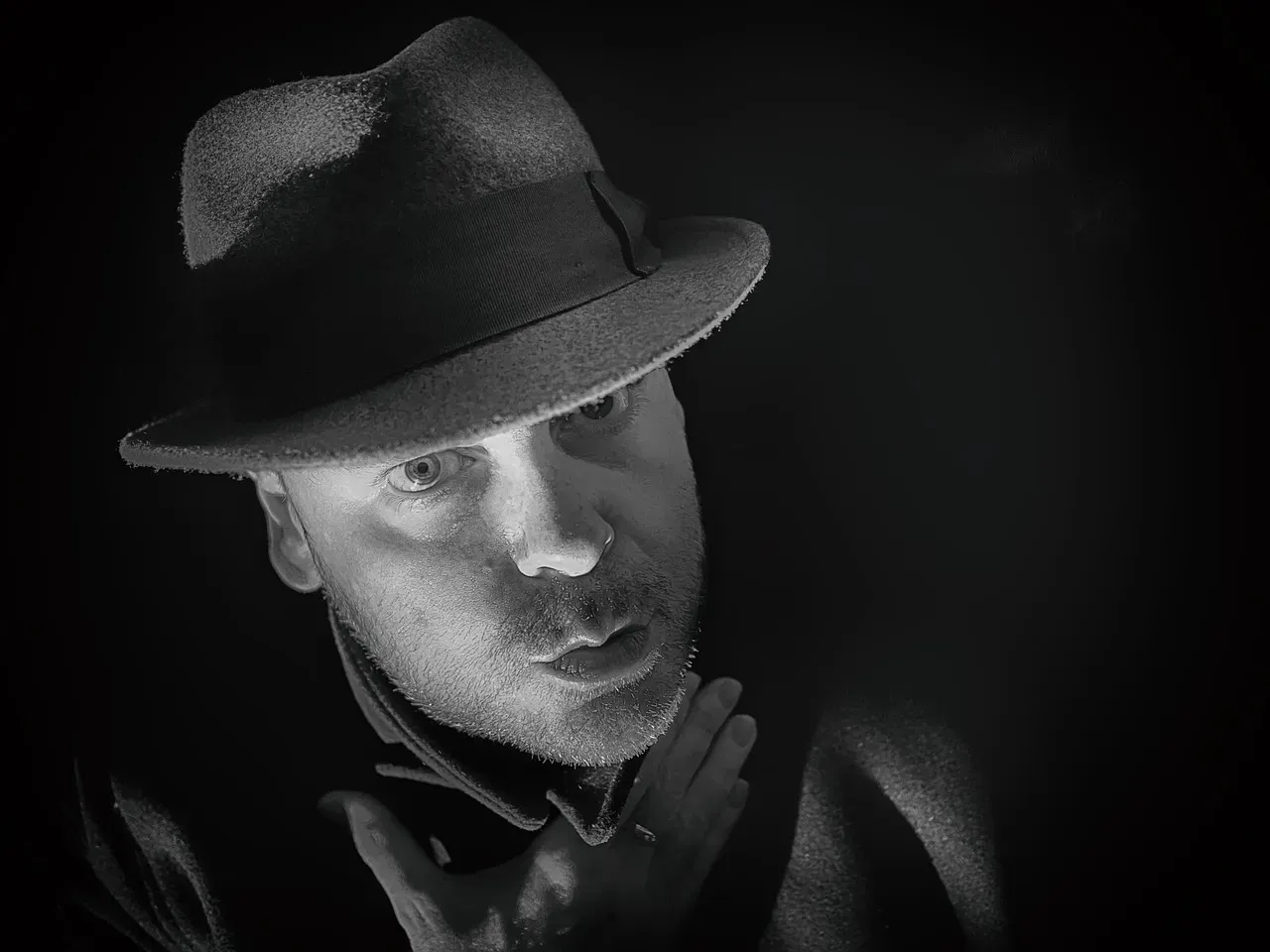
Francis Ford Coppola’s follow up to his 1972 mafia epic is widely considered the moment sequels stopped being an afterthought and became an art form in their own right. The dual timeline structure, following Michael Corleone’s descent alongside his father Vito’s rise, gave the story a depth the original couldn’t quite reach on its own. It remains one of only a handful of sequels to win the Academy Award for Best Picture.
Critics at the time noted that Coppola managed to expand the Corleone saga without repeating himself, a trick many later filmmakers have tried and failed to replicate. Robert De Niro’s performance as young Vito added an entirely new emotional register to the family’s story. Even decades later, it’s frequently cited in critical rankings as the superior film in the trilogy.
The Empire Strikes Back (1980)
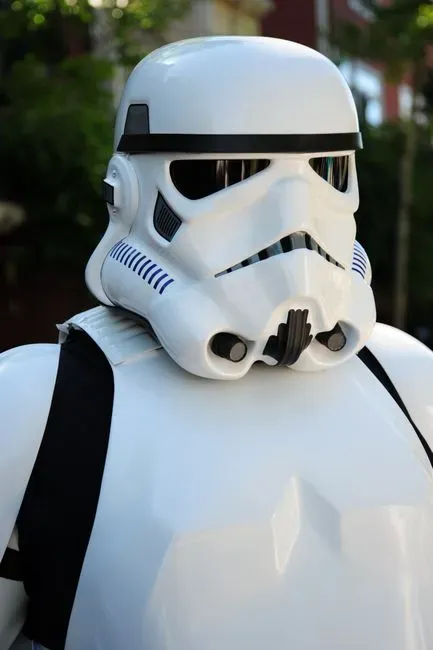
George Lucas handed directing duties to Irvin Kershner for the second Star Wars film, and the result was a darker, more emotionally complex movie than the original 1977 blockbuster. The Empire Strikes Back introduced the twist that redefined the entire saga, and it did so while deepening characters like Han Solo and Leia Organa in ways the first film only hinted at. Many longtime fans and critics still call it the best entry in the franchise.
Part of what makes this sequel work is its willingness to end on a genuinely unresolved, somber note rather than a tidy victory. That risk paid off creatively even if it initially puzzled some audiences expecting another straightforward adventure. It’s since become the template for how a middle chapter in a trilogy should function.
Terminator 2: Judgment Day (1991)
James Cameron flipped the entire premise of his low budget 1984 original by turning Arnold Schwarzenegger’s killer robot into a protector, and audiences responded enormously. The film’s special effects, particularly the liquid metal T-1000, pushed computer generated imagery forward in ways that influenced action filmmaking for years afterward. It grossed far more than the original and is still regarded by many as the high point of the franchise.
What elevates it beyond spectacle is the emotional core built around Sarah Connor and her son John, giving the action sequences actual stakes. Linda Hamilton’s transformation into a hardened survivor gave the series a second compelling protagonist. Even now, it’s frequently used as the benchmark example of a sequel expanding rather than repeating its source material.
Aliens (1986)
Ridley Scott’s 1979 Alien was a slow burn horror film in space, but James Cameron’s follow up took the concept in a bolder, more action driven direction without losing what made the original tense. Sigourney Weaver’s Ripley became a fully realized action hero, and the film earned her an Academy Award nomination, a rarity for the genre at the time. Critics praised the way it built on the mythology while offering something tonally distinct.
The introduction of the Colonial Marines and the queen alien expanded the universe considerably, giving future entries more to work with. It also holds up as one of the rare sequels that fans and critics alike often rank above the original. The balance of tension and spectacle set a new bar for science fiction sequels.
Toy Story 2 (1999)
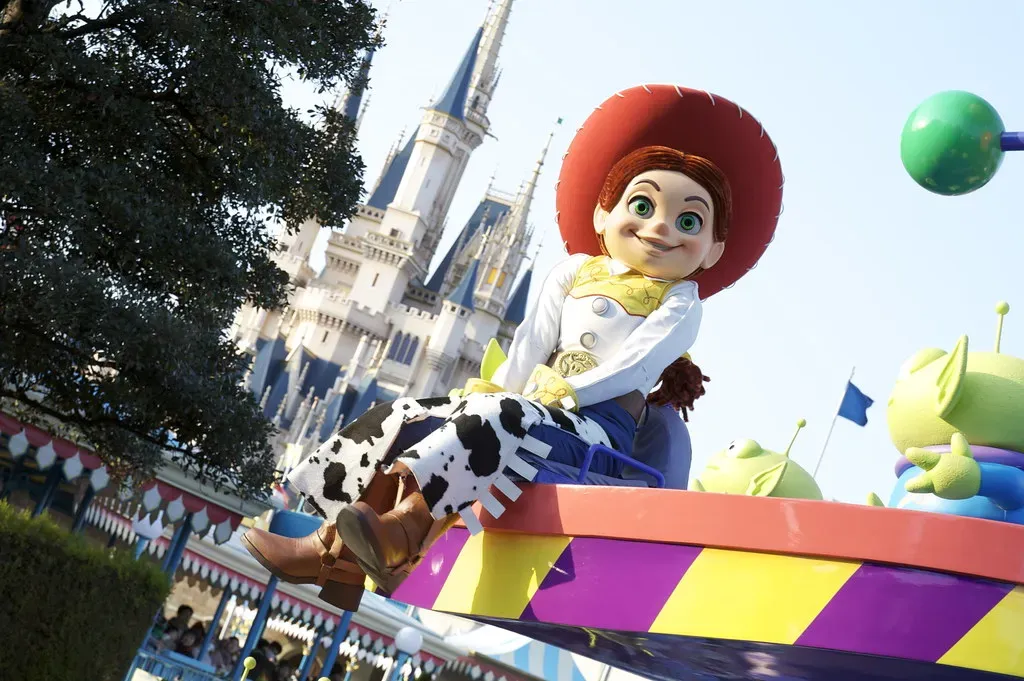
Pixar’s second Toy Story film arrived just four years after the original and somehow deepened the emotional stakes of a story about talking toys. The introduction of Jessie and her backstory, set to a montage that still gets cited as one of the studio’s most affecting sequences, gave the franchise a melancholy edge the first film only touched on. Critics at the time were surprised by how much richer the sequel felt compared to its predecessor.
The film also expanded Woody’s identity crisis in a way that made the eventual third and fourth entries possible. Rather than simply repeating jokes and situations, it used the sequel format to ask harder questions about purpose and obsolescence. That willingness to get genuinely sad within a kids’ movie became a hallmark of Pixar’s best work going forward.
Partner offer
Spider-Man 2 (2004)

Sam Raimi’s second Spider-Man film is still frequently cited as the best superhero sequel of the pre-Marvel Cinematic Universe era. It leaned harder into Peter Parker’s personal struggles, turning the superhero formula into something closer to a character study about sacrifice and identity. Alfred Molina’s Doc Ock became one of the more sympathetic villains in the genre, a marked improvement over the somewhat simpler antagonist of the first film.
The train sequence alone is often referenced as a high point of practical and digital effects work from that era. Audiences and critics responded to the emotional honesty of Peter’s exhaustion and doubt, themes the original film gestured at but didn’t fully explore. It set a standard that many superhero sequels since have tried, with mixed success, to match.
The Dark Knight (2008)
Christopher Nolan’s follow up to Batman Begins is arguably the most influential superhero sequel of the past two decades. Heath Ledger’s performance as the Joker earned a posthumous Academy Award for Best Supporting Actor, and the film’s grim, morally complicated take on Gotham City reshaped what studios believed a comic book movie could be. It grossed far beyond its predecessor and is still regularly ranked among the greatest films of its genre.
Beyond the performances, the film’s structure as a crime thriller rather than a straightforward superhero story gave it a weight the first film didn’t quite reach. Nolan’s decision to ground the action in real world stakes, rather than leaning on spectacle alone, resonated with critics who praised its ambition. Its influence is still visible in how studios approach comic book adaptations today.
Mad Max: Fury Road (2015)
George Miller’s return to the Mad Max universe, decades after the original trilogy, is often treated as a de facto sequel that eclipsed everything that came before it. Fury Road earned ten Academy Award nominations and won six, an extraordinary result for an action film. Charlize Theron’s Furiosa arguably became a more compelling lead than Max himself, something few sequels manage with a supporting character.
The practical stunt work and production design gave the film a tactile, almost handmade quality that stood out against the increasingly digital blockbuster landscape of the mid 2010s. Critics widely praised it as a rare example of a legacy sequel that didn’t just cash in on nostalgia but genuinely reinvented its own franchise. It remains a frequent reference point for filmmakers discussing what modern action cinema can achieve.
Dune: Part Two (2024)
Denis Villeneuve’s second Dune film, released in early 2024, expanded on its predecessor’s world building with a more confident, action forward approach that many critics considered a clear improvement. The film brought Zendaya’s Chani into a much larger role and gave Paul Atreides’ arc a darker, more morally ambiguous conclusion than the first film’s setup suggested. Box office returns were also stronger, with the sequel outperforming the original both domestically and internationally.
Reviewers frequently noted that Part Two benefited from not having to spend as much time on exposition, allowing Villeneuve to focus on spectacle and character tension instead. The sandworm riding sequence in particular became an instant touchstone for large scale practical and digital effects work. It’s already being discussed as one of the defining science fiction films of the current decade.
Top Gun: Maverick (2022)
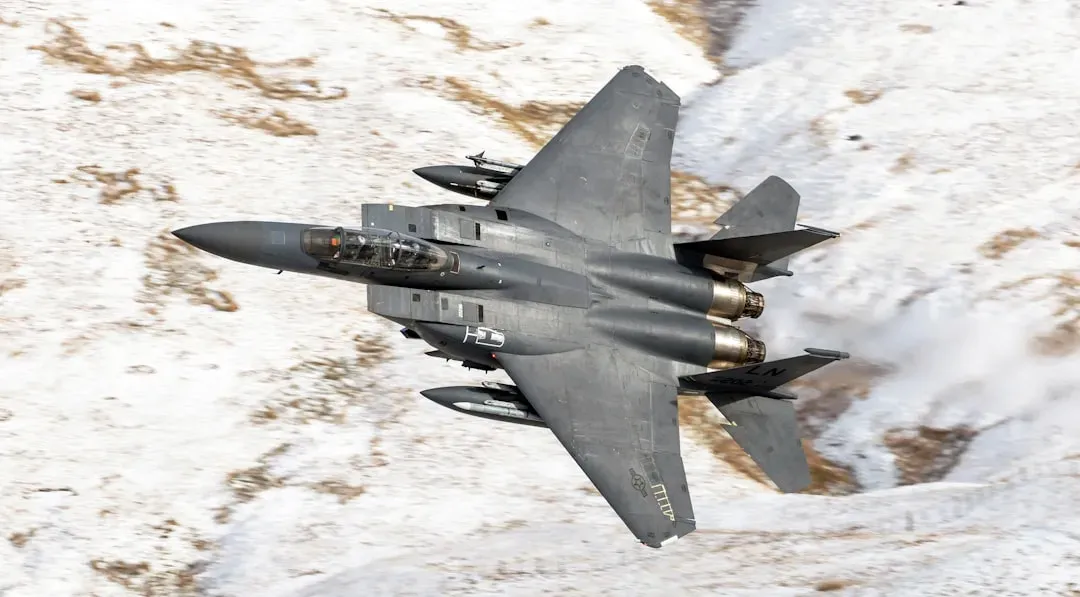
Arriving 36 years after the original Top Gun, Maverick was a rare legacy sequel that critics and audiences agreed genuinely surpassed its predecessor. Tom Cruise’s insistence on practical aerial photography, with actors actually flying in modified jets, gave the film a visceral quality the 1986 original couldn’t achieve with the technology of its time. It became one of the highest grossing films of 2022 and earned a Best Picture nomination, something the original never came close to.
The film also worked as a meditation on legacy and aging, giving Cruise’s character an emotional depth that the original largely skipped in favor of style. Critics praised how it balanced fan service with genuine narrative stakes, avoiding the hollow nostalgia trap that sinks many delayed sequels. It’s frequently cited now as proof that a decades late follow up can still work if the filmmakers take the material seriously.
Partner offer
Planning a trip to Vegas?
Compare hotel rates and show tickets on VEGAS.com.