Music history is full of near misses, moments when a song almost went to one artist before landing, seemingly by accident, in the lap of another. Duets are especially prone to this kind of drama, since two schedules, two egos, and two record labels all have to line up at once. Sometimes that alignment simply doesn’t happen, and the song moves on to find its real home.
Barbra Streisand and the Michael Jackson ballad she passed on
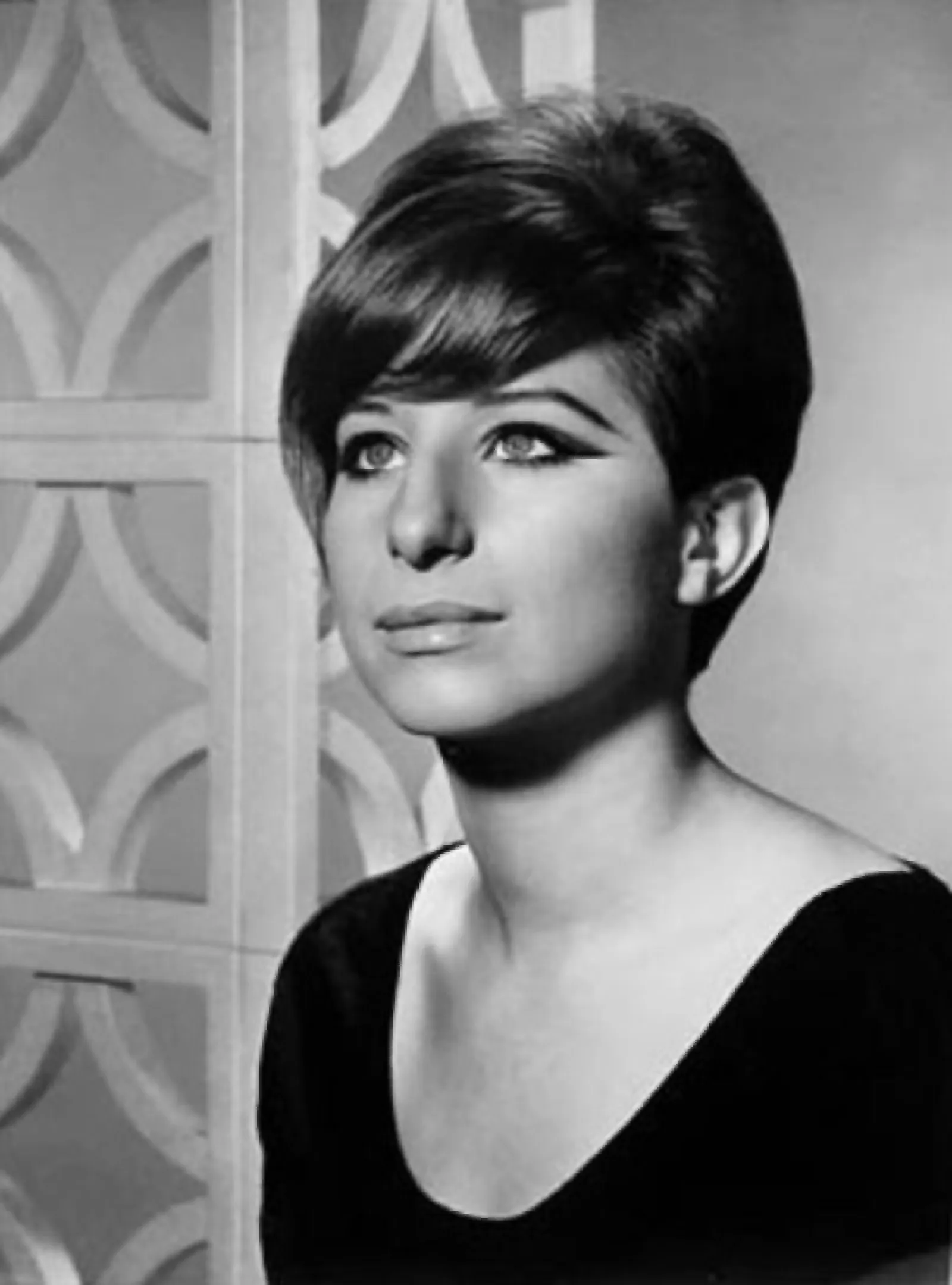
Michael Jackson wrote “I Just Can’t Stop Loving You” for his 1987 album Bad with a specific vision in mind: a duet with Barbra Streisand. According to The Billboard Book of Number 1 Hits, Jackson wrote the ballad and wanted it to be a duet between himself and Streisand. The request went nowhere, and the reason was refreshingly simple rather than dramatic.
Jackson’s manager, Frank Dileo, said Streisand turned down the song simply because she didn’t like it. That left the King of Pop without a partner for what would become one of Bad’s biggest singles. The song eventually needed a new voice, and that search led to someone far less famous at the time than Streisand.
Whitney Houston said no to the same Michael Jackson duet

After Streisand passed, Jackson turned to another titan of the era. He then discussed performing “I Just Can’t Stop Loving You” with Whitney Houston. On paper, it looked like a natural fit, two of the decade’s biggest vocalists on one track.
Business got in the way this time. According to Pop Crush, Houston’s label, Arista Records, thought that if she performed on the song, it might detract from the promotion of her sophomore album, Whitney. With both of Jackson’s first choices out, the song eventually went to Siedah Garrett, a relatively unknown backing vocalist who helped turn it into a chart topper. Years later, Houston did record a version of the tune, but as a duet with George Michael rather than Jackson, and it barely registered commercially.
Paul Young turned down Whitney Houston and found gold with Zucchero
Paul Young came close to being Whitney Houston’s duet partner, but the song offered to him didn’t sit right. “They sent me the song, and I said, ‘Yeah, I’d love to do a duet with Whitney Houston, but I really don’t like that song.’ And the producer had written it! So I didn’t get asked again. I fluffed that.” It was a blunt admission, but it wasn’t the end of the story for Young.
Instead of chasing another shot with Houston, Young pursued a pairing nobody at his label wanted. He later recorded the song ‘Senza una Donna’ with Zucchero, which turned out to be one of his biggest ever hits, so it wasn’t all bad news. Young recalled that executives were skeptical of an Italian singer they’d never heard of, but he insisted it would work, and it did. The record became a defining moment of his career, proof that walking away from one duet can sometimes lead straight to another that actually fits.
Marvin Gaye passed on what became Islands in the Stream
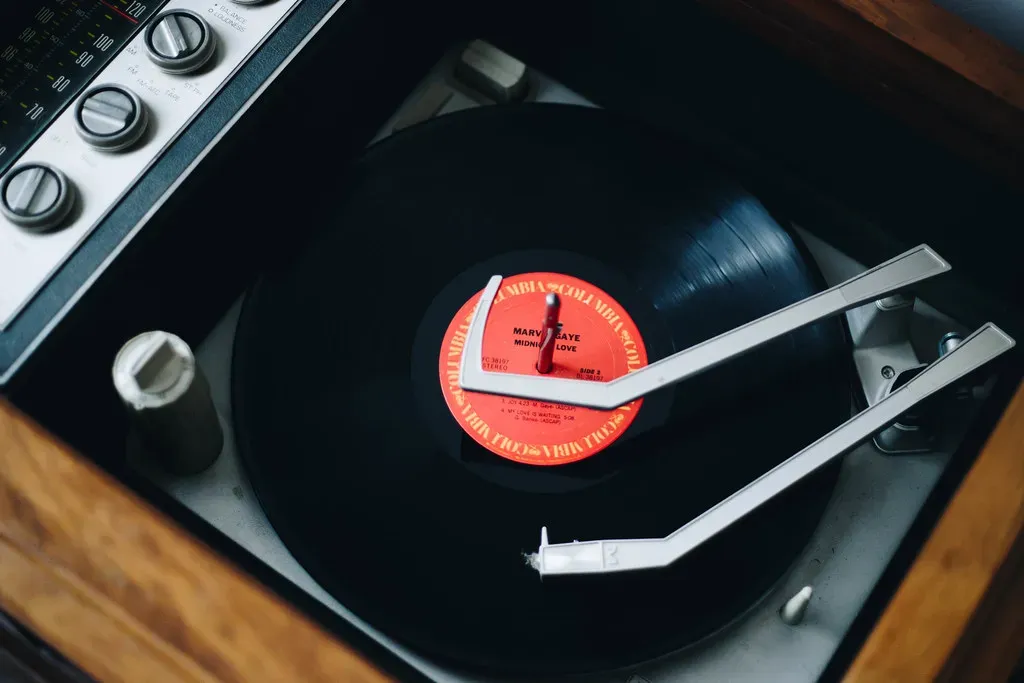
Long before it was a country crossover phenomenon, “Islands in the Stream” was conceived with a soul legend in mind. “Islands In The Stream” was written by The Bee Gees as an R&B song, and on March 10, 2009, when Maurice Gibb appeared on the BBC Breakfast program, he explained that it was written for Marvin Gaye, who turned it down. Given Gaye’s resurgence at the time, the pairing made obvious sense on paper, but it never came together.
The song eventually landed with Kenny Rogers, who was recording an album produced by Barry Gibb, and Rogers wasn’t even sold on it at first. “And I finally said, ‘Barry, I don’t even like this song anymore,'” Rogers recalled, and Barry then struck up the idea to bring Parton into the mix, saying, “I said, ‘Well, why not, you know?'” Once Dolly Parton stepped in, the track transformed into a country-pop juggernaut, topping the Billboard Hot 100 and earning triple platinum certification.
Partner offer
Dusty Springfield backed out of Elton John’s biggest duet

Elton John and Bernie Taupin had a very specific singer in mind when they wrote what would become his first UK number one. Elton John scored his first UK number one single with a classic track, which he and songwriting partner Bernie Taupin originally intended to be with Dusty Springfield. It looked set to be a straightforward collaboration between two established British stars.
Circumstances intervened before the recording could happen. Dusty withdrew the offer due to illness, and so relatively unknown singer Kiki Dee stepped in. “Don’t Go Breaking My Heart” went on to become one of the defining duets of the 1970s, launching Kiki Dee into the spotlight in a way few could have predicted when the song was still earmarked for someone else entirely.
Britney Spears and the duet that became Telephone

Before Lady Gaga made “Telephone” her own, the song had a very different intended home. In the 2000s, nearly every pop song was written for Britney Spears, and “Telephone” was offered to Spears first, but she decided against it. It was written during a period when Gaga was still working primarily as a songwriter for other artists, penning tracks for Spears’ Circus album.
Once Spears passed, Gaga made a decision that changed the song’s entire trajectory. Lady Gaga, who wrote it, kept it for herself and sang it as a duet with Beyoncé. The track became one of Gaga’s signature hits and one of the most quoted pop duets of its era, complete with an elaborate music video that helped cement its cultural staying power. Spears did eventually record another Gaga-written song, “Quicksand,” which appeared on her own Circus album instead.
Camila Cabello chose Fifth Harmony over Closer
Camila Cabello had an early chance to be part of one of the decade’s biggest pop-EDM duets, but timing worked against her. Camila Cabello turned down one of the biggest Chainsmoker hits, “Closer,” due to commitments with her previous girl group, Fifth Harmony, at the time, and the “Havana” singer said she recorded a demo of the song, but was unable to move forward with it. Fifth Harmony was preparing an album, and Cabello had a policy of keeping her solo pursuits separate from group commitments.
She has since spoken candidly about watching the song take off without her involvement. “And then it was the number one song in the world!” the “Havana” singer said in an interview. The Chainsmokers brought in Halsey instead, and the resulting duet spent weeks at the top of the charts, becoming one of the defining pop songs of 2016 and a signature hit for both acts involved.
Dionne Warwick let go of a song that became a duet classic
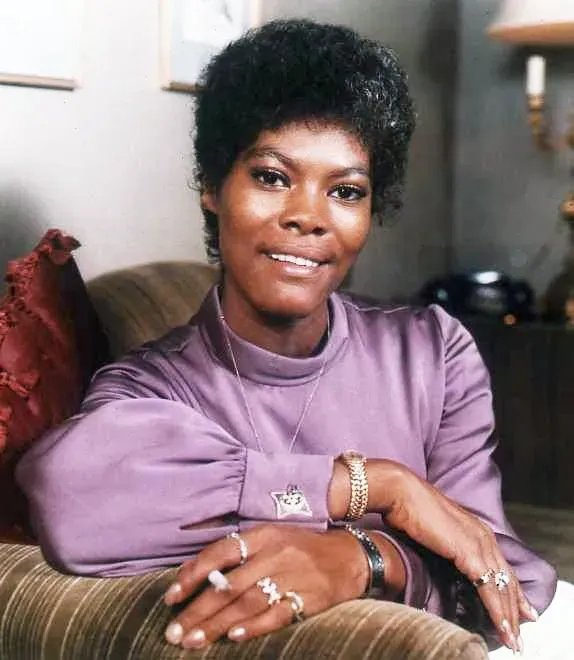
“On My Own” started out as a solo Dionne Warwick track before it became one of the great duets of the 1980s. Written and produced by Burt Bacharach and his former wife Carole Bayer Sager, it was first recorded by Dionne Warwick but she decided not to release it. The song sat unused despite being crafted by two of pop’s most reliable hitmakers.
A year later, a different pairing gave the track new life. A year later, Patti LaBelle recorded it brilliantly as a duet with Michael McDonald, and it became a huge number one hit in the US. LaBelle and McDonald’s version became a defining adult contemporary hit of its era, proof that a song’s fate can hinge entirely on who ends up singing it and when.
Looking back at these near misses, a pattern starts to emerge. Timing, label politics, and simple gut instinct all played a role in who ended up on the finished recording, and just as often, the artist who said no went on to find their own hit somewhere else entirely. It’s a reminder that in music, a rejected offer rarely means a closed door. It usually just means the song was waiting for a different voice.Partner offer
Planning a trip to Vegas?
Compare hotel rates and show tickets on VEGAS.com.