Some plays are older than most countries’ legal systems, yet they still fill theaters on ordinary weeknights. A script written for candlelit rooms or open-air amphitheaters keeps finding new casts, new directors and new audiences.
The seven works below come from different centuries and continents. Each one has stayed in the repertoire because its central problem still feels recognizable, whether that’s ambition, grief, family pressure or social hypocrisy.
Hamlet by William Shakespeare

Written around the turn of the seventeenth century, Hamlet follows a Danish prince who is told by a ghost that his father was murdered. It’s Shakespeare’s longest play, and an uncut staging can run well over four hours. Directors often trim it, but few dare to reshape its core question of whether to act or hesitate.
Its reach is hard to overstate. The Royal Shakespeare Company, Shakespeare’s Globe in London and countless regional and school companies return to it regularly, and it has been translated into a huge number of languages. Actors treat the title role as a career milestone, which keeps new productions coming.
Oedipus Rex by Sophocles
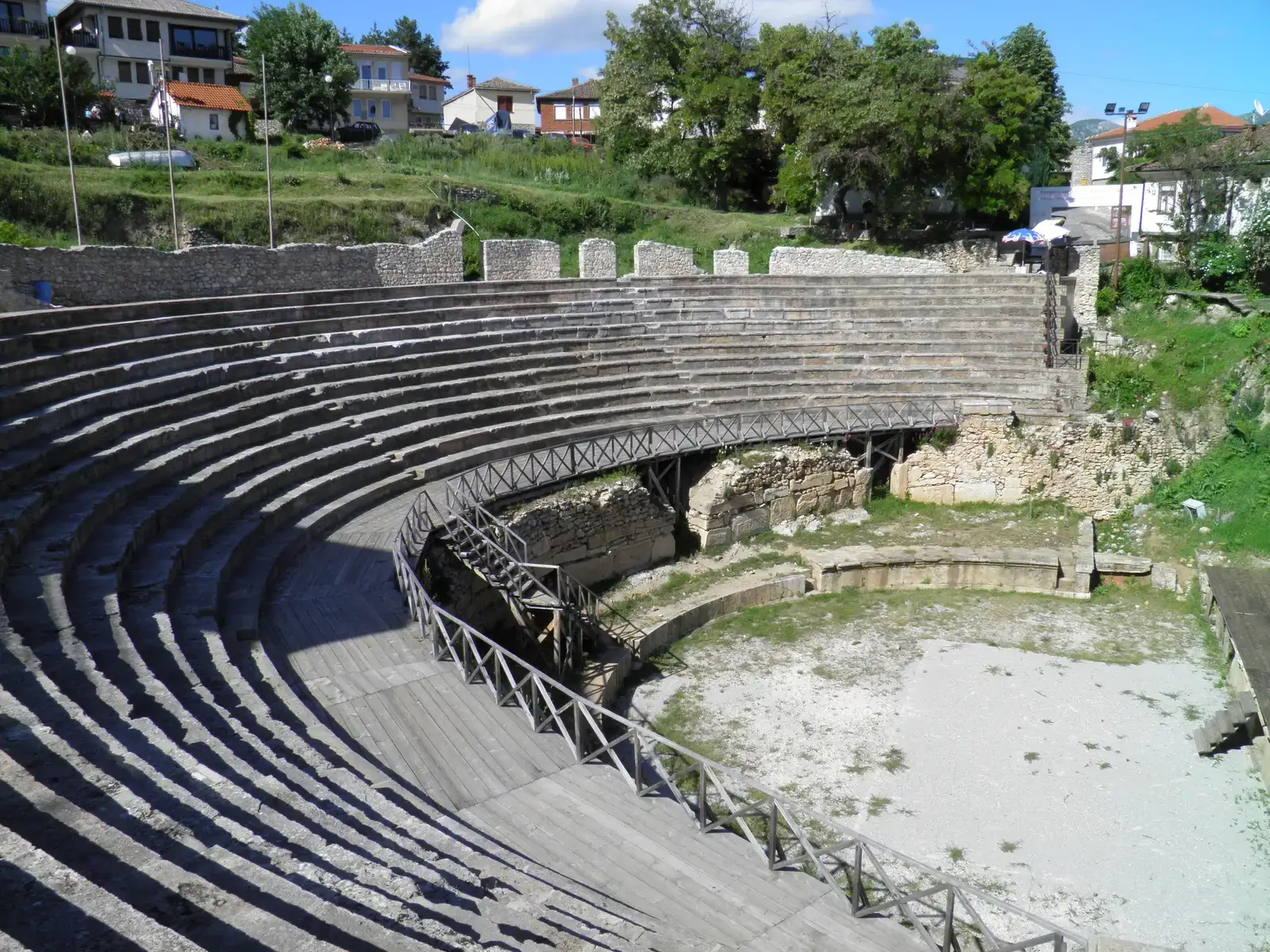
This Greek tragedy dates to the fifth century BCE. A king determined to find the killer of his predecessor slowly discovers that the trail leads back to himself. Aristotle later pointed to it as a model of tragic plotting, and it still reads like a tightly built mystery.
Modern companies stage it in translation, in adaptation and sometimes in the ancient setting of Greek theaters such as Epidaurus. The Athens and Epidaurus Festival has long made ancient drama part of its summer programming. The play’s themes of fate, knowledge and responsibility travel well, which explains why universities and professional houses keep reviving it.
A Doll’s House by Henrik Ibsen
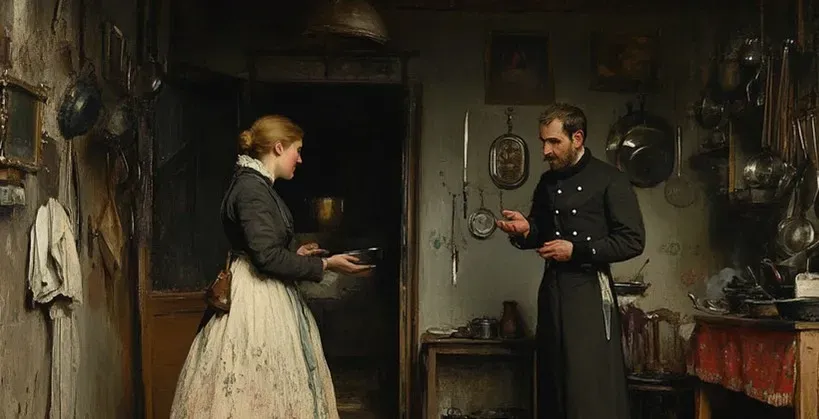
Premiering in Copenhagen in 1879, Ibsen’s drama centers on Nora Helmer, a wife whose carefully managed domestic life unravels over a secret loan. Its ending, in which she leaves her family, caused real controversy in its day. Some German productions of the era reportedly used a softened ending after pressure on Ibsen.
The play remains one of the most frequently produced works in world theater. It has been adapted and reimagined repeatedly, including Lucas Hnath’s sequel, A Doll’s House, Part 2, which reached Broadway in 2017. Questions about marriage, money and independence keep it relevant to new audiences.
Death of a Salesman by Arthur Miller

Arthur Miller’s play opened on Broadway in 1949 and won the Pulitzer Prize for Drama the following year. It portrays Willy Loman, an aging traveling salesman whose belief in the American Dream collides with his declining career. The story moves between present and memory, which gave American drama a fresh structural model.
Broadway has revived it multiple times, and regional and international companies stage it often. A 2022 Broadway revival with Wendell Pierce cast the Loman family as Black, which showed how adaptable the story is. Anxiety about work, worth and family expectations hasn’t faded.
A Midsummer Night’s Dream by William Shakespeare

This comedy, likely written in the mid 1590s, tangles up four young lovers, a group of amateur actors and a fairy kingdom in a moonlit forest. It’s among the most performed Shakespeare plays, partly because it’s playful and flexible. Directors can lean into slapstick, romance or stagecraft spectacle.
Outdoor summer productions are a staple, from community parks to professional festivals. Schools also favor it, since it offers roles for large casts and works well for first time audiences. Its mix of humor and magic keeps it a dependable crowd pleaser.
The Cherry Orchard by Anton Chekhov

Chekhov’s final play premiered at the Moscow Art Theatre in 1904, the year he died. It centers on an aristocratic family forced to confront the sale of their beloved estate. Chekhov called it a comedy, though many productions have played it with great sadness, and the debate over its tone hasn’t gone away.
Its quiet, conversational style influenced generations of playwrights. Companies in Russia, Britain, the United States and beyond continue to stage it, often in new translations or adaptations. Audiences recognize its portrait of a world changing faster than people can adjust.
Waiting for Godot by Samuel Beckett

Beckett wrote the play in French, and it premiered in Paris in 1953. Two men wait by a barren tree for someone named Godot, who never arrives. The sparse setting and circular dialogue helped define the Theatre of the Absurd.
It has been staged in unexpected places, including a well known 1957 performance for inmates at San Quentin State Prison. Major theaters keep reviving it, and its open ended meaning lets each production emphasize something different, from friendship to despair to stubborn hope. Few plays manage so much with so little.