Some of fiction’s most memorable villains didn’t start out that way. Long before they became the characters audiences loved to fear, they were trusted allies, celebrated protectors, or the very people others looked to for safety. Their fall from grace tends to hit harder precisely because we watched them stand on the right side first.
1. Anakin Skywalker becomes Darth Vader
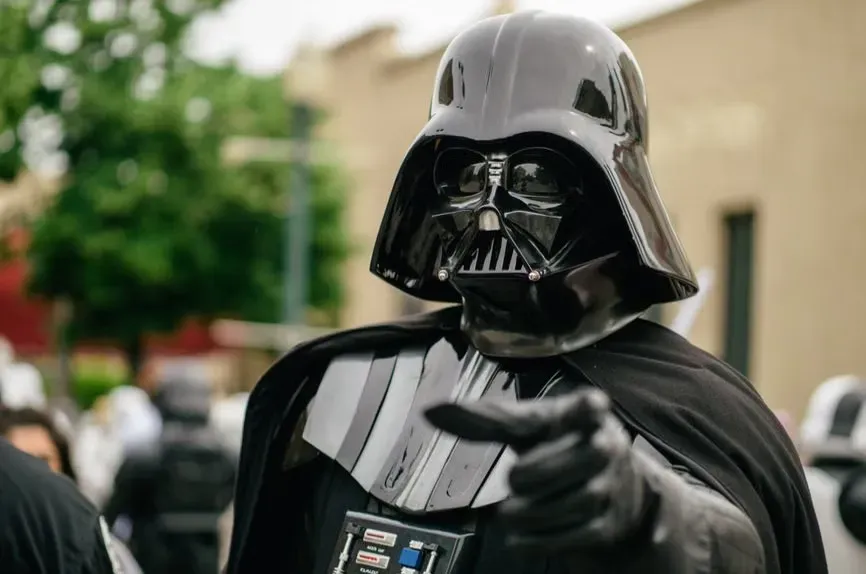
Before he was the black-armored enforcer of the Galactic Empire, Anakin Skywalker was introduced across the Star Wars prequel trilogy as a gifted young Jedi, a former slave freed by Qui-Gon Jinn, and eventually the “Chosen One” prophesied to bring balance to the Force. He fought alongside Obi-Wan Kenobi, served the Jedi Order, and was seen by many in the Republic as a genuine hero of the Clone Wars. His heroism wasn’t a disguise or a trick played on the audience, it was the foundation the character was built on for three entire films.
That foundation is what makes his descent into Darth Vader so effective as tragedy rather than simple villainy. Fear of loss, manipulation by Chancellor Palpatine, and his own pride pushed him toward the dark side, culminating in his transformation into the very enforcer who would later hunt down the Jedi he once served. George Lucas structured the prequels specifically so audiences would watch a hero dismantle himself piece by piece, which is a very different narrative trick than simply introducing a villain from the start.
2. Harvey Dent becomes Two-Face
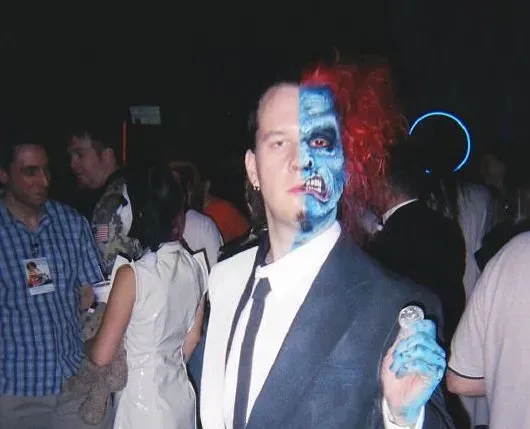
Two-Face is one of Batman’s oldest and most enduring rogues, but Harvey Dent debuted in Detective Comics #66 back in August 1942 as something quite different. He was dedicated to his job of upholding law and order and became one of the first supporters, allies, and even friends of Batman, forging a triumvirate with Batman and Commissioner Gordon to bring down Gotham’s worst criminals within the law. He was Gotham’s clean-cut district attorney, admired for his integrity and his partnership with the very vigilante he’d later become obsessed with.
That changed when Dr. Jonathan Crane accidentally injured and hideously scarred him during a pre-trial hearing, an event that fractured Dent’s psyche and led to his rebirth as Two-Face, a criminal obsessed with duality. The character’s coin-flip morality and split personality became a defining piece of Batman mythology precisely because writers never let readers forget who Dent used to be. Few origin stories in comics pair heroism and villainy so tightly within a single, unbroken identity.
3. Jean Grey becomes Dark Phoenix
Jean Grey was one of the five founding members of the X-Men, introduced by Stan Lee and Jack Kirby as a hero with telepathic and telekinetic gifts who fought alongside Cyclops, Beast, Iceman, and Angel from the team’s earliest days. For over a decade she was simply one of Marvel’s most dependable heroes, a stabilizing presence within the team rather than a threat to it. That changed with the Dark Phoenix Saga, which focused on the superhero Jean Grey and the cosmic entity Phoenix Force, chronicling her corruption by the power of the Phoenix and the Hellfire Club and the destruction she ultimately caused.
Created by writer Chris Claremont and artist John Byrne, the storyline first appeared in X-Men #129 in January 1980 and ran through issue 138 later that year. What made the saga resonate wasn’t just the spectacle of a hero turned cosmic threat, it was watching manipulation and unchecked power corrupt someone readers had trusted for years. The arc remains one of the most studied examples in superhero comics of a hero’s fall carrying real emotional weight because of who she was before it happened.
Partner offer
4. Bucky Barnes becomes the Winter Soldier
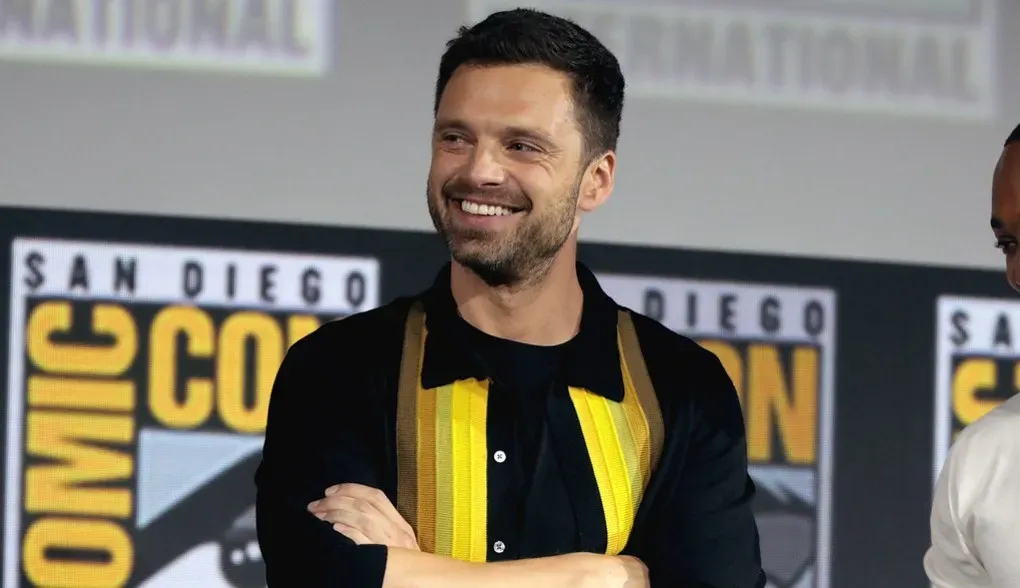
Bucky Barnes has been part of Captain America’s story since the character’s earliest days in the 1940s, originally introduced as Cap’s plucky teenage sidekick who fought alongside him against the Nazis and Red Skull. For decades Bucky’s death near the end of World War II was treated as one of comics’ few permanent deaths, a heroic sacrifice that stayed untouched even as other characters returned from the grave. That changed in 2005, when writer Ed Brubaker revealed that the mysterious villain known as the Winter Soldier was none other than Steve Rogers’ presumed-dead partner Bucky Barnes, reinvented as a deadly brainwashed Soviet assassin out for blood.
Brubaker revealed that Barnes’s official status as Captain America’s sidekick was actually a cover-up, and that Barnes began as a teenage operative trained to conduct covert assassinations that the twenty-something Captain America normally would not. The retcon didn’t erase Bucky’s heroic history, it recontextualized it, turning a beloved WWII hero into a Cold War villain shaped by trauma rather than malice. It’s a rare case where the “originally a hero” framing and the eventual villain turn were written decades apart, connected by one of comics’ most audacious twists.
5. Angel becomes Angelus
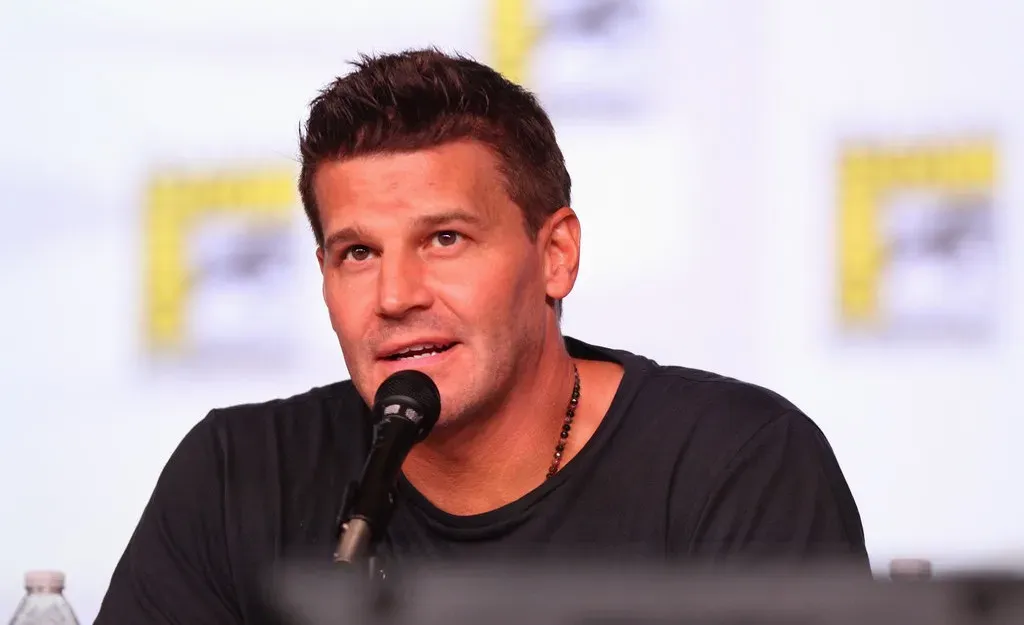
On Buffy the Vampire Slayer, Angel spent his early appearances as a soulful, brooding vampire who fought demons alongside Buffy Summers and served as one of the show’s clearest heroic figures. He was a vampire cursed with remorse and a human soul, and before that curse he had gone by the name Angelus, once the most sadistic vampire in Europe. For the audience, though, Angel was introduced and built up as a protector first, with his darker history revealed gradually rather than upfront.
That heroic footing collapsed after Buffy shared an intimate moment with Angel which extinguished his human soul, leaving her to realize she would have to destroy the now-evil Angel who had transformed into his previous persona of Angelus. The switch, which aired in the acclaimed two-part episode “Innocence” and “Surprise” during season two, remains one of television’s most talked-about examples of a beloved character turning monstrous almost overnight. The episode became the highest-rated episode of Buffy ever at the time it aired.
6. Willow Rosenberg’s turn toward darkness
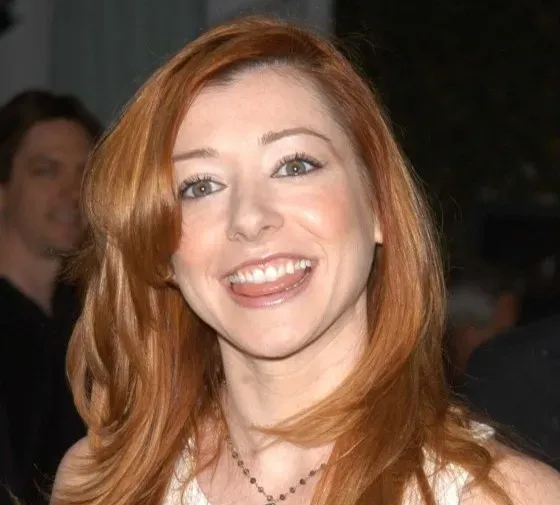
Willow Rosenberg spent most of Buffy the Vampire Slayer as the show’s shy, brilliant heart, a loyal friend whose growing magical abilities were framed as a strength that helped the Scooby Gang survive one crisis after another. She stepped up to fill the void left by Jenny Calendar’s death, and restoring Angel’s soul became her first real taste of significant power. Across several seasons, Willow was consistently one of the show’s most dependable heroes, using her magic to protect her friends rather than harm them.
That trajectory shifted sharply in the show’s sixth season, when the trauma of losing her partner Tara pushed Willow into what fans and the show itself came to call “Dark Willow,” a grief-fueled villain who turned her considerable power against friend and foe alike. In the seasons that followed her first taste of real magic, Willow became an extremely powerful witch who eventually went down her own dark path. Her arc stands out because the show never portrayed her as secretly villainous all along, it built her as a hero for years before letting grief and power unravel her. These six characters share a common thread even though they come from entirely different eras and mediums. Each one was given time to be seen as good, capable, and trustworthy before the story pulled that identity apart. That groundwork is what turns a simple plot twist into something closer to tragedy, because the villain an audience ends up watching is never a stranger. It’s someone they already knew.
Partner offer
Planning a trip to Vegas?
Compare hotel rates and show tickets on VEGAS.com.