
Every few years, a headline surfaces claiming a studio is “in talks” to remake a beloved classic, only for the project to quietly vanish a year later. Sometimes that’s just development limbo. Other times, though, the real obstacle isn’t rights or casting. It’s money, logistics, and a production scale that simply doesn’t exist anymore. Some films were expensive gambles the moment they were greenlit. Others became expensive by accident, spiraling wildly past their original budgets while directors chased something no one had attempted before. Either way, these eight movies sit in a strange category: too culturally important to ignore, too financially terrifying to touch again.
Titanic (1997)
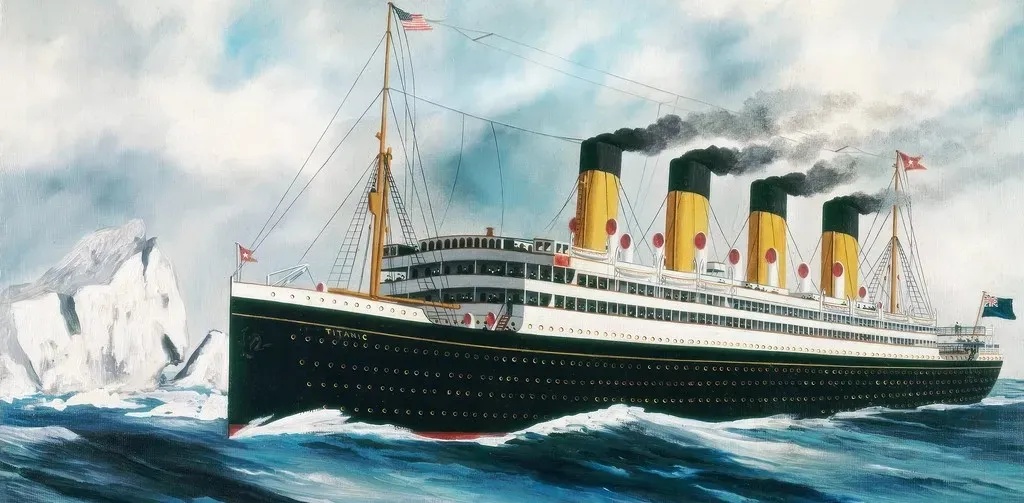
James Cameron’s disaster romance carried a production budget that reportedly reached around 210 million dollars, which in today’s dollars would land closer to 337 million. It was the most expensive film ever made at the time, with a production budget of $200 million. That figure covered a nearly full scale replica of the ship, a custom water tank built in Mexico, and visual effects work that was cutting edge for 1997 but would need a complete overhaul to look convincing by current standards.
Rebuilding that production today would mean paying union rates for thousands of crew members, insuring a massive floating set against modern safety regulations, and competing with visual effects houses already booked years in advance on other tentpoles. The film’s box office success, grossing well over two billion dollars worldwide, only makes the math worse for any studio executive doing the numbers. Replicating that kind of cultural moment isn’t just expensive, it may not even be repeatable, since audiences reacted to something genuinely new at the time.
Avatar (2009)

James Cameron’s groundbreaking sci-fi epic cost 237 million dollars to produce, pioneering performance capture and 3D technology. That number doesn’t include the additional years Cameron spent developing motion capture systems and camera rigs that didn’t exist before he needed them. A studio attempting a ground up remake today wouldn’t just be paying for a movie, it would be funding an entire technology division first.
Part of what makes Avatar nearly impossible to redo is that Cameron already owns the sequels, and Pandora as a setting keeps expanding under his own franchise rather than sitting idle waiting for a reboot. The original film had an estimated 2,500 visual effects shots, while 2022’s Avatar: The Way of Water had 3,250, achieved by a team of 1,300 artists. Any competing studio would need to match that scale of artistry while inventing a new world from scratch, since Pandora itself is tied up in Cameron’s ongoing series.
The Lord of the Rings trilogy (2001 to 2003)
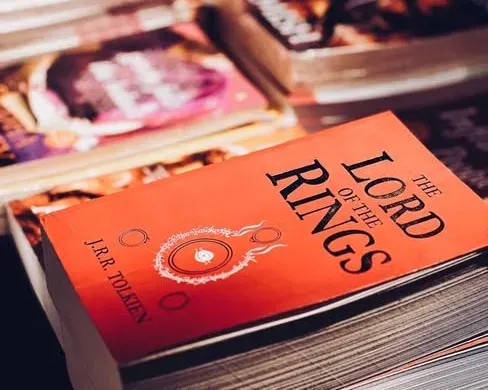
New Line Cinema staked its future on Peter Jackson filming three films back to back in New Zealand, and the gamble is still discussed as one of the boldest in studio history. According to Box Office Mojo, Jackson’s trilogy cost a total of 281 million dollars to make. That covered continuous location shoots across the country, extensive miniature work, and a cast that lived and worked together for the better part of a year.
The trilogy’s finale alone, The Return of the King, took home eleven Academy Awards, matching a record that only a handful of films in history have reached. Peter Jackson’s finale grossed 1.146 billion dollars worldwide and won 11 Oscars. A modern remake would need to secure New Zealand’s cooperation again, rebuild practical sets rather than lean entirely on digital shortcuts, and convince an ensemble cast to disappear into Middle earth for years, none of which comes cheap or easy in today’s production climate.
Cleopatra (1963)

Few productions in Hollywood history spiraled quite like this one. The film’s budget ballooned from 5 million dollars to 44 million dollars due to expensive sets, actors, and behind the scenes changes. Elizabeth Taylor’s illness, a director change, and a relocation from London to Rome all compounded the costs before a single scene made it to the final cut.
As the budget escalated, the studio almost went bankrupt, selling off nearly 300 acres of its backlot to stay in business. That land eventually became Century City, one of Los Angeles’s most valuable commercial districts, which means the financial fallout literally reshaped the map of the city. When all was said and done, Cleopatra racked up a budget equivalent to about 480 million dollars in 2026. No studio today would sign off on a production with that kind of open-ended spending, no matter how big the stars attached to it are.
Partner offer
Ben-Hur (1959)
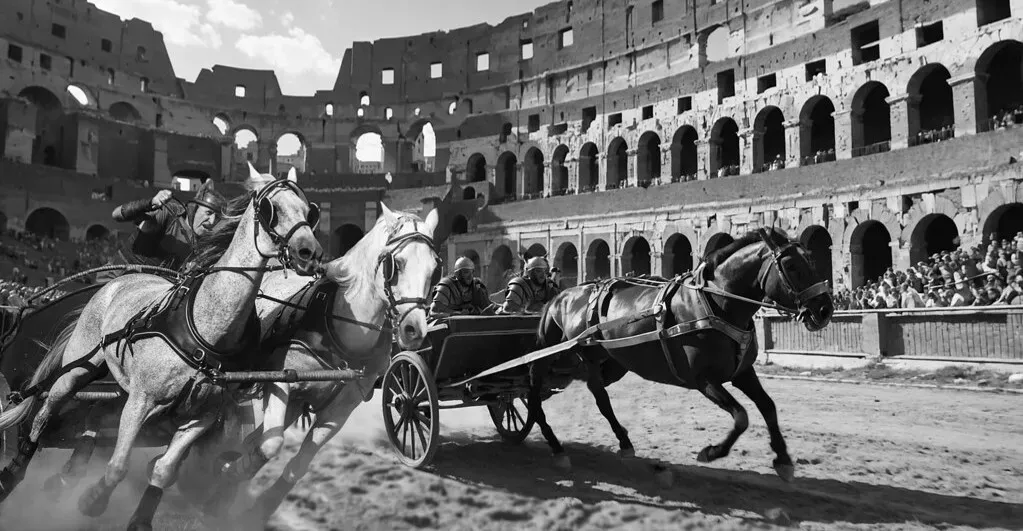
MGM’s biblical epic wasn’t just expensive, it was a last resort. The production cost MGM a massive 15 million dollars and was a gamble by the studio to save itself from bankruptcy, a gamble that paid off when the film earned 75 million dollars. The chariot race alone required 15,000 extras on a set constructed on 18 acres of backlot at Cinecitta Studios outside Rome.
The film went on to win eleven Academy Awards, a record it held alone for decades. Interestingly, Ben-Hur already got a modern remake in 2016, and it serves as a cautionary tale rather than encouragement. That remake cost more than 100 million dollars to make and opened to disappointing box office numbers. The lesson studios took away wasn’t that the story couldn’t work again, it was that the original’s scale and cultural weight simply can’t be manufactured on a modern budget without the same result falling flat.
Avengers: Endgame (2019)
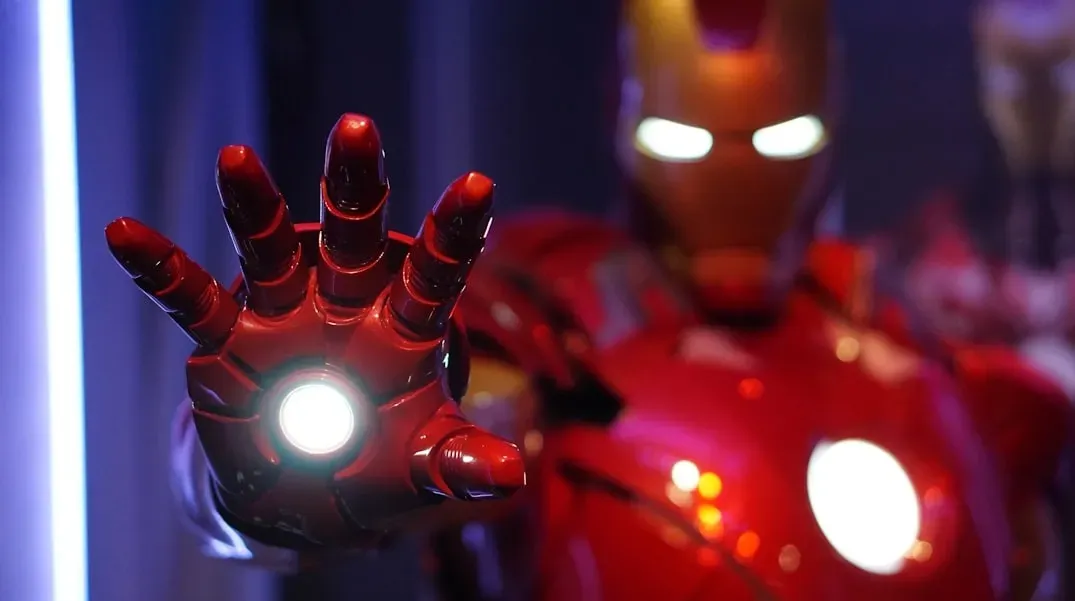
Endgame isn’t old, but it belongs on this list because of what it represents rather than its age. The film carried a 356 million dollar budget and earned 2.799 billion dollars worldwide, briefly surpassing Avatar as the all time box office champion. That budget only accounts for one movie, yet the film was really the payoff for eleven years and twenty one prior releases building toward the same moment.
Any studio hoping to replicate that kind of ending would need to fund an entire interconnected franchise first, not just one expensive finale. Marvel spent over a decade convincing audiences to invest emotionally in dozens of characters before Endgame could cash in on that loyalty. Redoing it isn’t really about money at that point, it’s about rebuilding over a decade of narrative infrastructure that took an entire studio division to construct the first time.
Apocalypse Now (1979)
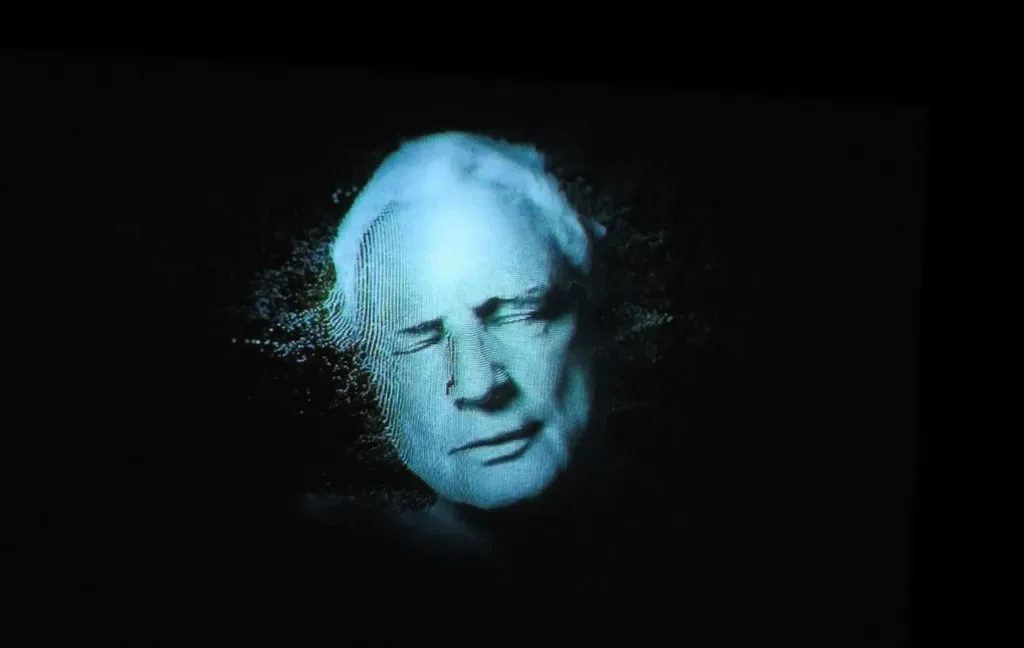
Francis Ford Coppola’s Vietnam War epic is remembered almost as much for its chaotic production as for the finished film itself. The shoot took place in the Philippines, where the crew dealt with a typhoon that destroyed sets, real military helicopters borrowed from the Philippine government, and a lead actor who suffered a heart attack partway through filming. The budget swelled well past its original estimate as the schedule stretched from months into well over a year.
What makes Apocalypse Now nearly impossible to remake today isn’t just the cost, it’s the access. Modern safety regulations and insurance requirements would never permit the kind of unscripted risk that defined the original shoot, and borrowing an active government’s military hardware for a film set is far less realistic in the current geopolitical climate. The rawness that made the film feel dangerous on screen came directly from a production that genuinely put people in danger, which is not something any studio would sign off on now.
Gone with the Wind (1939)
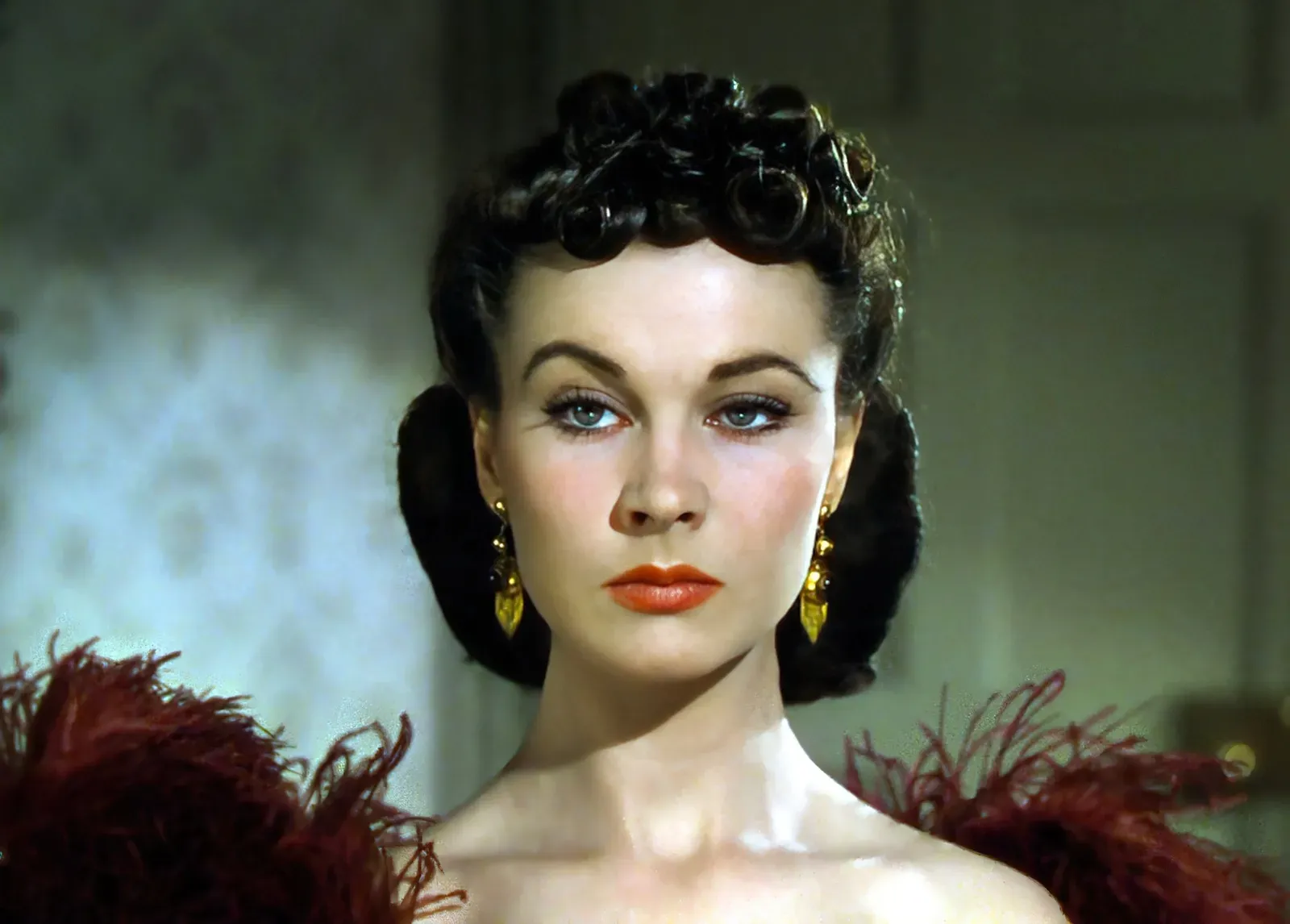
Adjusted for inflation, Gone with the Wind remains one of the highest grossing films ever released, a distinction that has held for over eight decades. The production was massive for its era, involving an enormous cast, elaborate period costuming, and the famous burning of the Atlanta set, which was staged using old sets from previous MGM productions to save money at the time. Even with those cost saving tricks, it was one of the priciest films Hollywood had attempted up to that point.
A remake today would face a different kind of expense entirely. Beyond the sheer scale of recreating a Civil War era production with historically accurate detail, the film’s treatment of slavery and the Old South has made any modern retelling a minefield that most studios have chosen to avoid outright. The financial risk of a costume epic on that scale, combined with the cultural sensitivity required to handle the material responsibly, has kept it firmly shelved rather than revived.
Partner offer
Planning a trip to Vegas?
Compare hotel rates and show tickets on VEGAS.com.