There’s a particular kind of tragedy in cinema that goes largely undiscussed: the performance so committed, so alive, so precisely right that it should have changed everything, and yet the film around it disappeared before most people could even buy a ticket. Box office success is a poor measure of a movie’s quality, and receipts are affected by marketing campaigns, timing, and several other factors that have nothing to do with the content of the film itself. Sometimes the problem is bad timing. Sometimes it’s a crowded release weekend. Plenty of great movies have been the victims of bad timing, ineffective marketing campaigns, or simply being too “out there” for the general public. What makes these cases especially haunting is that the acting itself, stripped away from the commercial failure, is absolutely extraordinary. These are seven of the most striking examples.
Robert De Niro in The King of Comedy (1983)
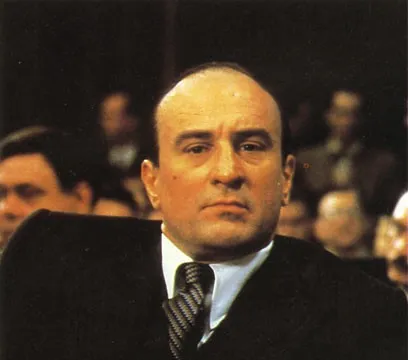
The King of Comedy is a 1982 satirical black comedy directed by Martin Scorsese, starring Robert De Niro alongside Jerry Lewis and Sandra Bernhard, following an aspiring stand-up comedian whose obsessive desire for fame leads him to target a successful late-night television host. The film received generally positive reviews from critics, who praised its performances, particularly those of De Niro and Lewis. Despite that critical response, it was a commercial failure, grossing approximately $2.5 million against a production budget of $19 million.
De Niro’s portrayal of Rupert Pupkin is both unsettling and tragic, embodying a man so consumed by the idea of fame that he loses all sense of reality. Jerry Lewis, in a rare dramatic role, brings depth to the cynical and weary talk show host, serving as a stark contrast to Rupert’s manic energy. The film’s commentary on celebrity culture, media obsession, and the pursuit of fame remains eerily relevant today. In the years following its release, The King of Comedy has undergone significant critical reappraisal and is widely regarded as one of Scorsese’s most distinctive and prescient works, with its exploration of fame and media spectacle earning it cult status.
Jim Carrey in Man on the Moon (1999)
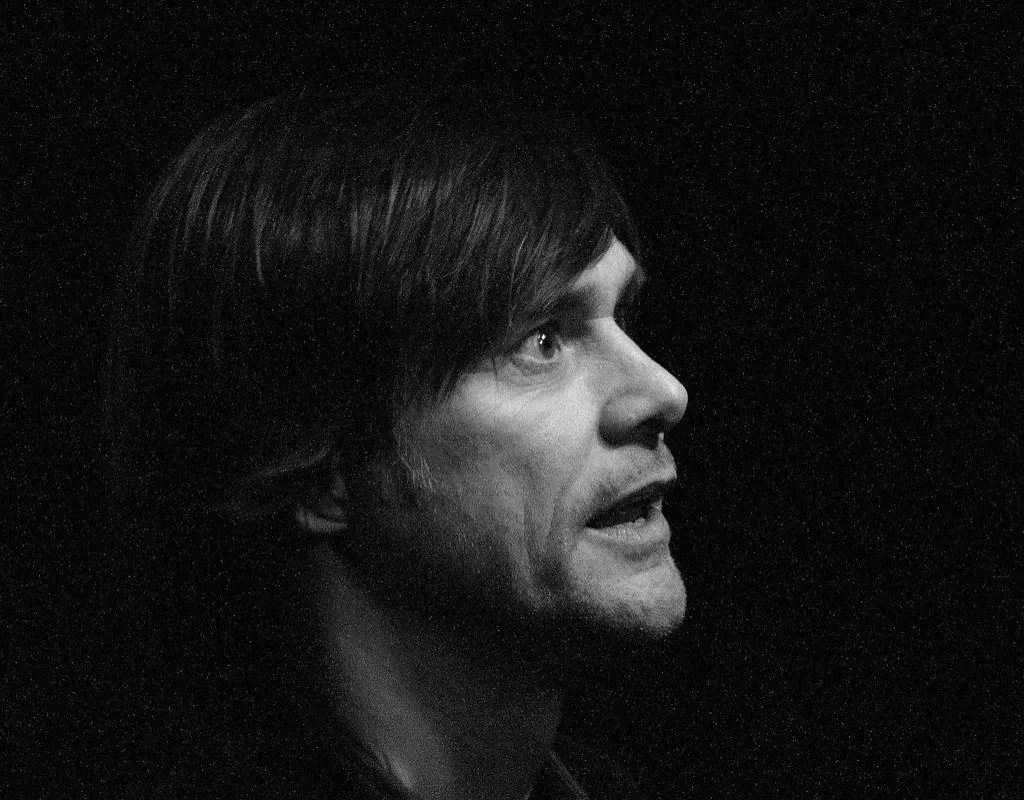
Man on the Moon is a 1999 biographical tragicomedy about American entertainer Andy Kaufman, starring Jim Carrey as Kaufman and directed by Miloš Forman, featuring Danny DeVito, Courtney Love, and Paul Giamatti. The film was a flop at the box office, earning $47 million against a reported budget of $82 million and receiving mixed reviews. Carrey’s performance, however, received wide praise and earned him a Golden Globe.
The film’s production is notable for Carrey’s rigid method acting, staying in character as Kaufman both on and off the set for the duration of production. Carrey’s adherence to the role reached the extent where he would develop unscripted tics and habits that were previously characteristic of Kaufman himself. The documentary Jim & Andy: The Great Beyond was released in 2017 and chronicles Carrey’s performance as Kaufman, a performance he maintained during much of the film’s production. The film was buried under a staggeringly crowded Christmas 1999 release slate, and one of cinema’s most immersive acting feats quietly slipped away with it.
Clive Owen in Children of Men (2006)
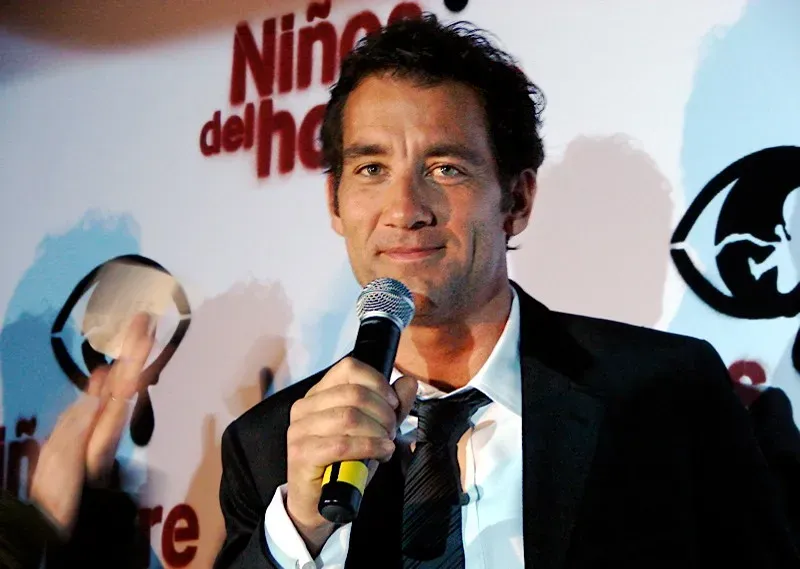
Clive Owen had starred in several critically acclaimed movies during the 2000s, including Spike Lee’s Inside Man and Sin City. While both were huge commercial hits, the same could not be said for Alfonso Cuarón’s Children of Men, which only received a limited release and thus didn’t have a good chance of breaking even at the box office. The dystopian thriller, set in a near-future England where humanity has lost the ability to reproduce, demanded something quietly devastating from its lead actor.
Children of Men was immediately praised by critics when it was released and has influenced a whole generation of science fiction movies. The long takes in the action scenes are particularly effective and bring the best out of Owen. He is captivating in the film’s quiet moments, but he also sells the frantic panic of the postapocalypse perfectly. His career-best performance certainly deserved a bigger audience.
Scarlett Johansson in Under the Skin (2013)

Of all of Scarlett Johansson’s box office bombs, Under the Skin deserves to be reevaluated. This is more true than ever after director Jonathan Glazer won the Oscar for Best International Feature for his later film, The Zone of Interest. While critics were always kind to Under the Skin, it premiered before A24 had the box office draw it has today, and was overlooked for its intense subject matter and unsettling atmosphere.
Johansson plays an alien predator cruising the streets of Scotland in the guise of a woman, seducing men with chilling detachment. The performance is almost entirely physical, non-verbal, and built on sustained strangeness rather than conventional dramatic beats. It’s the kind of work actors rarely get the chance to do, and rarer still to do this well. The film earned barely a fraction of what it deserved at the box office, and Johansson’s genuinely alien presence in it remains one of the most underrated achievements of her career.
Ben Affleck in Hollywoodland (2006)
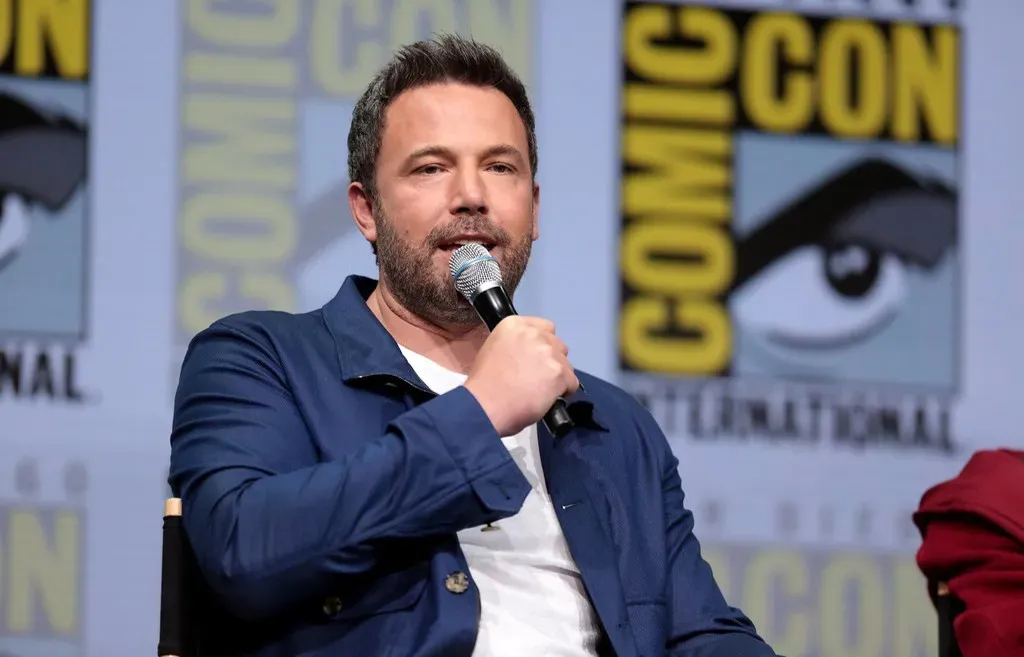
In the 2006 film Hollywoodland, Ben Affleck played real-life Superman actor George Reeves. Playing a historical figure continually tests an actor’s abilities, but Affleck made for an incredibly convincing Reeves, with everything from his accent to his mannerisms capturing a convincingly authentic portrayal. The film unravels the mystery surrounding Reeves’ death in 1959, casting Affleck in a dual-natured role that demanded both Hollywood golden-era charm and quiet disintegration.
Hollywoodland has its own cult following, but it never received the recognition it deserved, meaning Affleck’s performance continues to go unappreciated. As far as playing the role of a real person goes, Affleck was a perfect fit for his subject, and he captures the tension of the key gun scene brilliantly. At a time when Affleck’s reputation in Hollywood was at a low point, this performance quietly demonstrated exactly what he was capable of. Almost nobody noticed.
Michael Keaton in The Founder (2016)
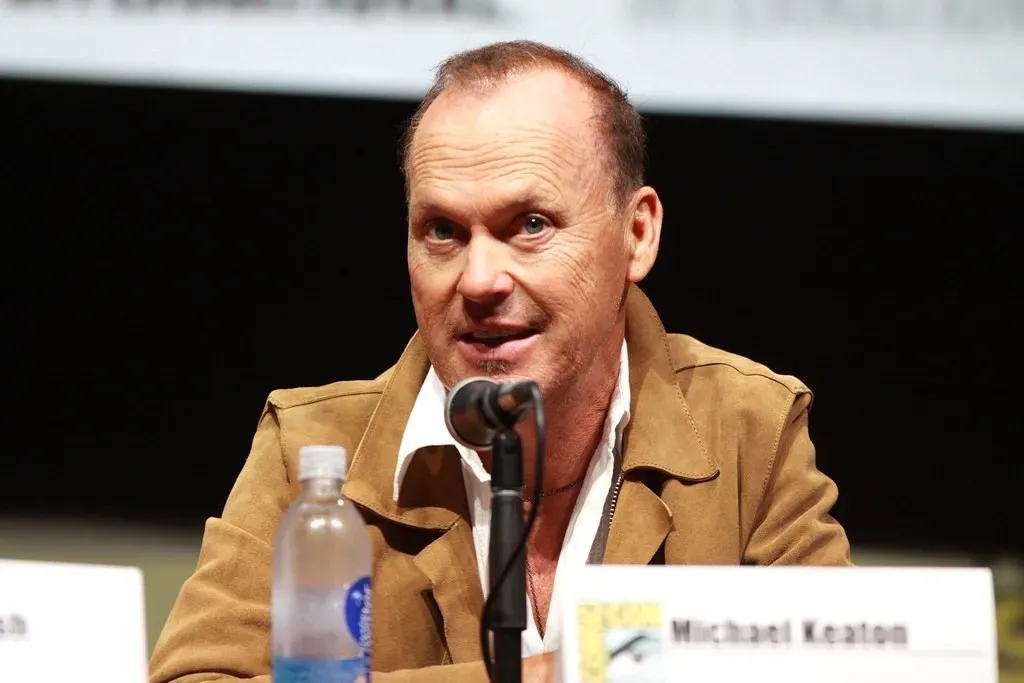
Michael Keaton, recognized for his roles in the 1980s and 1990s and his later resurgence with films like Birdman and Spider-Man: Homecoming, delivered a standout performance as Ray Kroc in the lesser-known The Founder from 2016. Keaton’s portrayal of the McDonald’s CEO adds depth to the character and carries the entire film. The story follows Kroc’s transformation from a struggling milkshake machine salesman into the predatory businessman who seized control of a family-owned burger restaurant and turned it into a global empire.
The film was released with minimal fanfare in early 2017 and vanished quickly from theaters. Yet Keaton’s performance is a masterclass in slow moral corruption, charming in the early scenes and genuinely unsettling by the end. He doesn’t play Kroc as a villain. He plays him as a man who believes every rationalisation he tells himself, and that’s far more disturbing. Great movies have a good chance of having their reputations restored in the years following their release, meaning an actor can suddenly see one of their forgotten gems recognized as their best work. The Founder is overdue for exactly that kind of reassessment.
Robert Downey Jr. in Chaplin (1992)
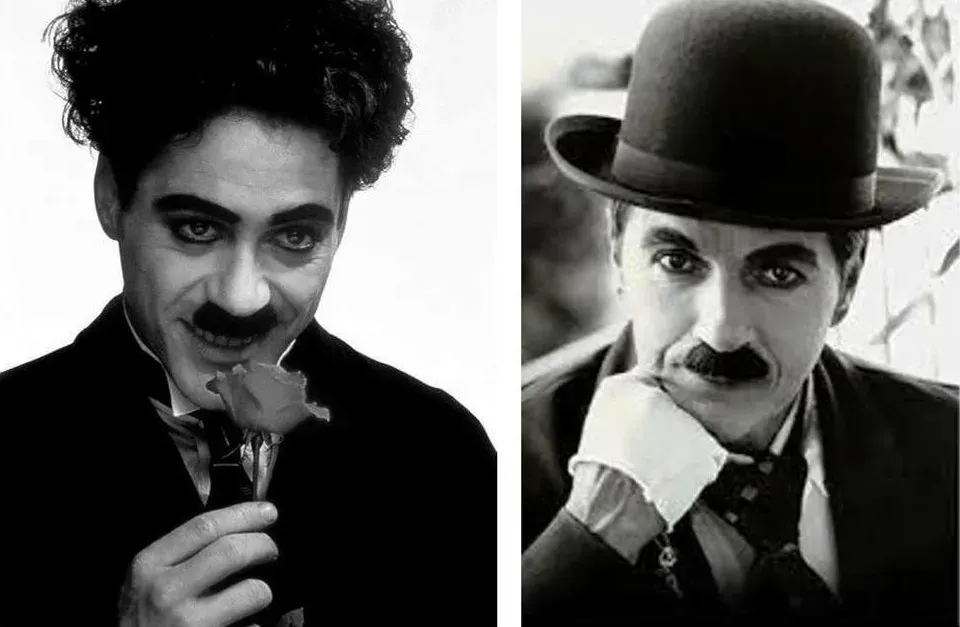
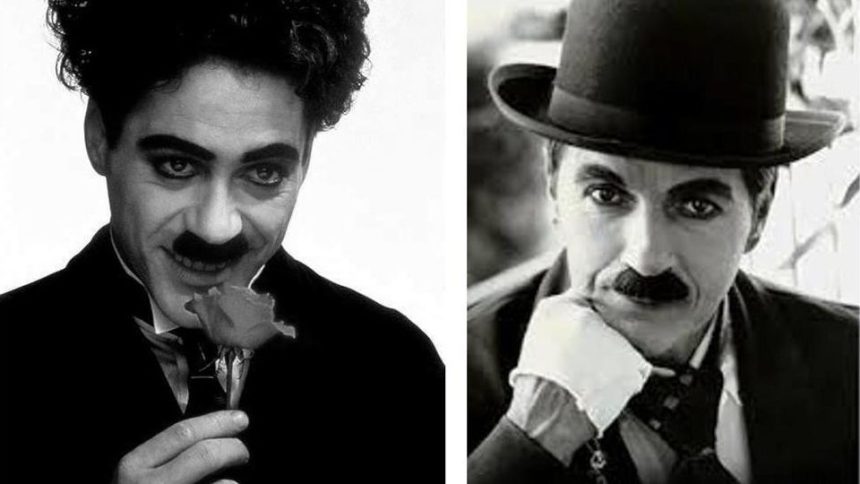
Despite being nominated for three Oscars, including a Best Actor nod for Downey, Chaplin remains an underrated flop of a movie. Released alongside hits like Aladdin, A Few Good Men, and Home Alone 2, the film bombed at the box office. Richard Attenborough’s direction provides a comprehensive look at Chaplin’s life and the evolution of his artistry, though critics stated it took too much dramatic license.
Downey played Chaplin from his early twenties through old age, mastering the physical comedy of the silent era, the precise body language of the Little Tramp, and the emotional arc of a man who lived almost entirely in public while hiding profound pain in private. It’s the sort of total performance that demands physical transformation, historical research, and genuine charisma all at once. With Downey becoming arguably Hollywood’s biggest star in the following decades, there should be considerably more interest in this film for a potential reappraisal. The performance stands as one of the most technically demanding in his career, and far too few people have ever seen it. The pattern across all seven of these performances is consistent: the work itself was undeniable, but the circumstances conspired against it. A crowded release schedule, limited marketing, a premise that was simply ahead of its moment. A disappointing theatrical performance doesn’t have to be a death sentence, and many flops go on to be reevaluated as classics, cult or otherwise, in their own right. For these seven actors, that reappraisal is not just warranted. It’s long overdue.