There’s a moment in almost every great performance where the illusion just clicks, where you stop seeing an actor and start believing in a person who was born somewhere else entirely. Accent work is one of the hardest tricks in the business, the kind of skill that can make or break a role in seconds. Some performers spend months with dialect coaches, listening to recordings on loop until the sounds become second nature. Others, it seems, just have an ear for it, picking up a new voice fast enough to fool casting directors, co-stars, and eventually millions of viewers who had no idea they were watching someone playing far outside their own accent.
Idris Elba hides his London roots to become Baltimore’s Stringer Bell
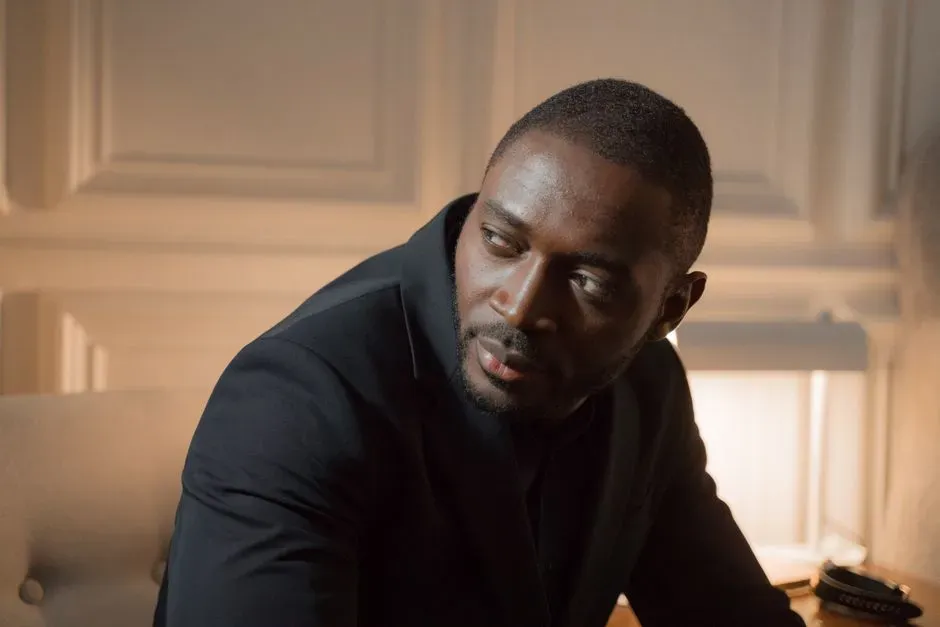
Before Idris Elba became one of Britain’s most recognizable exports, he had to disappear his own voice completely to land the role that made his career. Elba detailed just how far he went to land the role, saying he hid his English accent from series creator David Simon to prove he was American enough for the part. The stakes were real, since David Simon specifically told the casting director he did not want to see any non-Americans for the roles, insisting he needed people who could really relate the story he was trying to tell.
When Elba got his callback with the producers, he was warned to keep his background quiet. The casting director told him to obscure the fact that he was from East London when he was called back to audition for the producers. He didn’t fully manage to keep the secret, but by then his performance had already done the convincing. Elba immediately broke down and confessed, and Simon was impressed anyway, thereafter awarding him the role of Stringer Bell. Years later, the accent still runs deep enough that he has admitted watching himself play American characters back is genuinely uncomfortable.
Dominic West gets a crash course in “po-lice” for The Wire
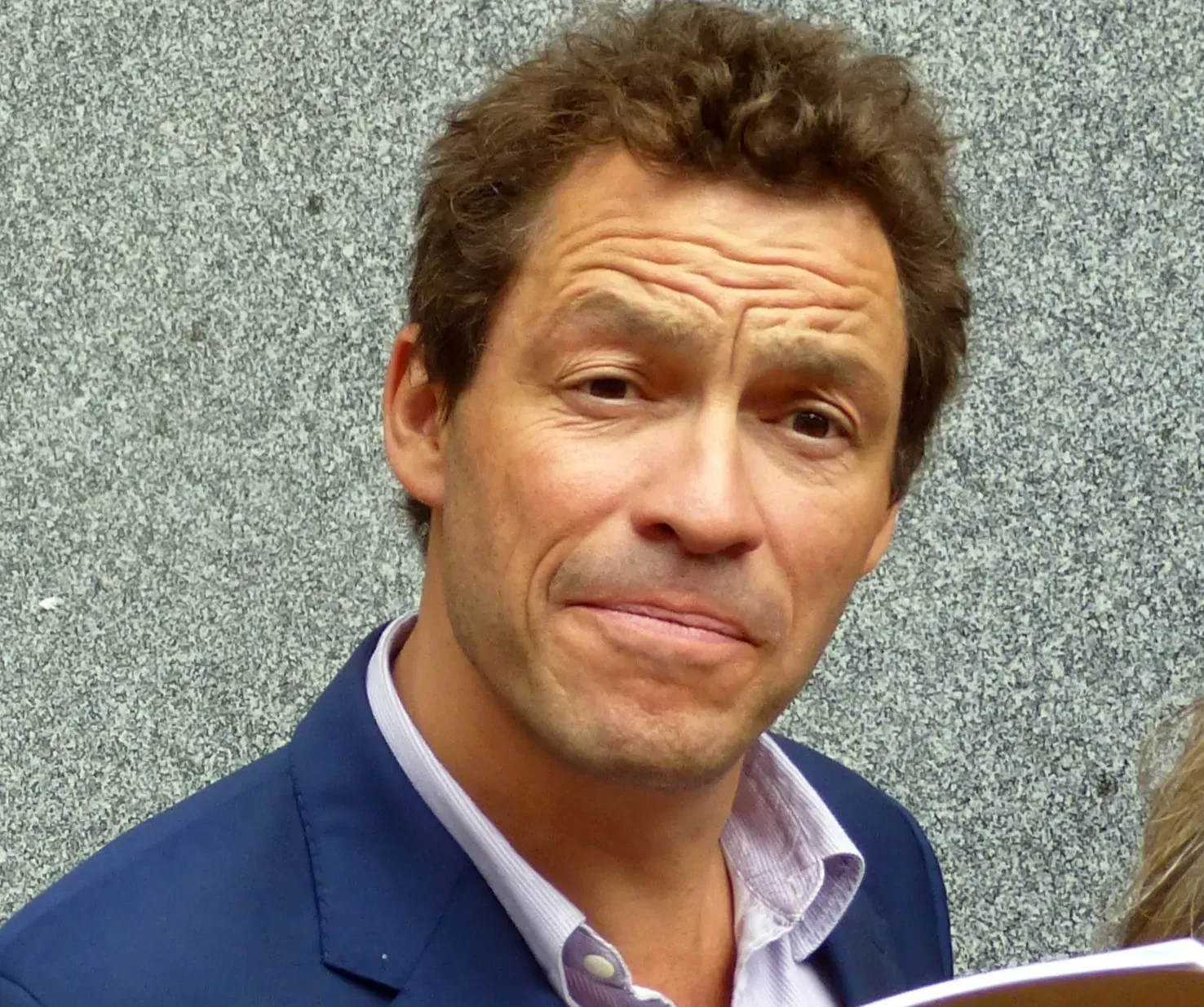
Elba wasn’t the only Brit on The Wire pulling off a vanishing act. Two principal characters, Stringer Bell and Jimmy McNulty, were played by British actors Idris Elba and Dominic West, who had to adjust their accents to be authentic in their roles. West’s process reportedly involved some very direct, very patient coaching straight from the show’s creator, with co-creator Ed Burns recalling that West spent a lot of time going over the accent with David Simon, correcting him from saying “police” to the local pronunciation “po-lice.”
West also leaned on the people around him, including veteran stage actor Peter Gerety, who played Judge Daniel Phelan on the show. Gerety said West asked him for guidance, telling him he needed help getting the Baltimore accent down because, of course, he was British, and Gerety noted that West actually did a really good American accent, but sat with him working through it for a couple of days to get closer to the target sound. The result was so convincing that critics later called the show’s dialect work some of the most impressive ever put on television, and most American viewers never clocked either lead as anything but a local.
Hugh Laurie tricks his own director into thinking he’s American
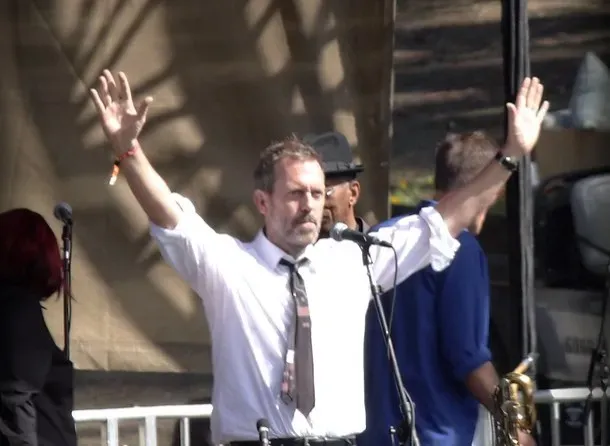
Few accent stories are as quietly astonishing as Hugh Laurie’s audition tape for House. The actor was so convincing that the show’s own creative team initially missed the fact he wasn’t American at all. Laurie was so convincingly American in his audition that director Bryan Singer, who had been adamant the role go to an American actor because he doubted British performers could manage a convincing American accent, had stopped considering British audition tapes entirely.
Laurie sent his tape in anyway, reportedly recorded in a hotel bathroom because it was the only room with decent lighting, and the accent held up scene after scene for eight seasons. Even so, he has admitted the work never got easy. Laurie has said it is immensely hard to speak American, that he has to struggle and check himself every day, every scene, and every sentence, and that it is almost like speaking another language, mentally very draining. That kind of ongoing effort, hidden behind a seemingly effortless performance, is exactly what makes his House audition such a favorite case study among dialect coaches.
Daniel Kaluuya builds an American voice from scratch for Get Out
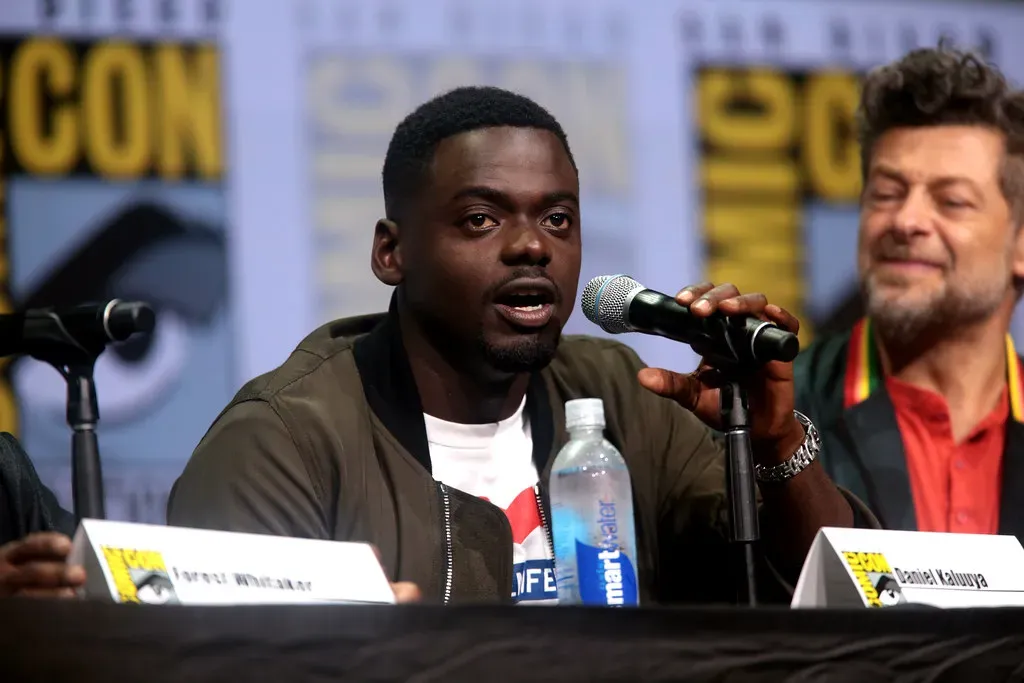
Daniel Kaluuya’s American accent in Get Out felt so specific, so lived in, that plenty of viewers assumed he simply was American. Getting there took a deliberate, thoughtful approach rather than a generic imitation. While trying to learn the American accent, Kaluuya discovered he was being taught the general white American accent, and realized he needed to figure out who he would be if he were American in order to pull it off correctly.
Partner offer
He later explained the reasoning behind that choice in more detail during a public conversation about his career. Kaluuya said he did accent classes and then realized a lot of them teach a white American accent without even recognizing it, so he said he wanted a Black one because he is Black, and built a general accent rooted in what he might have sounded like if born in New York or Philadelphia. He kept the accent running throughout filming, off camera included, a habit that has become common among actors chasing that same seamless effect.
Andrew Lincoln records a Southern audition tape from a comic shop parking lot mentality
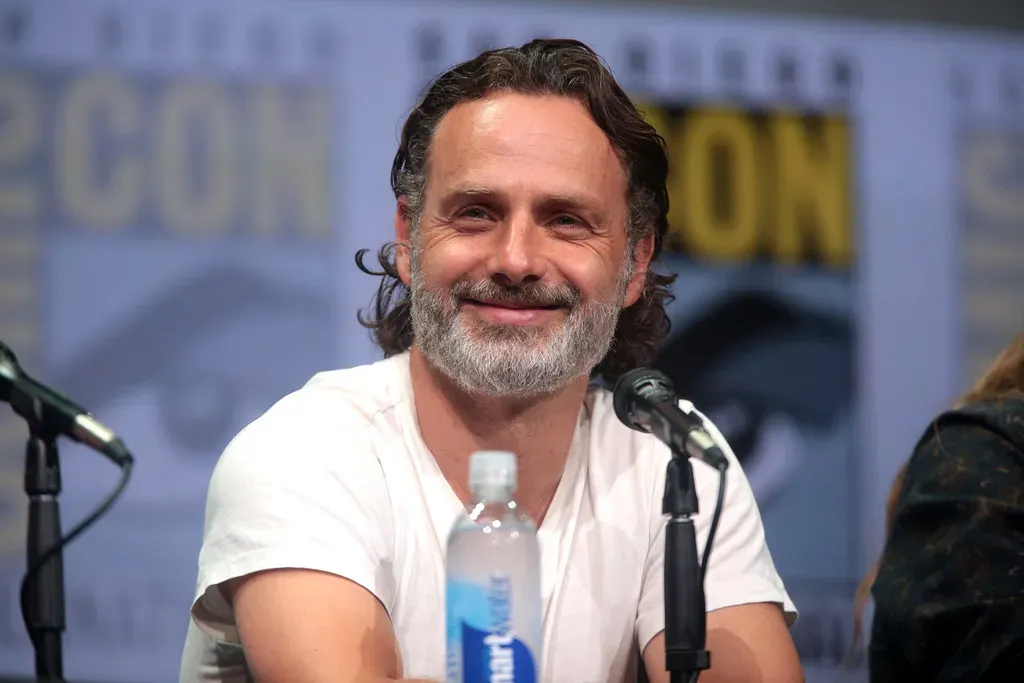
Andrew Lincoln’s transformation into Georgia sheriff’s deputy Rick Grimes for The Walking Dead is one of the more unlikely accent success stories in modern television. The London born actor had barely heard of the source comic before diving into research and recording an audition tape in a voice nothing like his own. After his agent suggested he audition for the new AMC series, Lincoln, having never heard of the comic before, visited a comic book store, then set to work and made a tape of himself speaking in a Southern accent.
The tape worked well enough that the people casting the show had no idea what they were watching. Executive producer Gale Anne Hurd hinted that the casting panel weren’t familiar with the actor and didn’t necessarily know he was British before watching the tape. Lincoln kept sharpening the accent well after landing the part, and by his own account practiced by simply living in it during everyday errands. He practiced his accent ordering coffees and fried chicken in the weeks before filming the first season.
Margot Robbie narrows in on one very specific American voice for I, Tonya
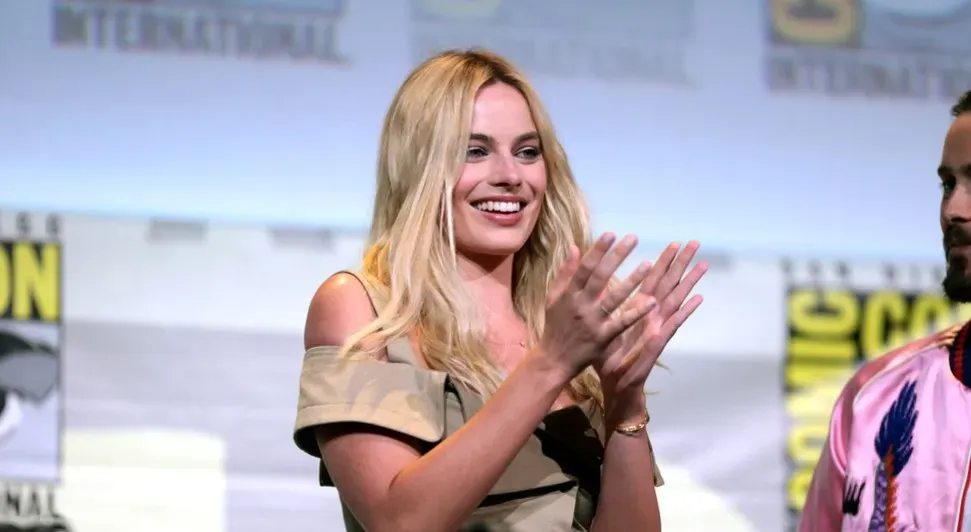
Margot Robbie’s accent work in I, Tonya stands out because she wasn’t chasing a generic American sound at all. She was chasing one particular person’s very particular way of talking. Margot Robbie in I, Tonya didn’t just learn a general or standard American accent for the role, she learned to sound specifically like Tonya Harding, whose accent is slightly different from the general American accent.
That kind of precision takes real study, usually built around close listening and constant self correction rather than a one size fits all dialect template. Dialect coaches who train actors for this kind of specificity generally recommend practicing with clips of the targeted dialect and then recording yourself and comparing it to the accent you’re trying to do, since with practice you start to hear the differences between both. Robbie, an Australian actress with plenty of prior American roles under her belt already, still had to treat Harding’s voice as its own separate challenge, and the performance earned her an Oscar nomination partly because the accent never once felt like a costume.
Charlize Theron trades her South African vowels for an accent so complete it nearly erased her own
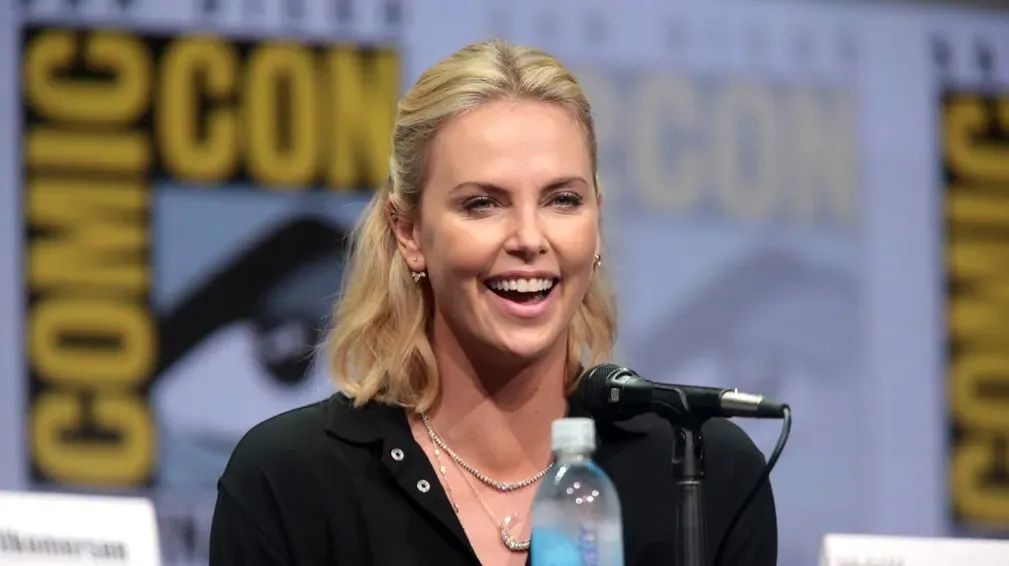
Charlize Theron’s relationship with the American accent is a little different from the others on this list, because for her it became less of a performance trick and more of a permanent shift. Born and raised in South Africa, Theron moved to the United States as a teenager pursuing a modeling and acting career, and picked up the American accent so thoroughly that it eventually became her default speaking voice in interviews and public life. It’s a rarer outcome among actors who typically switch an accent on for a role and off again once filming wraps.
What makes her case notable within accent circles is less about a single dramatic on set story and more about longevity and consistency across decades of American roles, from Monster to Bombshell to countless action franchises. She still slips back into her native South African accent occasionally in interviews, proof the original voice never fully disappeared, it just got pushed into the background by years of practice. For a performer who essentially had to rebuild her everyday speech pattern rather than simply borrow one for a few months of shooting, that level of long term accent fluency puts her in a category of her own.
These seven stories share a common thread beyond the accents themselves. Each actor treated the sound of a character as seriously as the words on the page, understanding that an audience will forgive almost anything except a voice that rings false. Some leaned on coaches, some leaned on instinct, and a couple leaned on sheer nerve, sending in audition tapes that fooled the very people doing the hiring. What ties them together is a willingness to disappear into someone else’s voice completely, even when that meant hiding a piece of who they actually were, at least until the cameras stopped rolling.Partner offer
Planning a trip to Vegas?
Compare hotel rates and show tickets on VEGAS.com.