Hollywood loves a good origin story, but some of the most compelling ones never happened on a soundstage at all. Long before certain household names picked up a script, they picked up a rifle, a radar manual, or a lifeguard whistle in service to their country. Their military years shaped how they carried themselves on screen decades later, often in ways audiences never fully realized.
1. Adam Driver’s three years in the Marine Corps
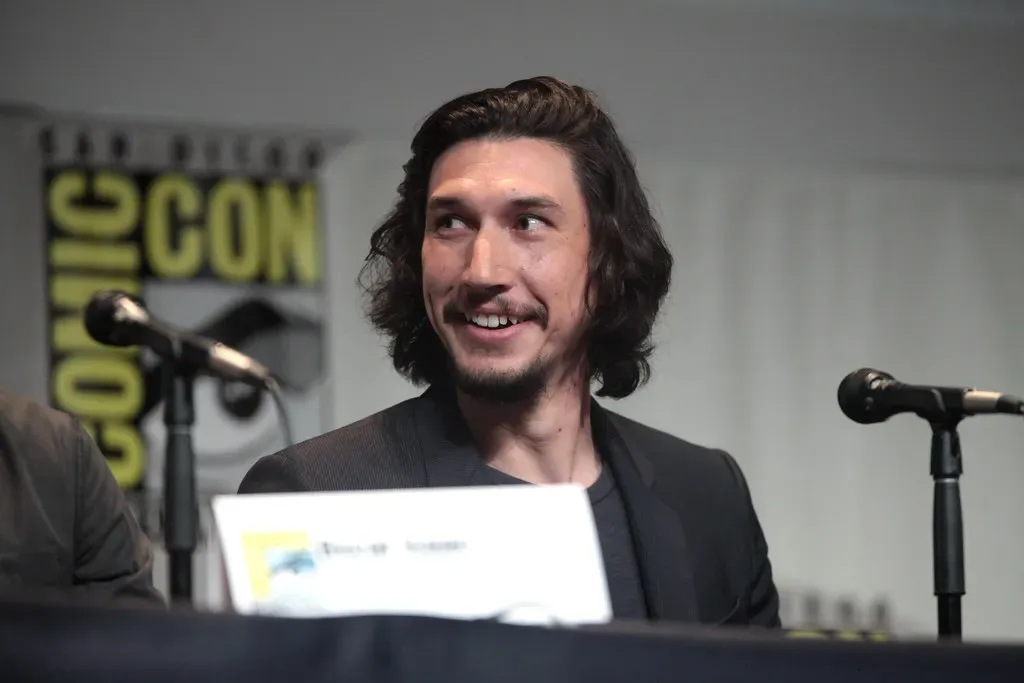
Adam Driver was working odd jobs in Indiana when the September 11 attacks filled him with a desire for retribution and prompted him to join the military, enlisting in the Marine Corps in 2002. After completing boot camp, he was assigned to Weapons Company, 1st Battalion, 1st Marine Regiment, 1st Marine Division at Camp Pendleton, California, as an 81mm mortarman. He had actually applied to Juilliard before enlisting and was rejected, so the Marines were not a detour from acting so much as a different kind of proving ground.
He officially enlisted in 2002 and would go on to serve for two years and eight months, later saying the Marines was one of the things he was most proud of having done in his life. His deployment plans ended when he suffered an injury in a bicycle accident that prevented him from going overseas. After his discharge he reapplied to Juilliard and got in, eventually building a career that includes Star Wars and multiple Oscar nominations, and he later co-founded a nonprofit connecting theater with active-duty troops and veterans.
2. Morgan Freeman’s four years chasing a cockpit
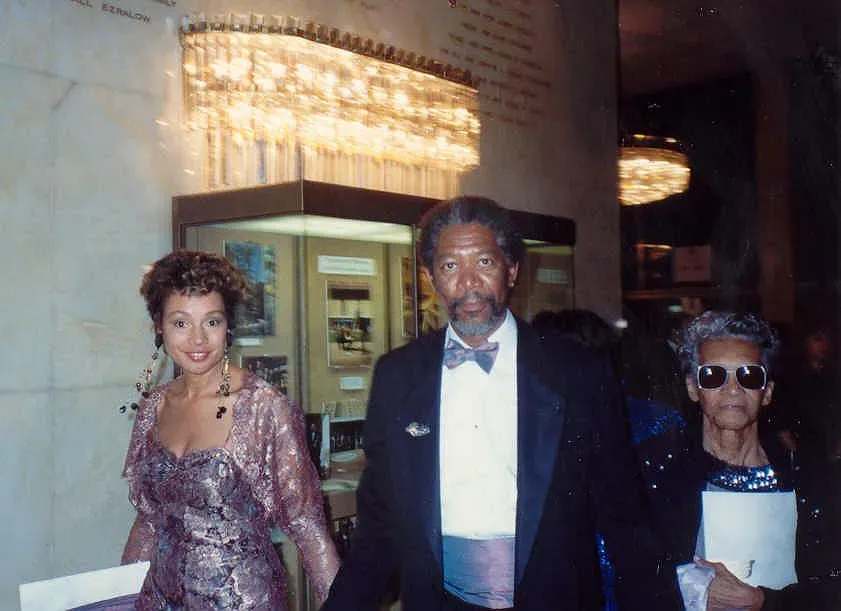
Despite being offered a scholarship for drama from Jackson State University, Morgan Freeman instead joined the U.S. Air Force in 1955. He became a radar repairman in the Air Force while waiting for a chance to become a pilot, working on tracking radar stations that would align radar antennae toward an incoming target, such as a missile or aircraft. The job was a far cry from the fighter-pilot fantasy that drew him in, but he stuck with the assignment for years while angling for flight training.
When his moment finally came, reality did not match the dream. At first he felt right at home in the military, but when he was able to train as a fighter pilot, the reality of the job began to take its toll, and he described the feeling as sitting in the nose of a bomb. He realized that acting was his true vocation, so after four years in the Air Force he was honorably discharged as an airman first class in 1959, later moving to Los Angeles to study at the Pasadena Playhouse before a career that would eventually include Shawshank Redemption and an Academy Award.
Partner offer
3. Clint Eastwood’s Army stint at Fort Ord
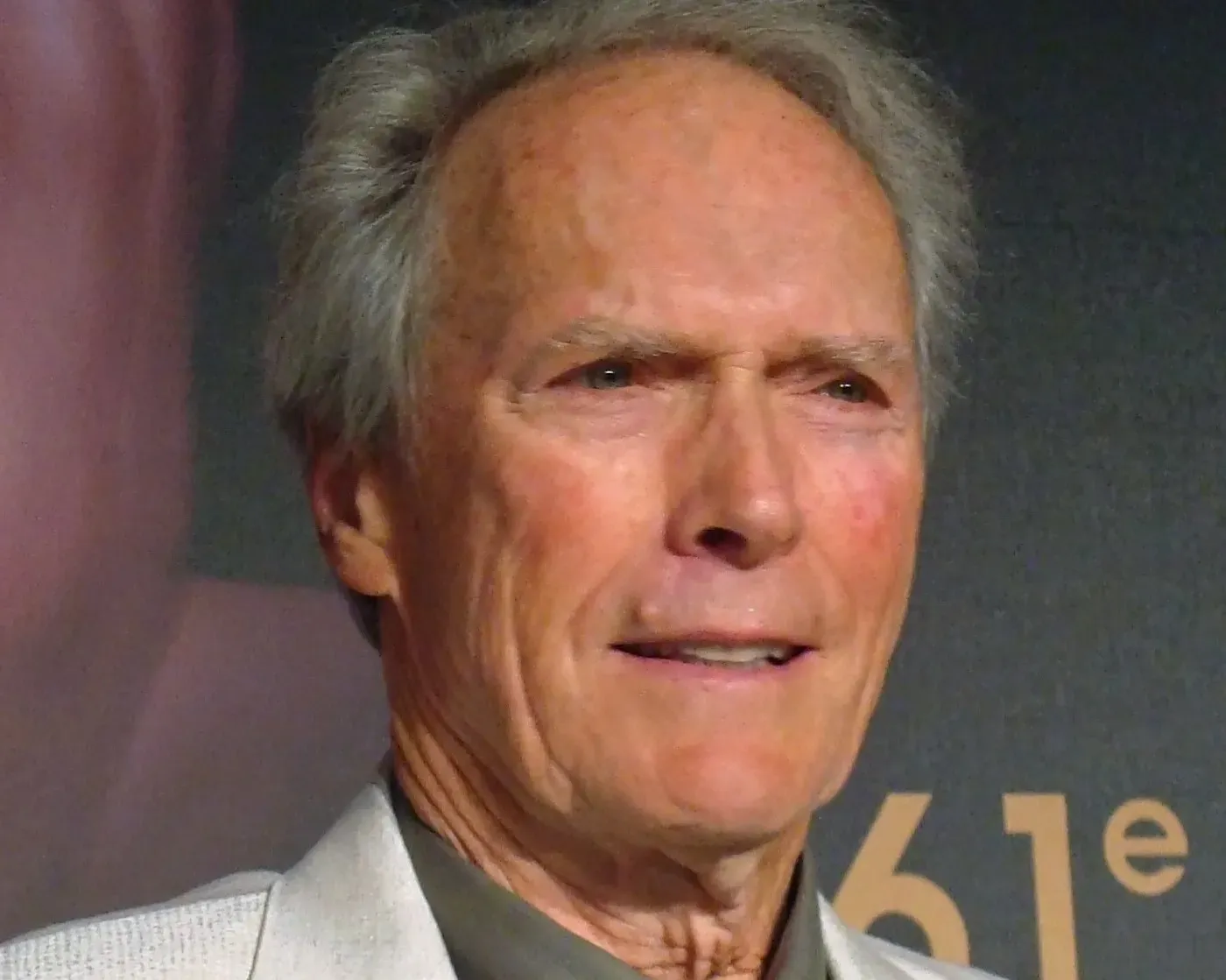
The Army drafted Clint Eastwood in 1951 and stationed him at the now-closed Fort Ord in California during the Korean War. He spent much of his military career as a swimming instructor and lifeguard at Fort Ord, a fairly ordinary assignment that turned into an extraordinary bit of luck. While being ferried back to duty in a bomber that ran out of fuel and crashed into the ocean near Point Reyes, Eastwood’s strong swimming helped himself and the pilot survive by swimming two miles to shore.
That near-disaster indirectly opened doors in Hollywood, since surviving Marines and airmen connected him with contacts in the industry. Returning to California in 1951, he did a two-year stint at Fort Ord Military Reservation and later enrolled at L.A. City College, but dropped out to pursue acting. He went on to become one of the defining faces of the Western genre and, later, an accomplished director whose war films, including Heartbreak Ridge, drew directly on his own understanding of military life.
4. James Earl Jones and the Army Rangers
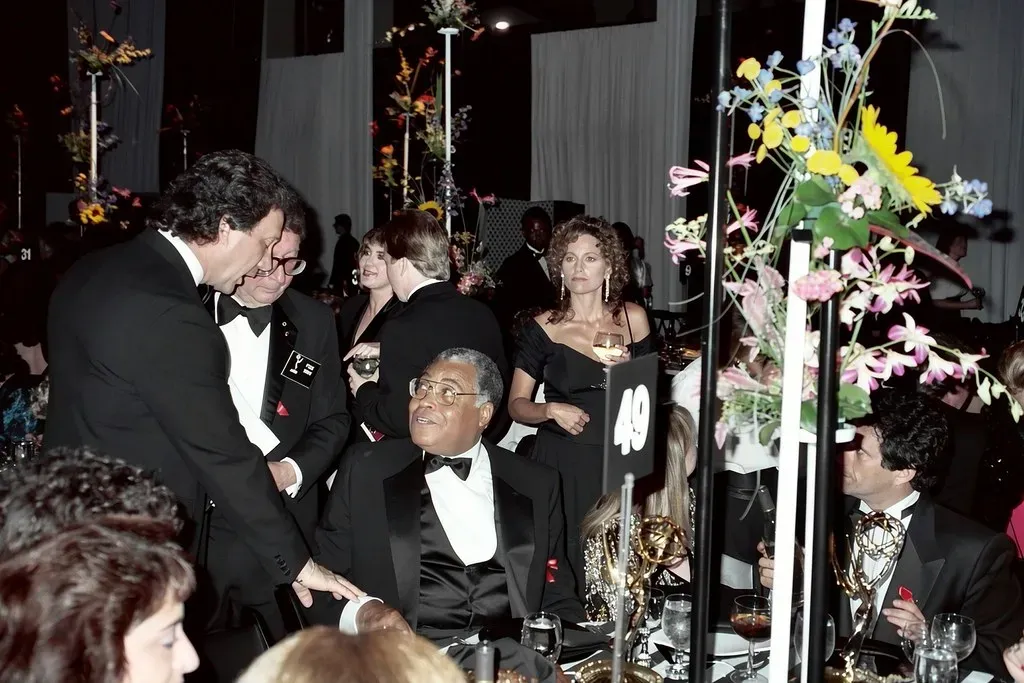
After graduating from the University of Michigan and completing ROTC, James Earl Jones was commissioned as a second lieutenant in the U.S. Army, serving during the Korean War era though he did not see combat. He was commissioned in mid-1953, shortly after the war concluded, and reported to Fort Benning, Georgia, where he undertook the Infantry Officers Basic Course and attended US Army Ranger School. He had originally been a pre-med student before switching to drama, so the Army years arrived at an unusual crossroads in his life.
He later attended Ranger school and helped establish a cold weather training command near Leadville, Colorado, and discharged from the Army as a first lieutenant. After being discharged, he moved to New York and studied acting at the American Theatre Wing using his GI Bill benefits, a path that eventually led to Broadway, Darth Vader’s voice in Star Wars, and one of the most recognizable careers in American film.
Partner offer
Planning a trip to Vegas?
Compare hotel rates and show tickets on VEGAS.com.